Assignment 3

Items include in this assignment

On this post

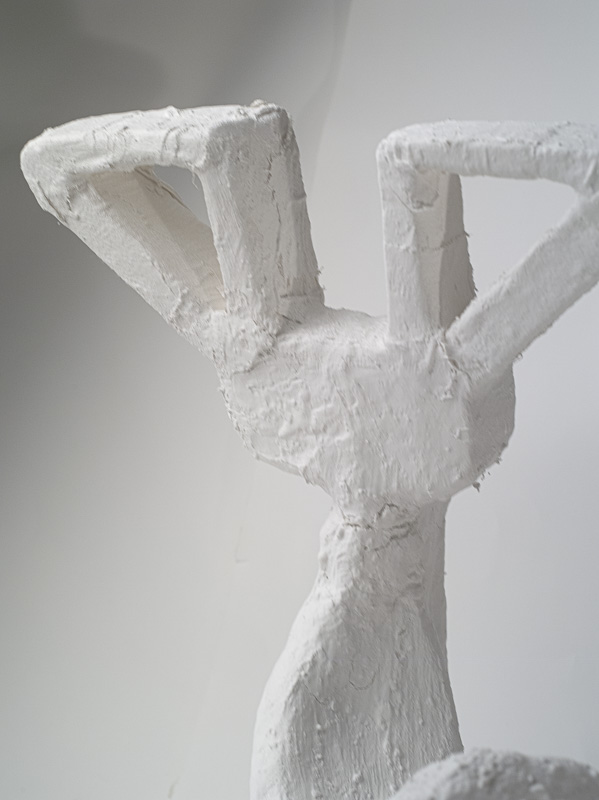
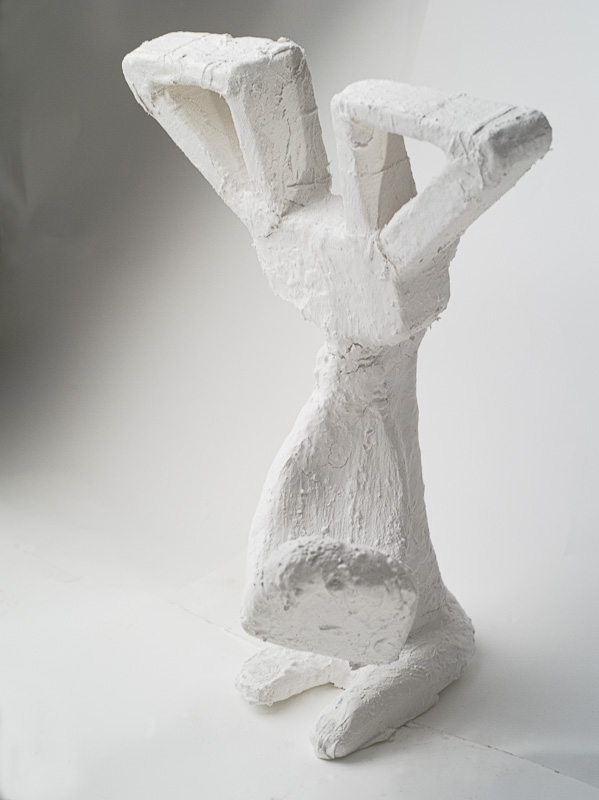
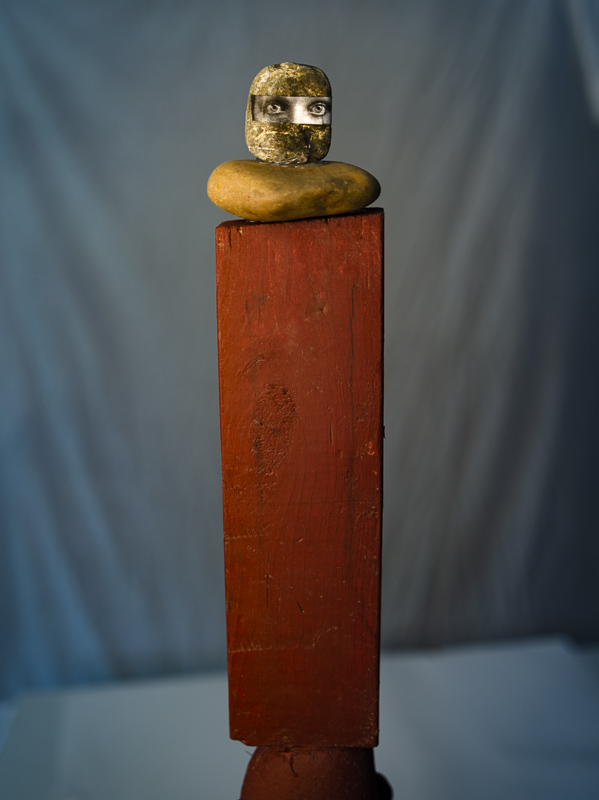
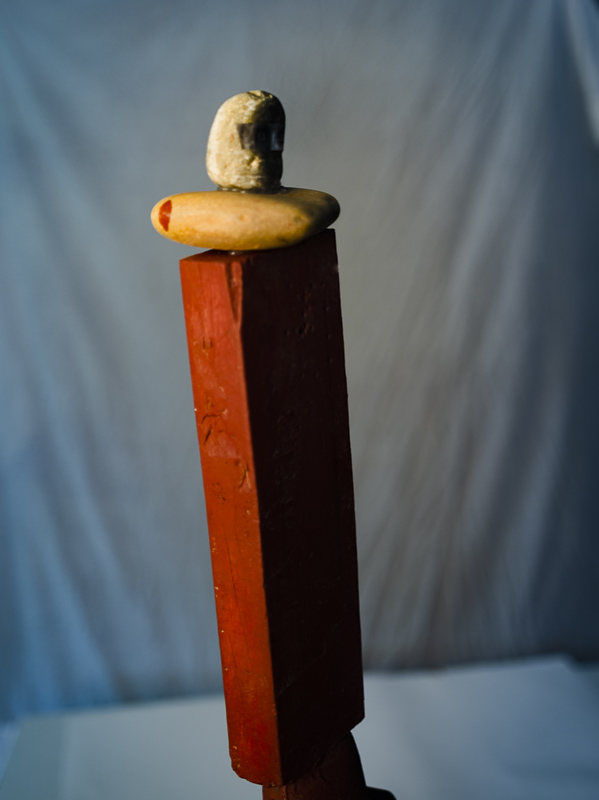
4 clay sculptures

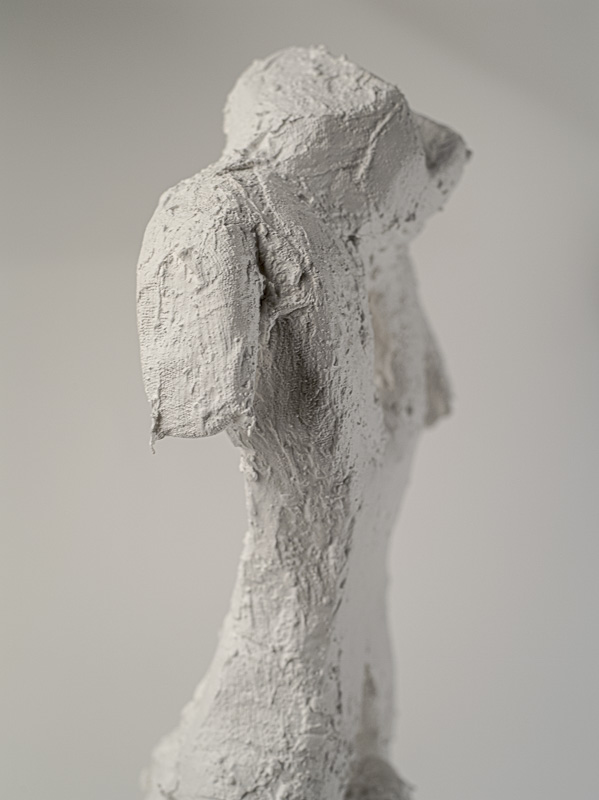
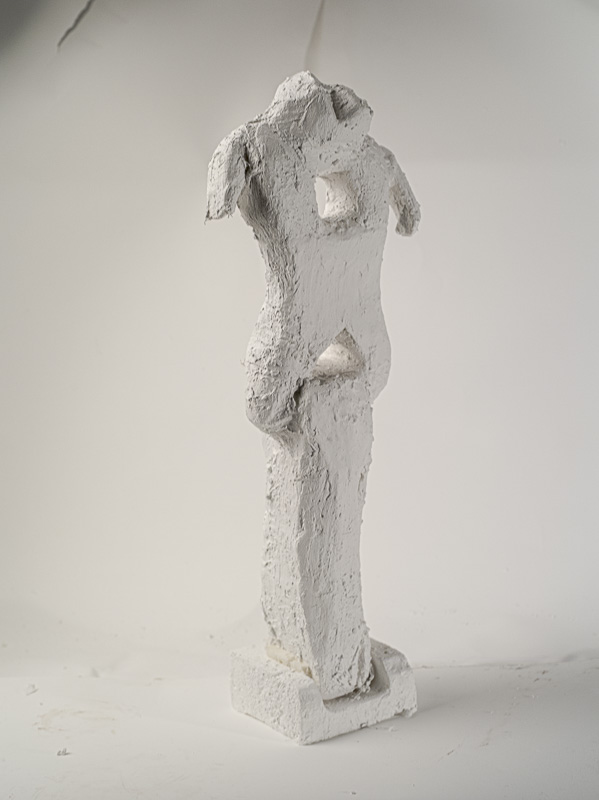
2 Plaster sculptures

Relevant pages

Advances on a sculpture from Assignment II

Self – assessment

Response to Tutors’s feedback

f

On other posts

Documentation (Project 4)

Research

s

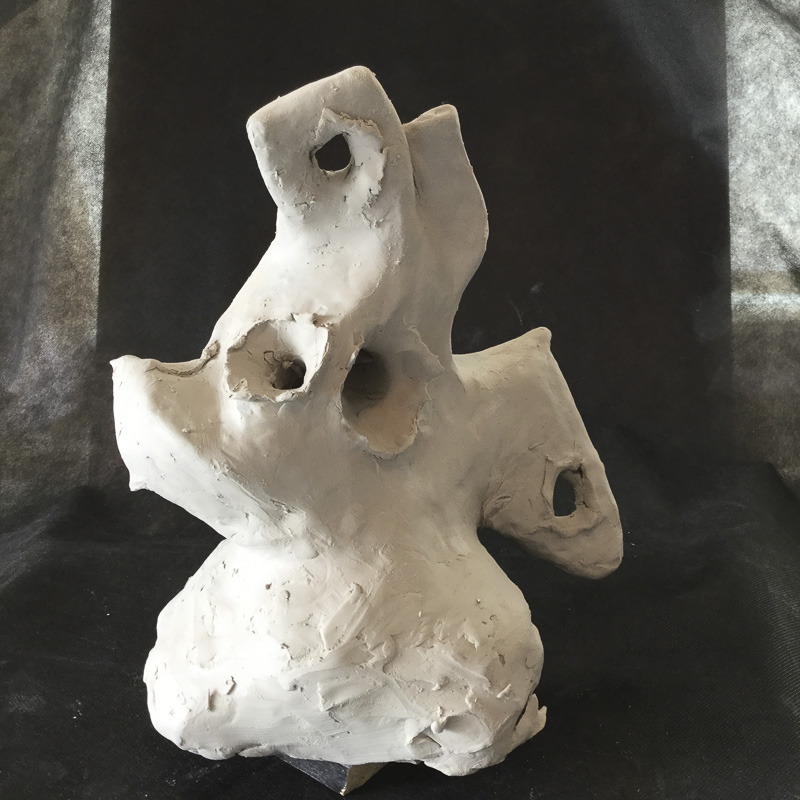
4 clay sculptures

Sculpture 1
Sculpture 2
Sculpture3
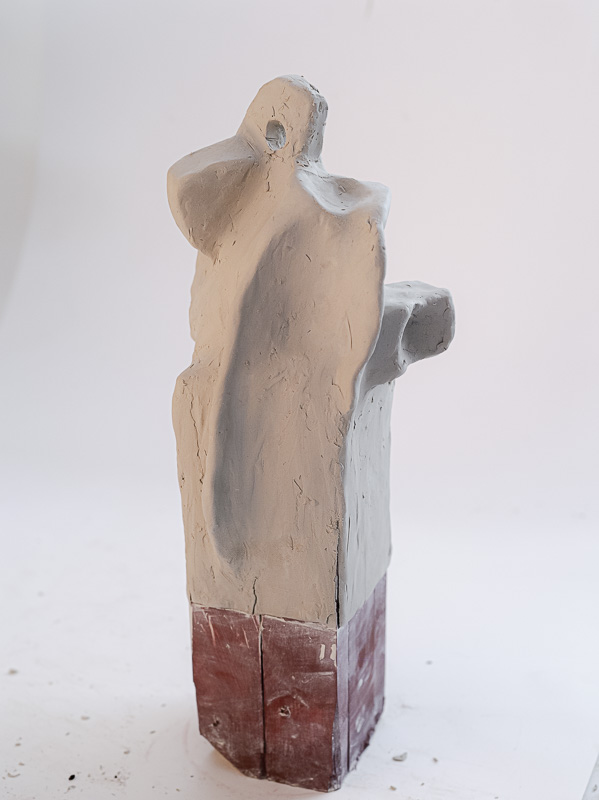
Sculpture 4
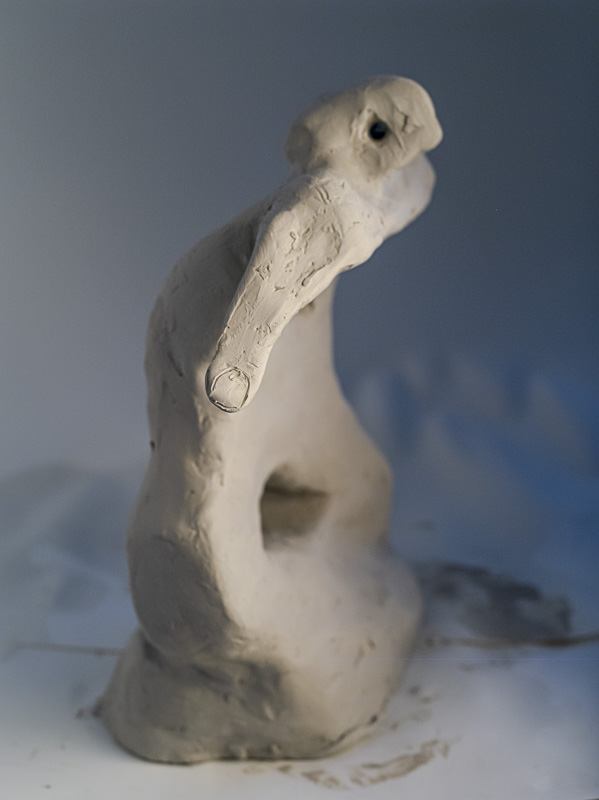
P

PLASTER

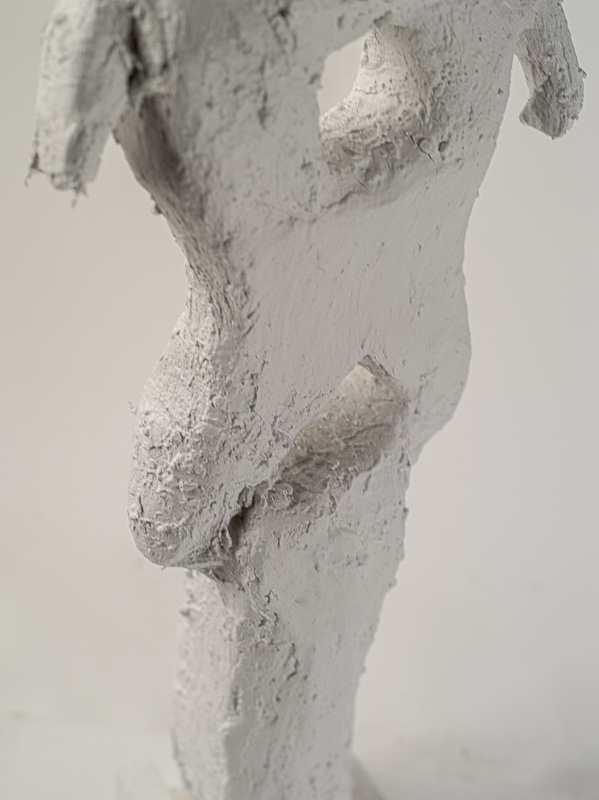
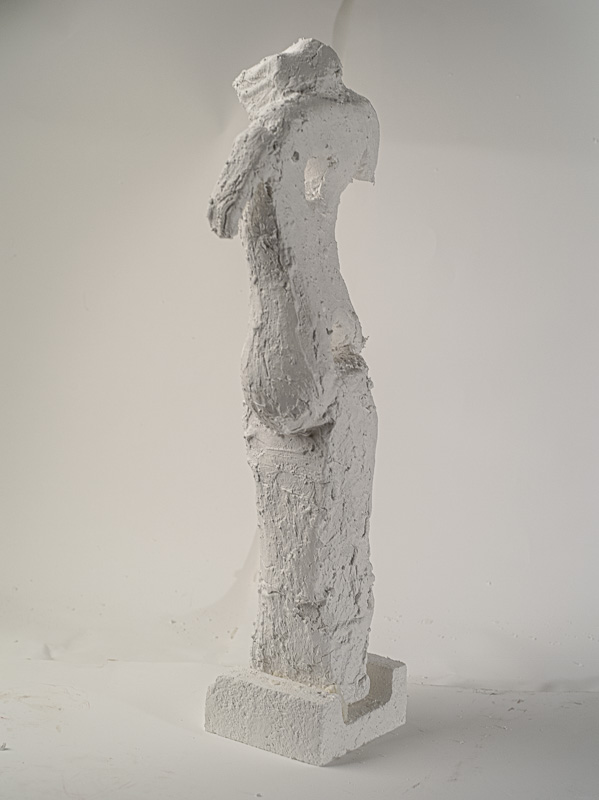
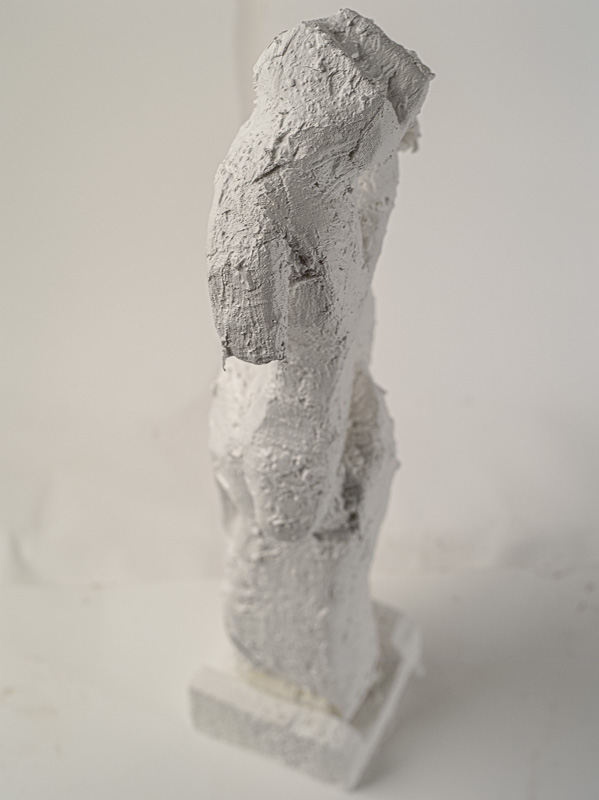
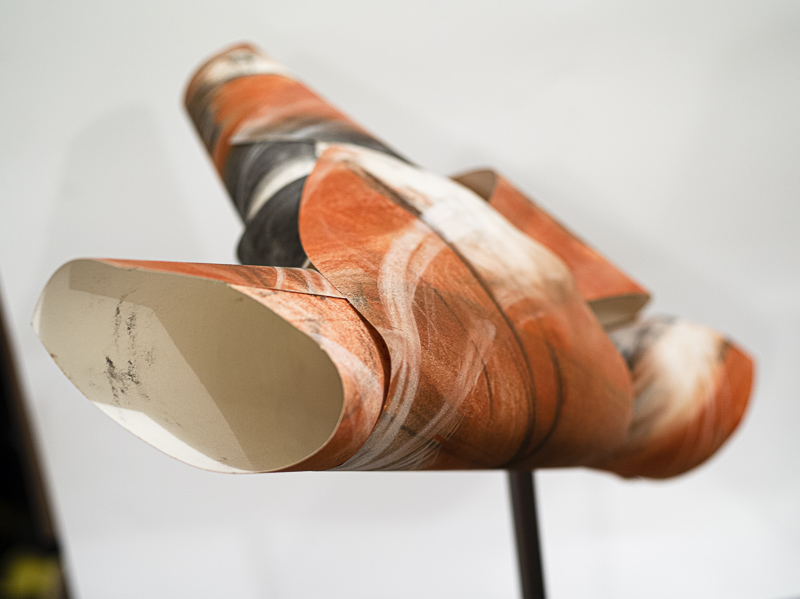
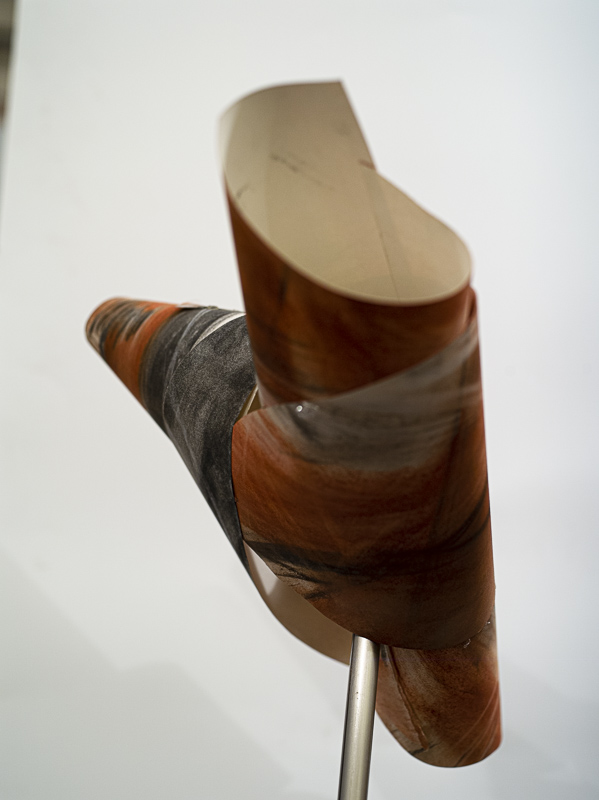
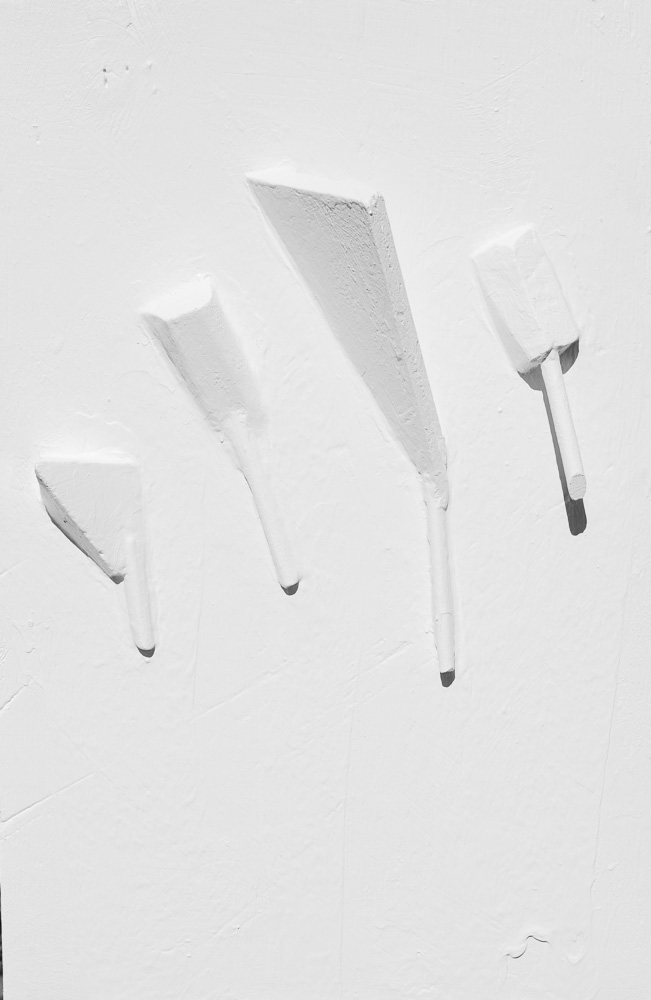
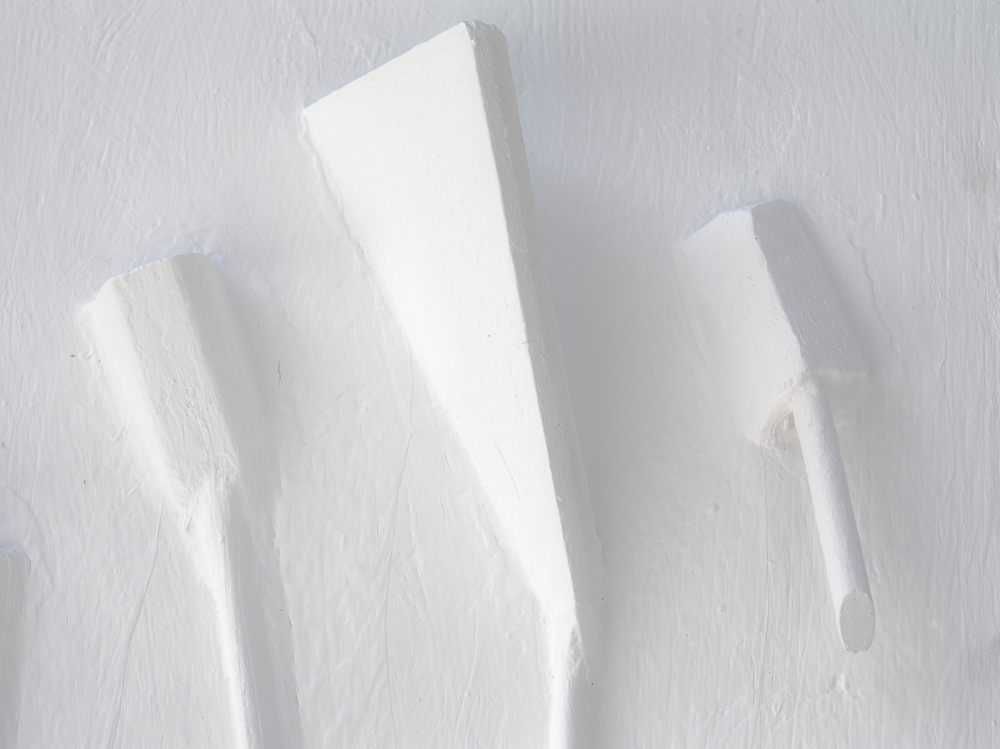
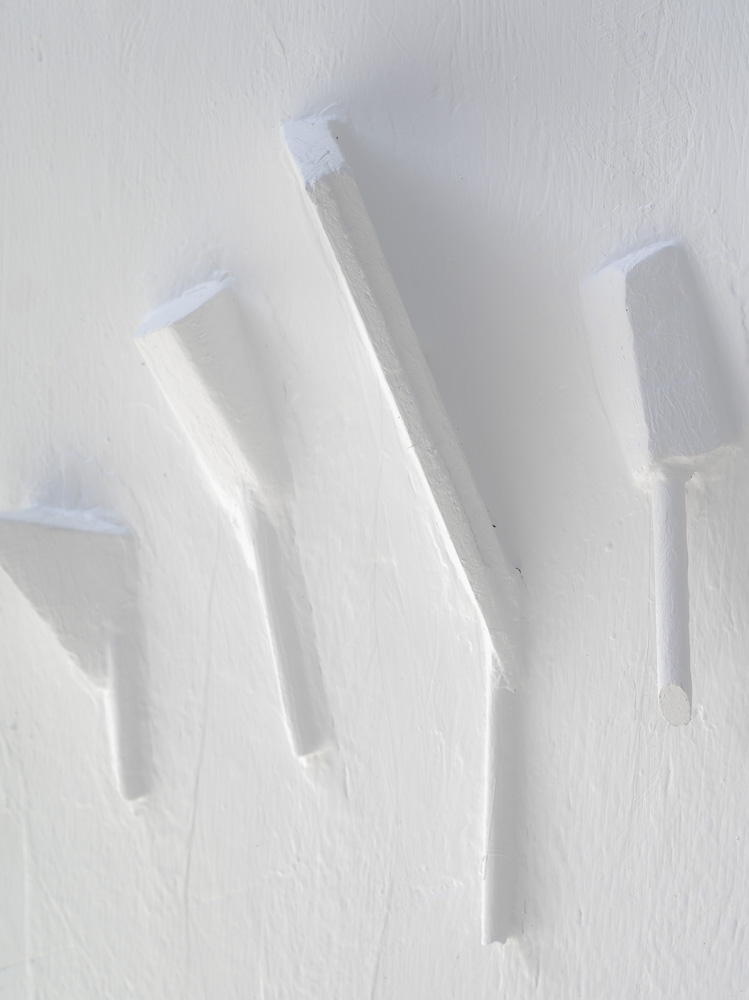
Sculpture 1
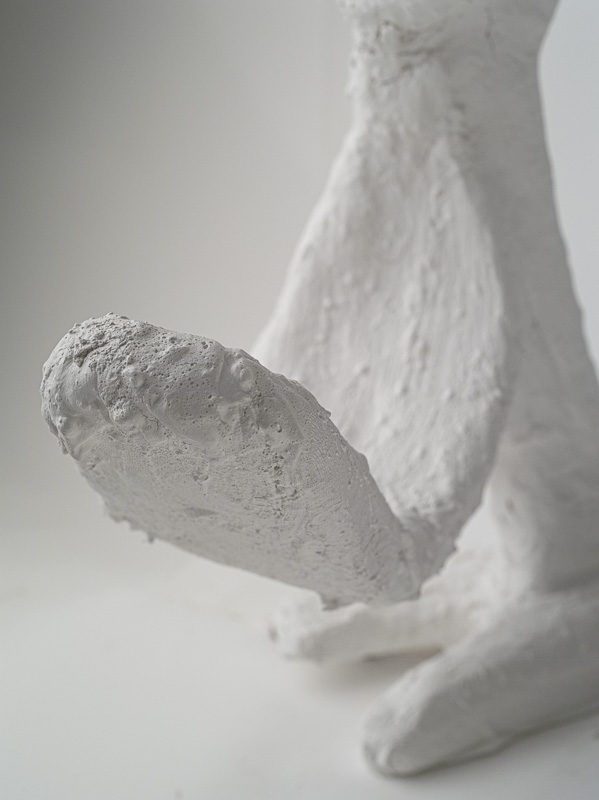
Digital Colour version
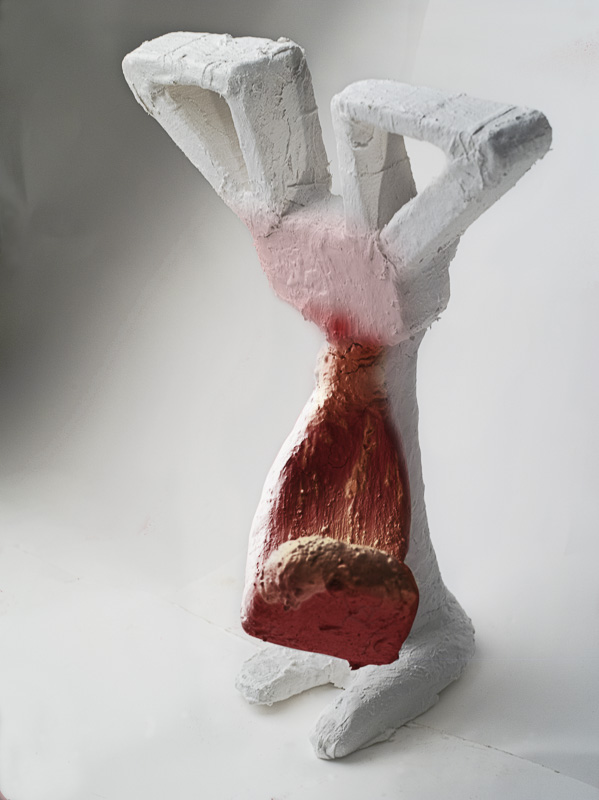
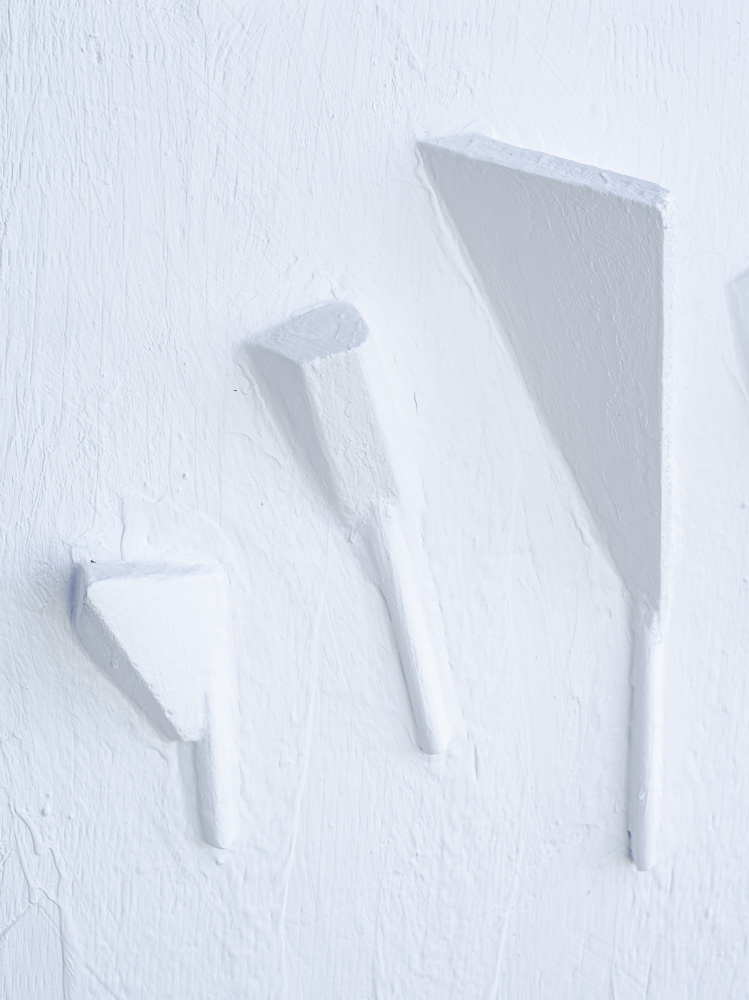
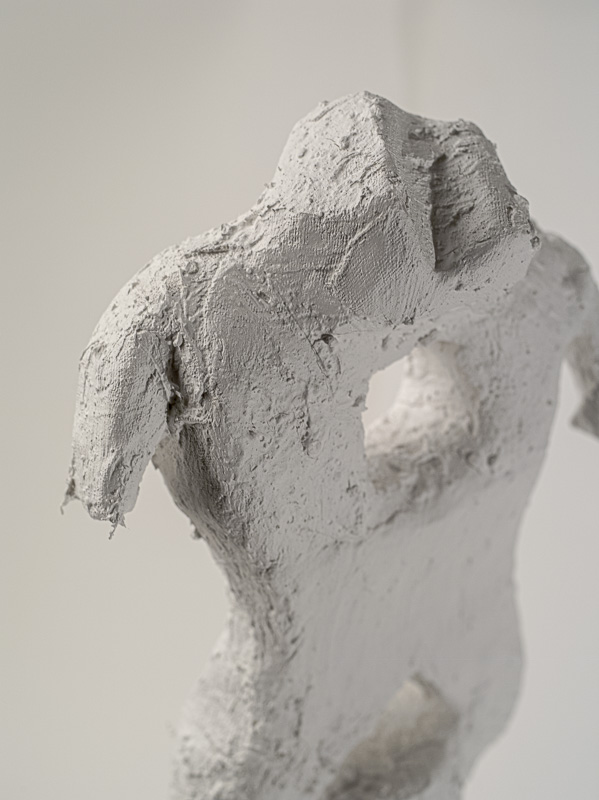
Sculpture 2
k

Relevant Pages
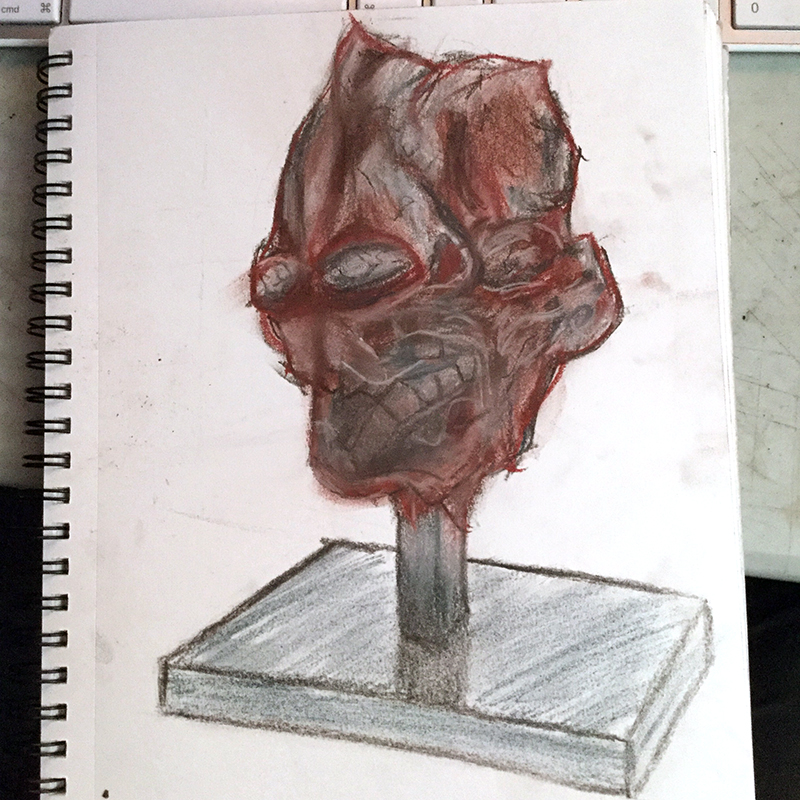
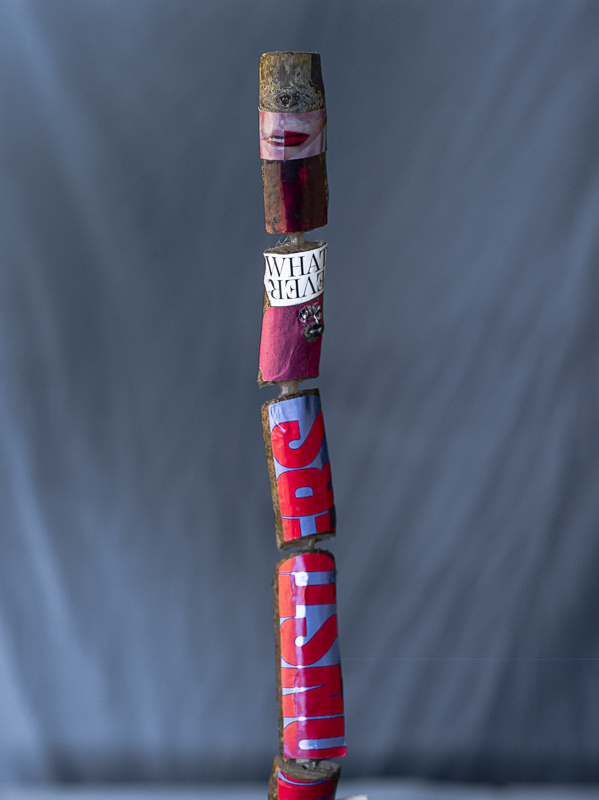
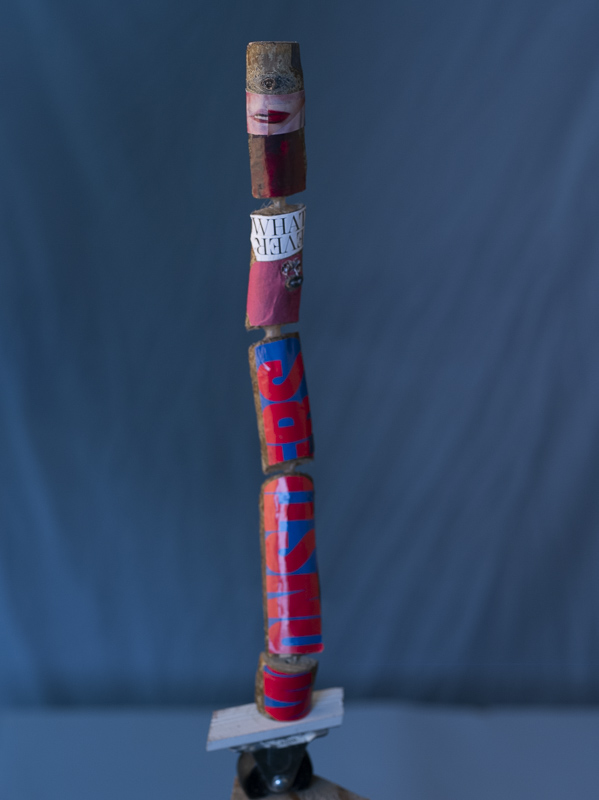
Advances on a sculpture
from Assignment II
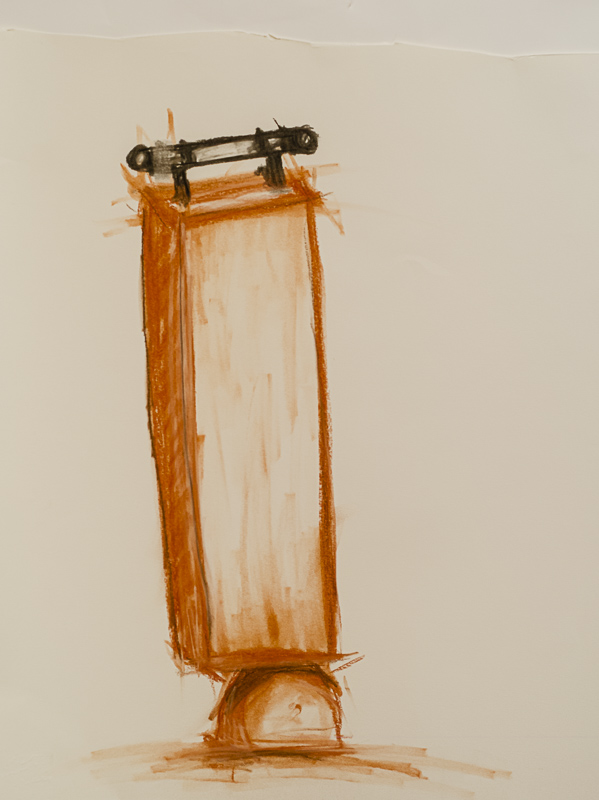
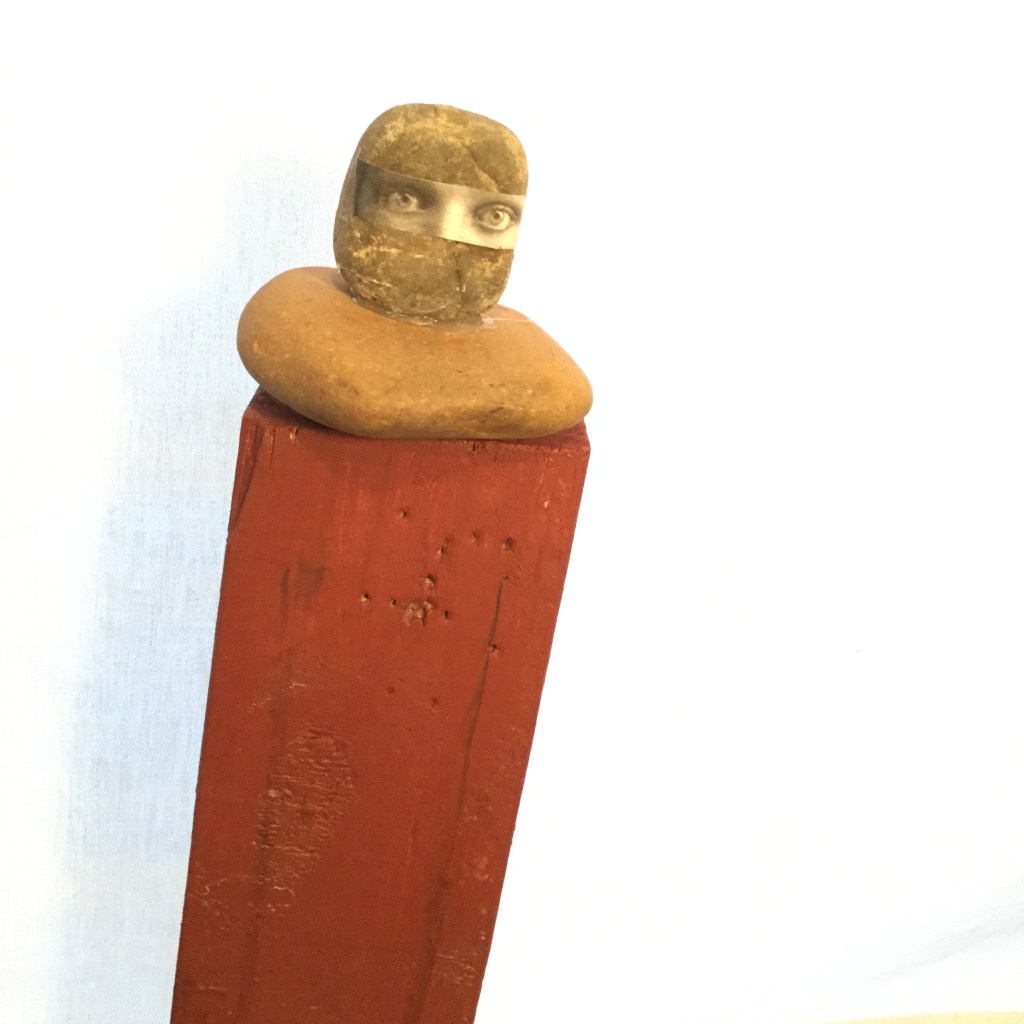
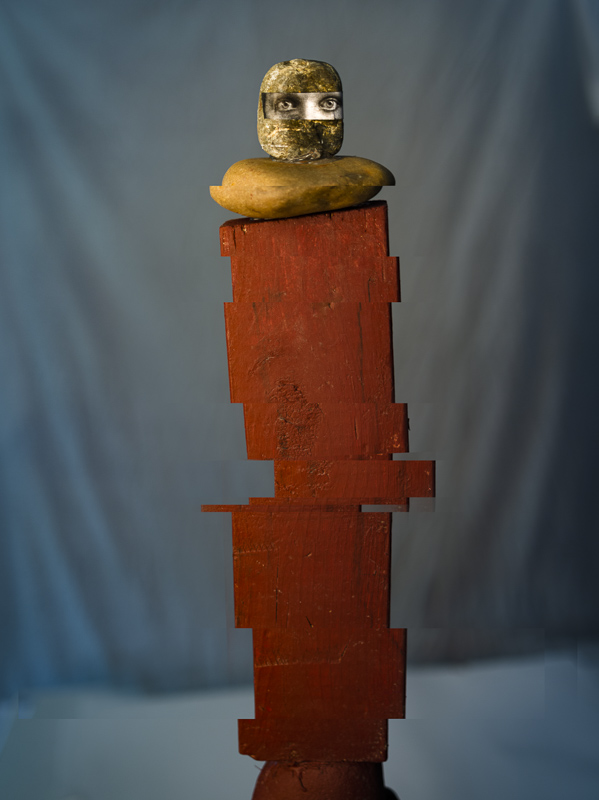
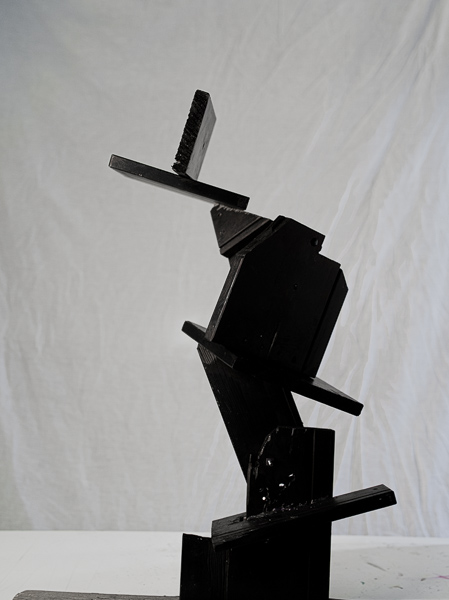
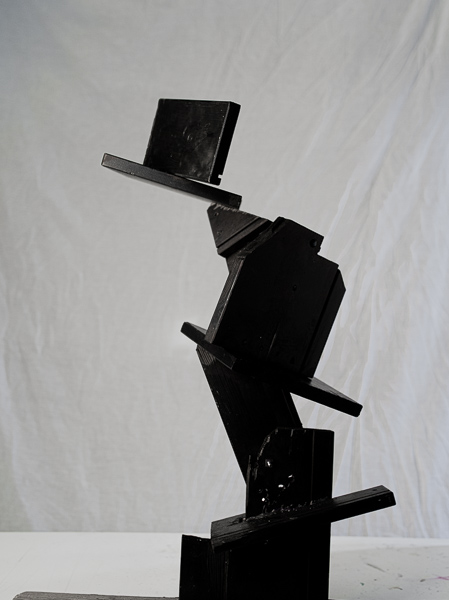
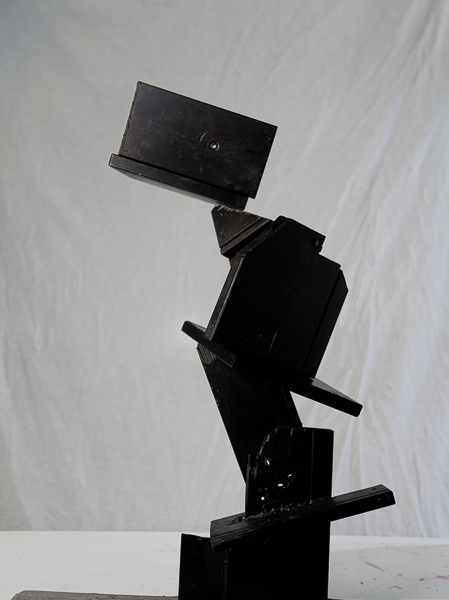
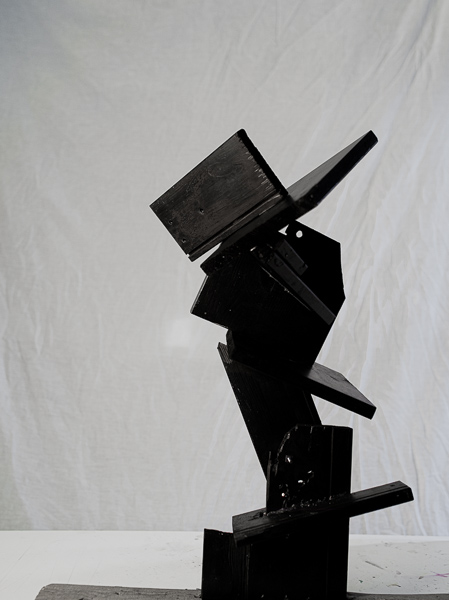
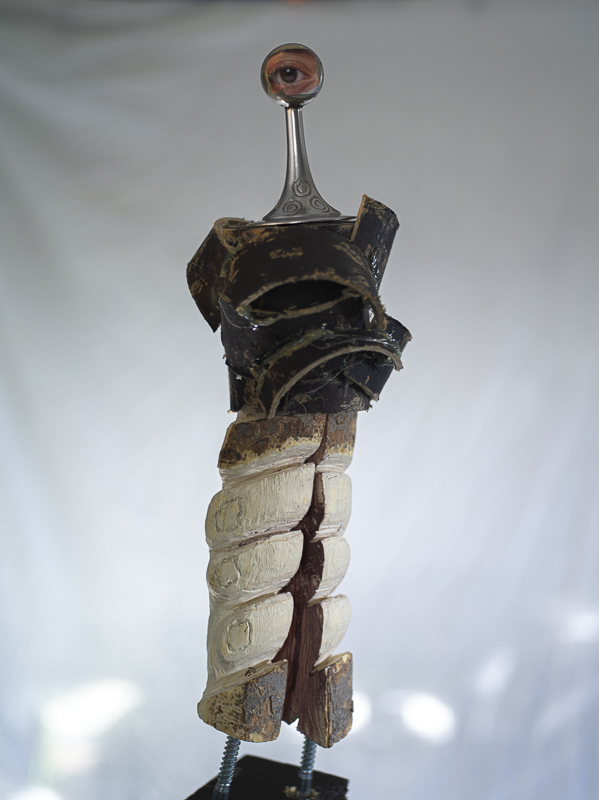
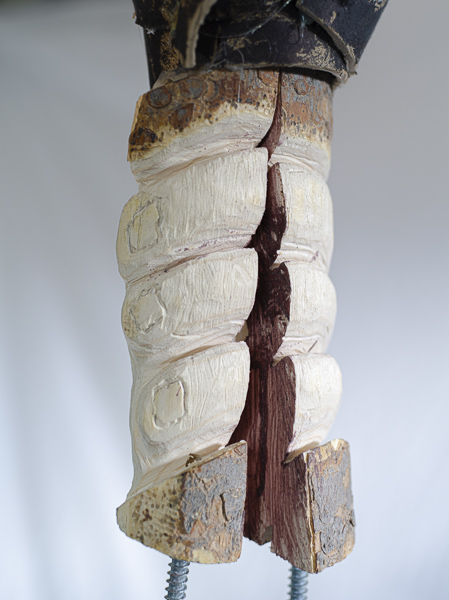
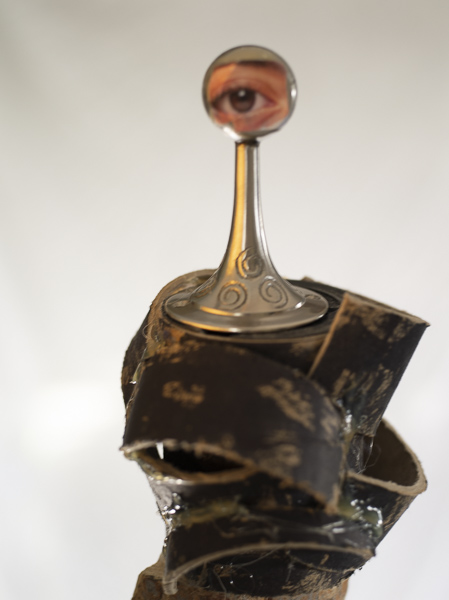
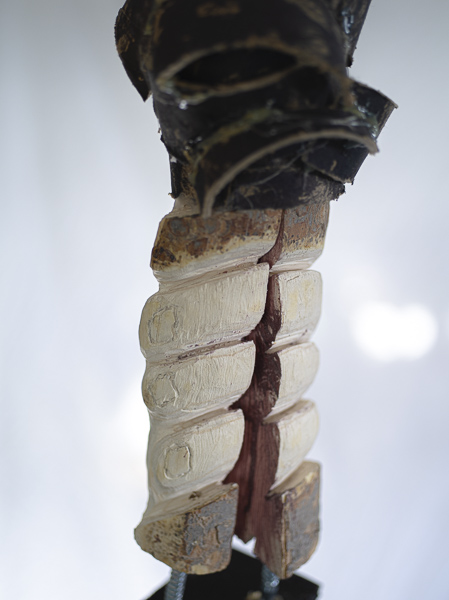
The next step in this sculpture will be to grind the wood to get ride off holes and imperfections and paint it again.

d

Self-assessment

How did I use a range of techniques to create a skilful and effective sculpture?

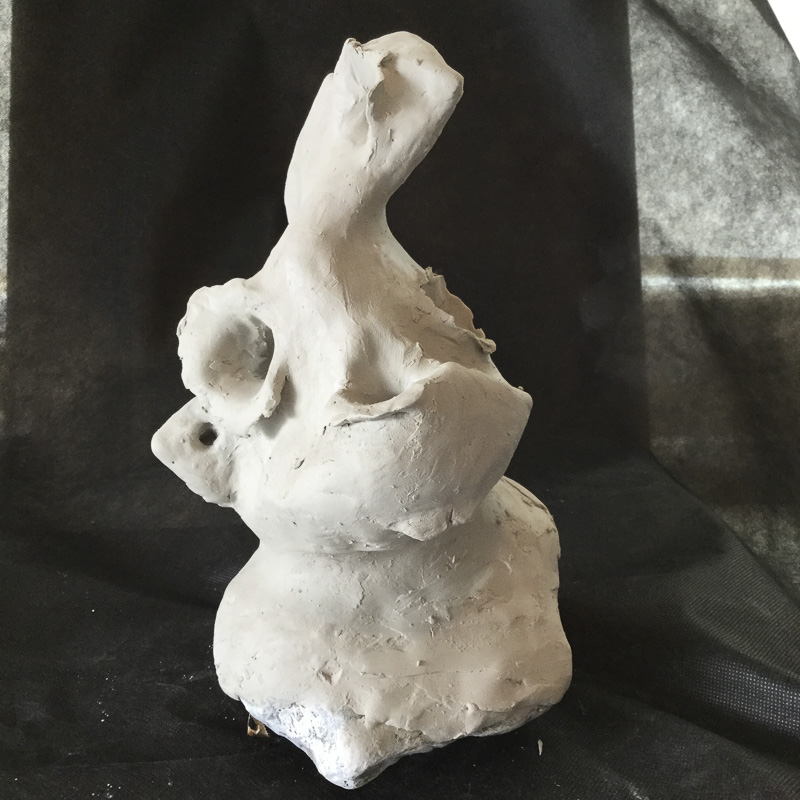
The technique used with clay was the manipulation of its materiality: it feels very corporeal. Physically speaking clay is quite inviting to the touch, it practically engulfs your hands with itself, it is so immersive, a pleasure to shape it into new forms.


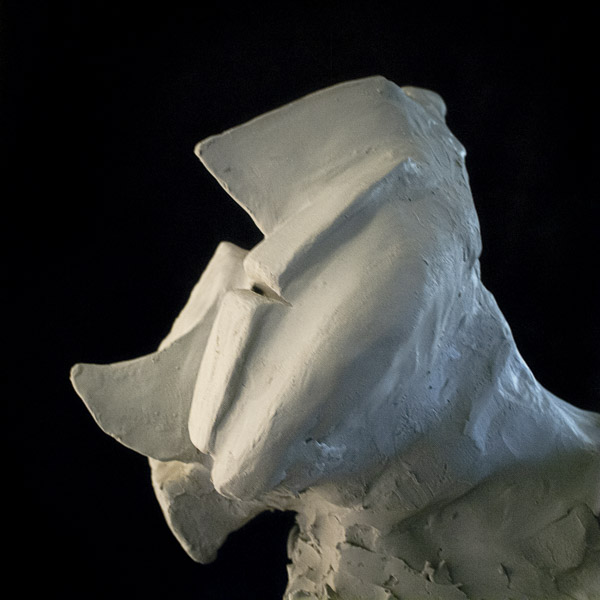
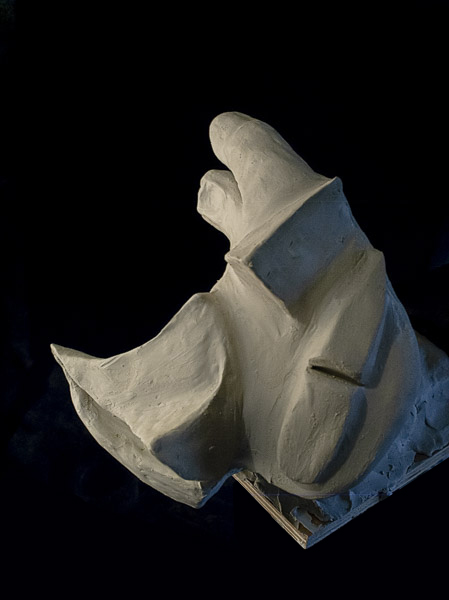
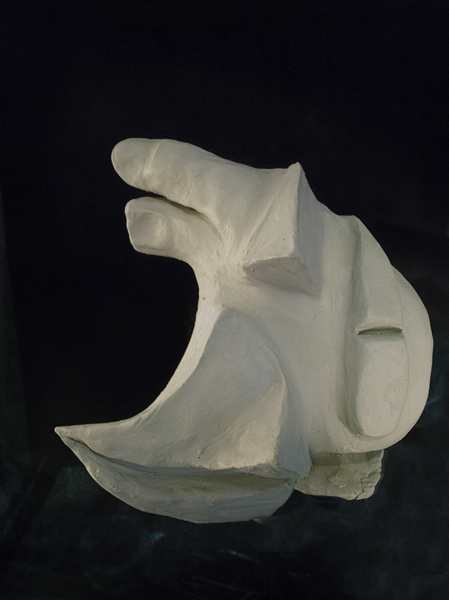
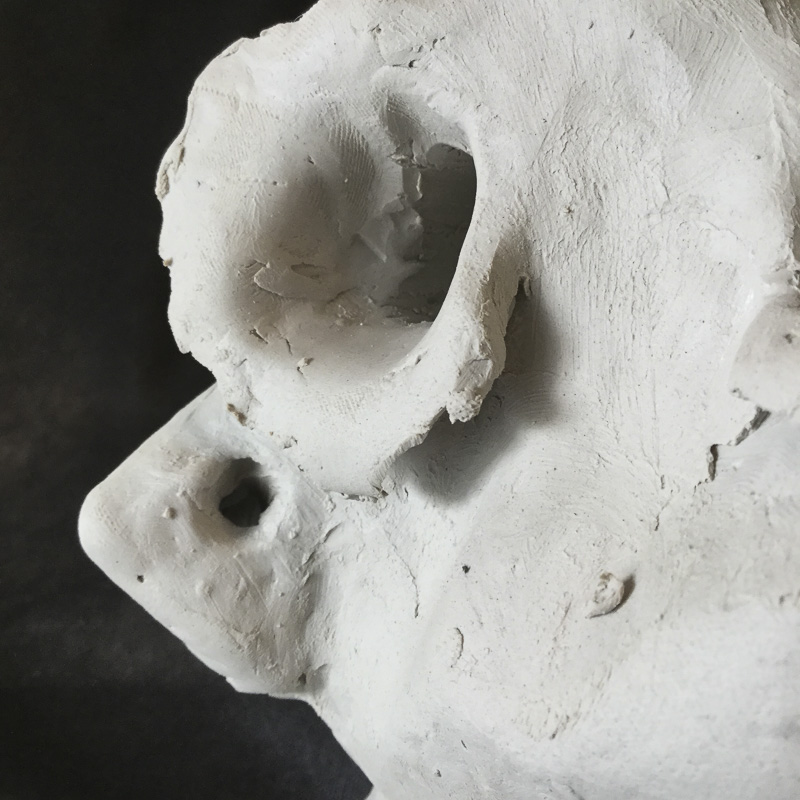
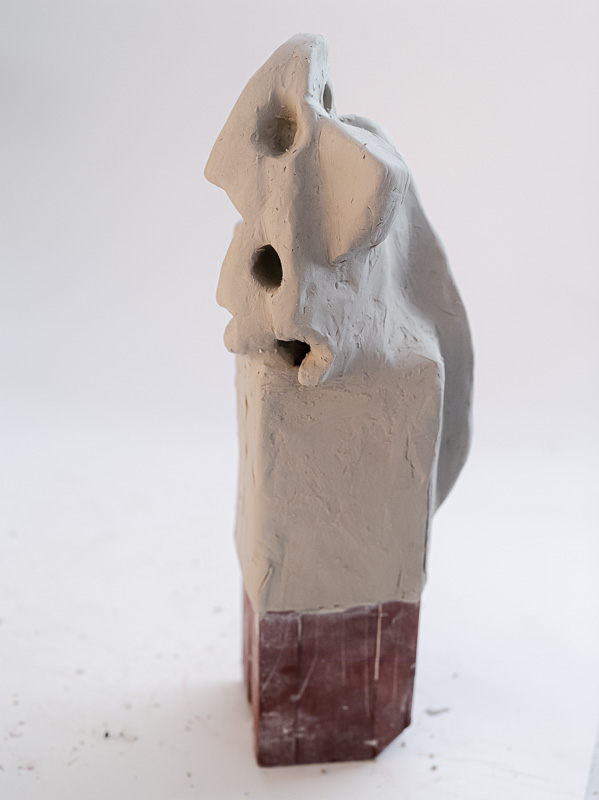
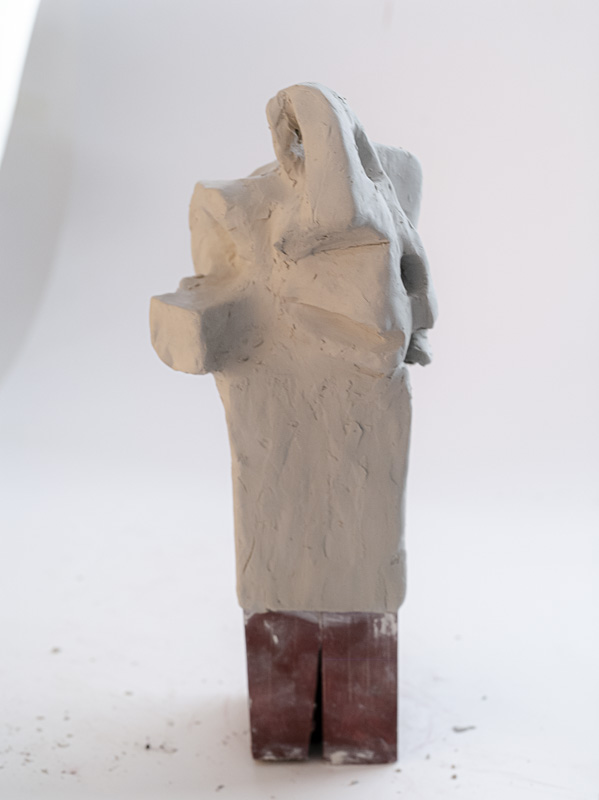
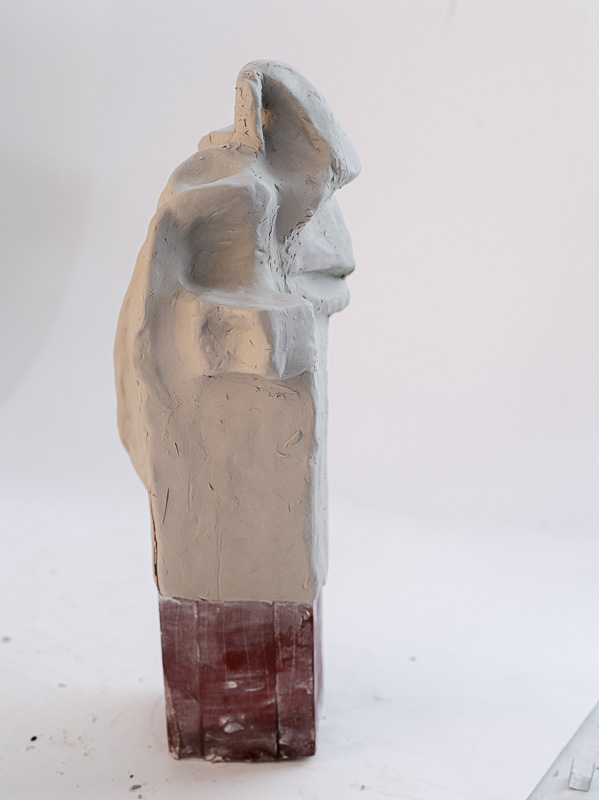
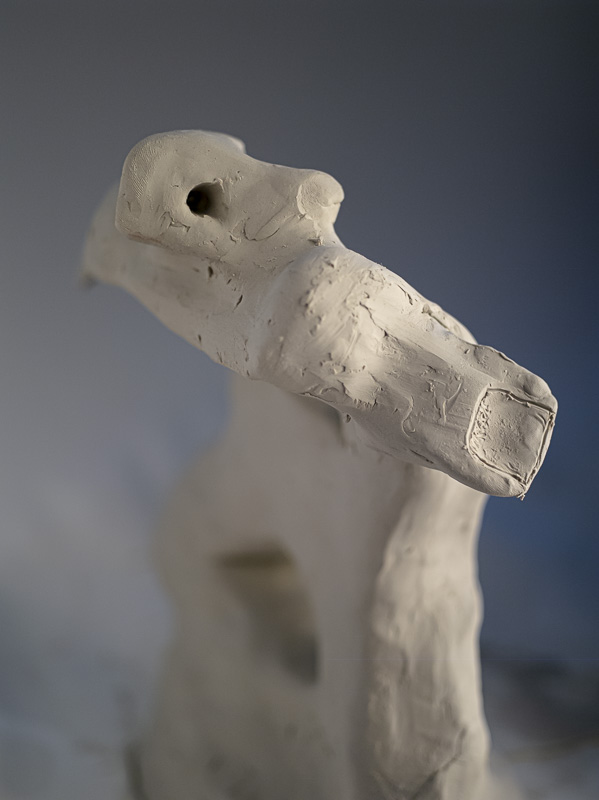
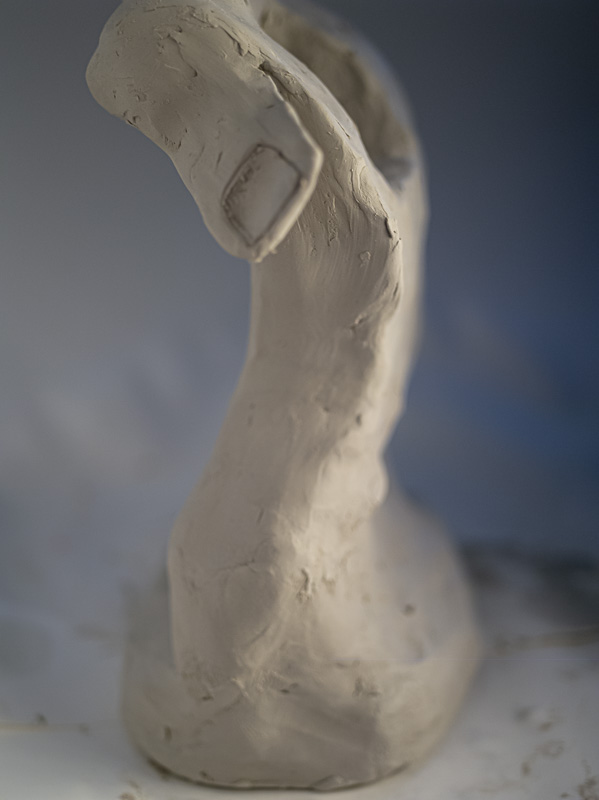
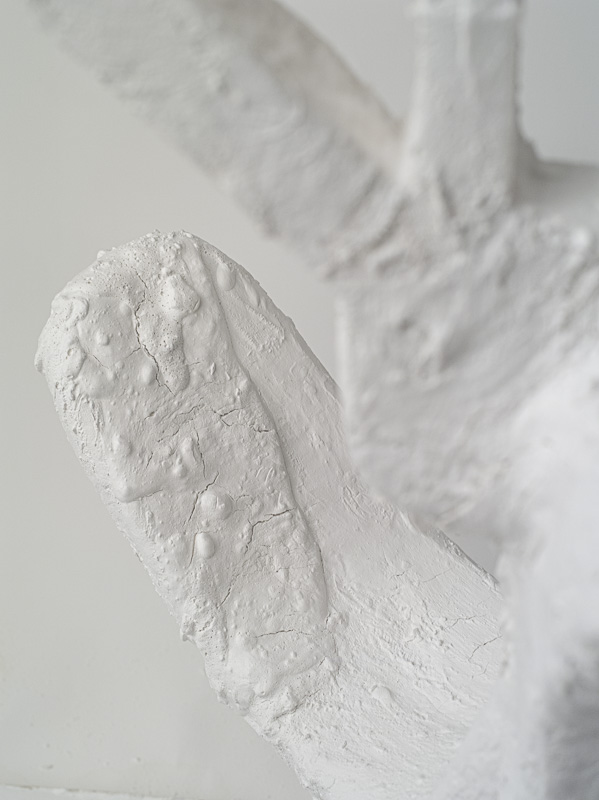
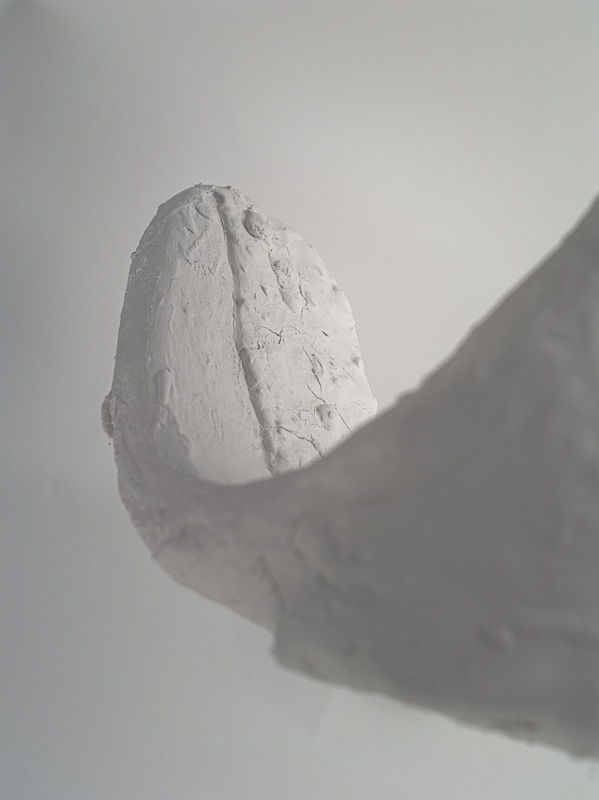
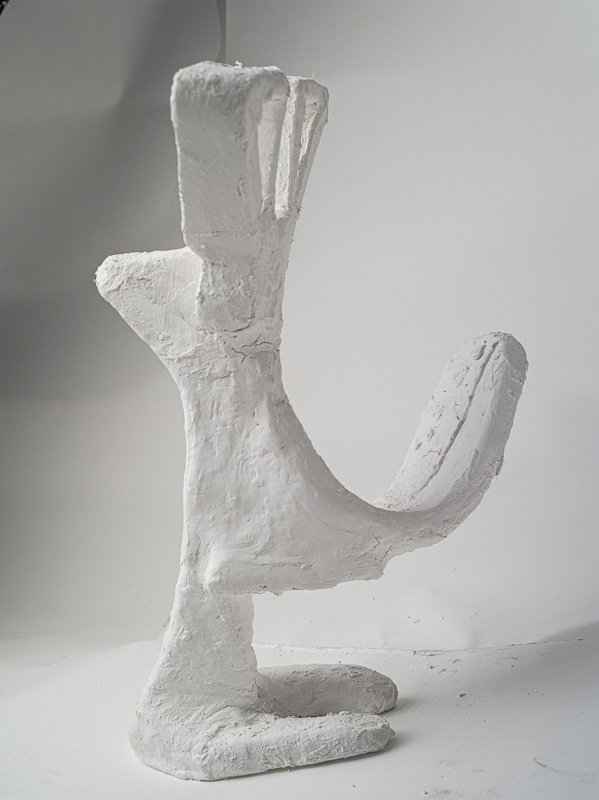
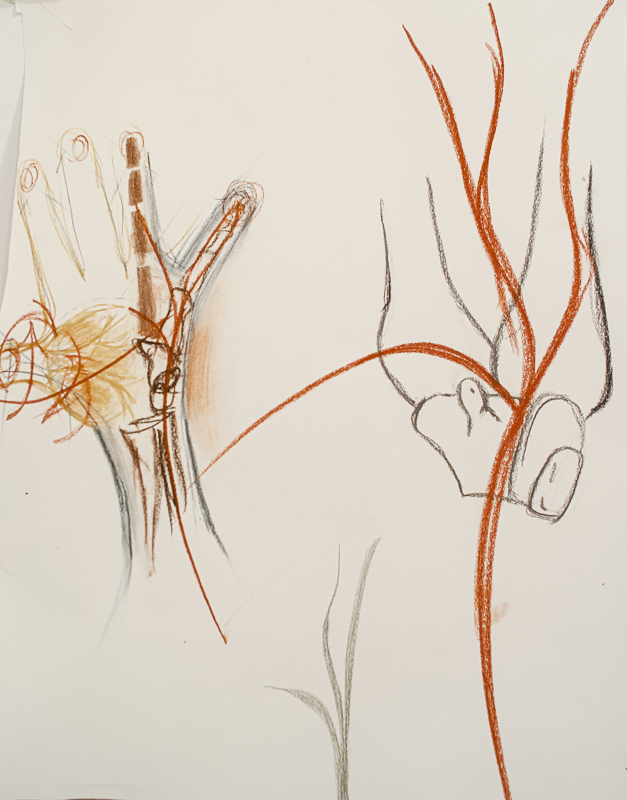
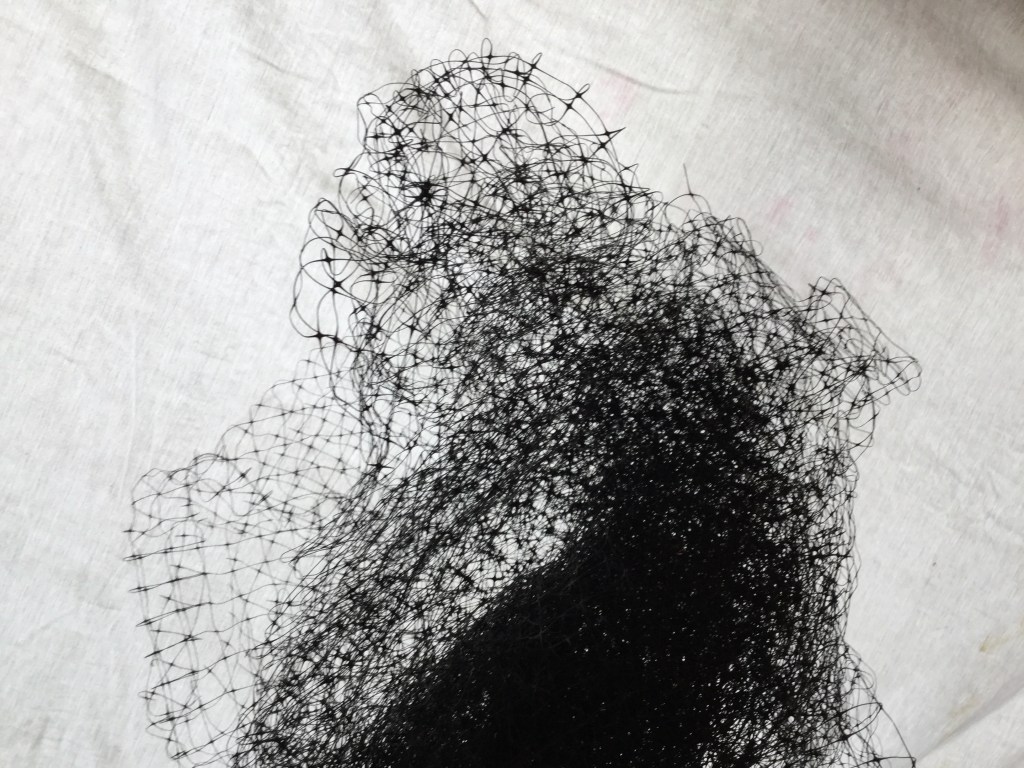
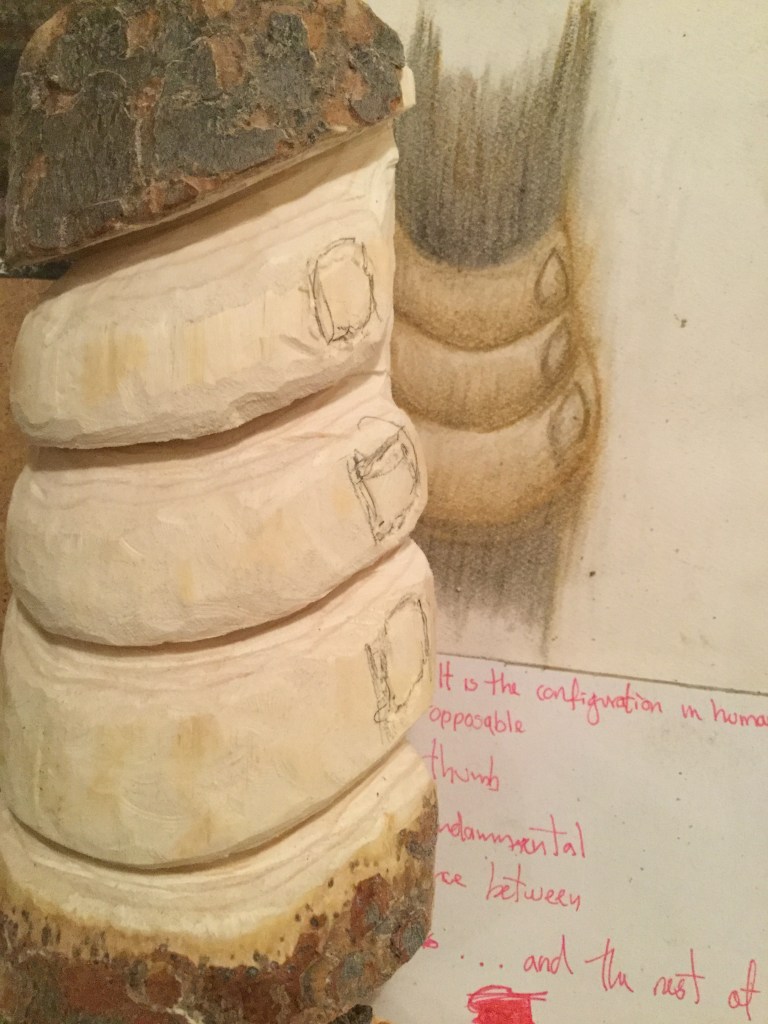
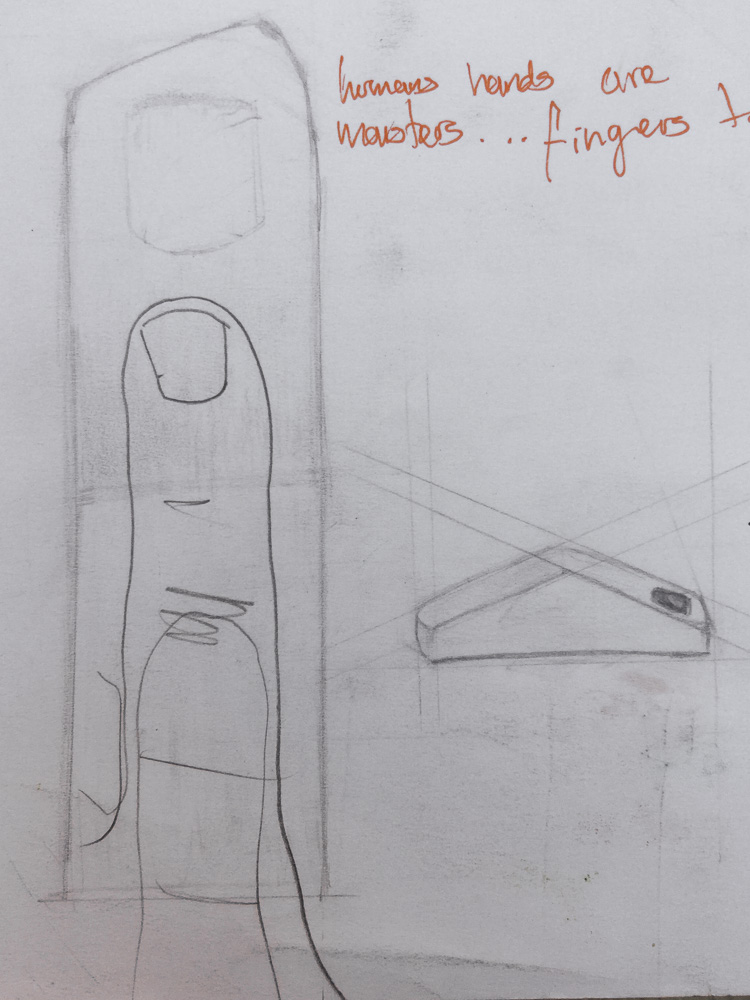
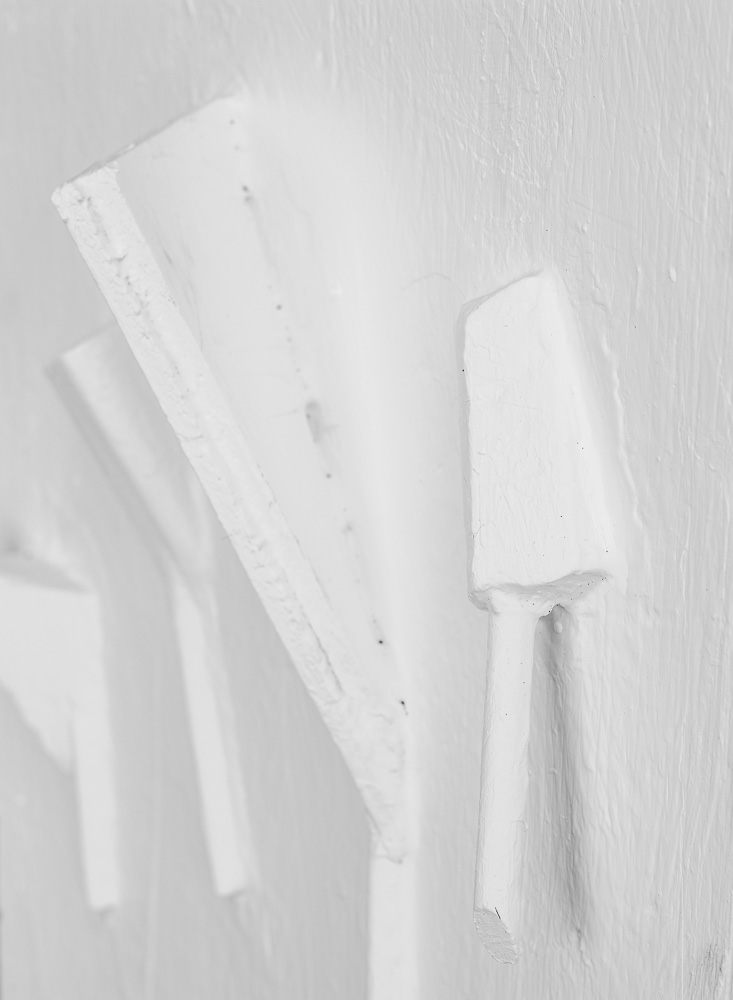
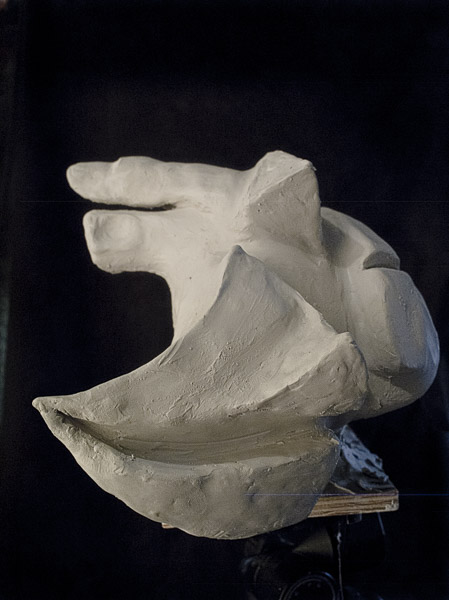
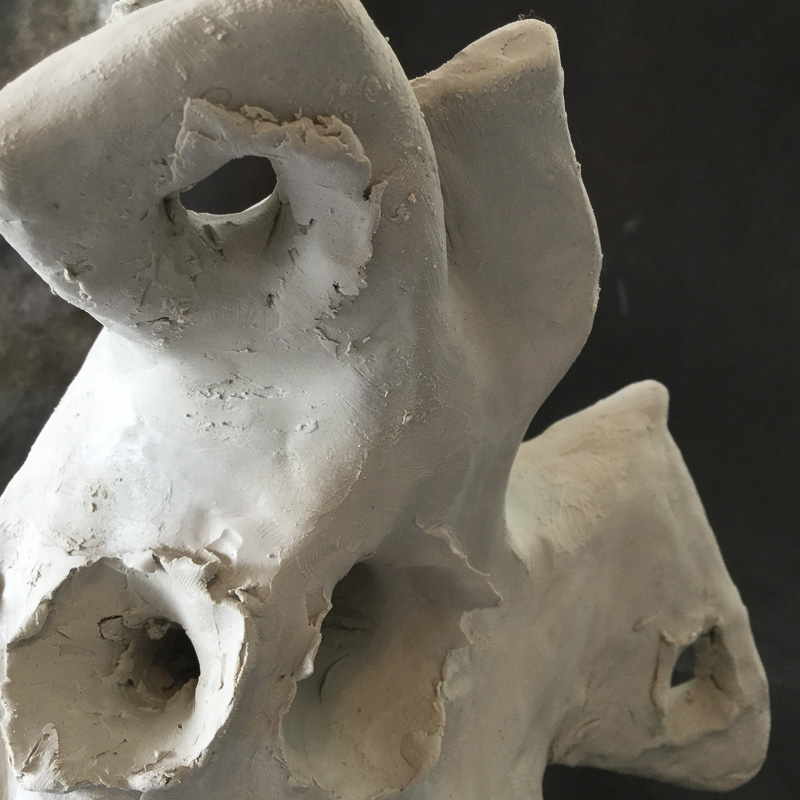
Also, I think I got good results having presented my topic inquiry about darkness and human intelligence. Little details that I really like regarding this idea are, for example, the thumb and pinky foot of plaster Sculpture 1. (See Image 1) Or the finger hands of clay Sculpture 4. (See Image 2)
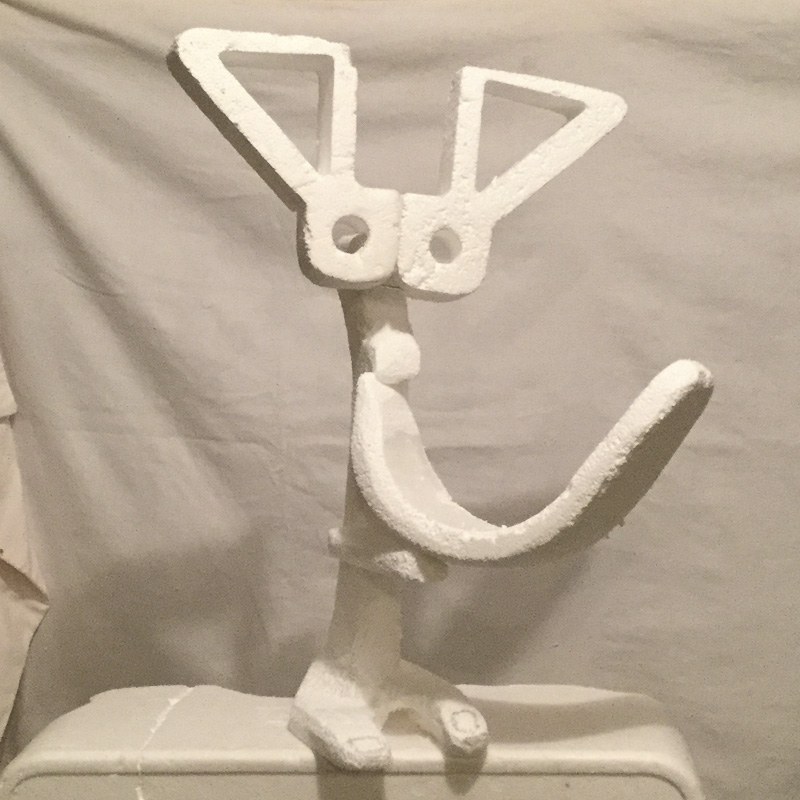
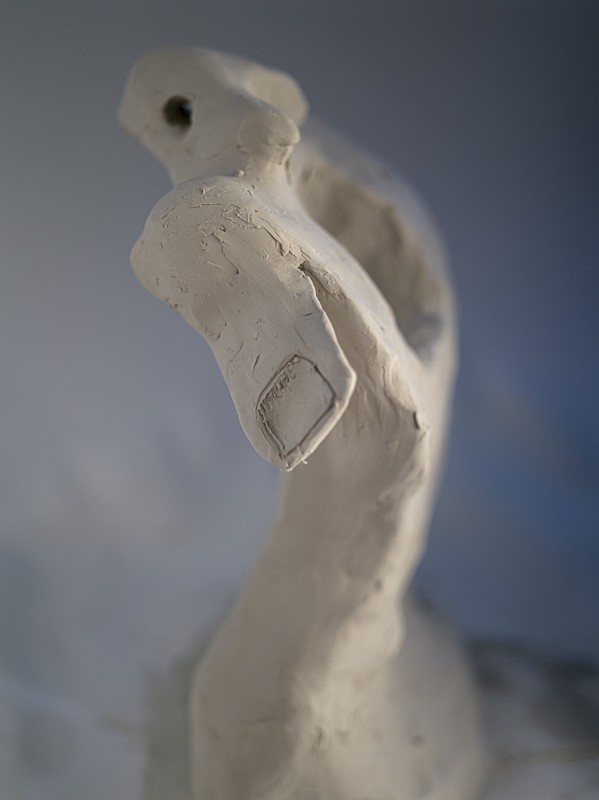
Image 1. In this pre plaster version, thumb and pinky foot are well defined.
Image 2. Thumb side view of clay
Sculpture # 4. Pinky is on the other side

How did I use construction techniques involving a variety of media and tools?

While working with clay I used mostly my hands to shape my sculptures also other essential tools help me too: a flexible to bend metal ruler, a can of beer, scrap-wood and 3 different-in-width types of wire to cut the clay. Learning about the Slab and Coil methods was also quite useful; it allows me to move forward quickly with excellent results.


Plaster was a different experience. I also used my hands a lot, but It was not as pleasant as working with clay. This plaster stuff burns and it can be quite messy while working so, not ideal for me.

How I developed basic skills in drawing and used those drawing to develop my ideas

I love to draw, and I think somehow this construction sculpture process is helping me to draw better in less time. Or perhaps I’m getting used to draw regularly but either way, I draw better now, so ideas flow smoothly while been developed with colours lines, charcoal, watercolour, etc.

t

Respond to Tutors’s feedback

The text in light grey are my tutors comments (Kimberly Foster) and the black text are my answers.

It would be good to see more of your reflection on the research as seen in part 1. You
mention artists with an obvious knowledge of their work but do not always unpack what their practice is or particular aspects that are important and relevant to you.

Even though it is true that I not always unpack what is relevant for me of the work of others artists that I admire I have to say that it is still not clear to me what I am precisely extracting from them. In the case of Hannah Höch on Assignment 2, it was not clear that what I find particularly interesting was the playful feeling of her works. That was not evident until I finished working on my own pieces.

… continue to consider the strength and fragility- the stubborn material and the ephemeral. The found and the made. This will be interesting to consider with clay and plaster

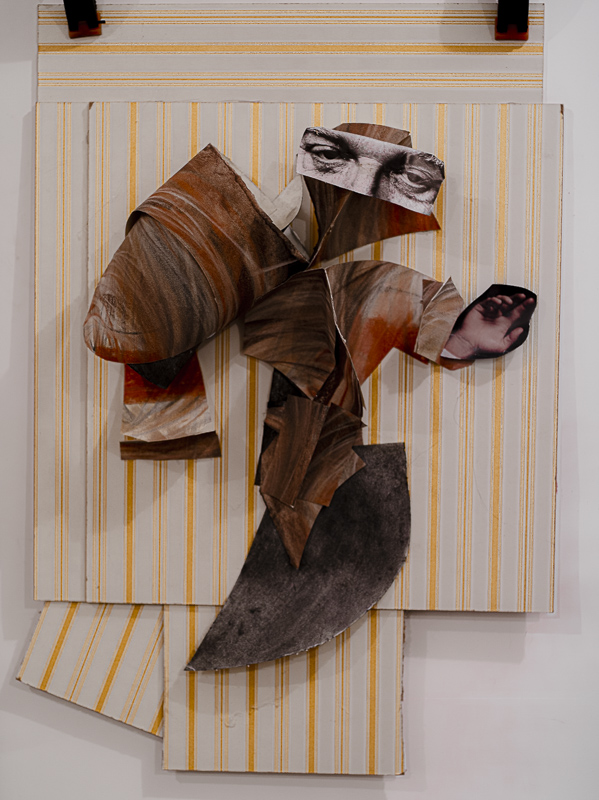
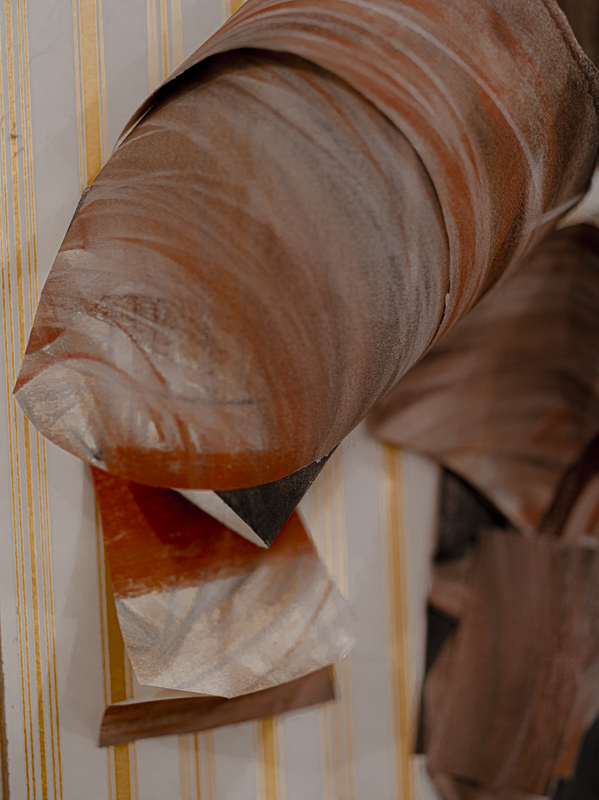
It was quite interesting on the plaster pieces, especially on plaster sculpture #1, to discover on ready-made styrofoam forms embedded onto the original utilitarian shape of the material.
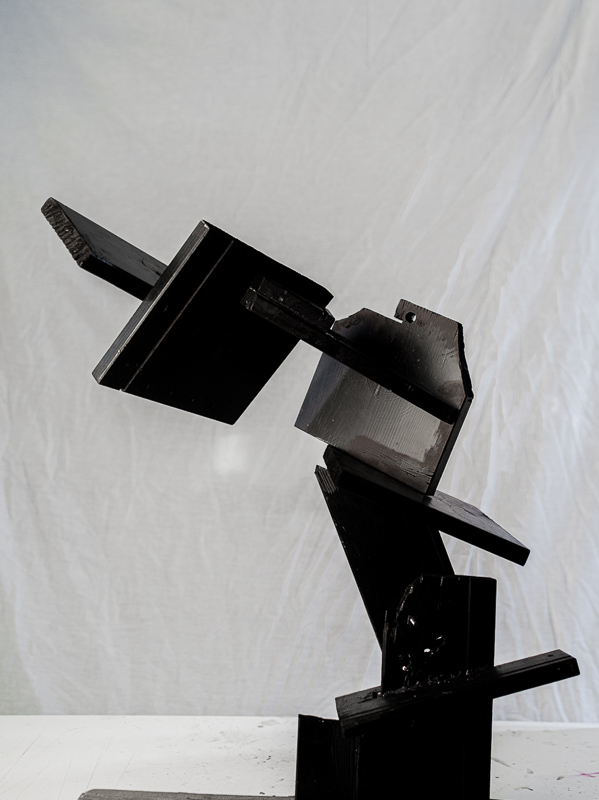
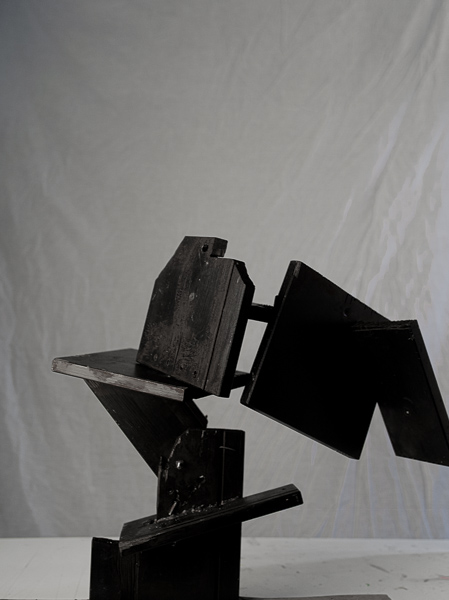
Assignment 2

Items include in this assignment

.

on this post

Two large sculptures

Four small sculptures

Two sculptures made from drawings

Moments of creations: Relevant sketches drawings & sculptures

Self-assessment

Respond to tutor’s feedback

.

on other post

Documentation (Project 3)

Drawings (Project 4)

Research

Seen Sculptures

.

Two large sculptures

Shape shifting

Sound waves

Four small sculptures

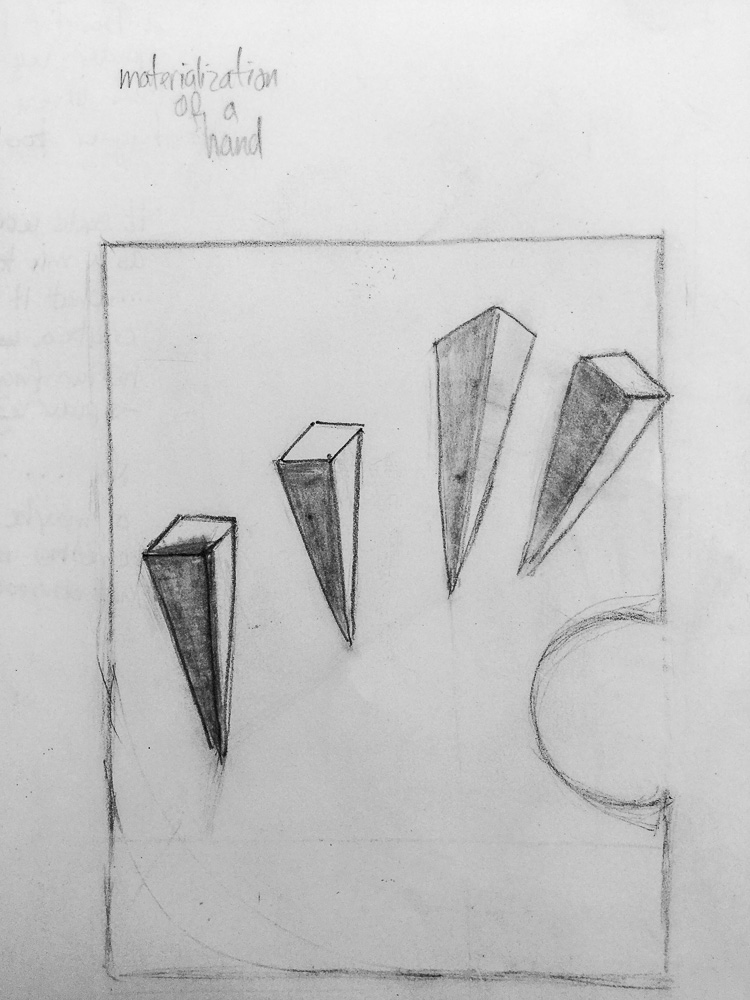
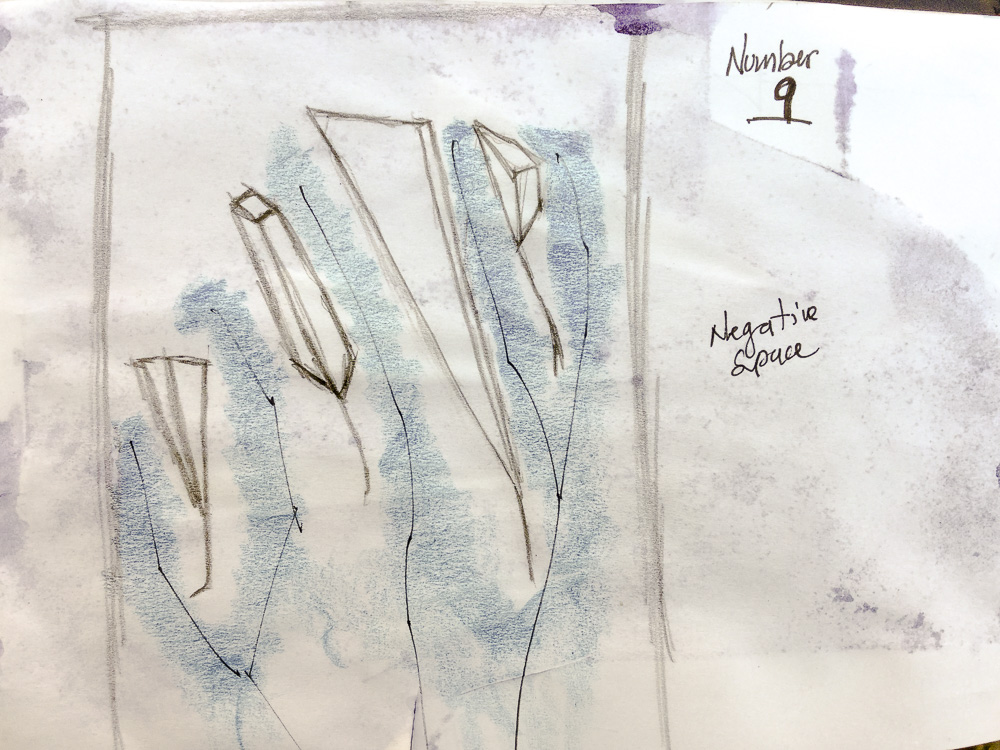
Materialization of a Hand III

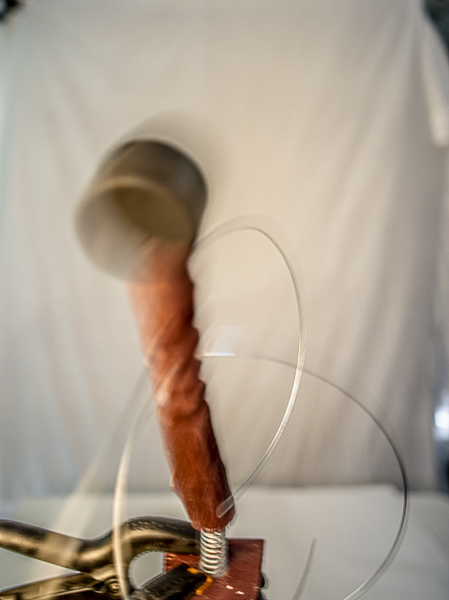
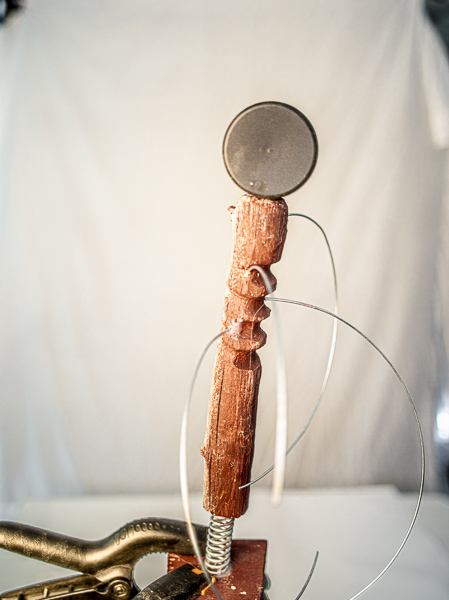
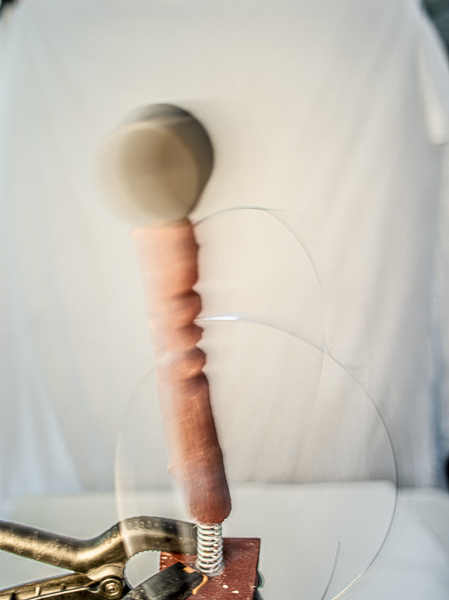
Spring moving sculpture

Inunnguat

Toy sculpture

Two sculptures made from drawings to a sculptural form.

9
9

Moments of creations: Relevant sketches drawings & sculptures

9
9

Self-assessment

How did I use a range of techniques to create a skilful and effective sculpture?

The whole process was led by an exchange of experiences learned during drawing and construction. It was a constant going back and forth with some periods of rest or doing nothing which I think is also a technique.

There were other techniques involved in this process that are worth mentioning: observation, thinking, imagination, planning and research. All of these skills were applied during drawing and construction.

How did I use construction techniques involving a variety of media and tools?

This time I felt more in control of the construction process and my use of media and tools is more refined than in the last section of the course. With practice came confidence but still there is a lot to learn. 

My arsenal of different tools for this module grew significantly. I invested in a rapid rotating machine (Dremmel) which is fantastic. It lets you create a lot of things that come into your head without worrying too much if you will be able to do it or not, it is quite versatile.

How I developed basic skills in drawing and used those drawing to develop my ideas

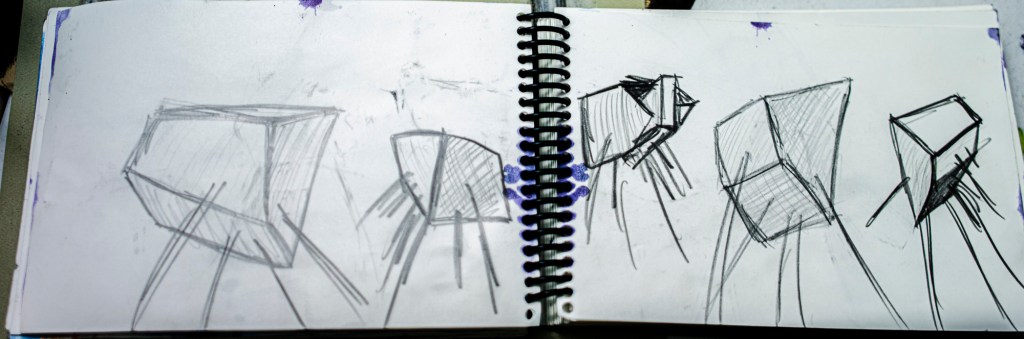
As I mentioned before the drawing process was a big part of this module and it was that way not only because it is what the syllabus dictated but because I think I did a decently good job on this area

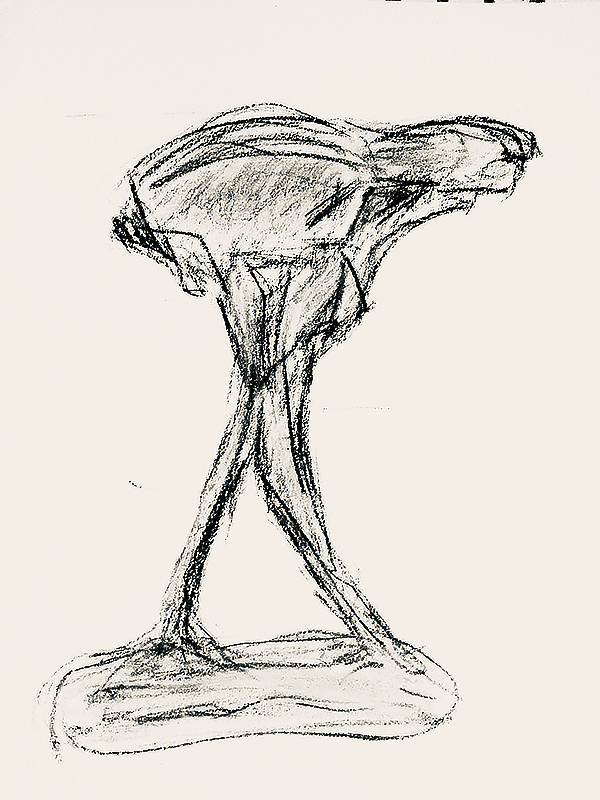
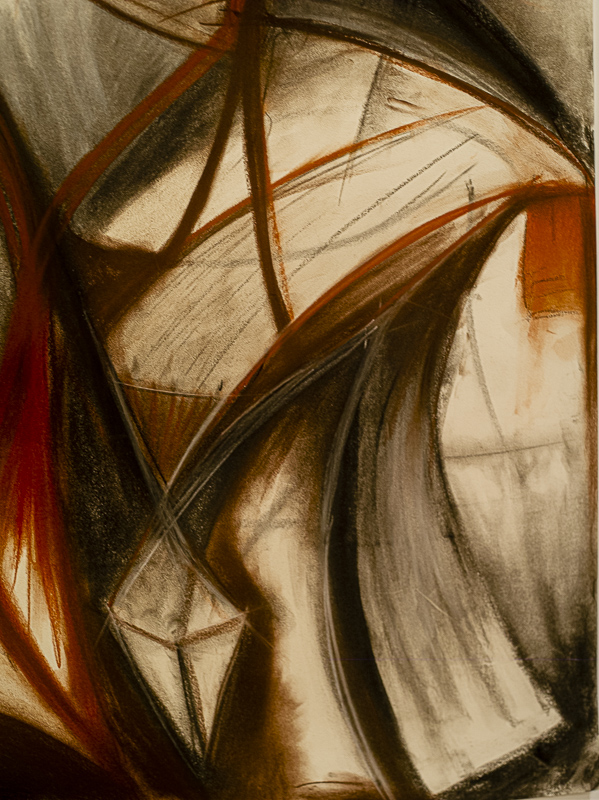
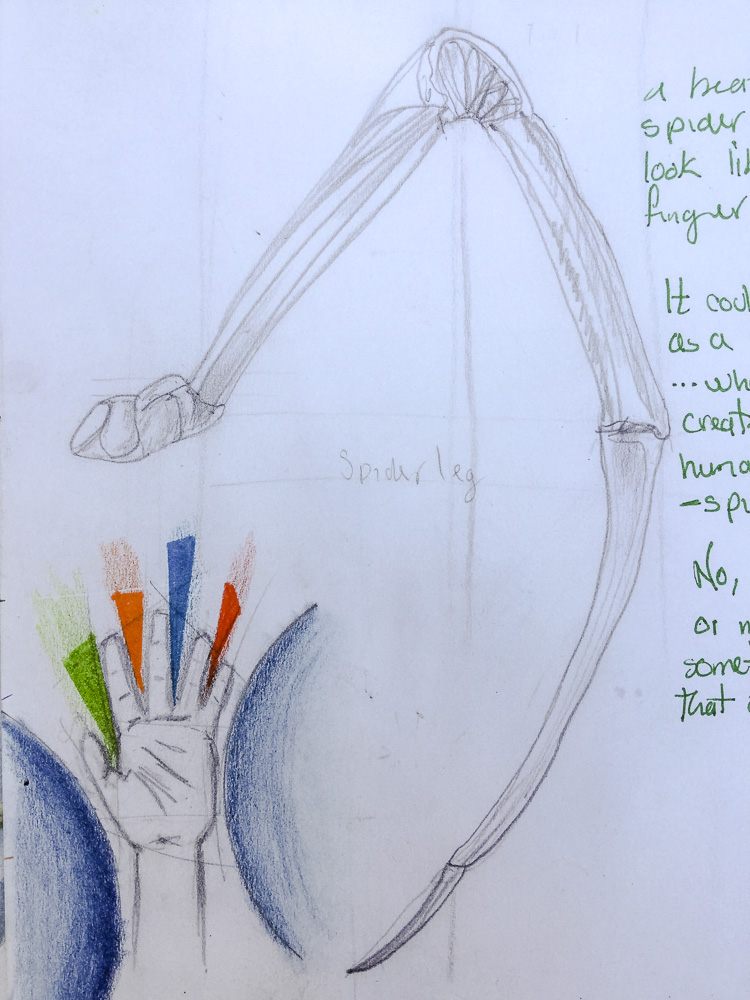
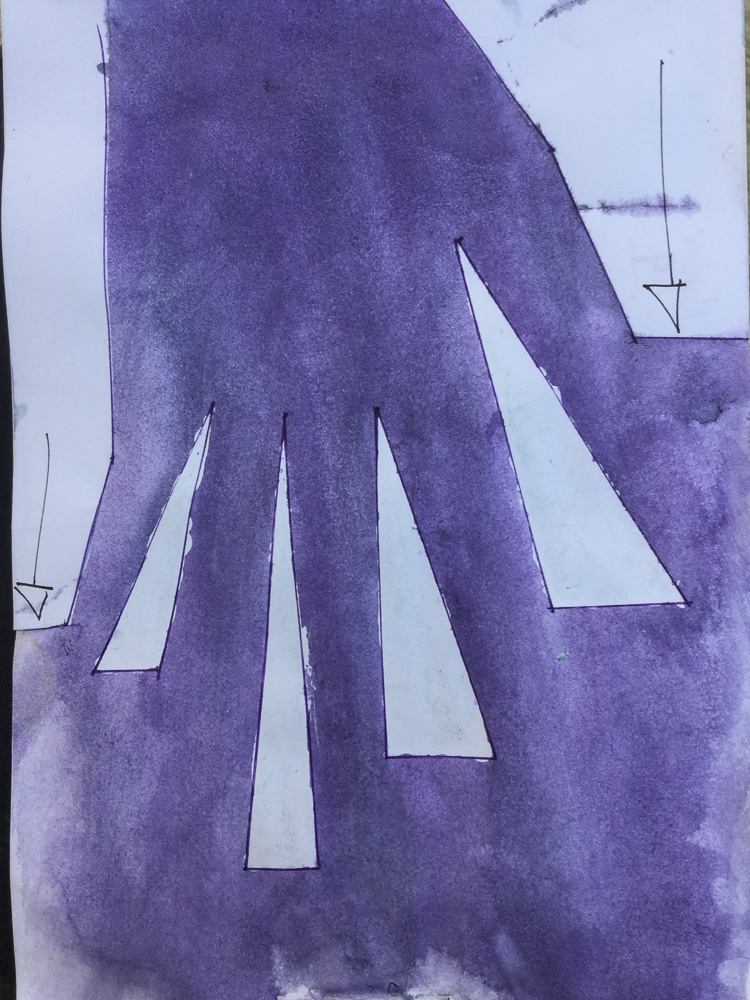
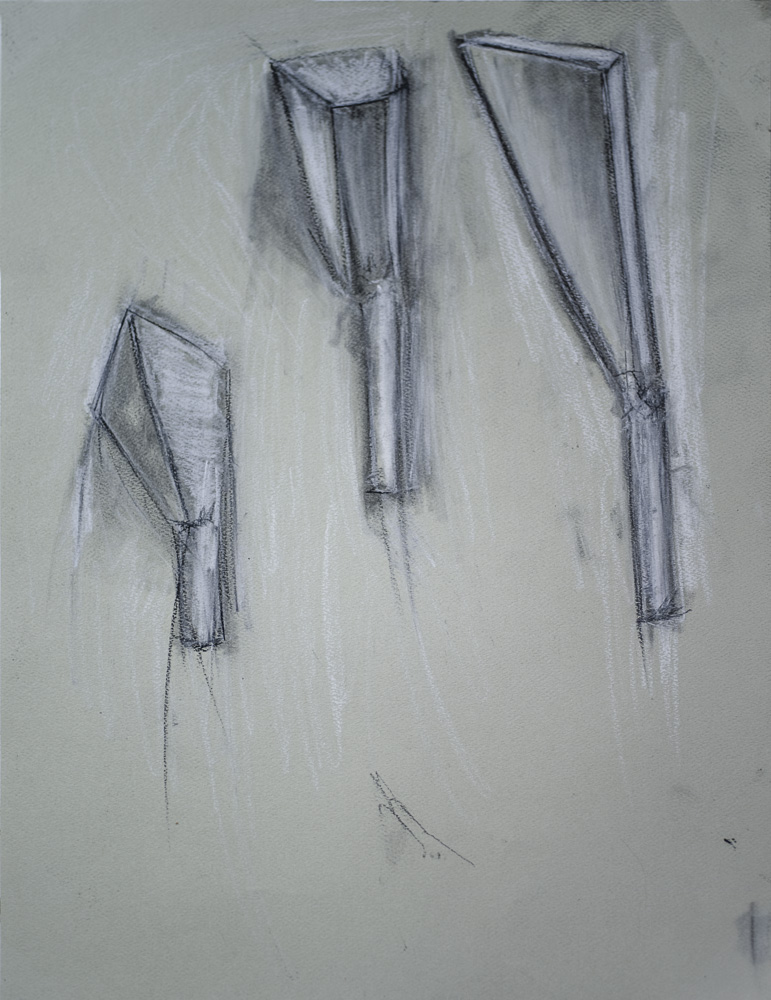
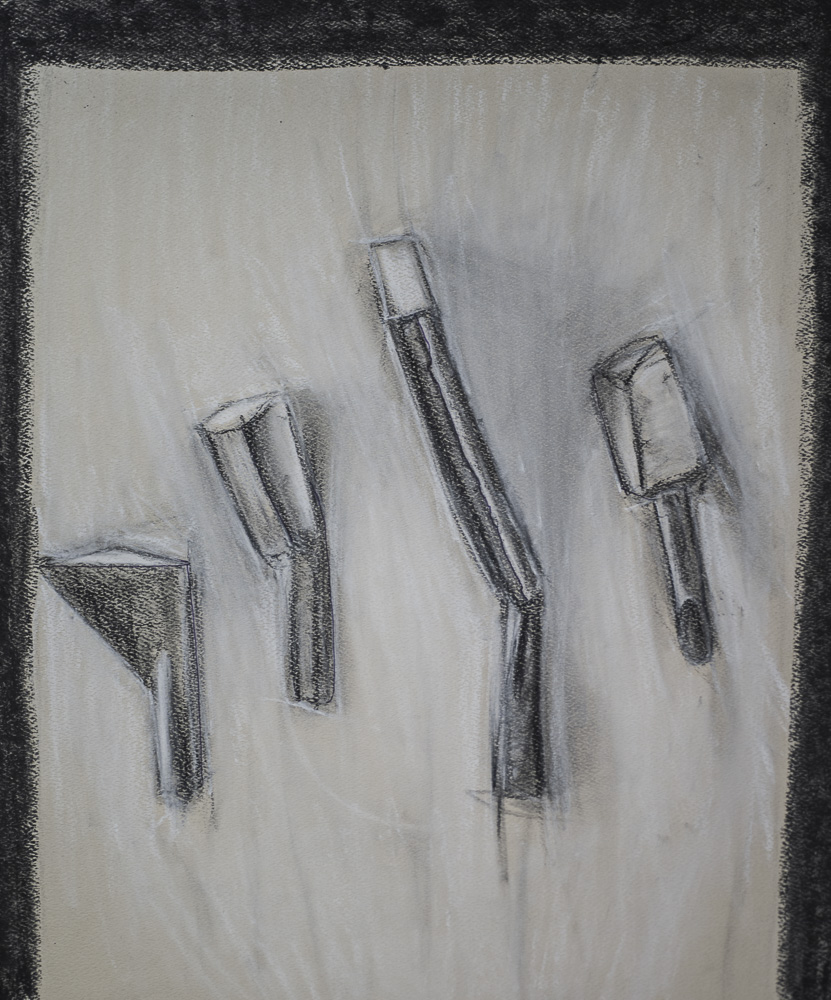
I’m especially pleased with a couple of drawings, see the two below images, I did after the sculptures were done. I think about these drawings as future sculptures to make. They were base on the physical sculptures, but they are entirely different.

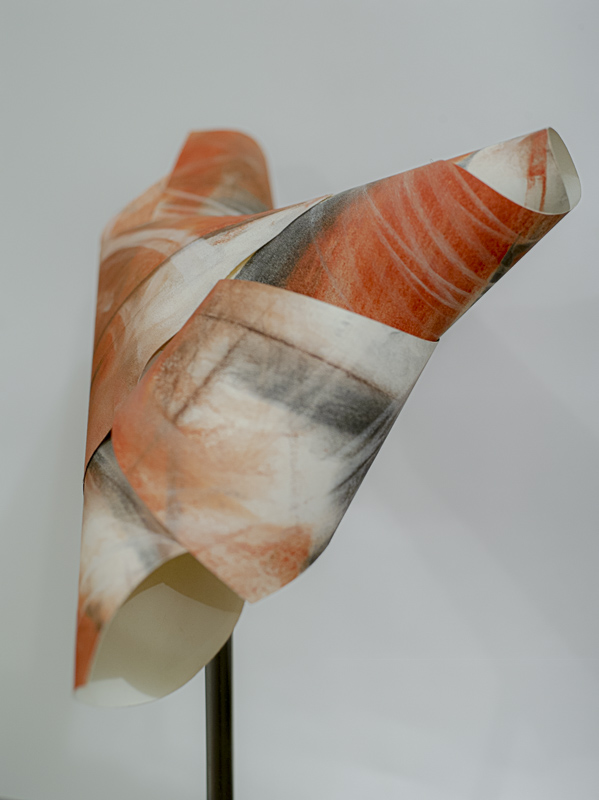
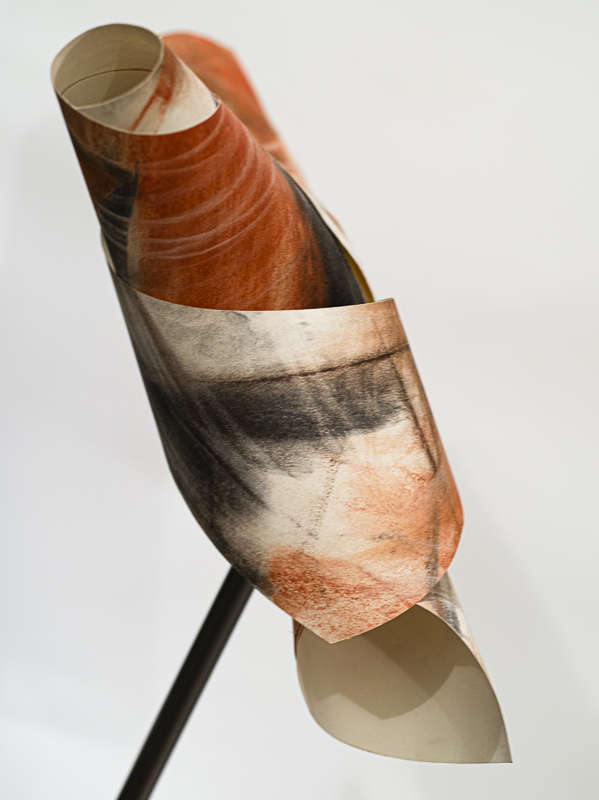
Also, I think I achieve something exciting with the drawing that I later converted into a sculptural form. The relationship between a flat drawing folded into a 3d shape is wild.

How did I demonstrated the use of research techniques in the study of the history of sculpture and its relevance to my own work

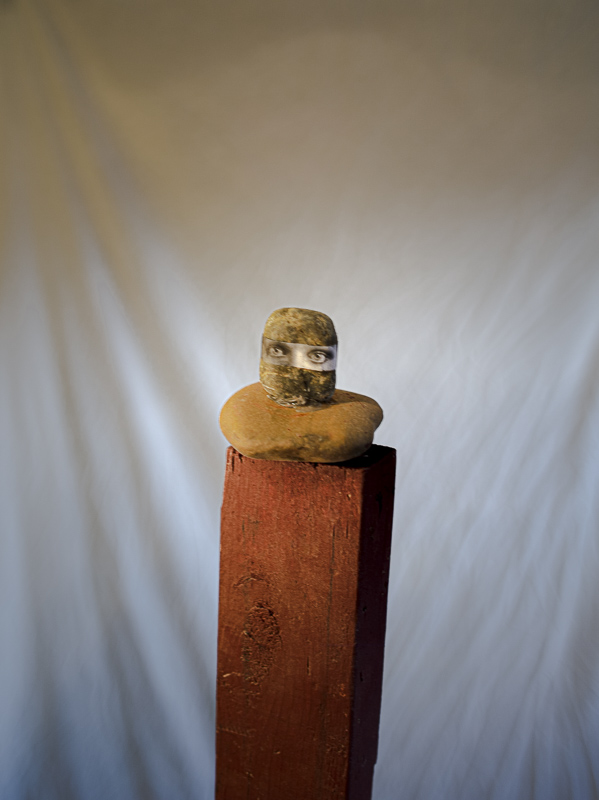
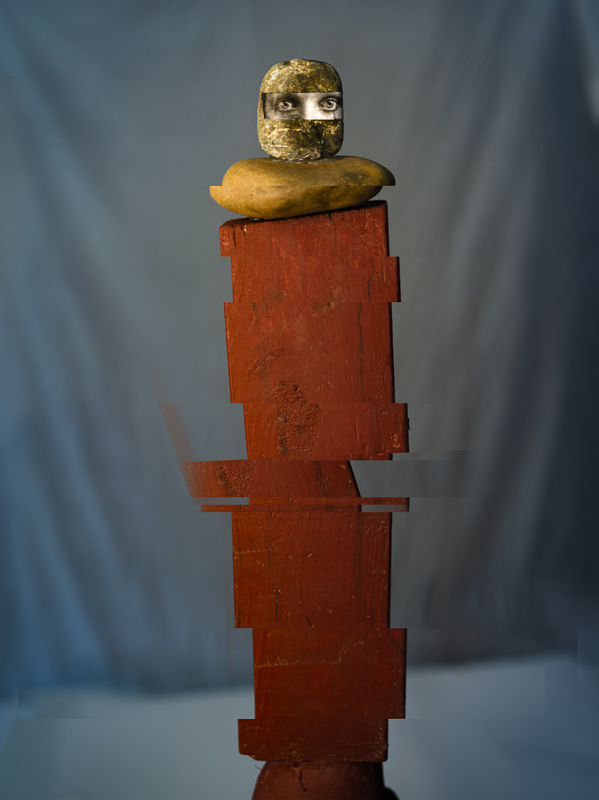
I like to think that the work I did for this module are totemic in a way and even though I played with the influence of Hannah Hock’s works my pieces are constructed not as photomontages but as stacked sculptures.

I made a quick comparison with the work I did with the work of the artists I researched. I did not copy any of this masters intentionally but the likeness are there. The below gallery shows some kind of similar forms, lines, directions, etc among the works.

)

P

Respond to tutor’s feedback

The text in light grey are my tutors comments (Kimberly Foster) and the black text are my answers.

I  would  encourage  you  to  play  more  and  make more  as  even  small  moments  of  making  can  make  considerable  contributions  that enable your  ideas  to  manifest.

Generally speaking, I think that this time I was more playful, creation-wise. It is true that “even small moments of making can make considerable contributions” so much that all the images I choose for the section “Relevant sketches drawings & sculptures” are from those small moments of creation that are game changers.

Therefore,  there  is  an  interesting  simplification  that  happens  in  the outcome  of  the  relief,  by  the  choice  of  how  you  edited  and  cropped  through  the  photograph. Does  this  make  the  outcome  photographic  –  as  the  rest  of the  sculpture  exists  beyond  the image  presented?   

I have been thinking a little bit about this and the answer is yes. The result I produce is completely mediated by the tools I use, and the camera for me is a tool that it is not able to capture the reality as many believe. What it produces is the photographic image that has a life of its own.

There  is  as  you  suggest a  very  different  consideration  between  the  image  and  the  physical  form.  What  do  you present,  when  is  the  work  seen  as  resolved? 

I would present both the photo and the sculpture.

you might play with some more of the ideas that emerge through the drawings and seek other ways of exploring materials. Sometimes you can’t answer everything in one way or in one piece of work, and it is in the multiples or series of experiments that the work emerges

I couldn’t agree more. The following images will be my next experiments; the becoming into sculpture I would say, and then into drawing again.

_
_

List of images

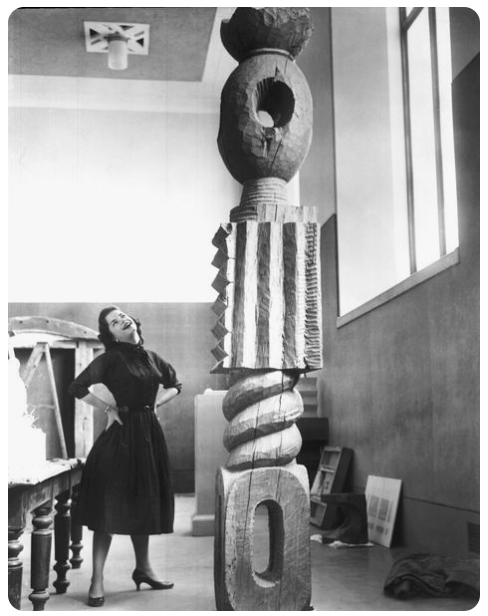
Figure 1. King of kings, (1938) [Sculpture]
 At: https://oceanprimitive.tumblr.com/post/121028935160/philamuseum-throwbackthursday-brancusis (Accessed on 07.25.19)

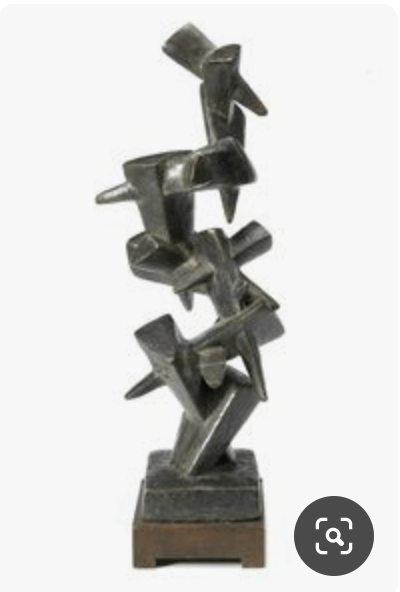
Figure 2. Triangular wedges” (1951) [Sculpture]
At: http://www.artnet.com/artists/jacques-schnier/triangular-wedges-SBEvzAe7t6sVYR3qrywgaw2 (Accessed on 07.25.19)

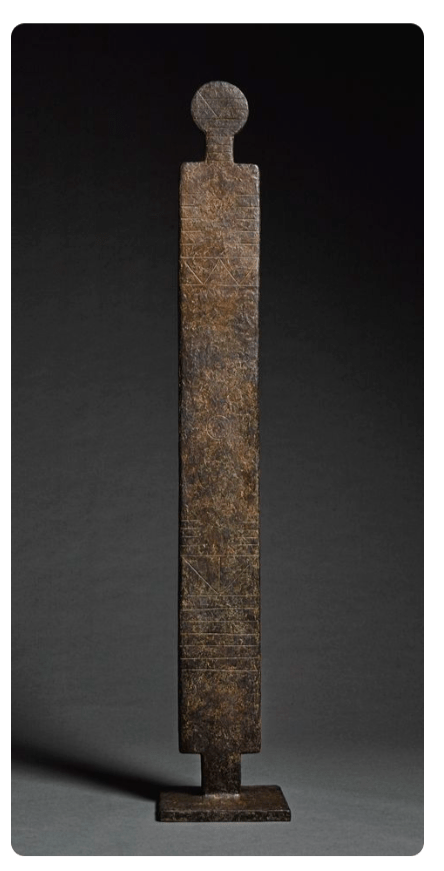
Figure 3. Female figure” (1990) [Sculpture]
At: http://www.sothebys.com/en/auctions/ecatalogue/2017/modern-post-war-british-art-l17143/lot.21.html (Accessed on 07.25.19)

Assignment One

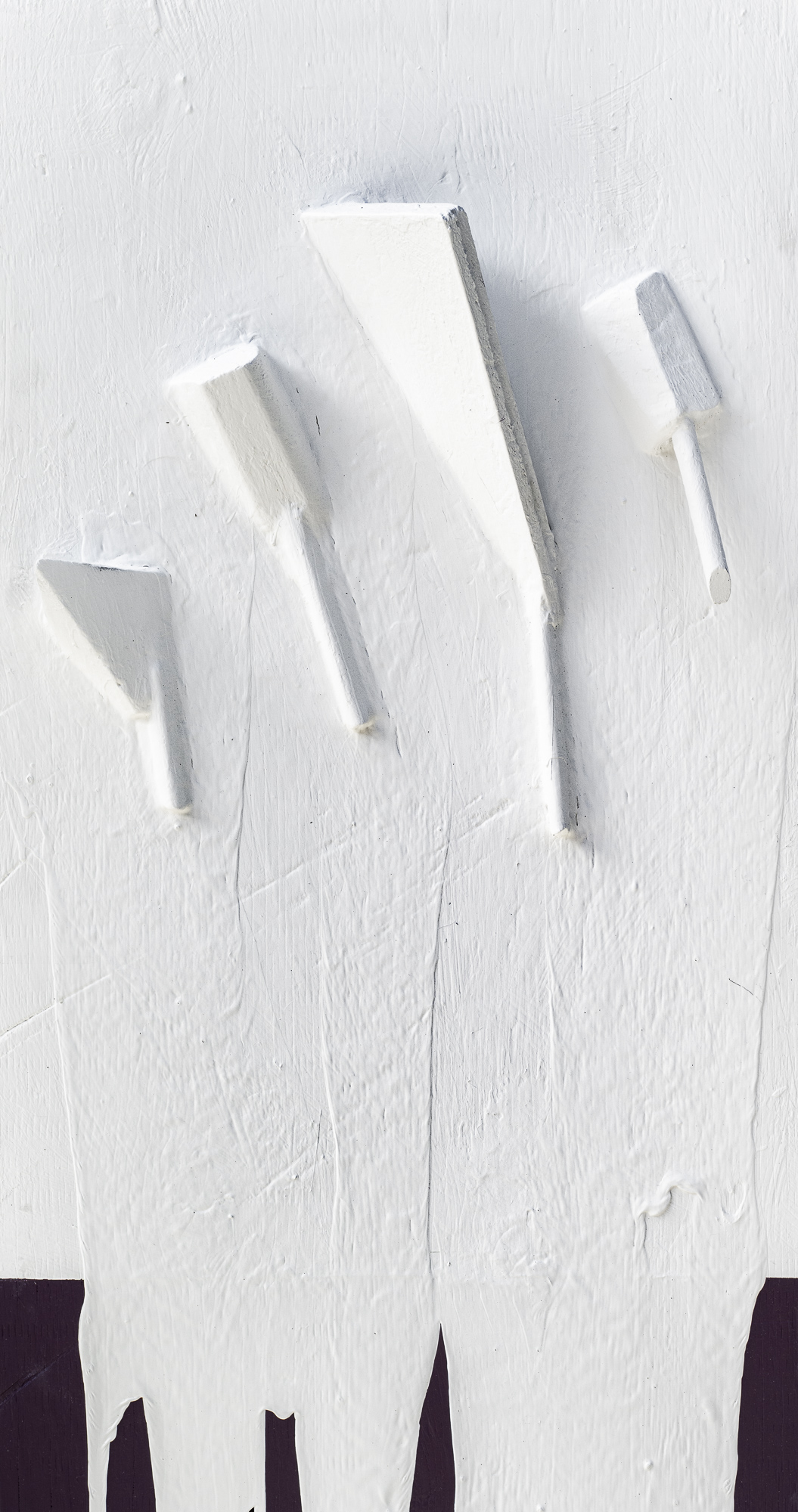
Title: Materialization of a hand
Author: Omar Reyna
Date: 2019
Place of production: Yukon, Canada
Materials: Wood, drywall, white and purple paint
Technique: Relief sculpture
Dimensions: 90cm by 1.5 m.

As a form of conclusion

In the end, the photograph above shows which part of the lower section of the sculpture made it into the final. As I explained in the Coursework Part1, in the last two sections of the document, I was having doubts about what to do with the lower part of the wood board. I must admit that I haven’t made any physical cut to the sculpture to reduce its length documented in the photograph. This reminds me of the relationship David Smith has with photography and perhaps like him, my sculpture’s picture is not a neutral document but an independent image in its own right. (Hamill, 2015:2)
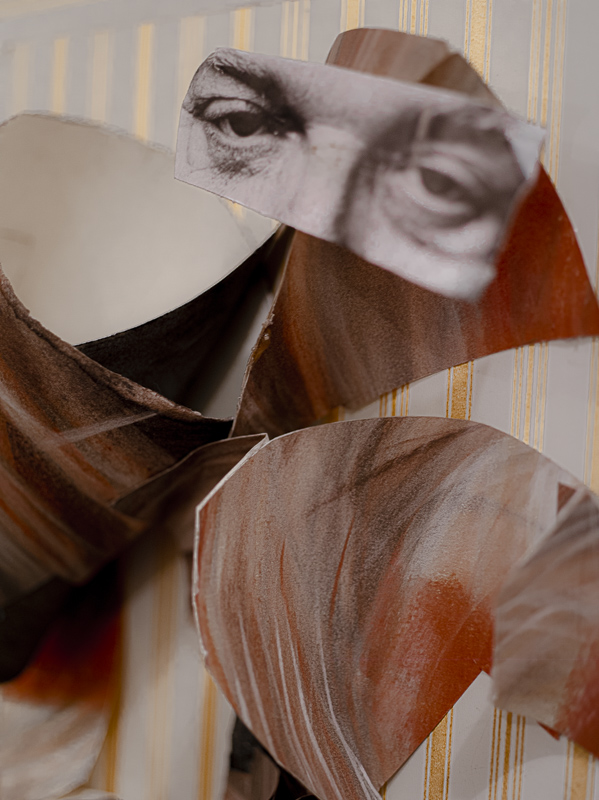
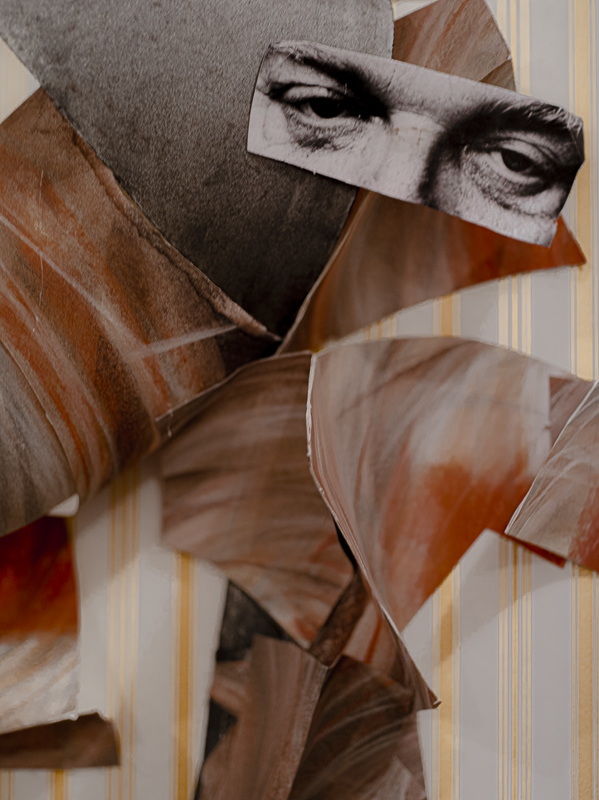
This project still has some future. I need to review it later during the course, to see what I’ll be able to do with the newly acquired knowledge. Or if I decide to let it be seen as is in its official photo. On the other hand, I feel very comfortable with the results of this sculpture. I think that it looks good I have a sense that I accomplished something like kind of a mini-break trough, generally speaking.

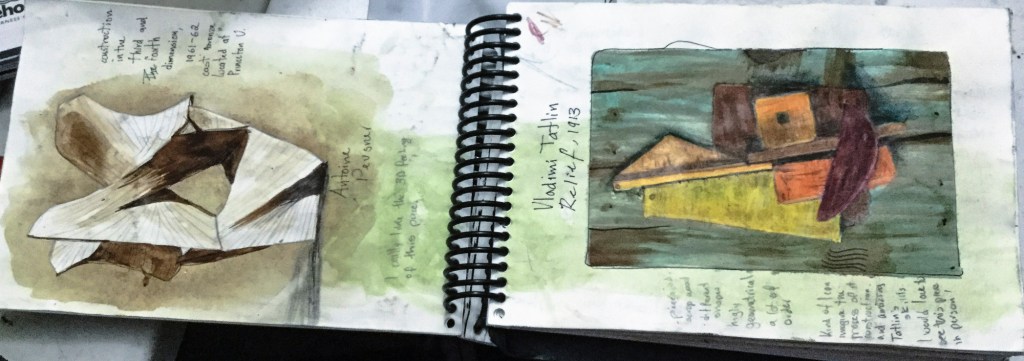
If I have to say who was the most significant influence of all the artists researched, I would say Vladimir Tatlin. I’m glad, Tatlin was one of my top 3 artists in the initial research.

Items include in this assignment

Relief sculpture documentation (Project 1)
Open-space construction documentation (Project 2)
Research (Part One of the course)
Relevant sketchbook pages (in this document)
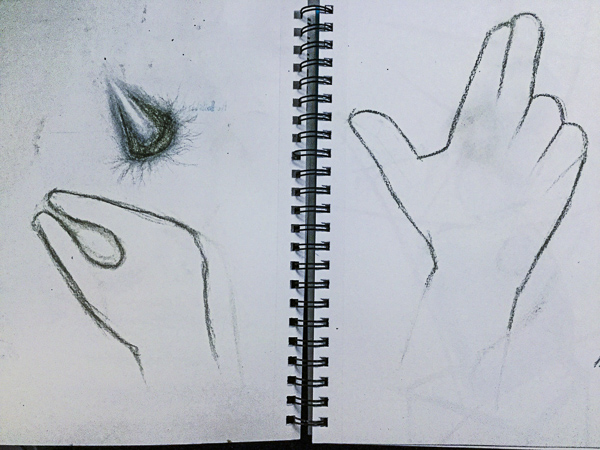
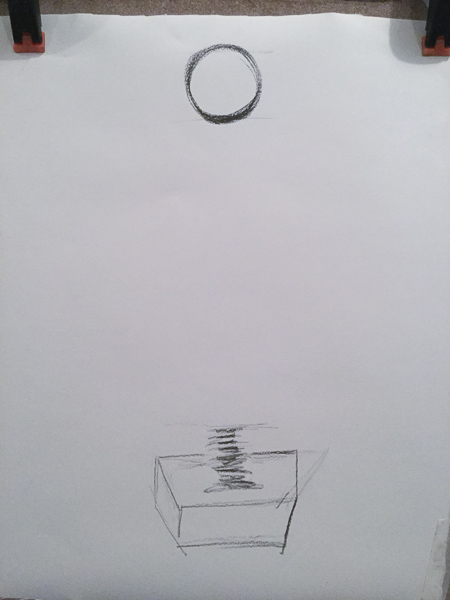
Preparatory Drawings (in this document)
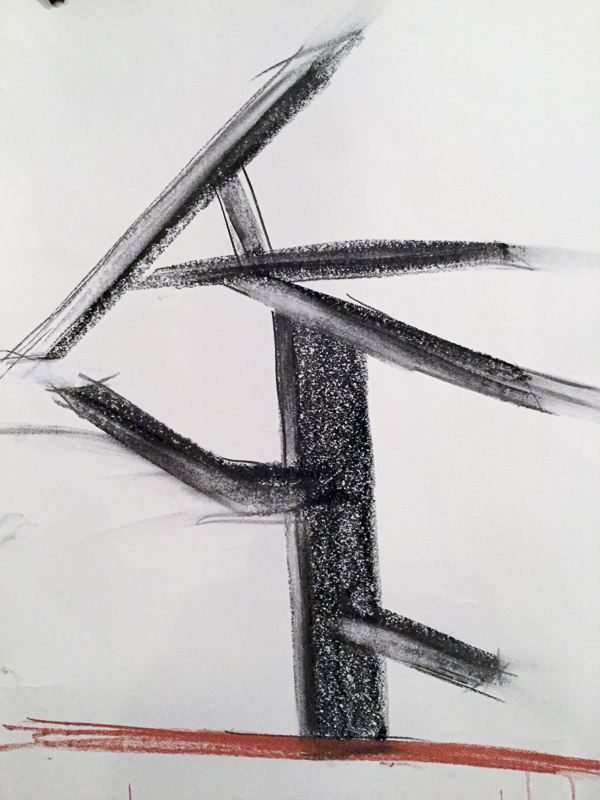
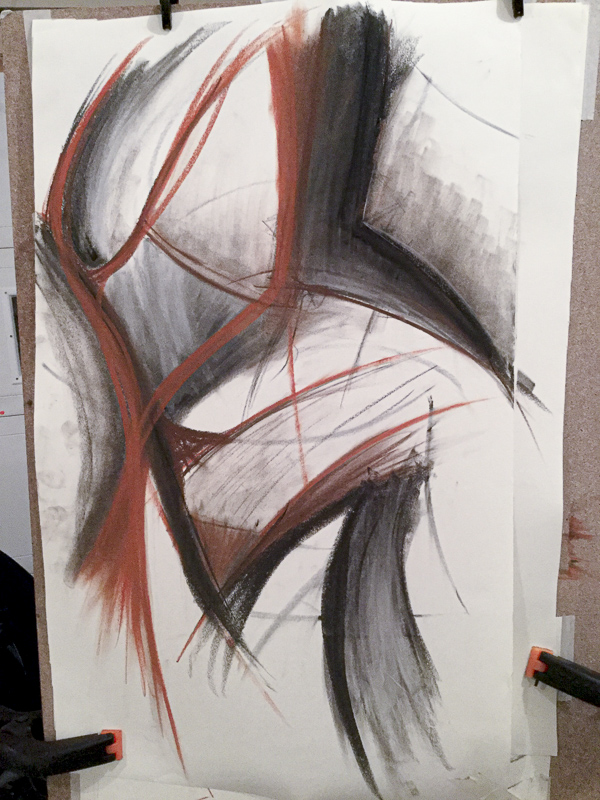
Tonal Drawings (in this document)
Self-assessment (in this document)

Relevant sketchbook pages

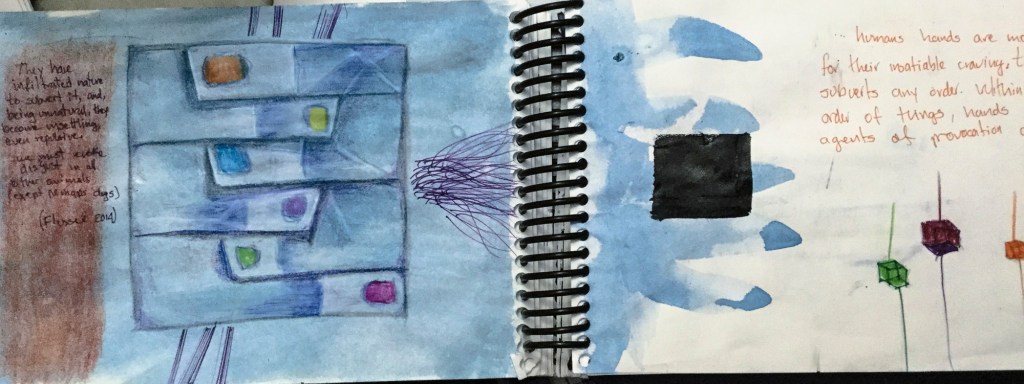
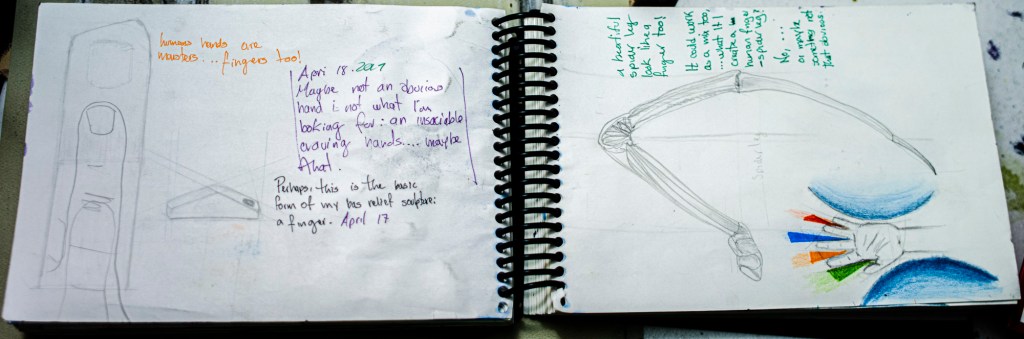
Below, relevant Pages of the first research exercise on chapter 10: Assignment – research trail of An Introduction to Studying in HE

Preparatory drawings

Tonal Drawings

Other photographs with different light conditions

Self-assessment

How did I use a range of techniques to create a skilful and effective sculpture?’

I think one of my strengths is that I’m able to work with what I have, and that allows me to be free of preconceived rigid ideas. I found everything that I needed in the garage of my house, objects, and things were limited at first glance, but it is impressive the number of things one can keep throughout the years besides the recycling bins of for different materials: plastics, tin cans, paper, etc. Therefore constructing something out of so many rubbish we produce it was not a difficult thing. Planning, researching, and drawing, were the basis of the creation of my sculpture, along with, experimentation.

How did I use construction techniques involving a variety of media and tools?

Even though I’m not exactly a handy person, I was able to manage the construction part with decent results. My limited knowledge of materials and tool significantly increased with the creation of the two sculptures. Something that I really liked during the construction of the relief sculpture was to use of drywall to create the illusion of unity in my piece.

How I developed basic skills in drawing and used those drawing to develop my ideas

Building a sculpture having as a reference a drawing is a fascinating process: what is in the paper it is not always easy to translate into a physical object. My drawing skills are just ok and good enough for this kind of process; however, next timeI’m going to use a bigger piece of paper for my sketches.

How did I demonstrated the use of research techniques in the study of the history of sculpture and its relevance to my own work

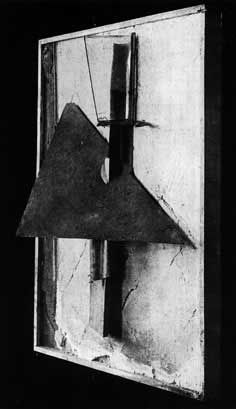
Figure 1. Vladimir Tatlin, “Counter-Relief (Material Combination),” (1914)

First of all, I have to say that I think my relief sculpture is totally Tatlin. The resemblance of my piece with Fig 1 depicting a relief-sculpture of Vladimir Tatlin is undeniable. Perhaps because the significant triangular element in the middle, however, the intention behind my piece is totally different from the counter relief of Tatlin.
But besides this comparison of works what I really liked was that I was able to use some of my previous research as an inspiration to build my sculptures and at the same time let myself be influenced by the work of the researched sculptors.

.
.
.

Bibliography

Hamill, Sarah (2015) David Smith in Two Dimensions: Photography and the Matter of Sculpture. California: University of California Press

List of Images

Figure 1. Counter-Relief (Material Combination),” (1914) [Sculpture] At: https://www.artbook.com/blog-at-first-sight-tatlin.html (Accessed on 05.15.19)