
Items include in this assignment
.
on this post
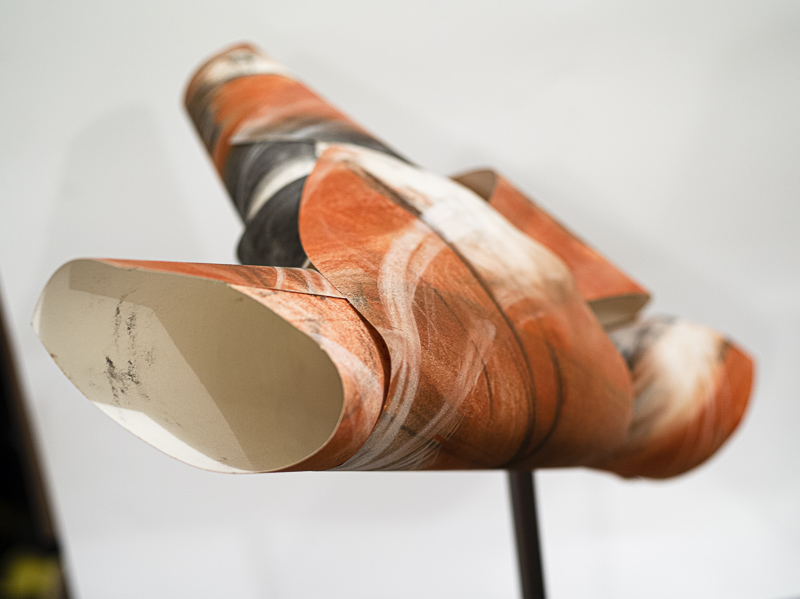
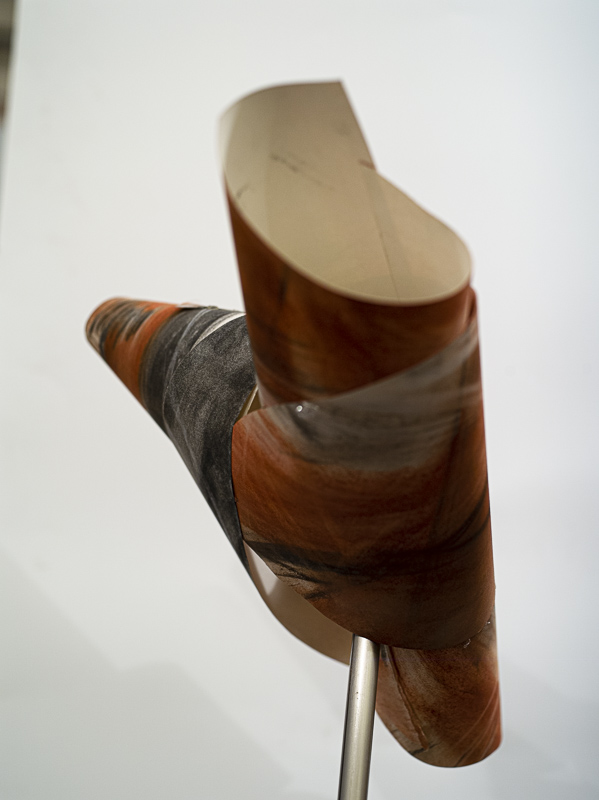
Two large sculptures
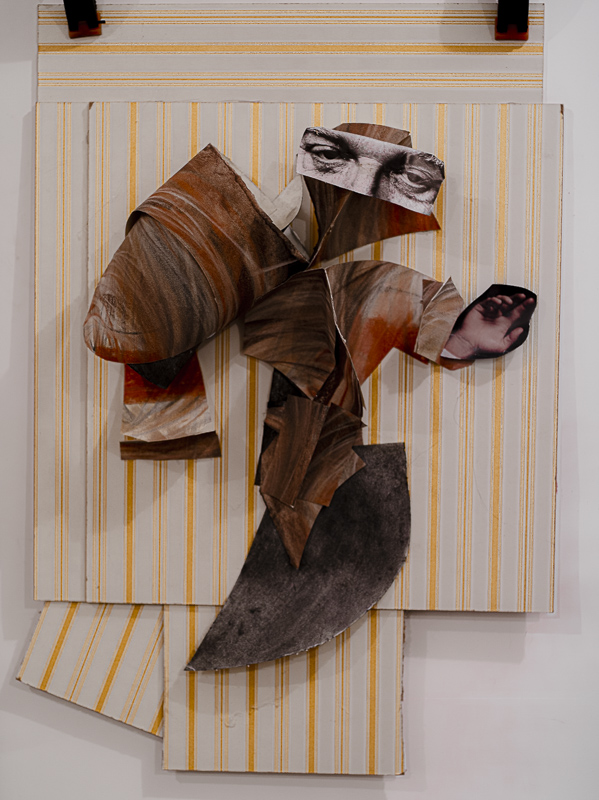
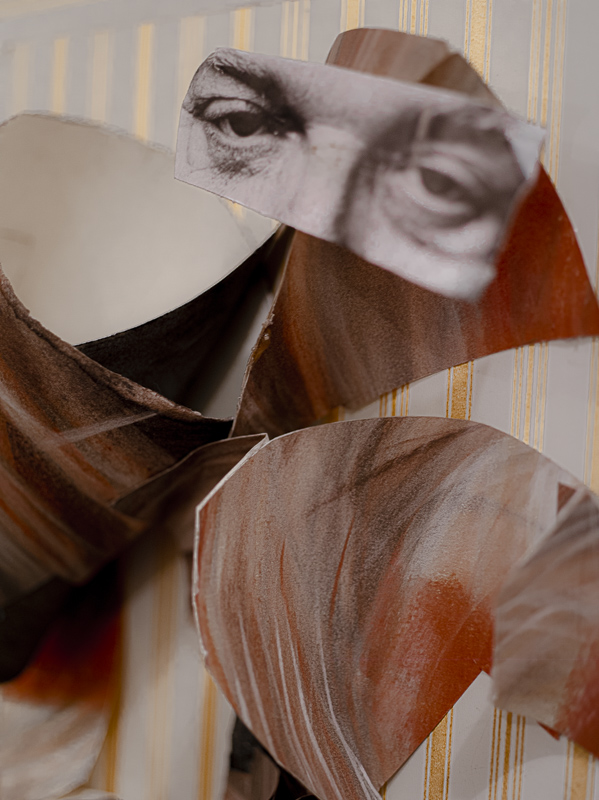
Four small sculptures
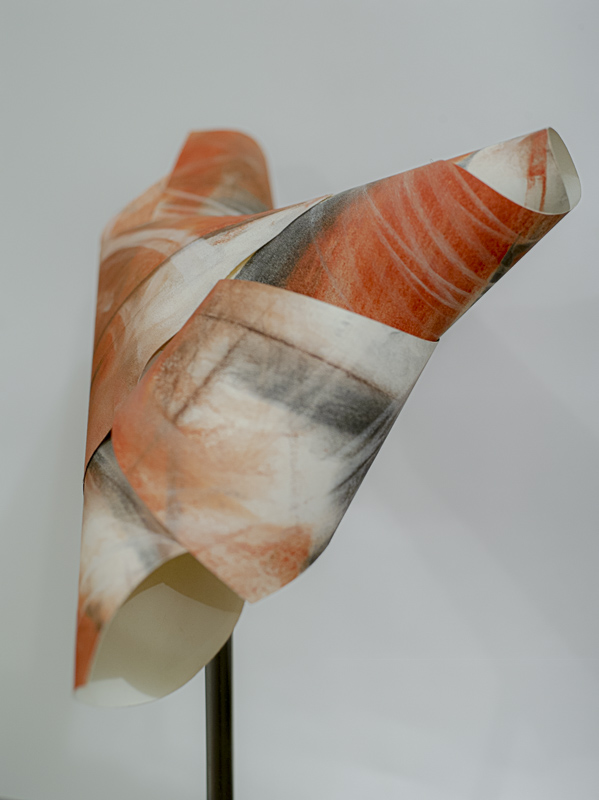
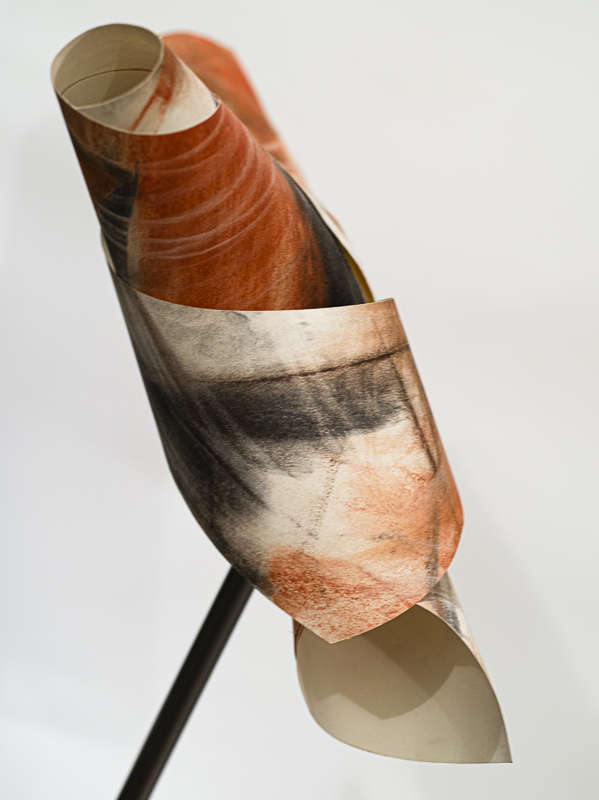
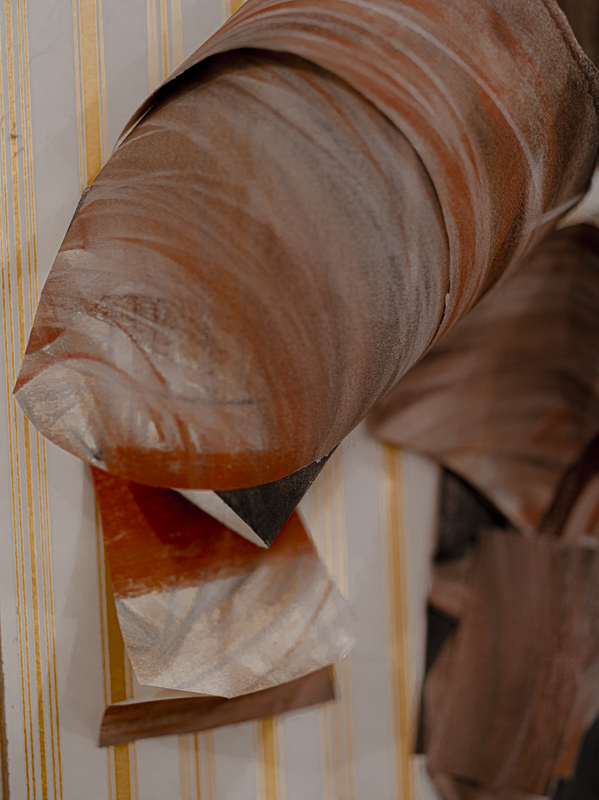
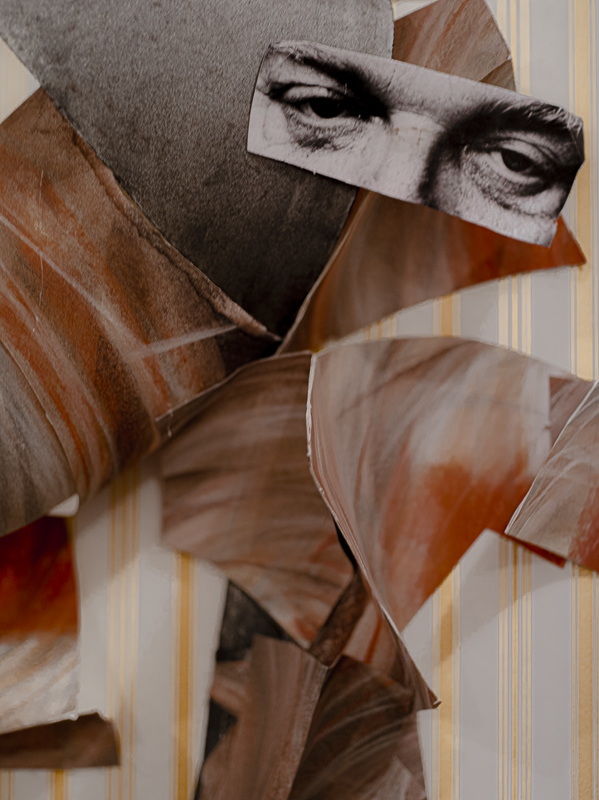
Two sculptures made from drawings
Moments of creations: Relevant sketches drawings & sculptures
Self-assessment
Respond to tutor’s feedback
.
on other post
Documentation (Project 3)
Drawings (Project 4)
Research
Seen Sculptures
.
Two large sculptures
Shape shifting
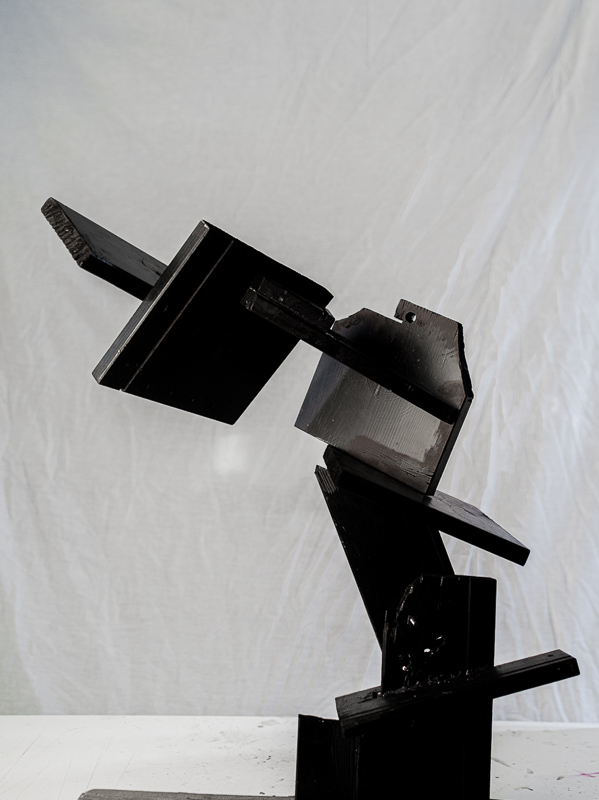
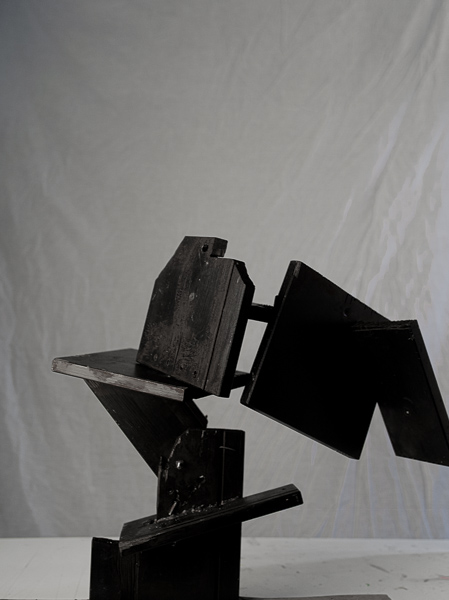
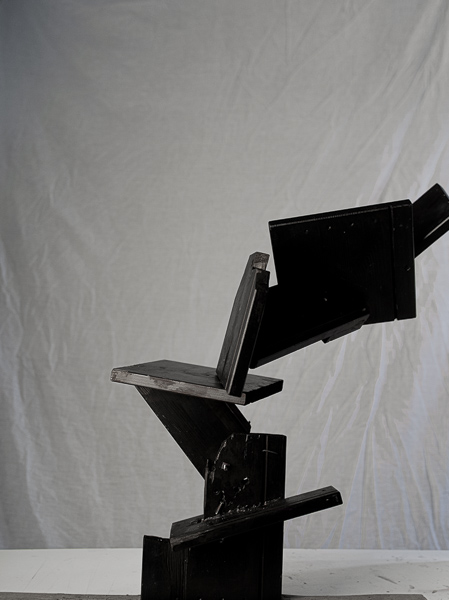
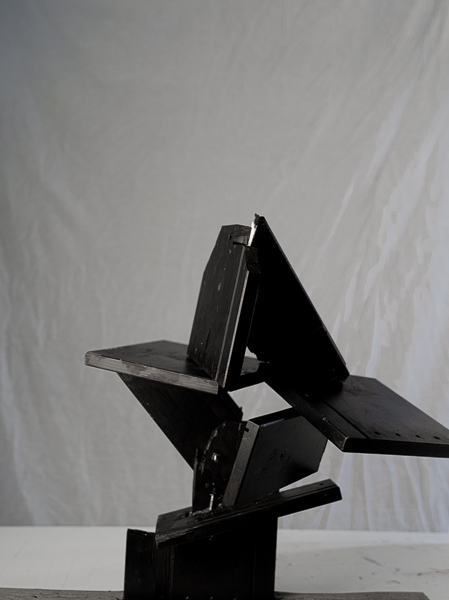
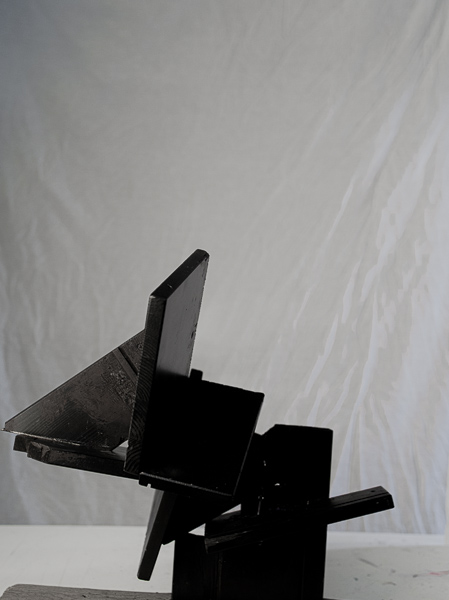
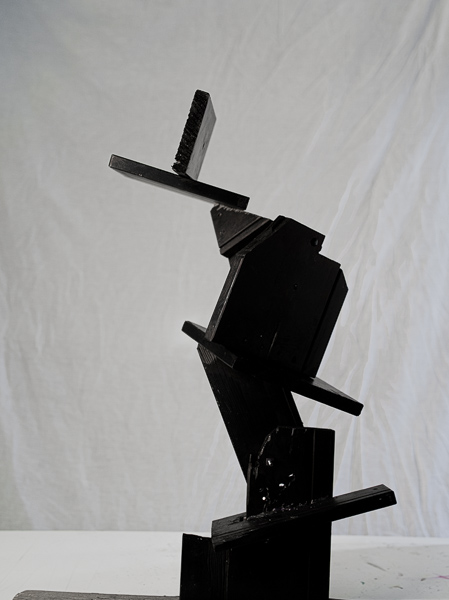
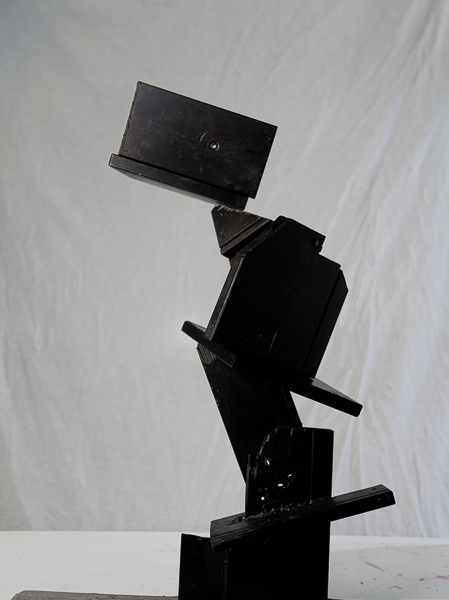
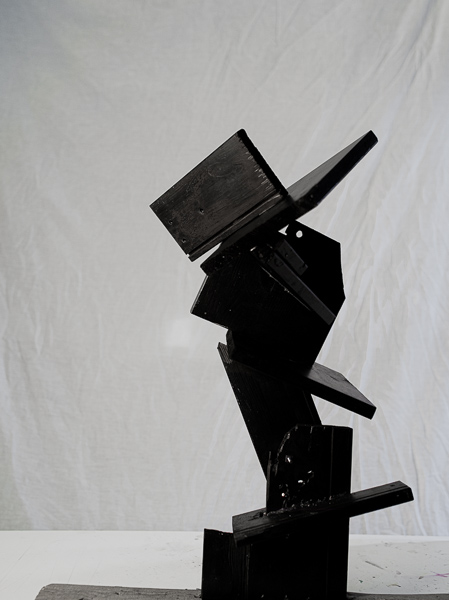
Sound waves
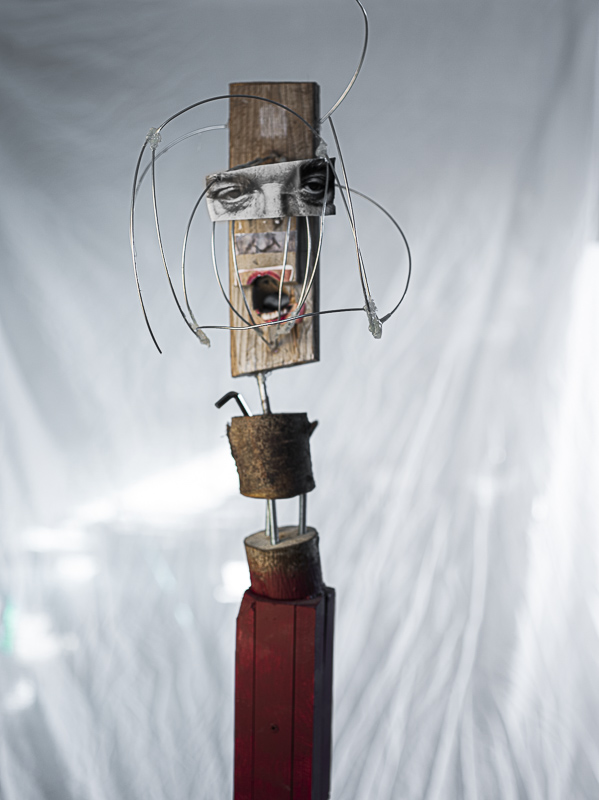
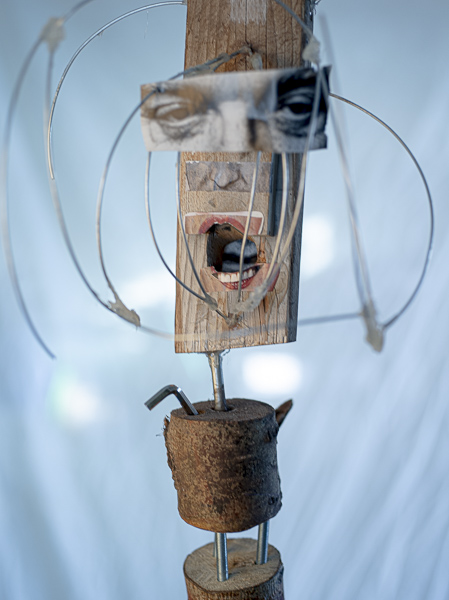
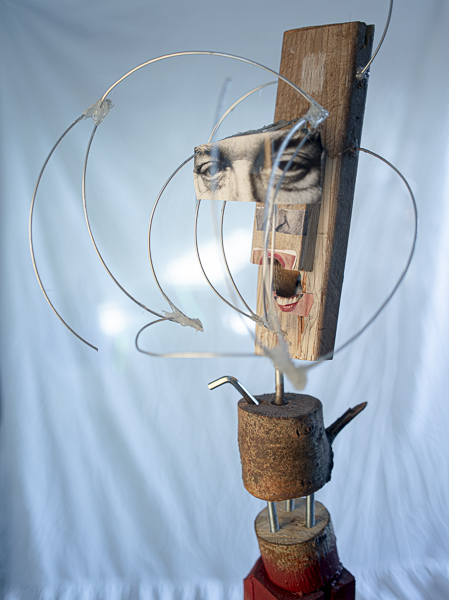
Four small sculptures
Materialization of a Hand III
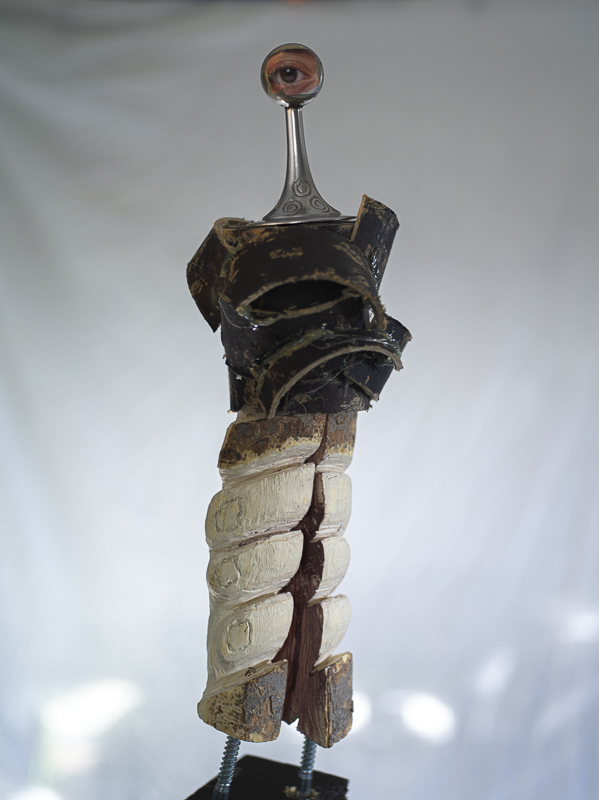
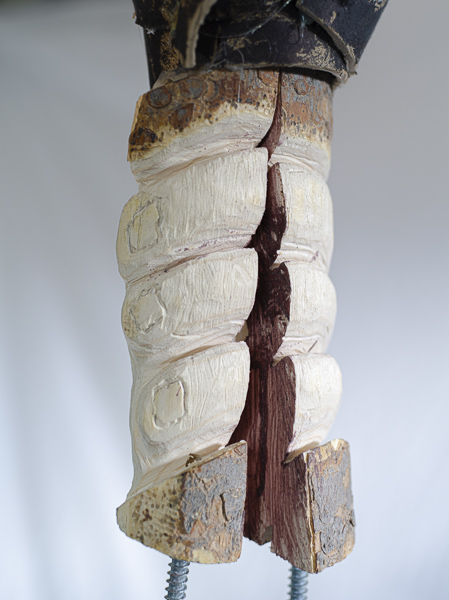
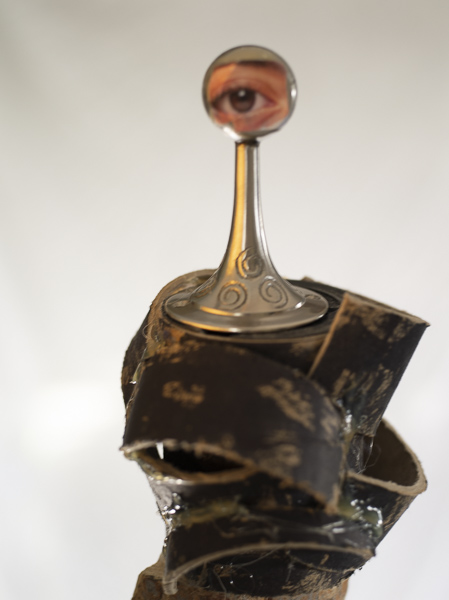
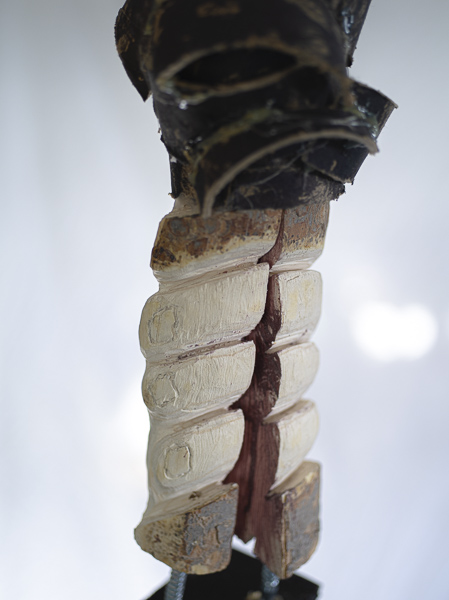
Spring moving sculpture
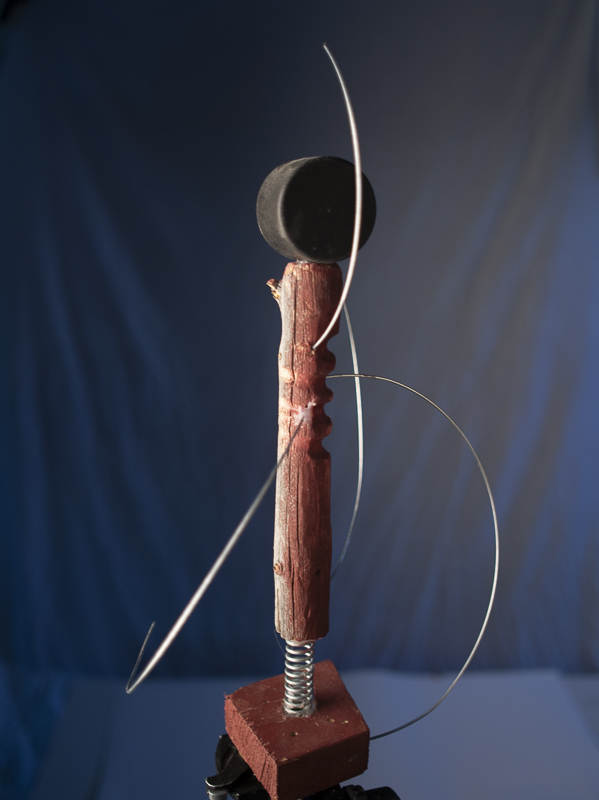
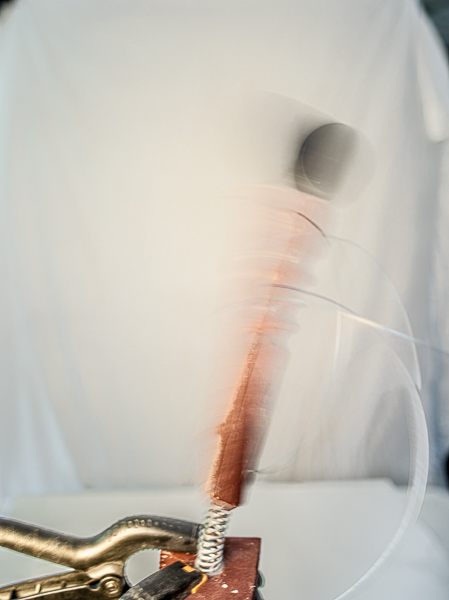
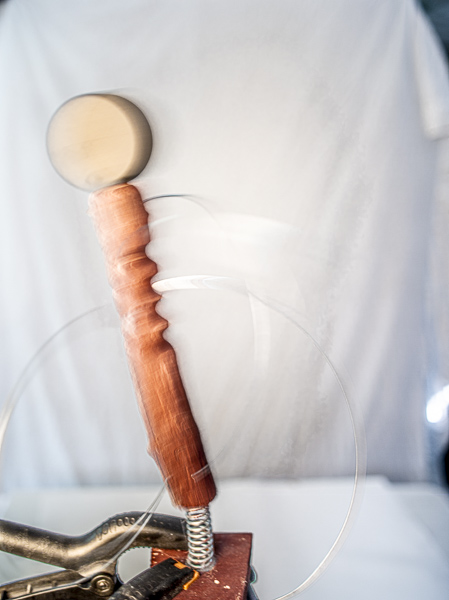
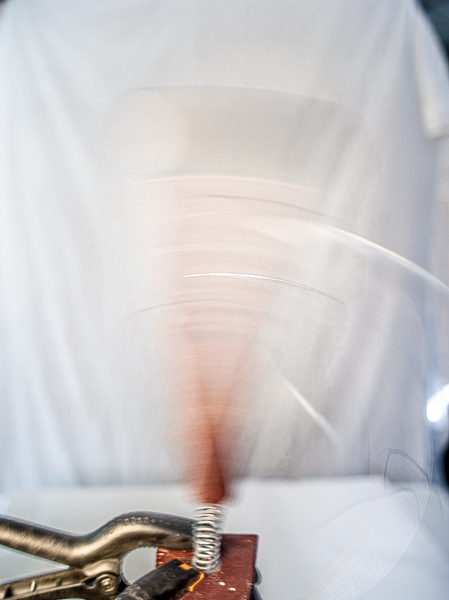
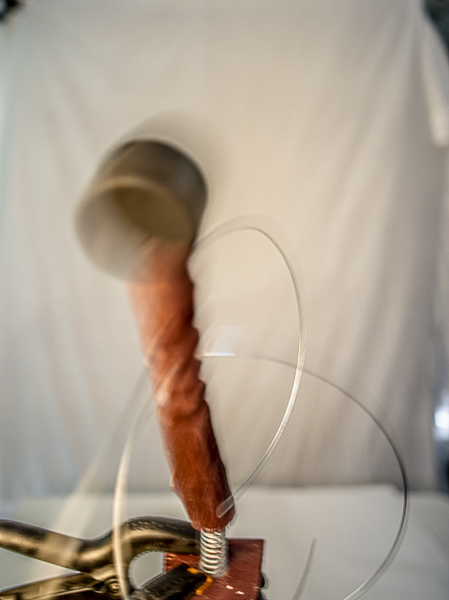
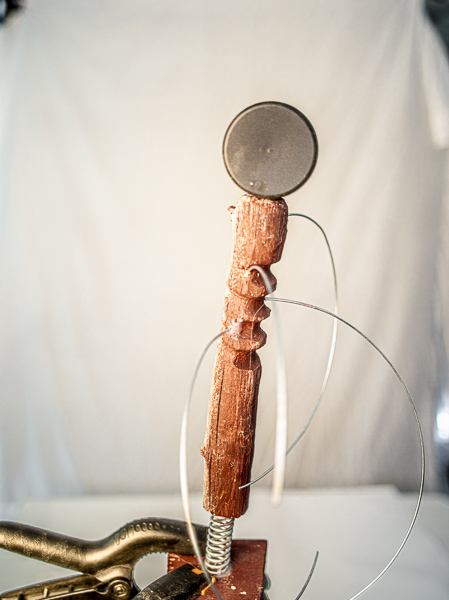
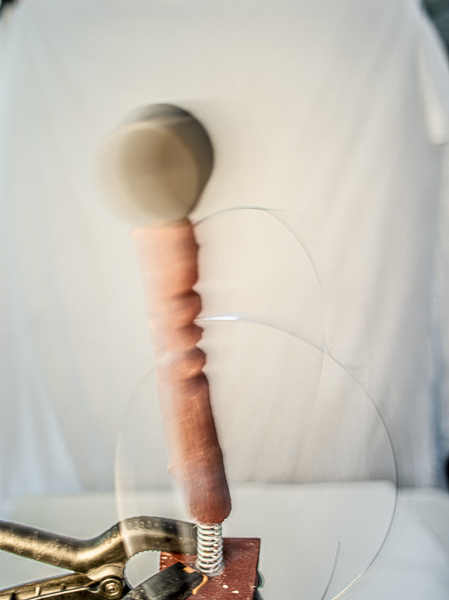
Inunnguat
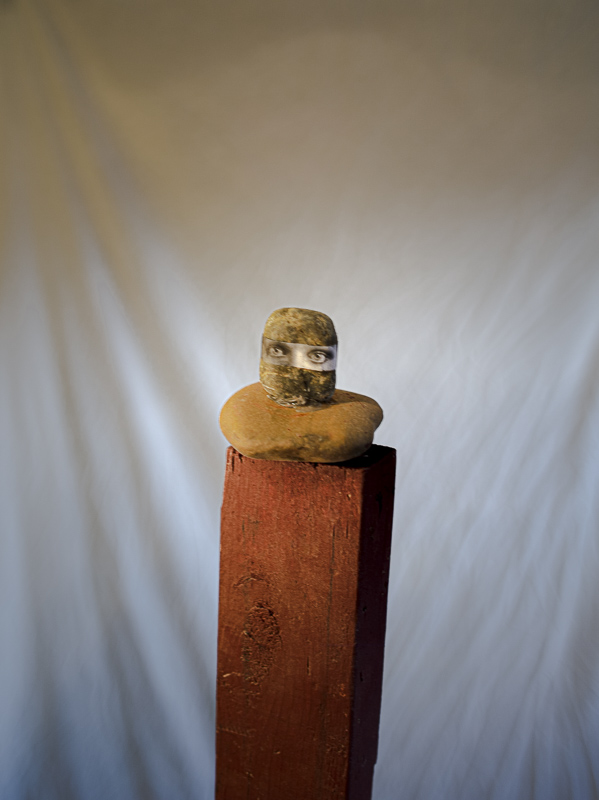
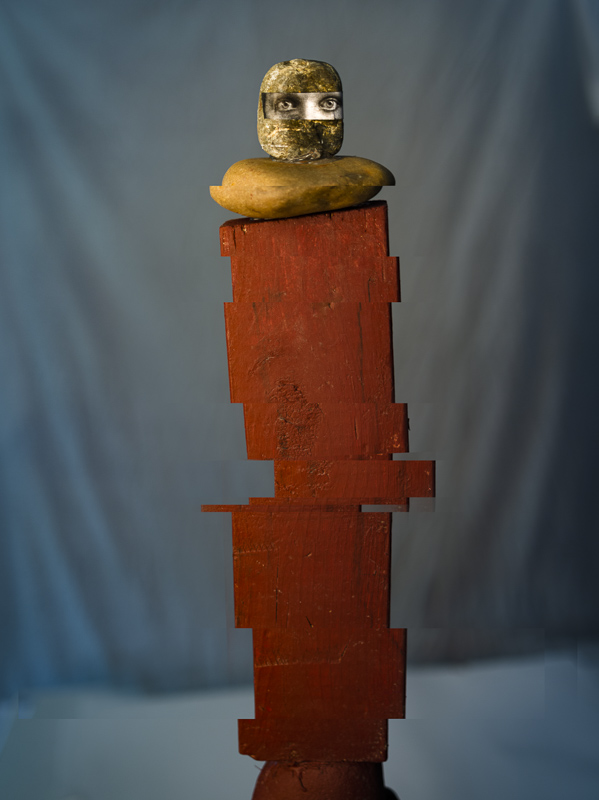
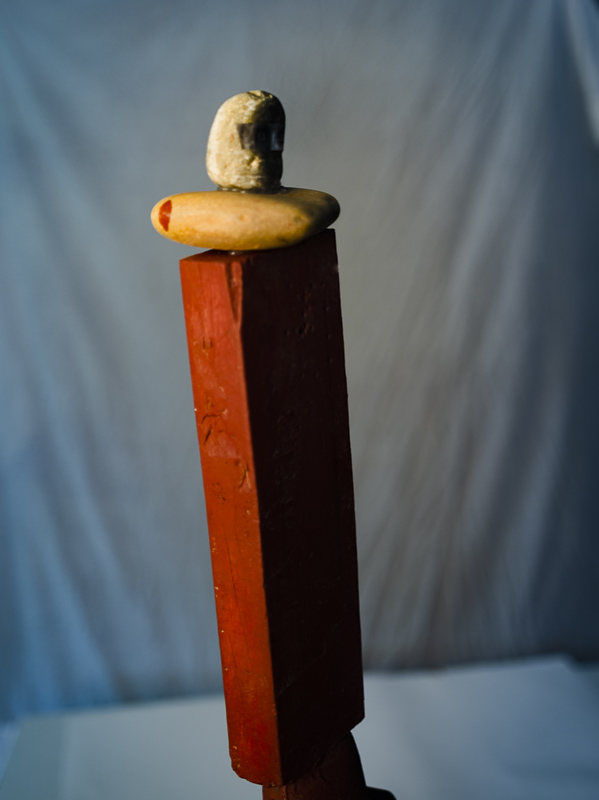
Toy sculpture
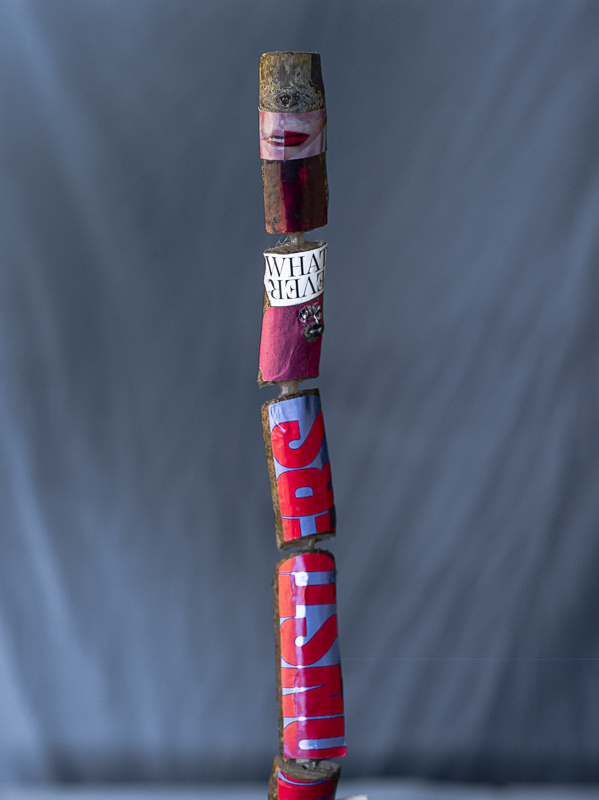
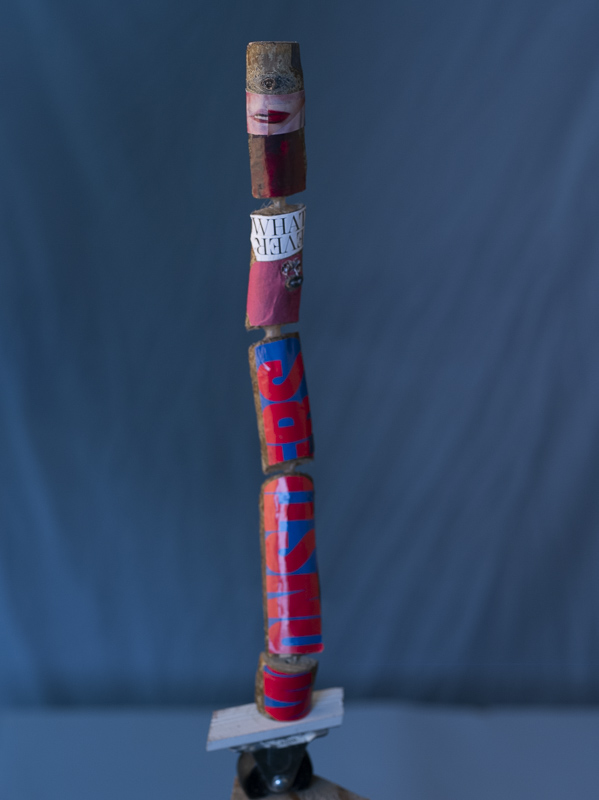
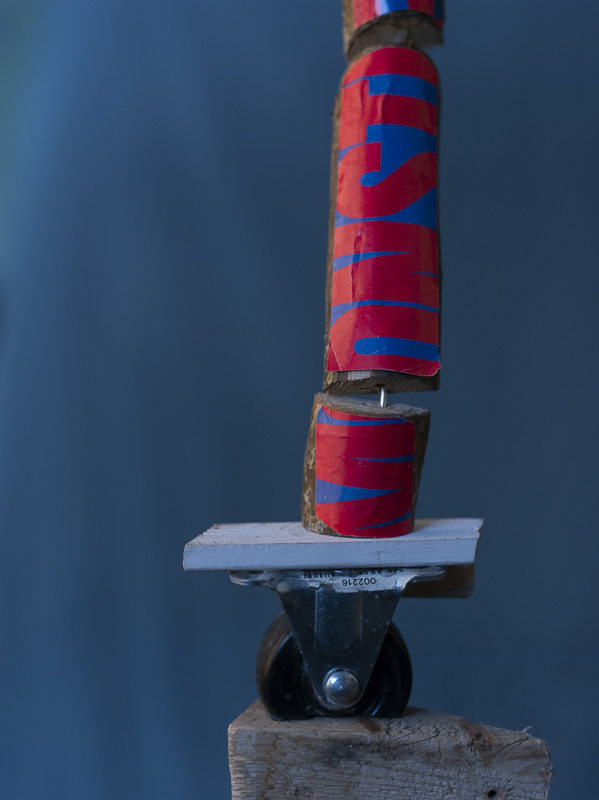
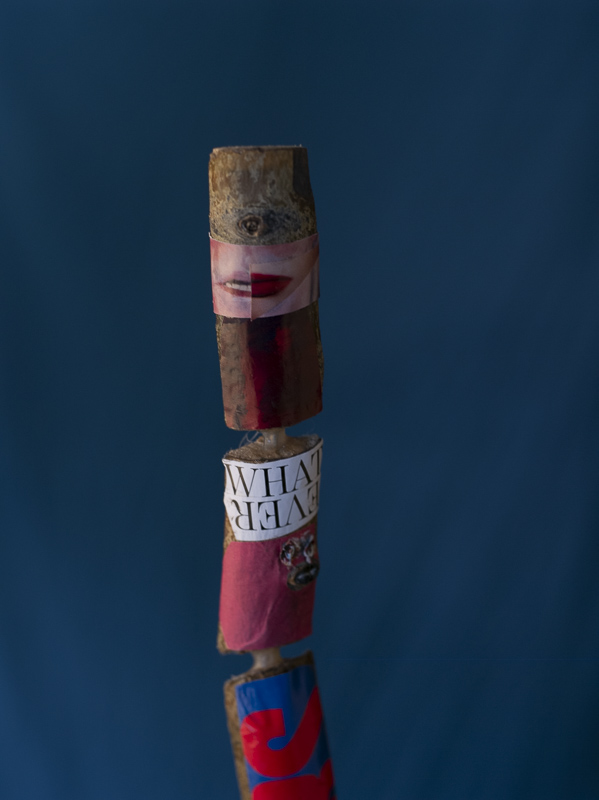
Two sculptures made from drawings to a sculptural form.
9
9
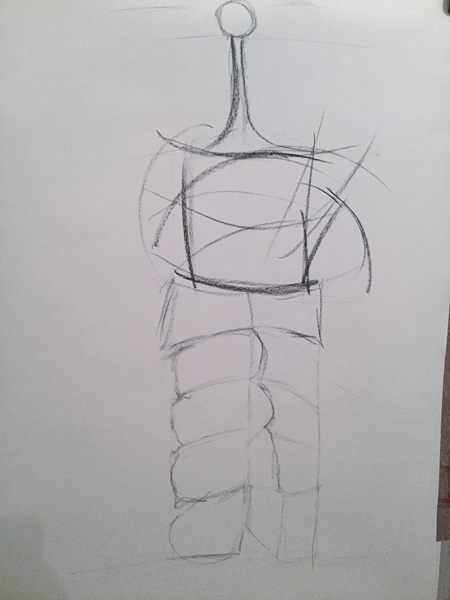
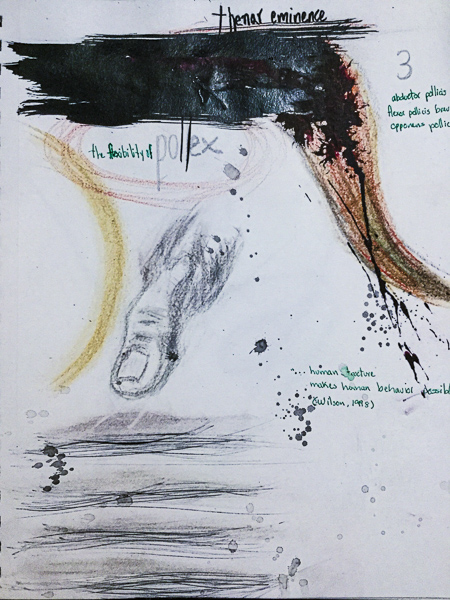
Moments of creations: Relevant sketches drawings & sculptures
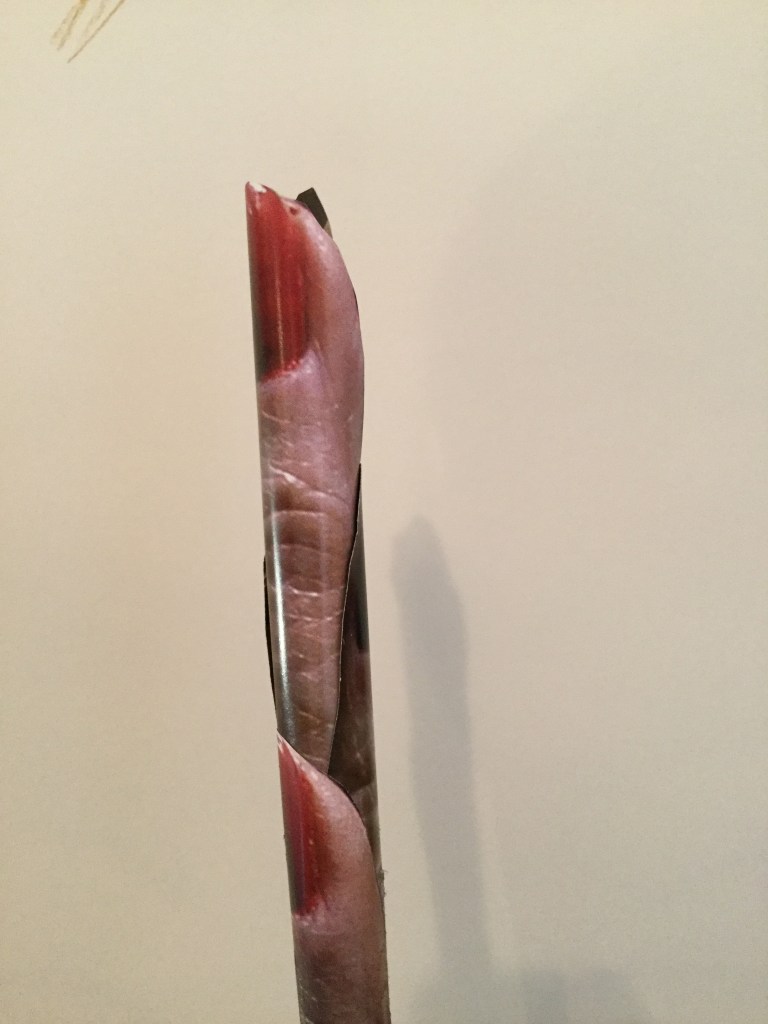
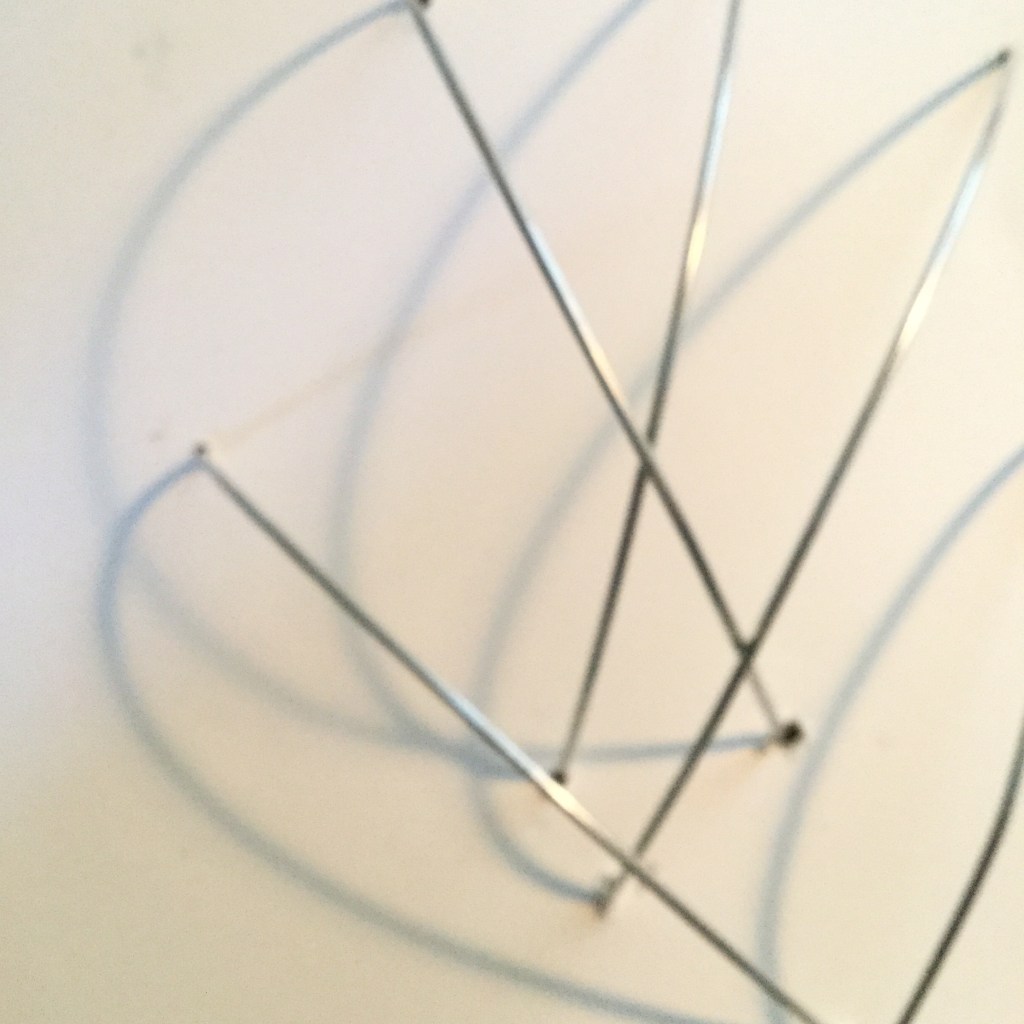
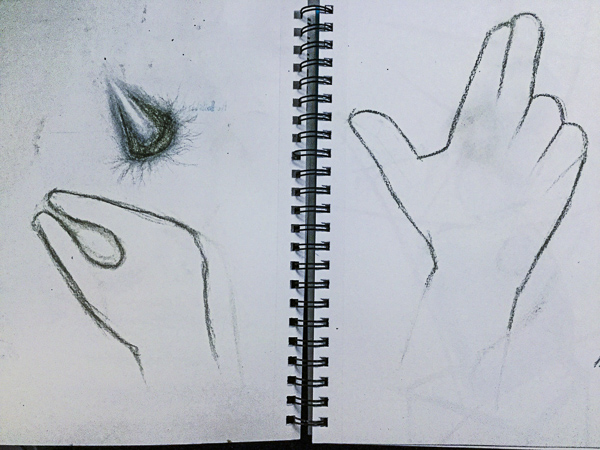
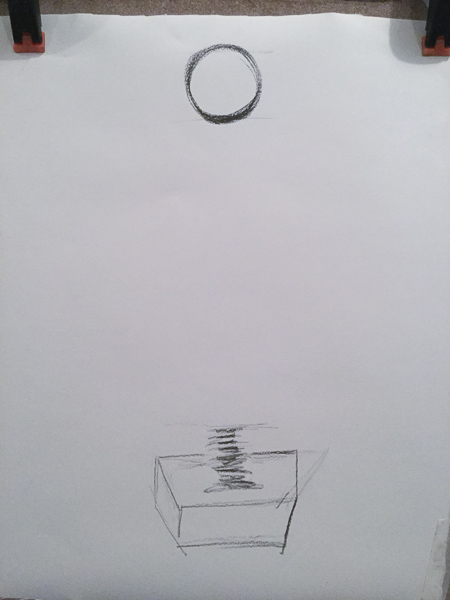
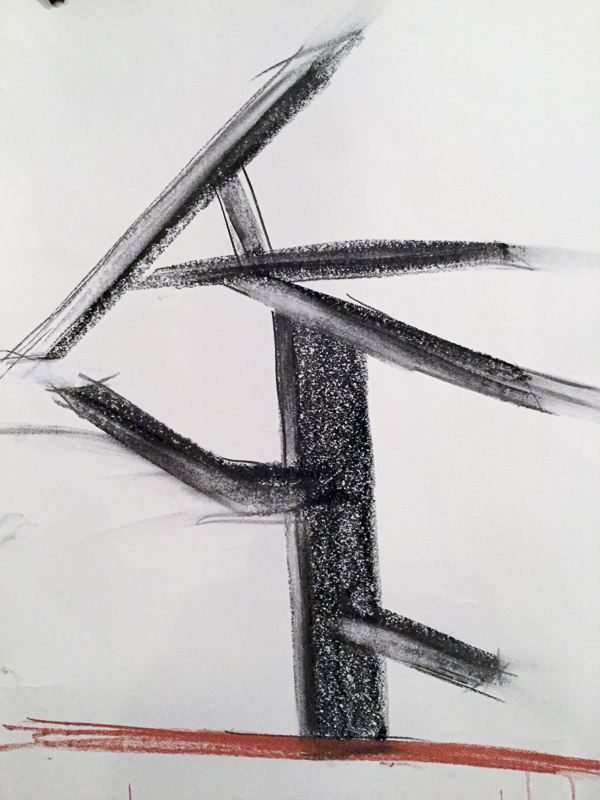
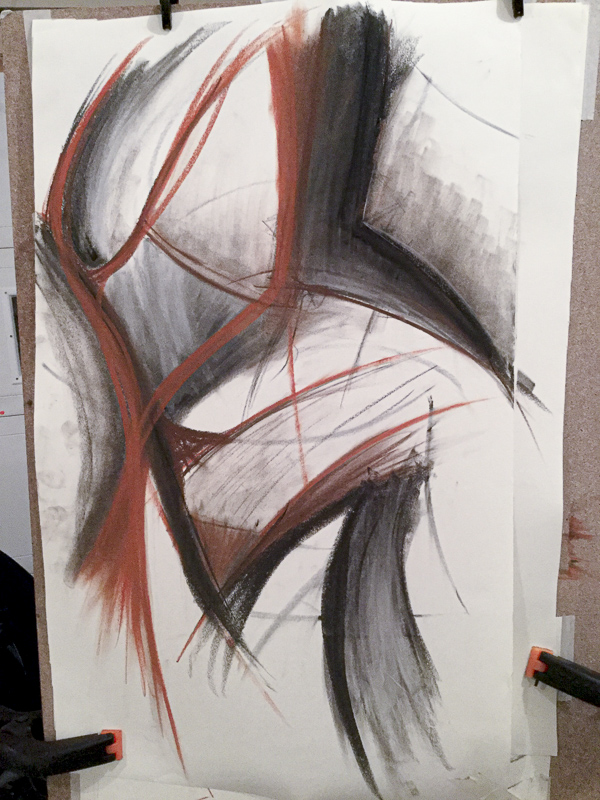
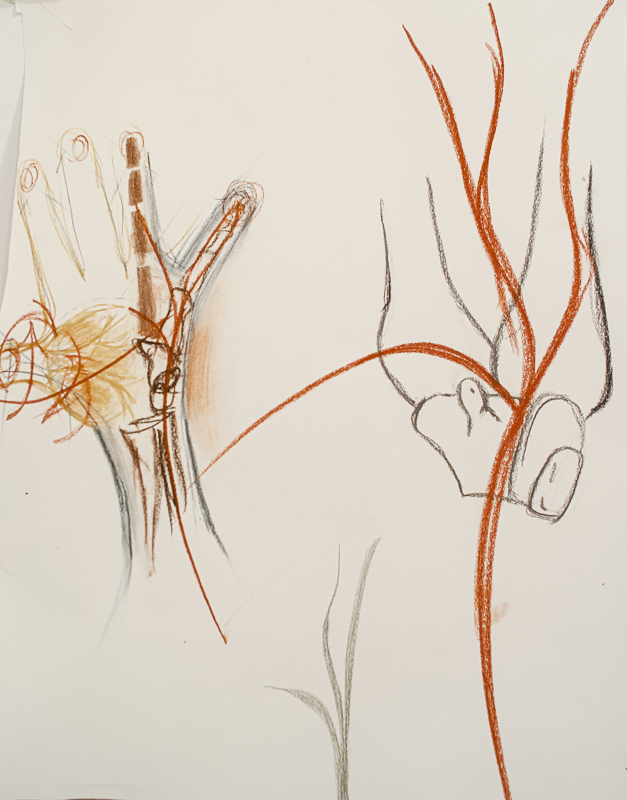
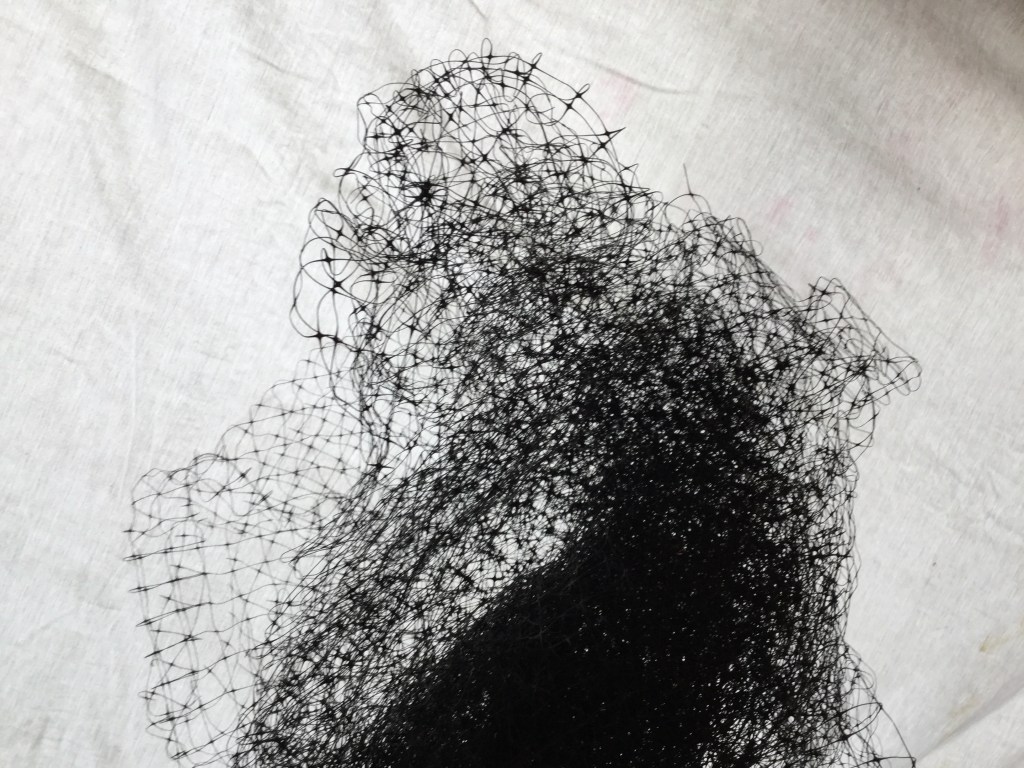
9
9
Self-assessment
How did I use a range of techniques to create a skilful and effective sculpture?
The whole process was led by an exchange of experiences learned during drawing and construction. It was a constant going back and forth with some periods of rest or doing nothing which I think is also a technique.
There were other techniques involved in this process that are worth mentioning: observation, thinking, imagination, planning and research. All of these skills were applied during drawing and construction.
How did I use construction techniques involving a variety of media and tools?
This time I felt more in control of the construction process and my use of media and tools is more refined than in the last section of the course. With practice came confidence but still there is a lot to learn.
My arsenal of different tools for this module grew significantly. I invested in a rapid rotating machine (Dremmel) which is fantastic. It lets you create a lot of things that come into your head without worrying too much if you will be able to do it or not, it is quite versatile.
How I developed basic skills in drawing and used those drawing to develop my ideas
As I mentioned before the drawing process was a big part of this module and it was that way not only because it is what the syllabus dictated but because I think I did a decently good job on this area
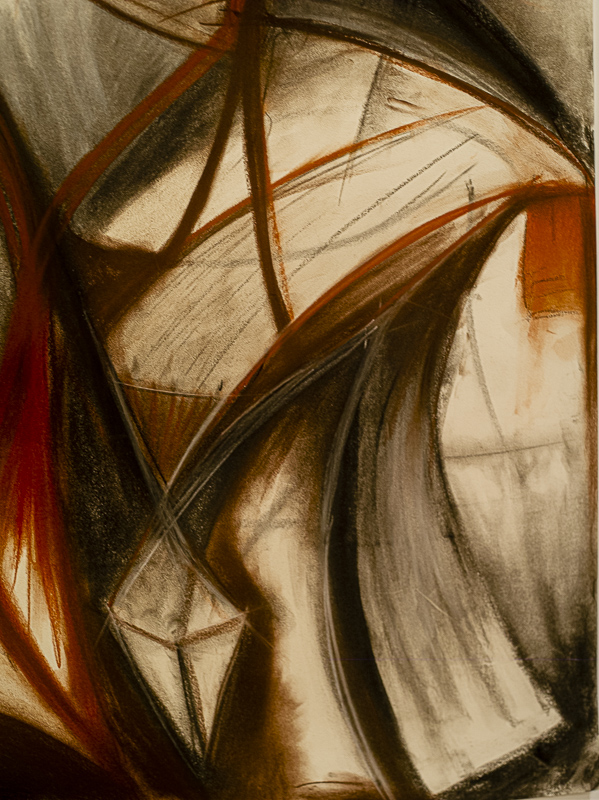
I’m especially pleased with a couple of drawings, see the two below images, I did after the sculptures were done. I think about these drawings as future sculptures to make. They were base on the physical sculptures, but they are entirely different.
Also, I think I achieve something exciting with the drawing that I later converted into a sculptural form. The relationship between a flat drawing folded into a 3d shape is wild.
How did I demonstrated the use of research techniques in the study of the history of sculpture and its relevance to my own work
I like to think that the work I did for this module are totemic in a way and even though I played with the influence of Hannah Hock’s works my pieces are constructed not as photomontages but as stacked sculptures.
I made a quick comparison with the work I did with the work of the artists I researched. I did not copy any of this masters intentionally but the likeness are there. The below gallery shows some kind of similar forms, lines, directions, etc among the works.
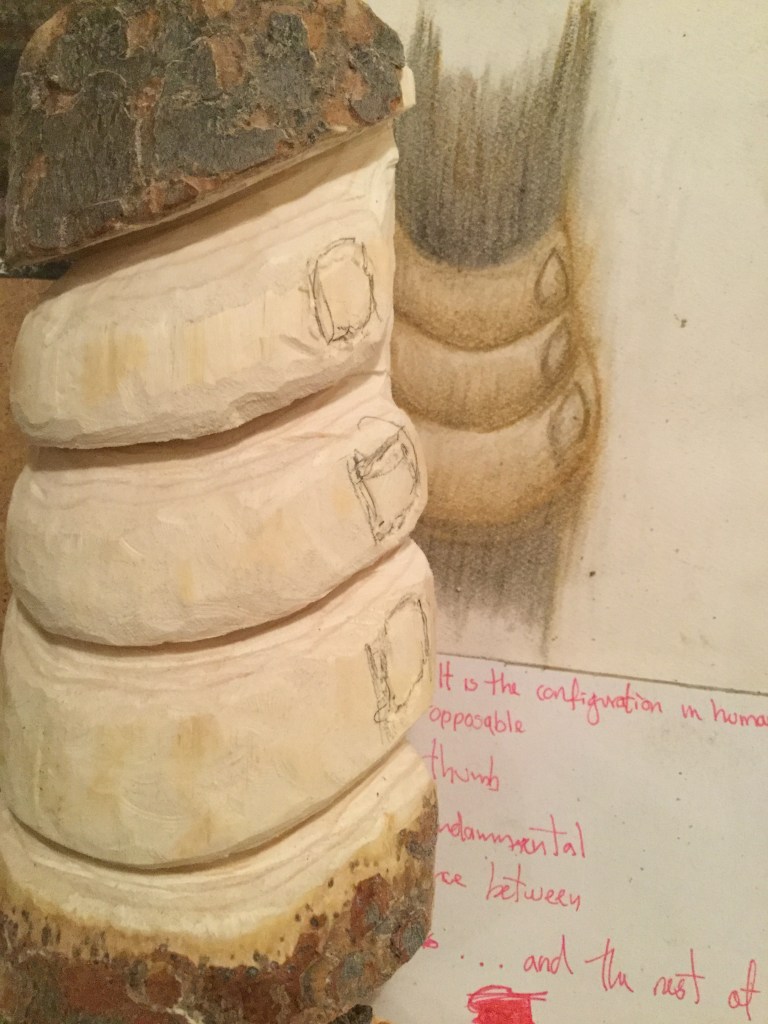
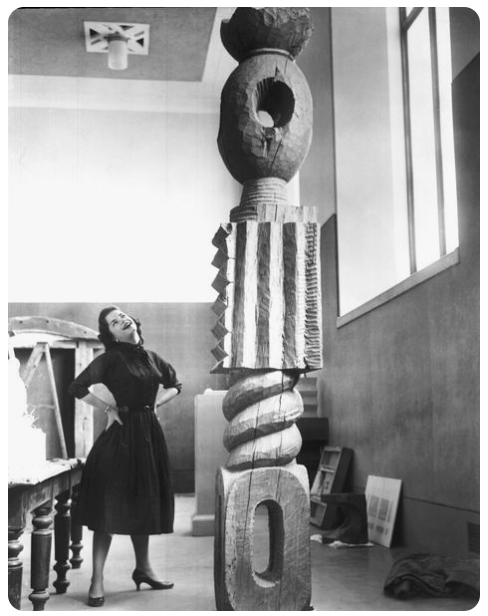
Figure 1. Constantine Brancusi, “King of kings” (1938)
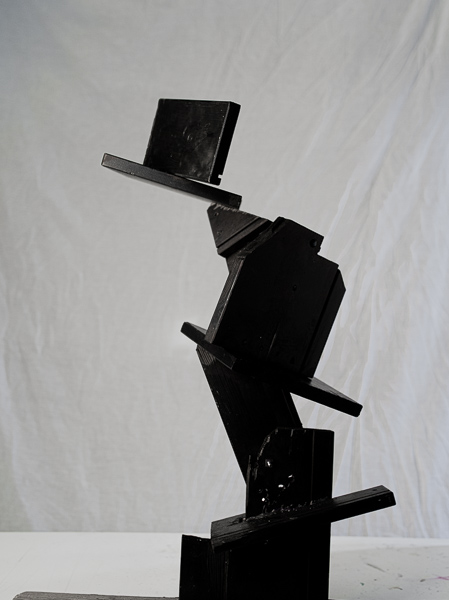
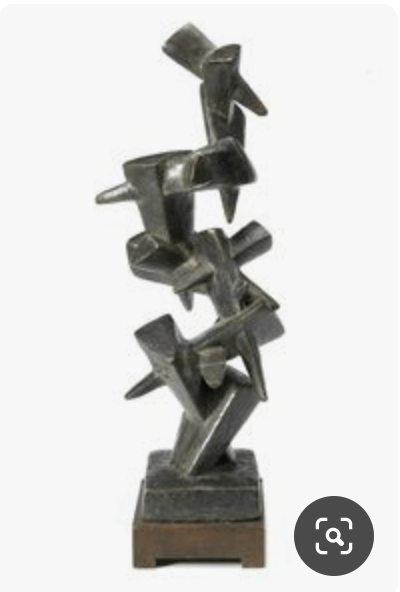
Figure 2. Jacques Schnier
“Triangular wedges” (1951)
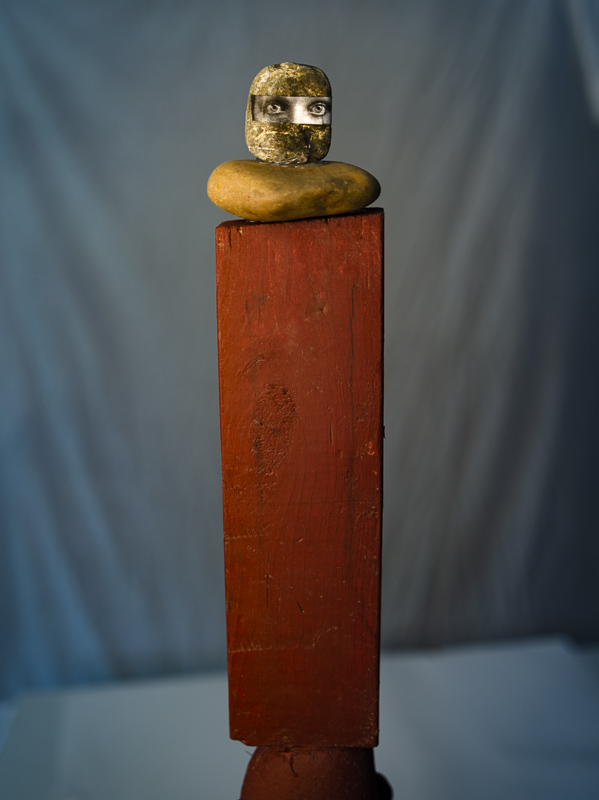
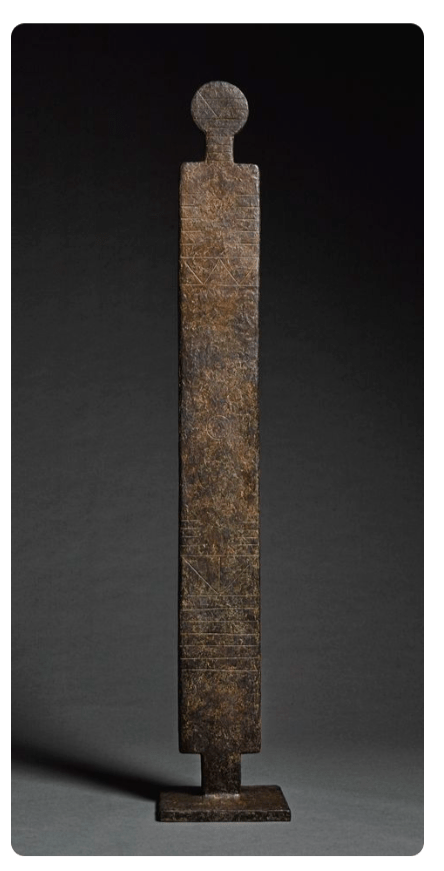
Figure 3. William Turnbull
“Female figure” (1990)
)
P
Respond to tutor’s feedback
The text in light grey are my tutors comments (Kimberly Foster) and the black text are my answers.
I would encourage you to play more and make more as even small moments of making can make considerable contributions that enable your ideas to manifest.
Generally speaking, I think that this time I was more playful, creation-wise. It is true that “even small moments of making can make considerable contributions” so much that all the images I choose for the section “Relevant sketches drawings & sculptures” are from those small moments of creation that are game changers.
Therefore, there is an interesting simplification that happens in the outcome of the relief, by the choice of how you edited and cropped through the photograph. Does this make the outcome photographic – as the rest of the sculpture exists beyond the image presented?
I have been thinking a little bit about this and the answer is yes. The result I produce is completely mediated by the tools I use, and the camera for me is a tool that it is not able to capture the reality as many believe. What it produces is the photographic image that has a life of its own.
There is as you suggest a very different consideration between the image and the physical form. What do you present, when is the work seen as resolved?
I would present both the photo and the sculpture.
you might play with some more of the ideas that emerge through the drawings and seek other ways of exploring materials. Sometimes you can’t answer everything in one way or in one piece of work, and it is in the multiples or series of experiments that the work emerges
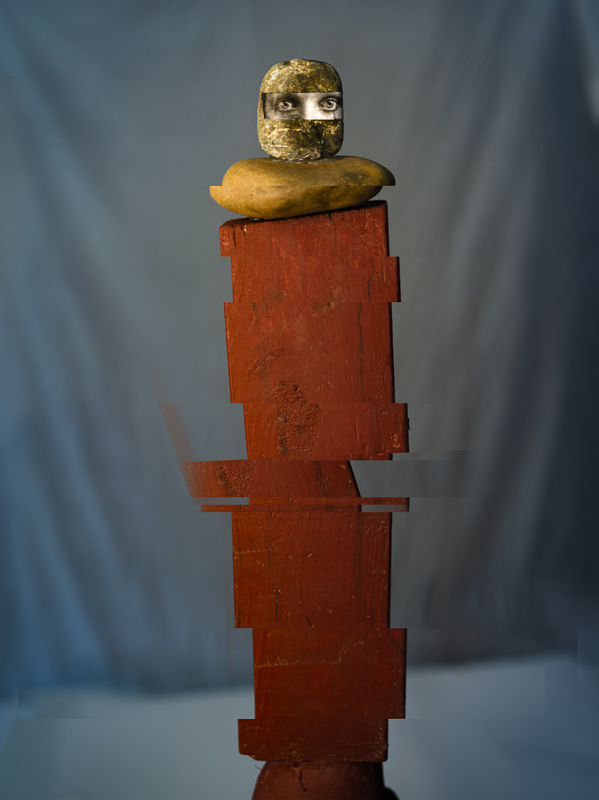
I couldn’t agree more. The following images will be my next experiments; the becoming into sculpture I would say, and then into drawing again.
_
_
List of images
Figure 1. King of kings, (1938) [Sculpture]
At: https://oceanprimitive.tumblr.com/post/121028935160/philamuseum-throwbackthursday-brancusis (Accessed on 07.25.19)
Figure 2. Triangular wedges” (1951) [Sculpture]
At: http://www.artnet.com/artists/jacques-schnier/triangular-wedges-SBEvzAe7t6sVYR3qrywgaw2 (Accessed on 07.25.19)
Figure 3. Female figure” (1990) [Sculpture]
At: http://www.sothebys.com/en/auctions/ecatalogue/2017/modern-post-war-british-art-l17143/lot.21.html (Accessed on 07.25.19)
 Omar Reyna's Log- Sculpture 1: Starting out in 3D