
This a visual diary of my learning log for this module. All of my writing reflections for the Assignment 2 are on these posts:
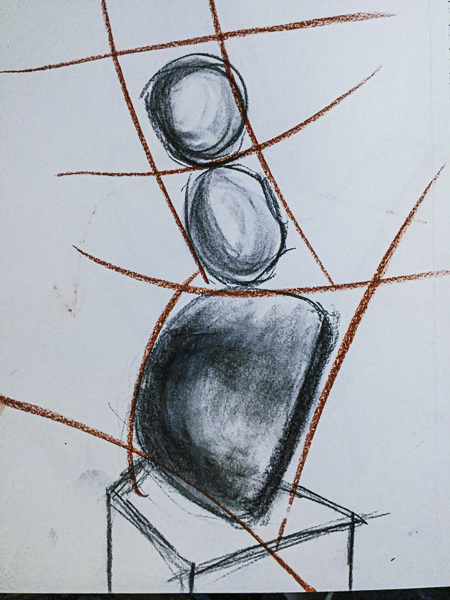
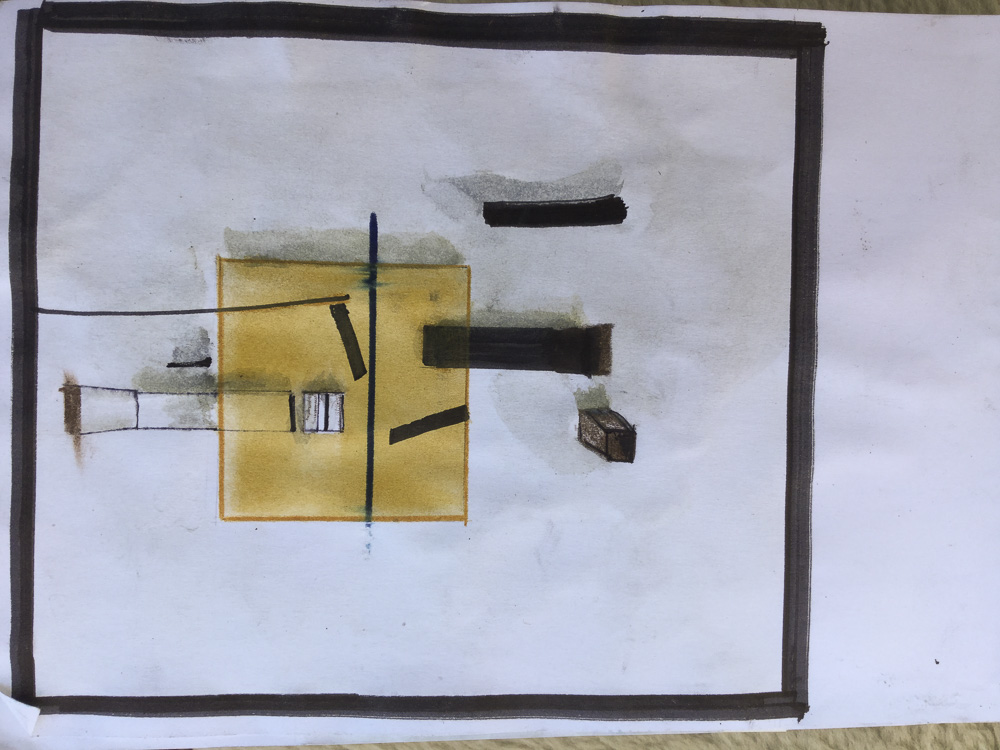
As always research is a great tool. This time I used a bigger paper size and it is way better.
The parent category for research and reflection posts.
This a visual diary of my learning log for this module. All of my writing reflections for the Assignment 2 are on these posts:
As always research is a great tool. This time I used a bigger paper size and it is way better.
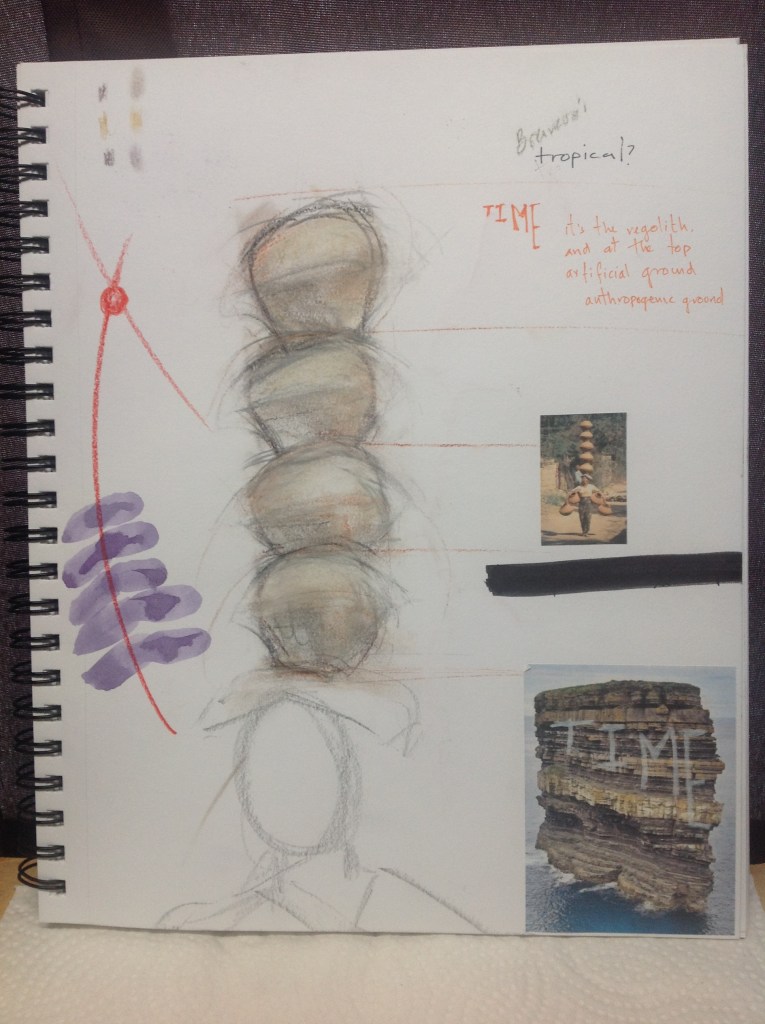
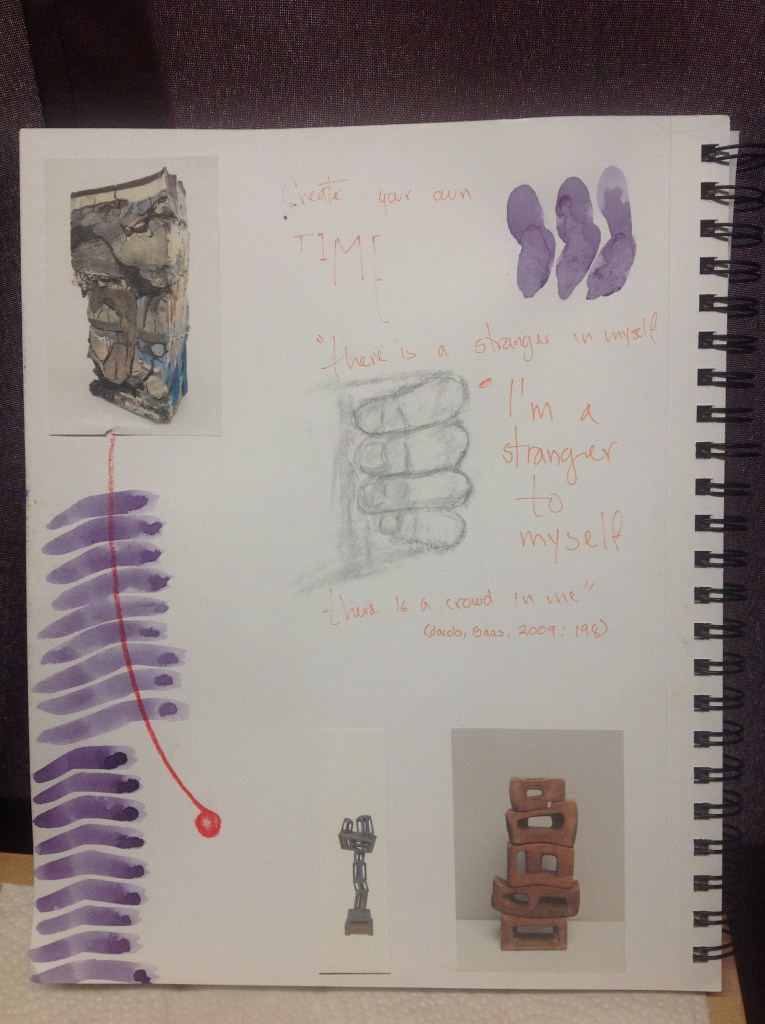
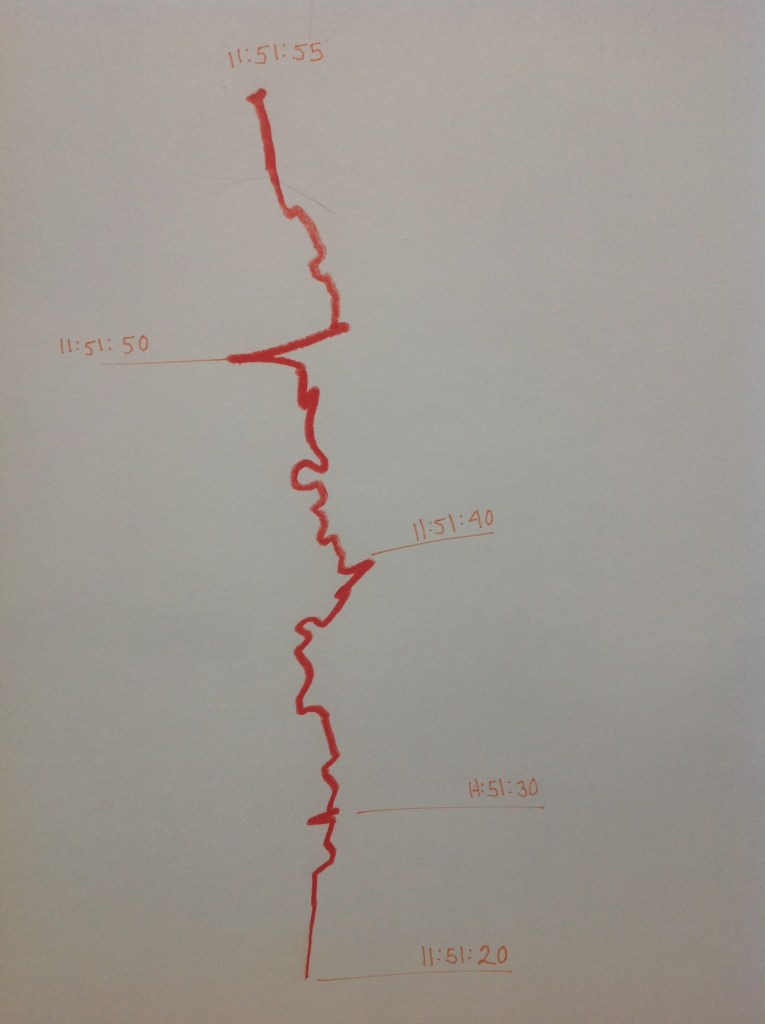
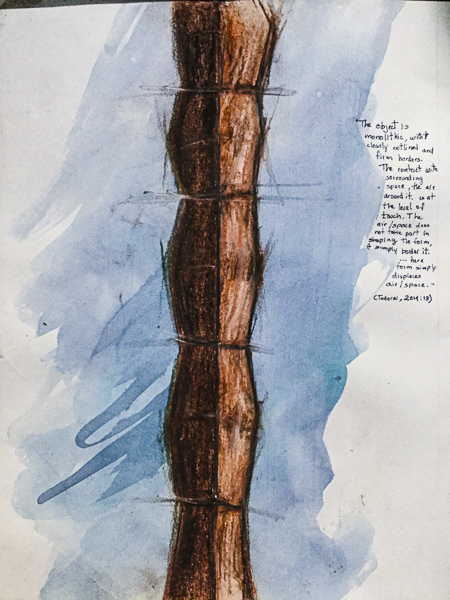
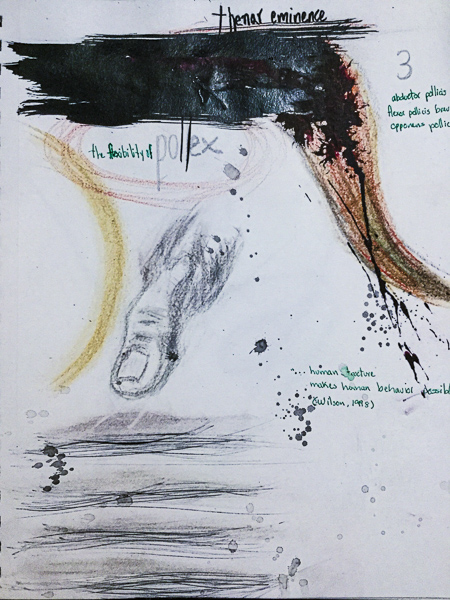
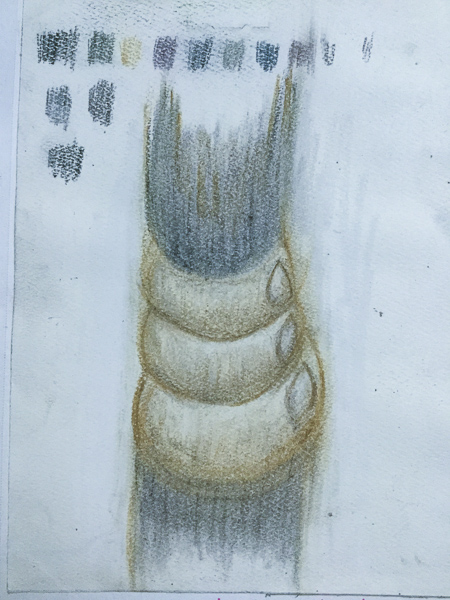
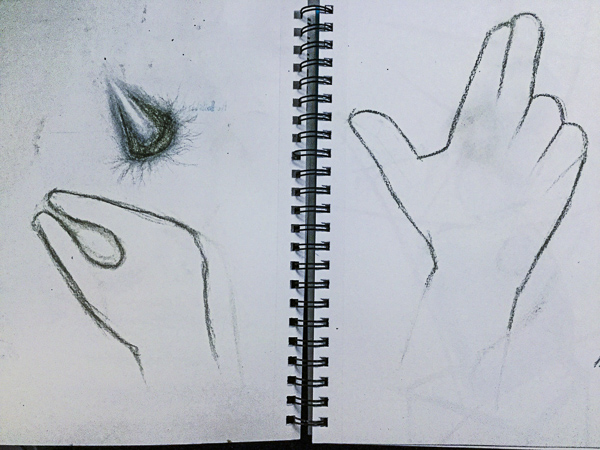
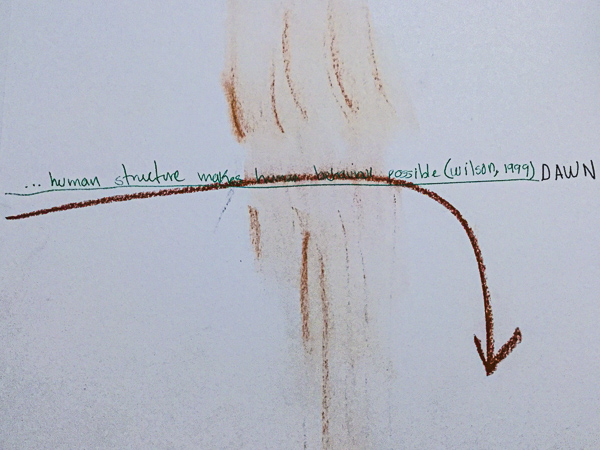
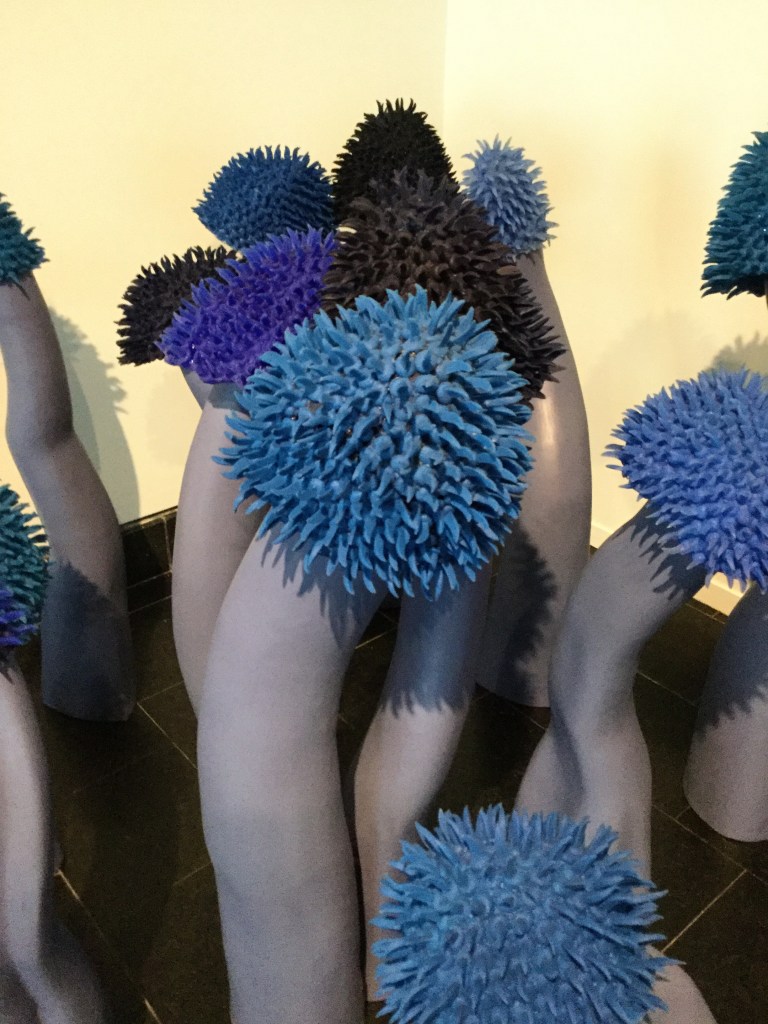
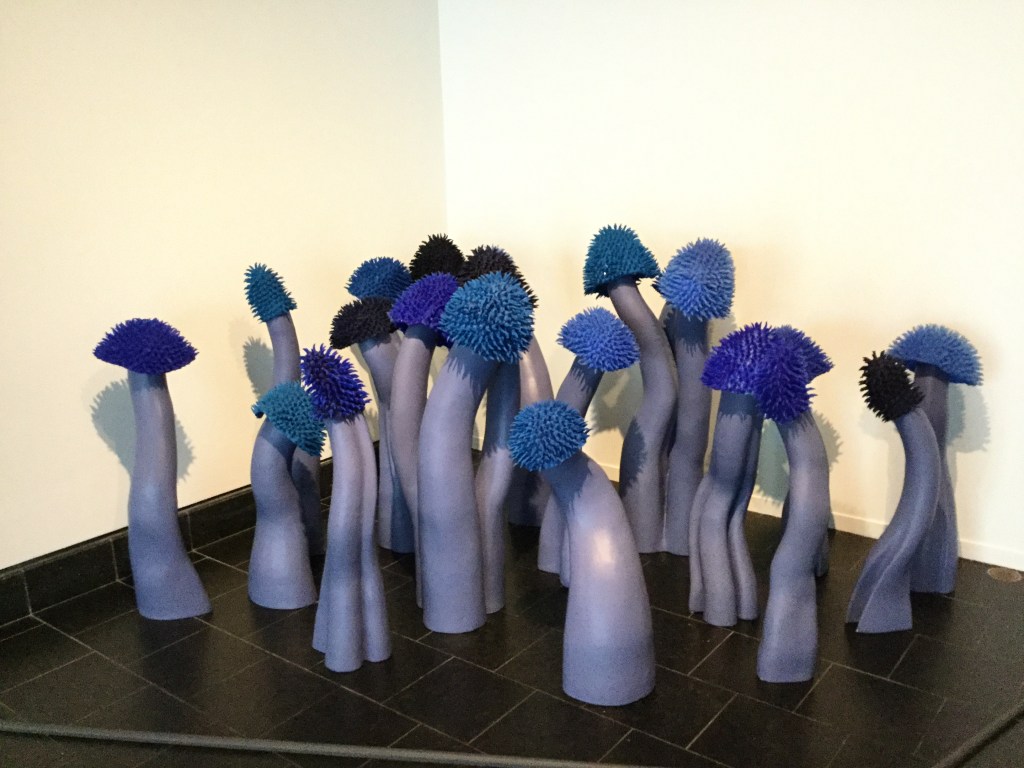
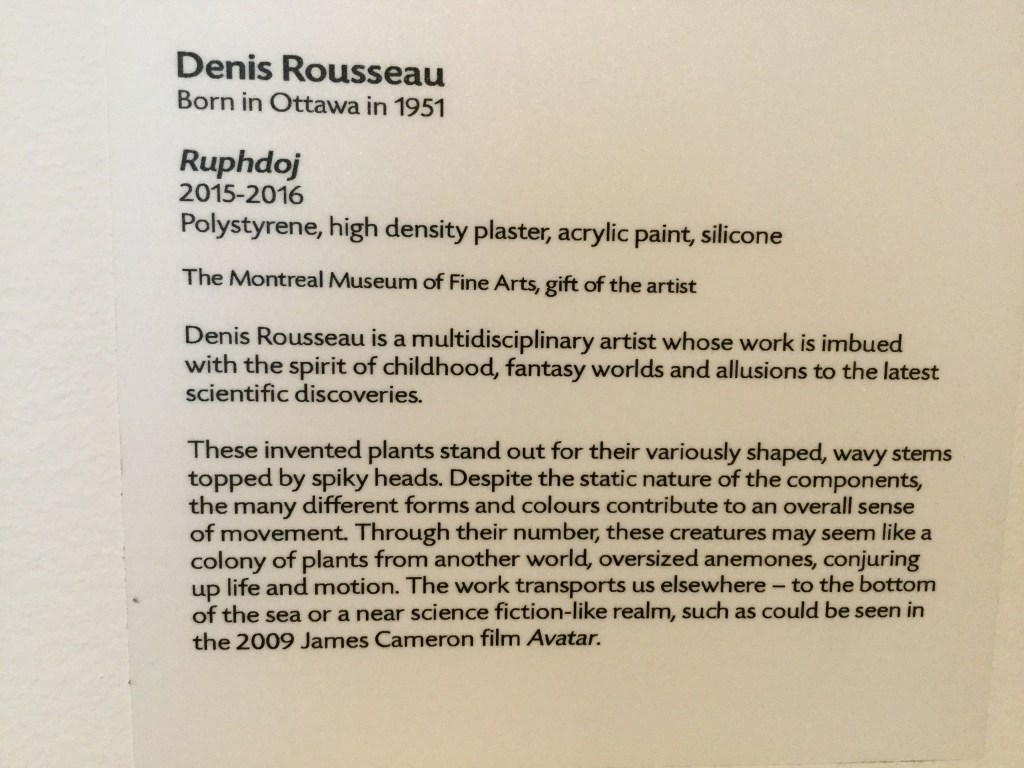
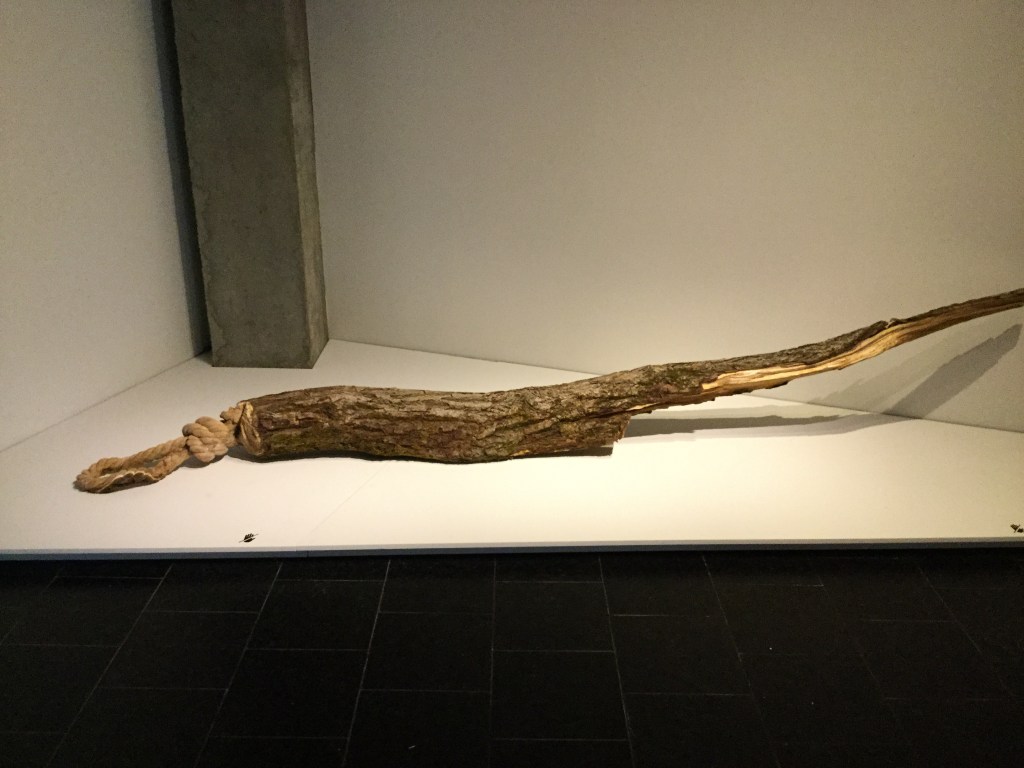
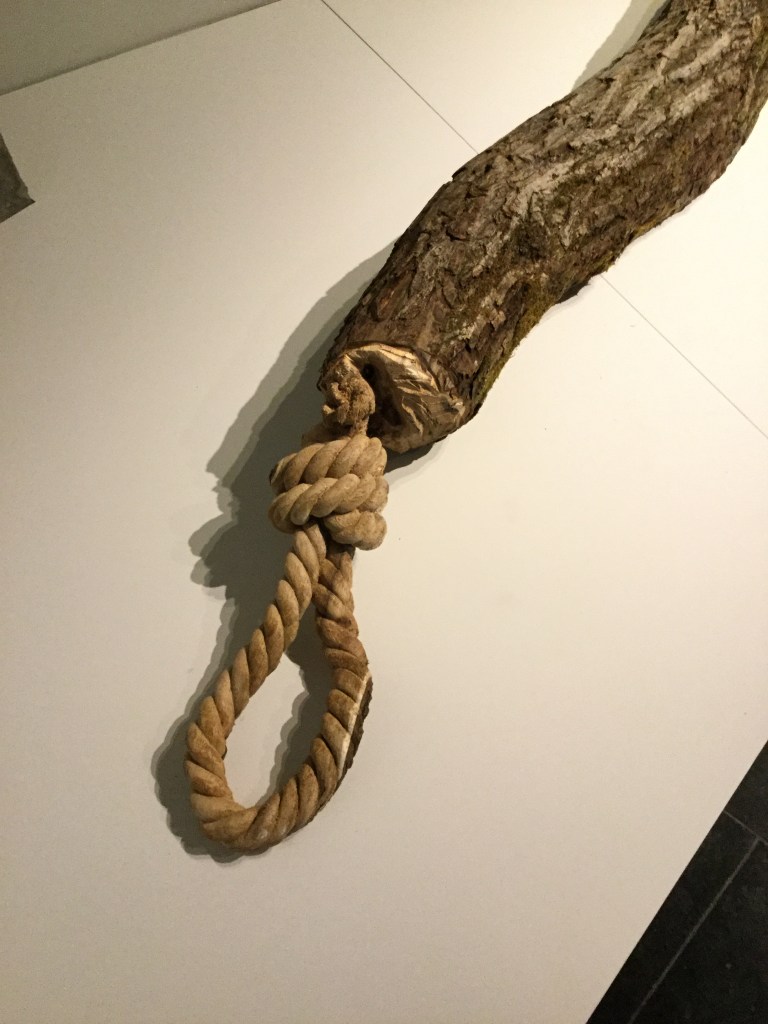
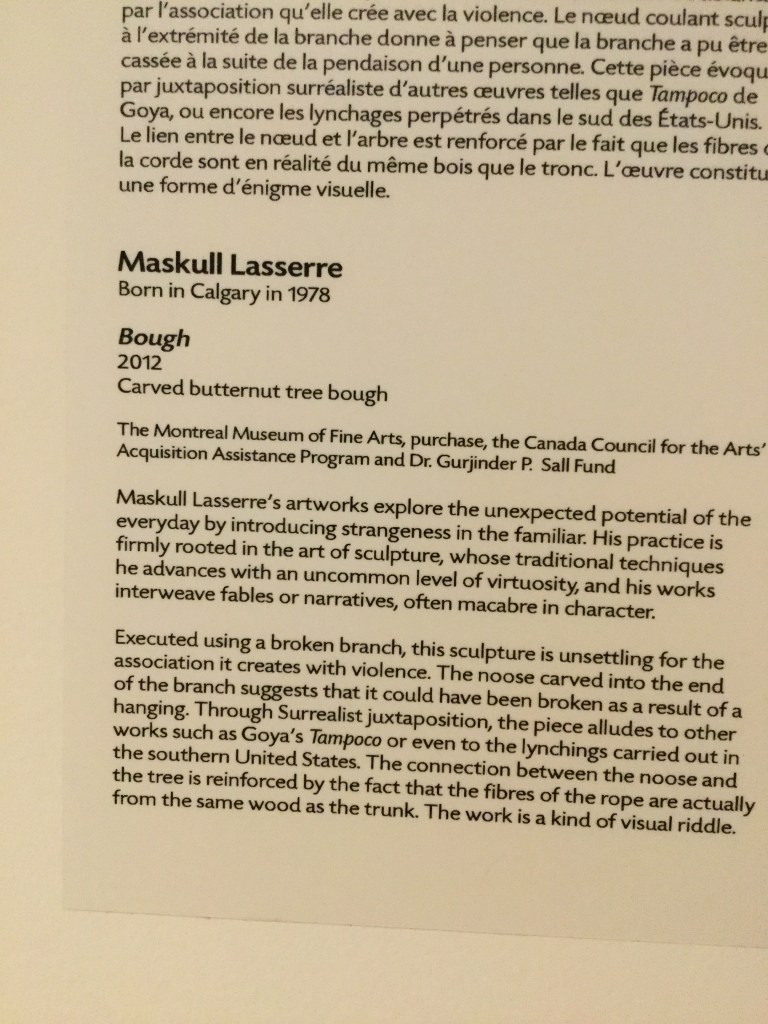
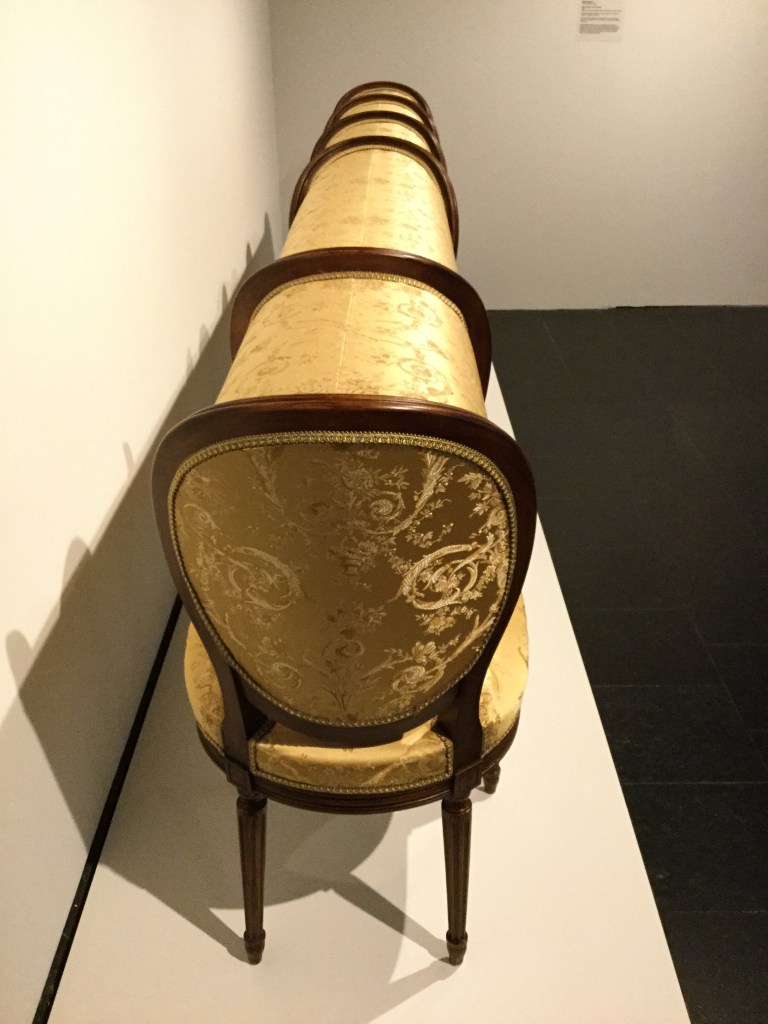
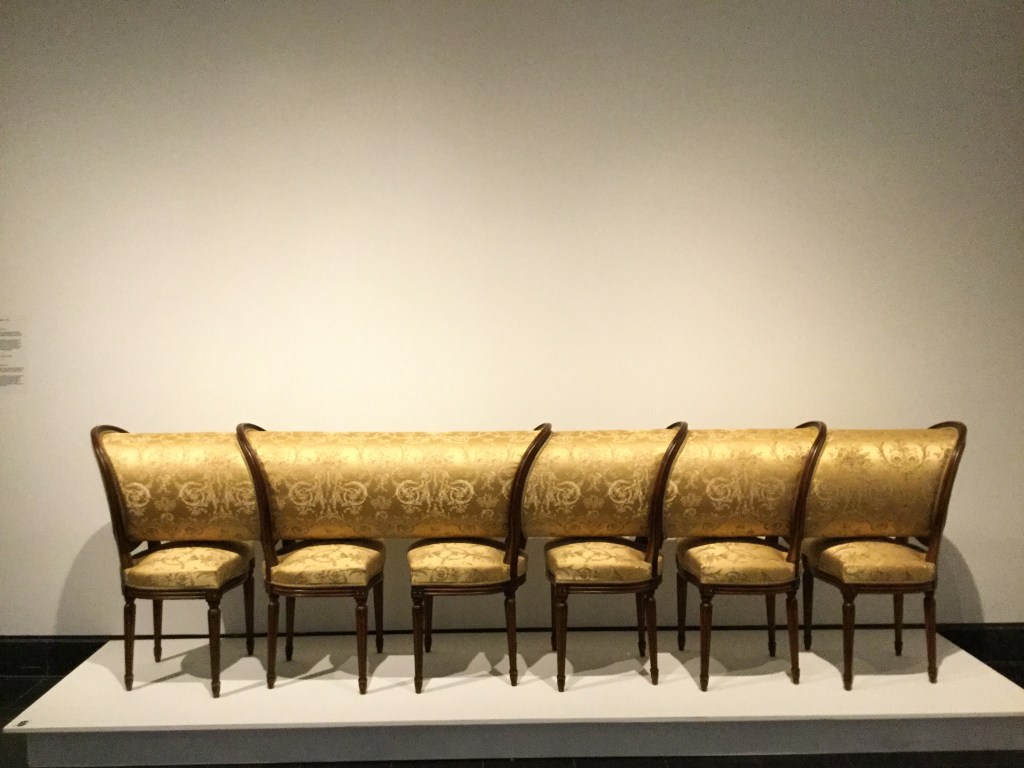
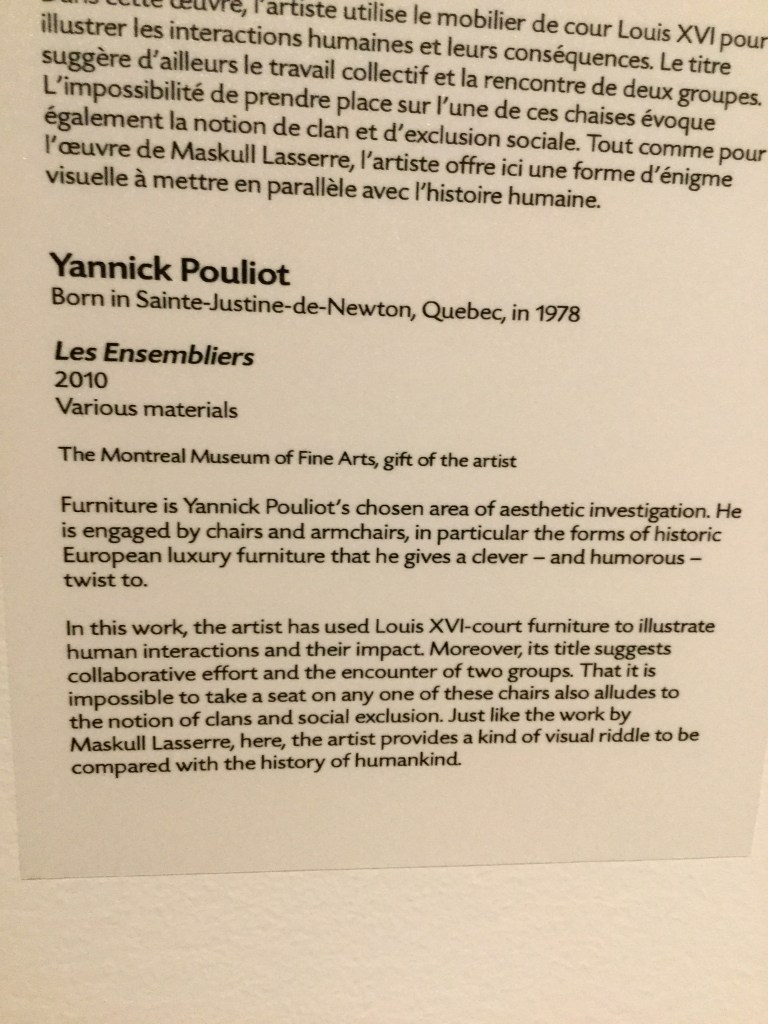
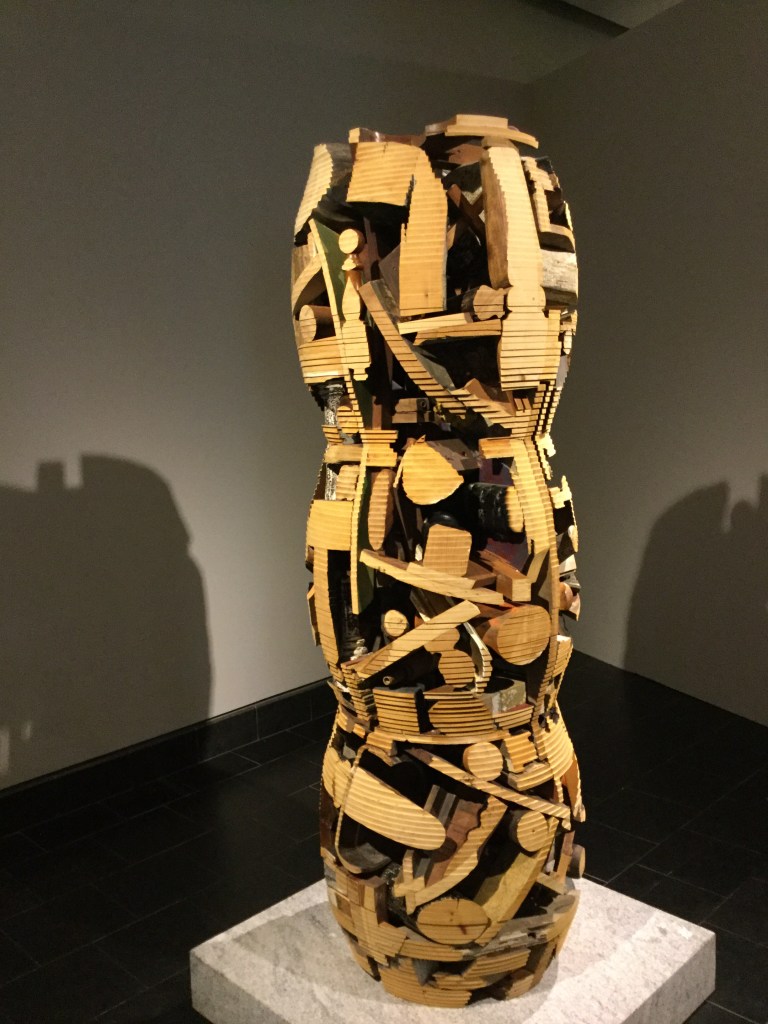
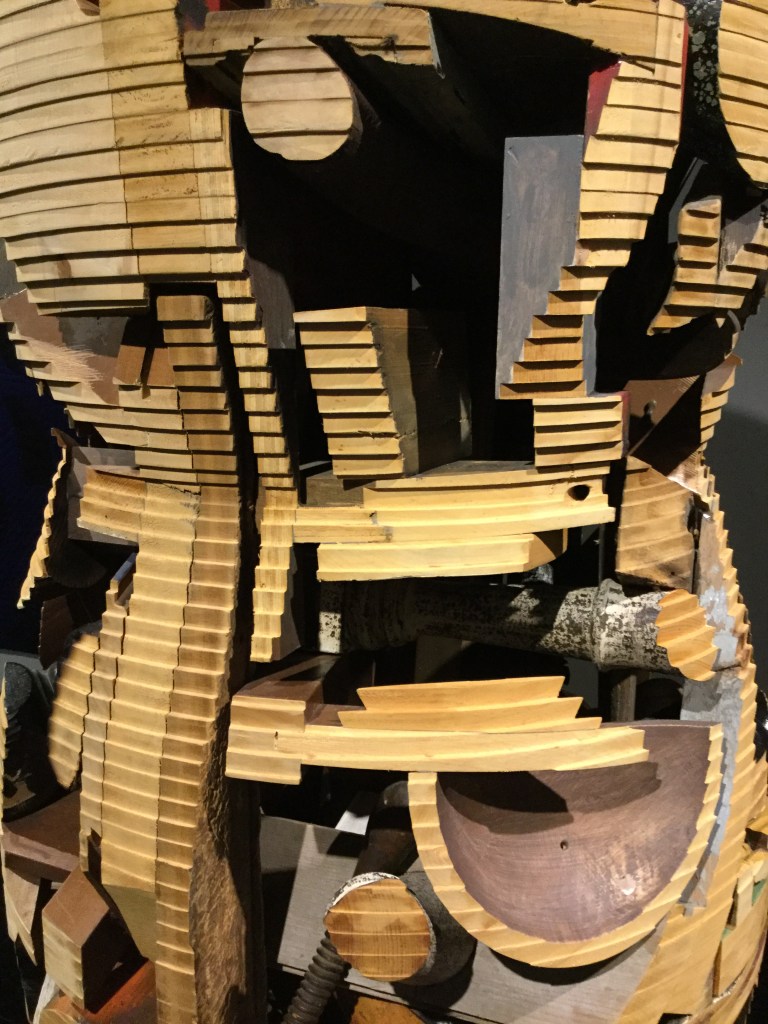
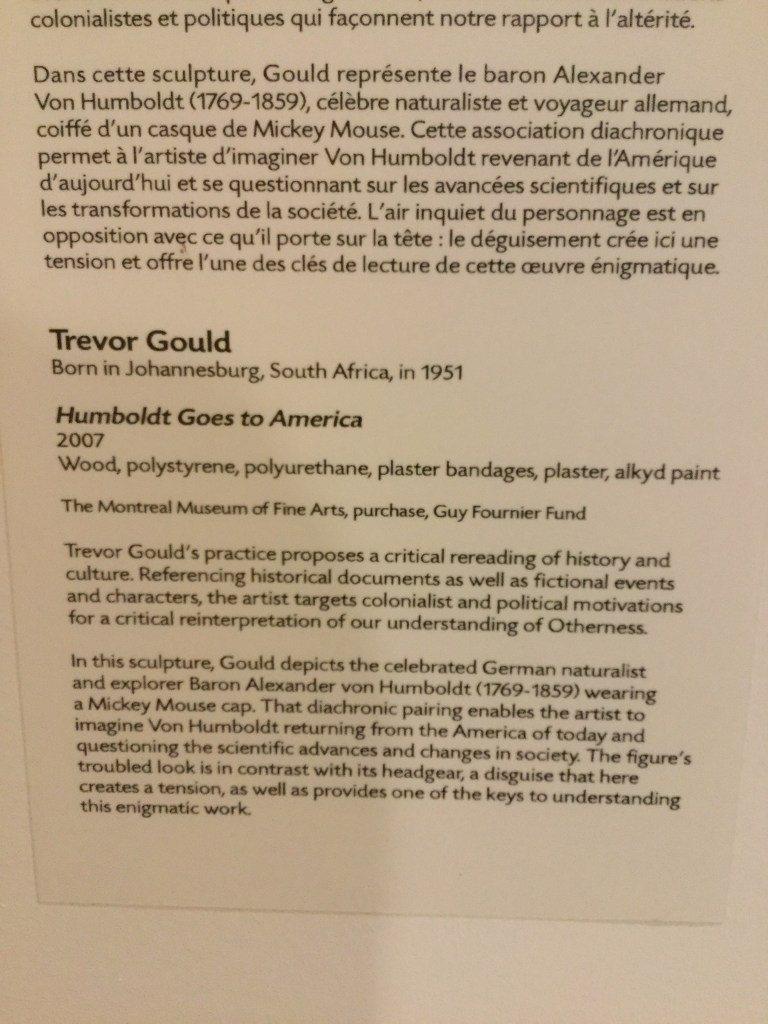
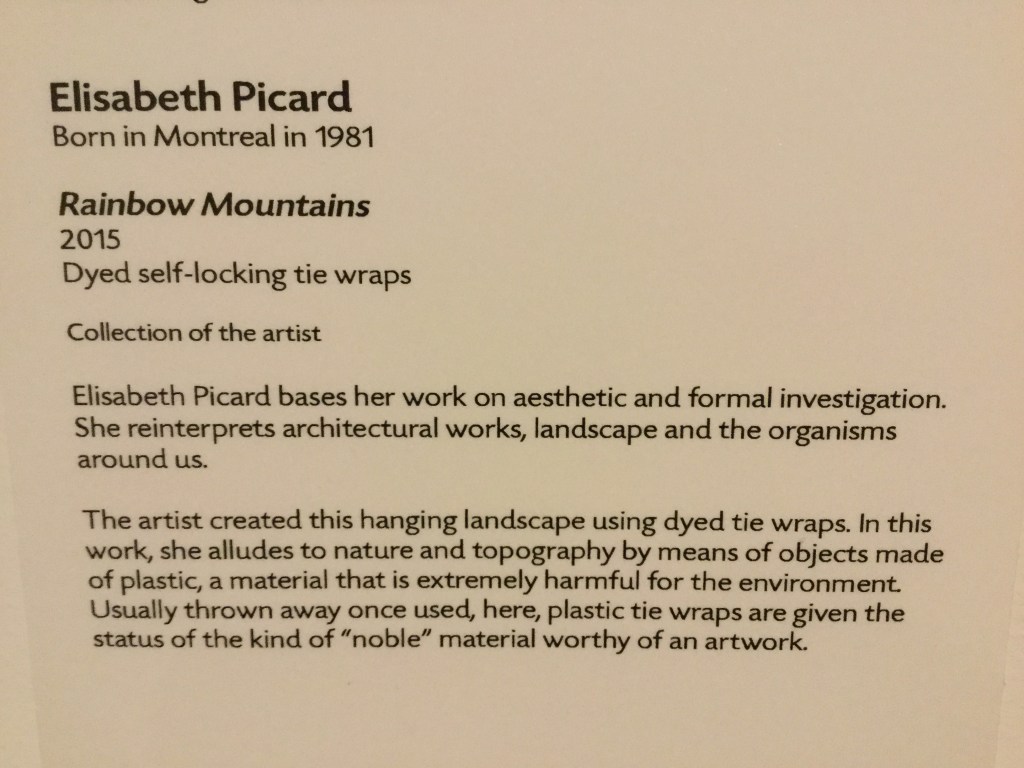
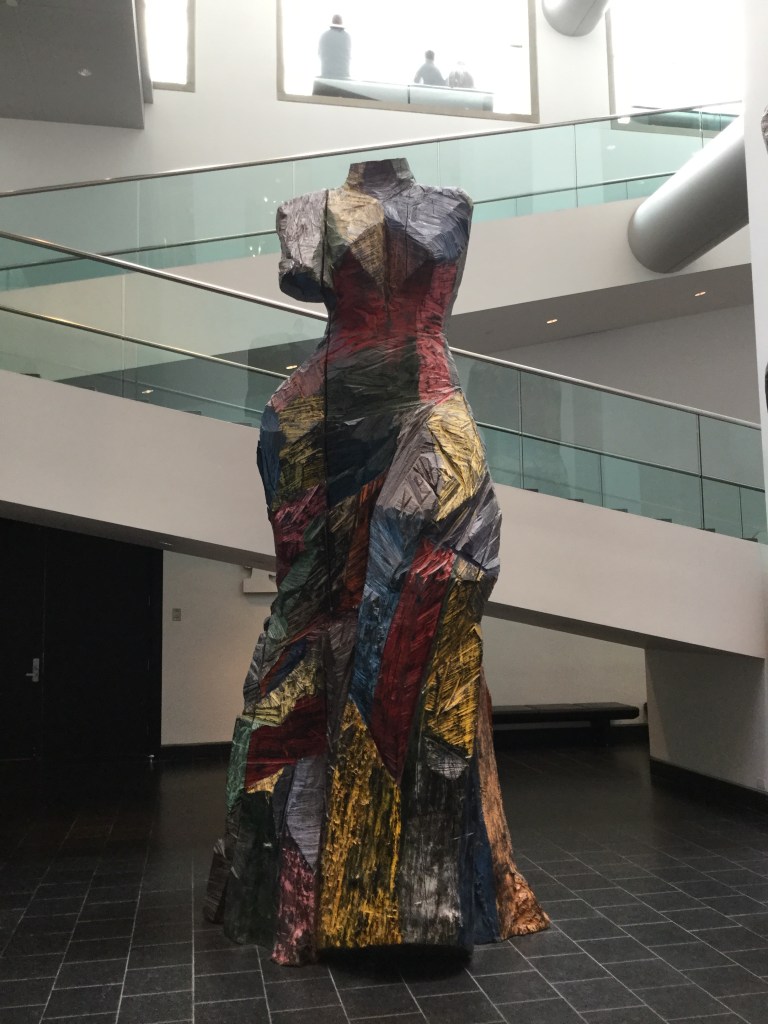
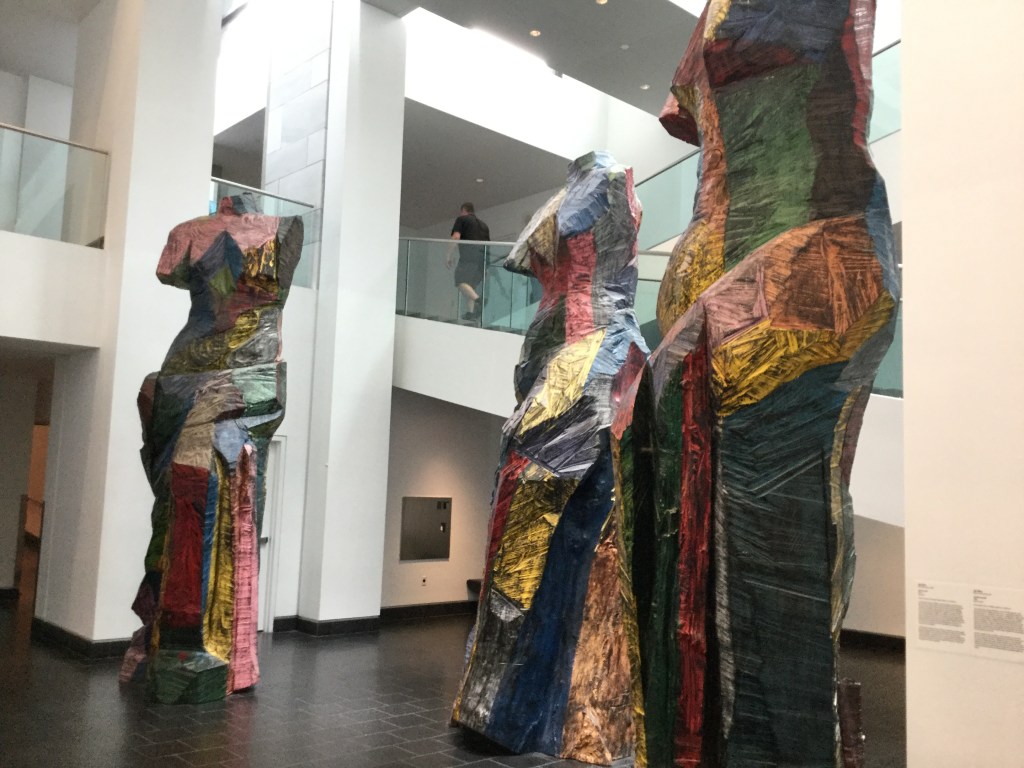
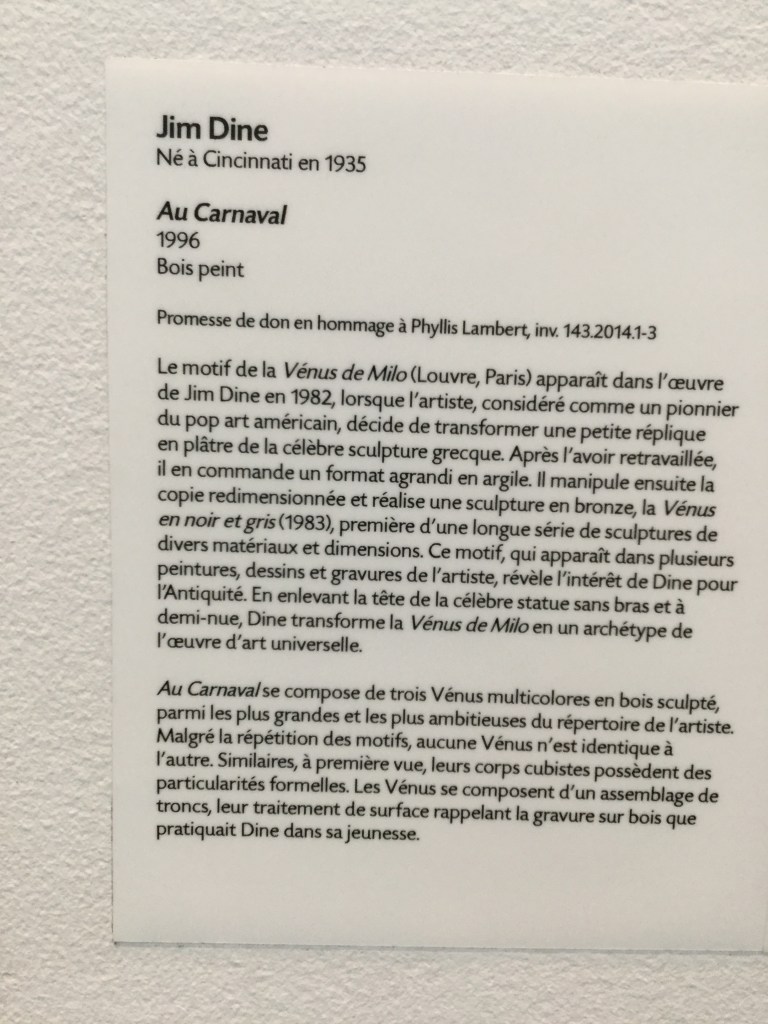
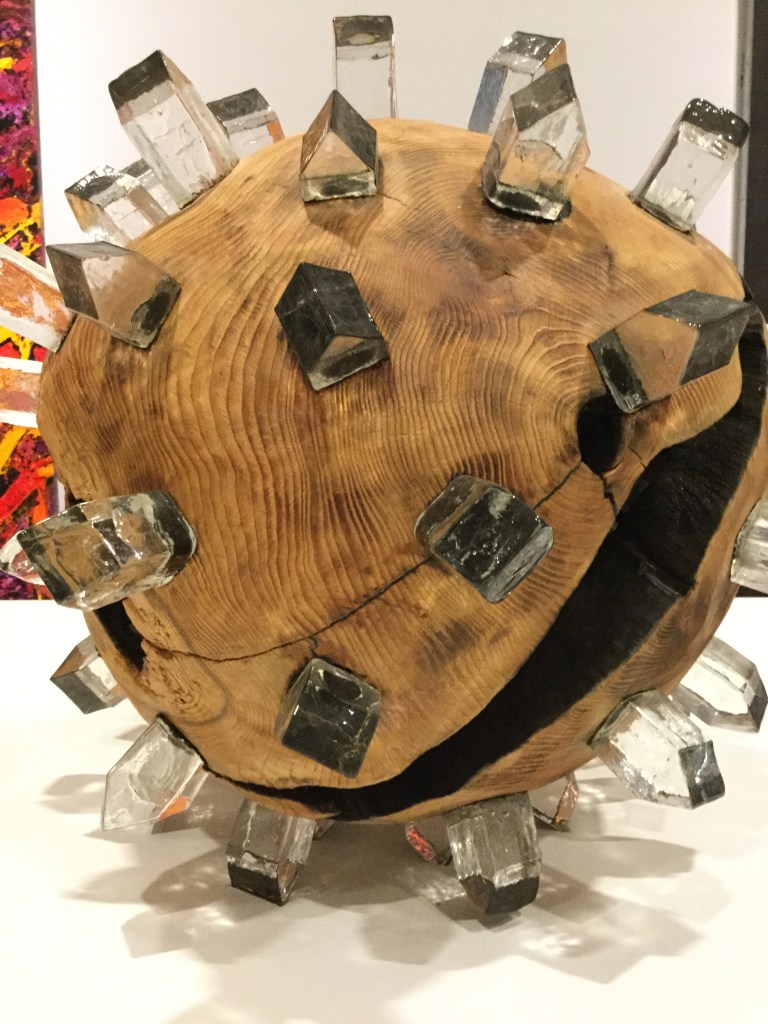
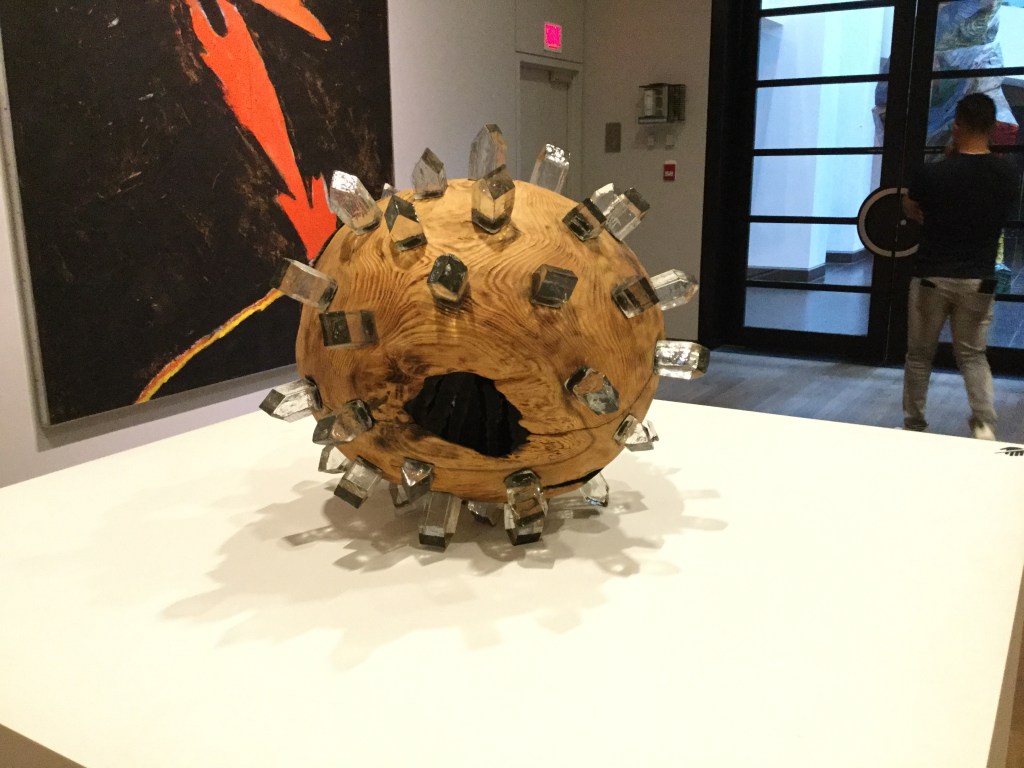
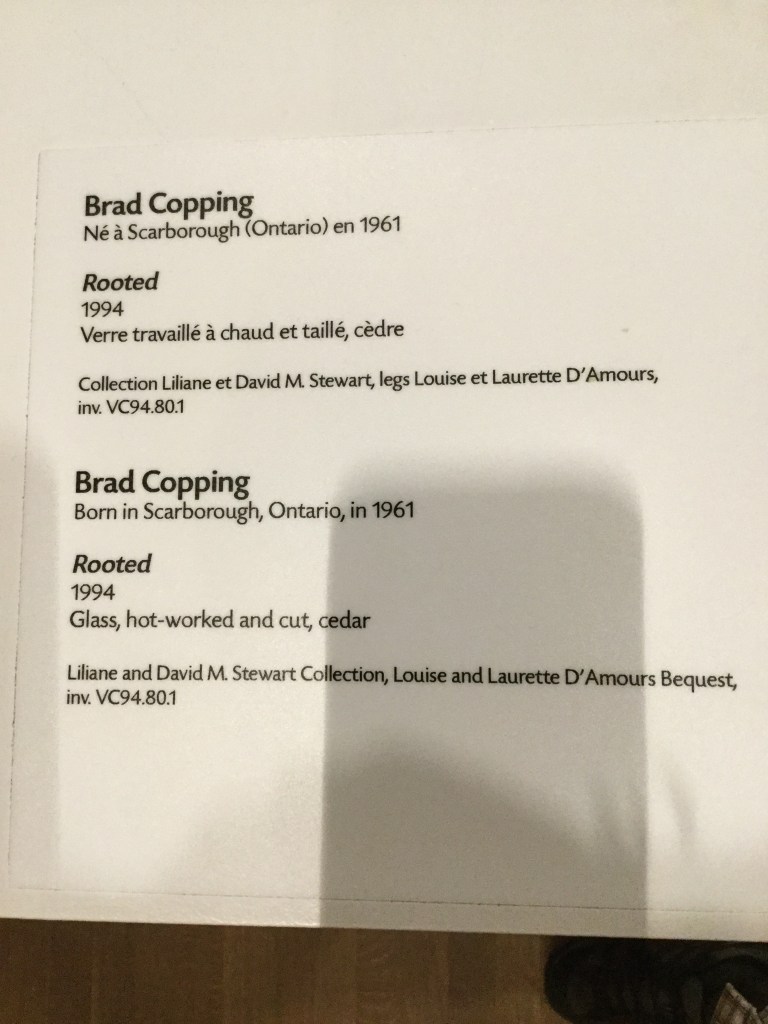
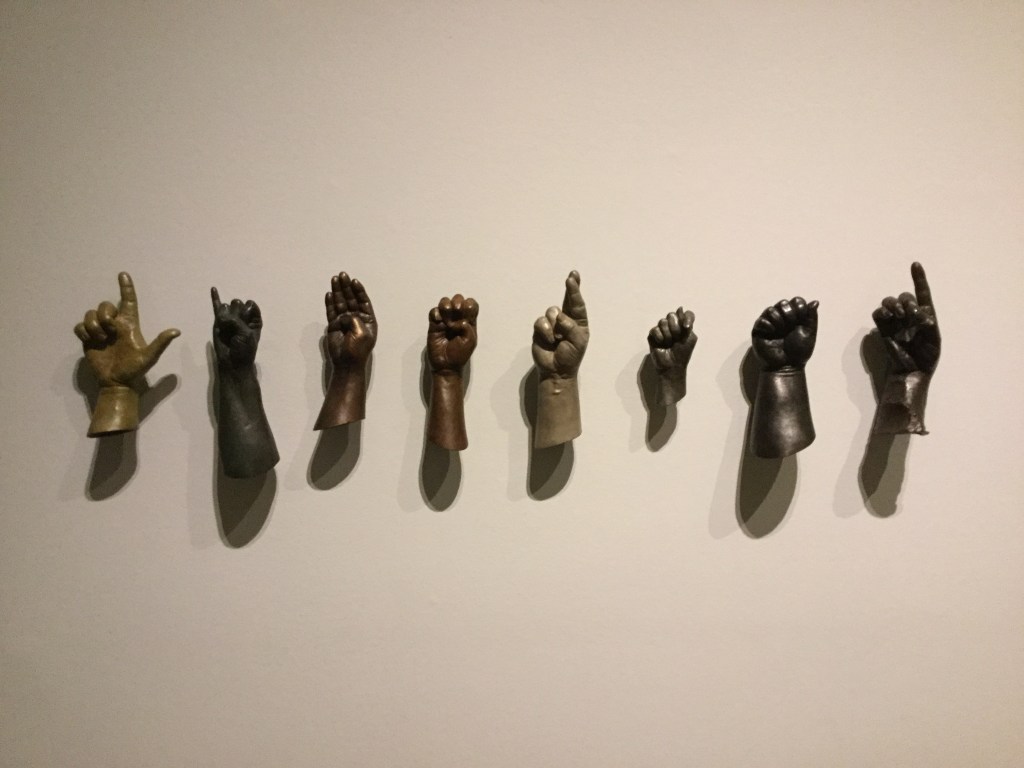
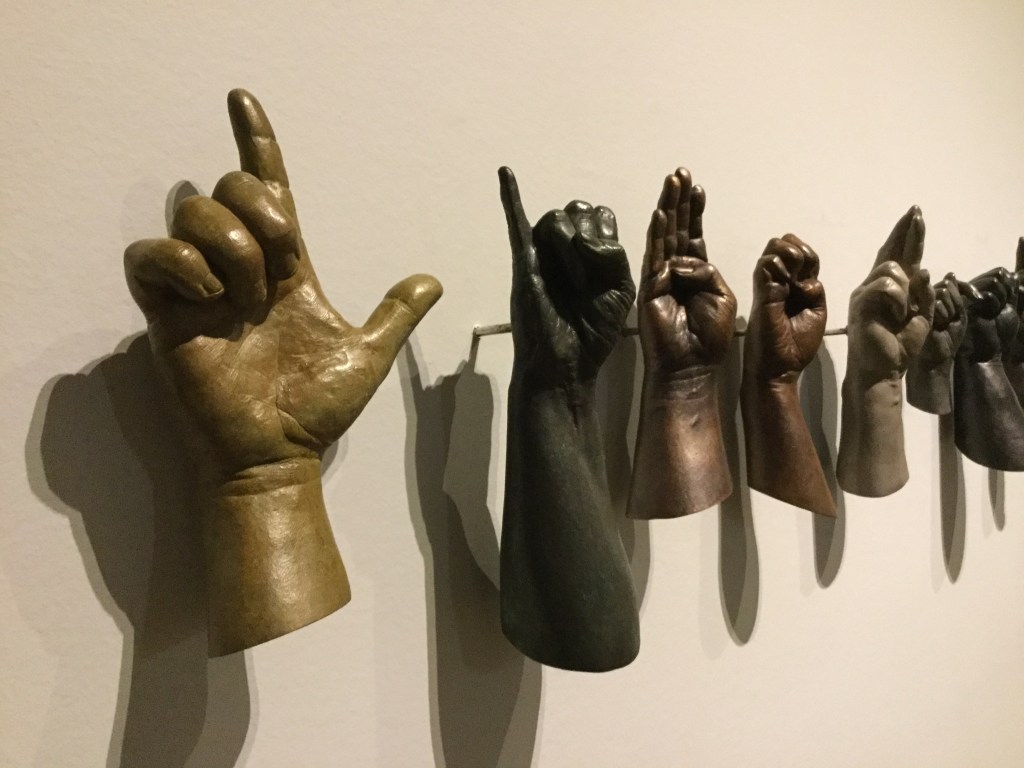
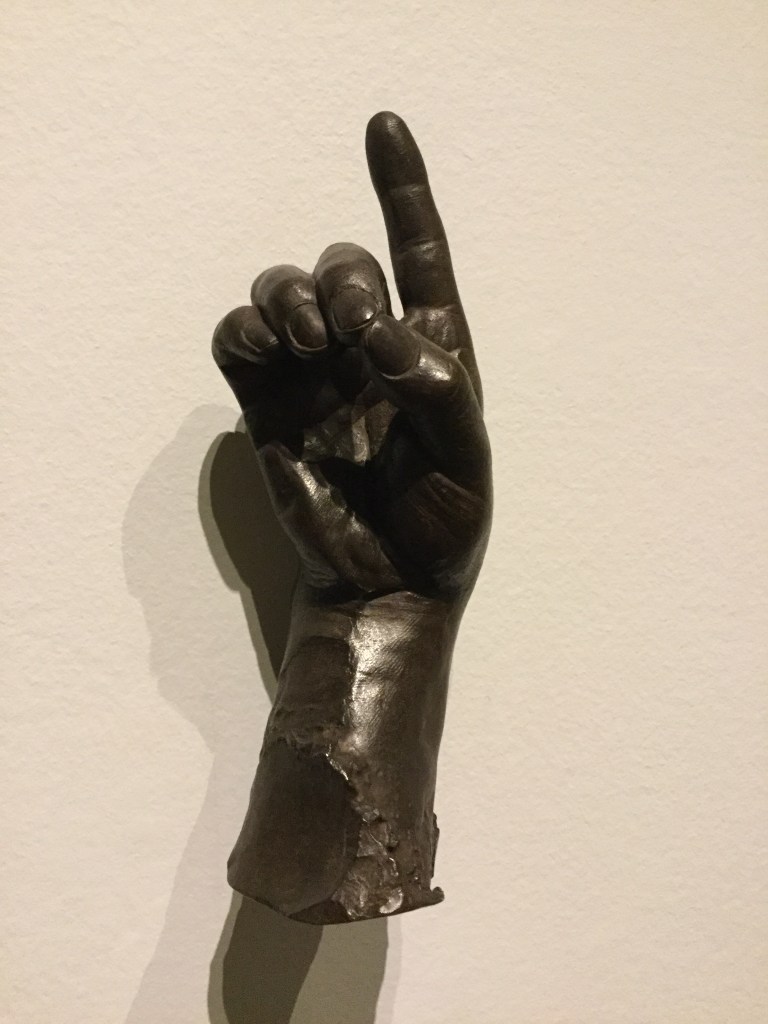
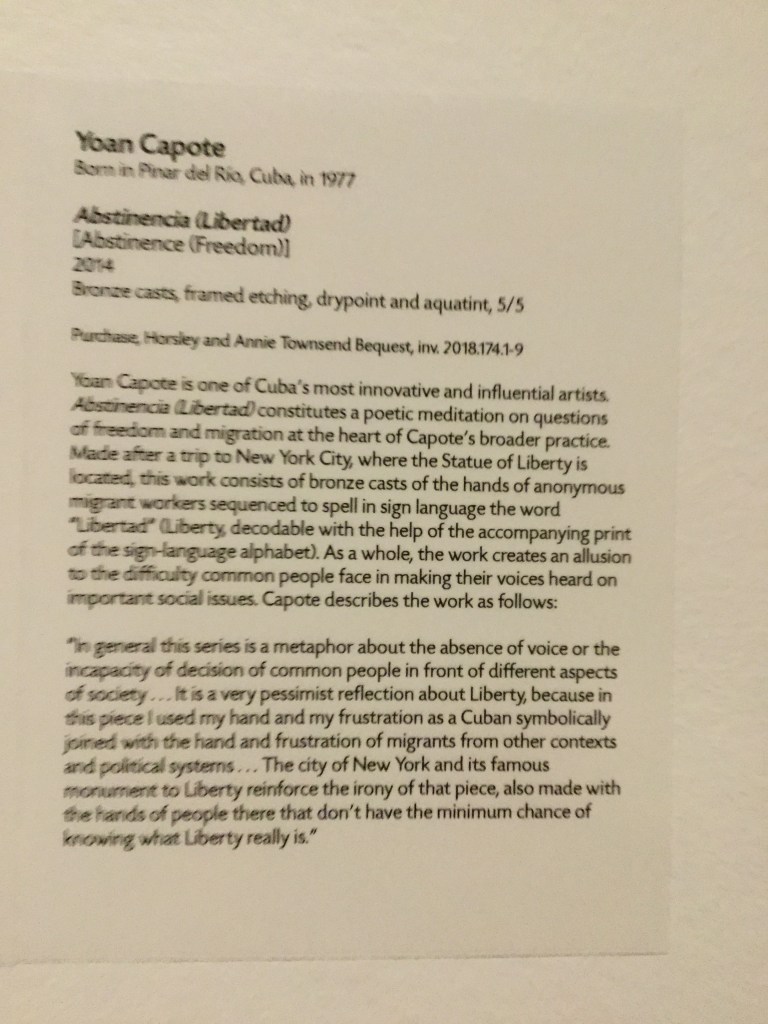
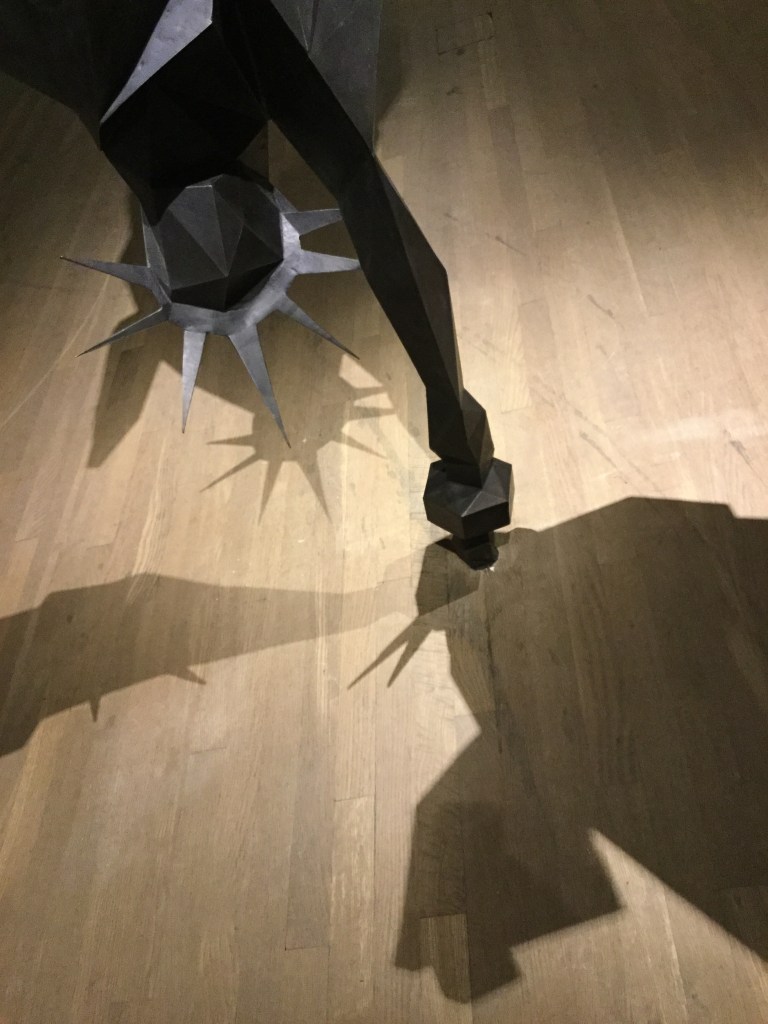
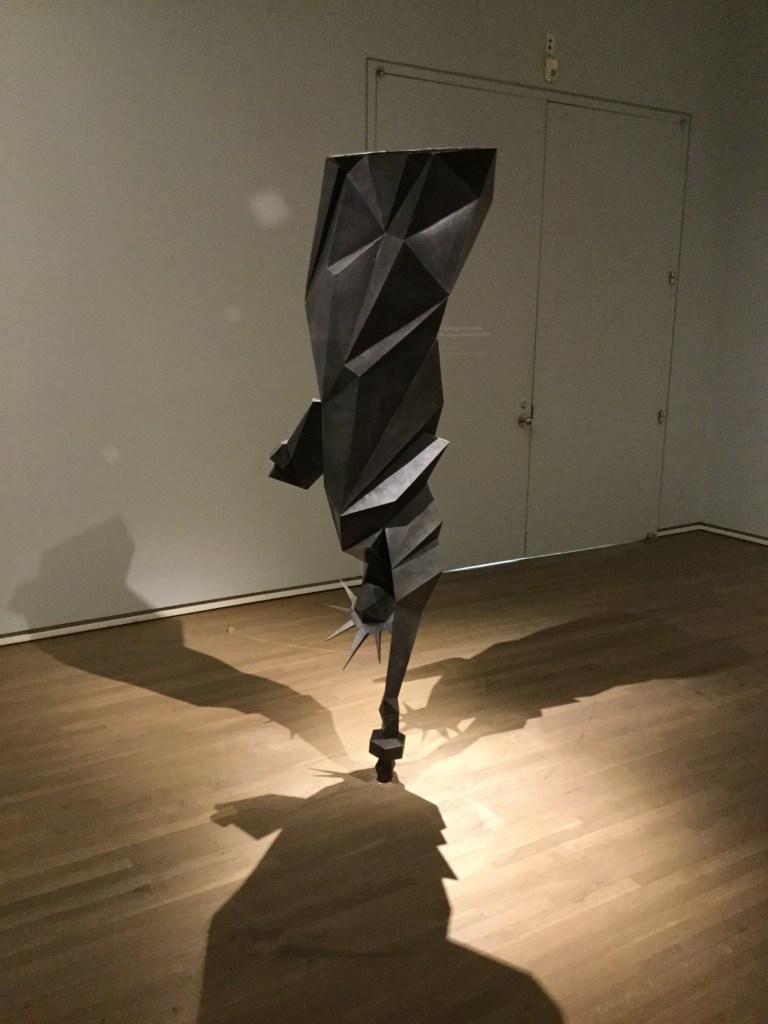
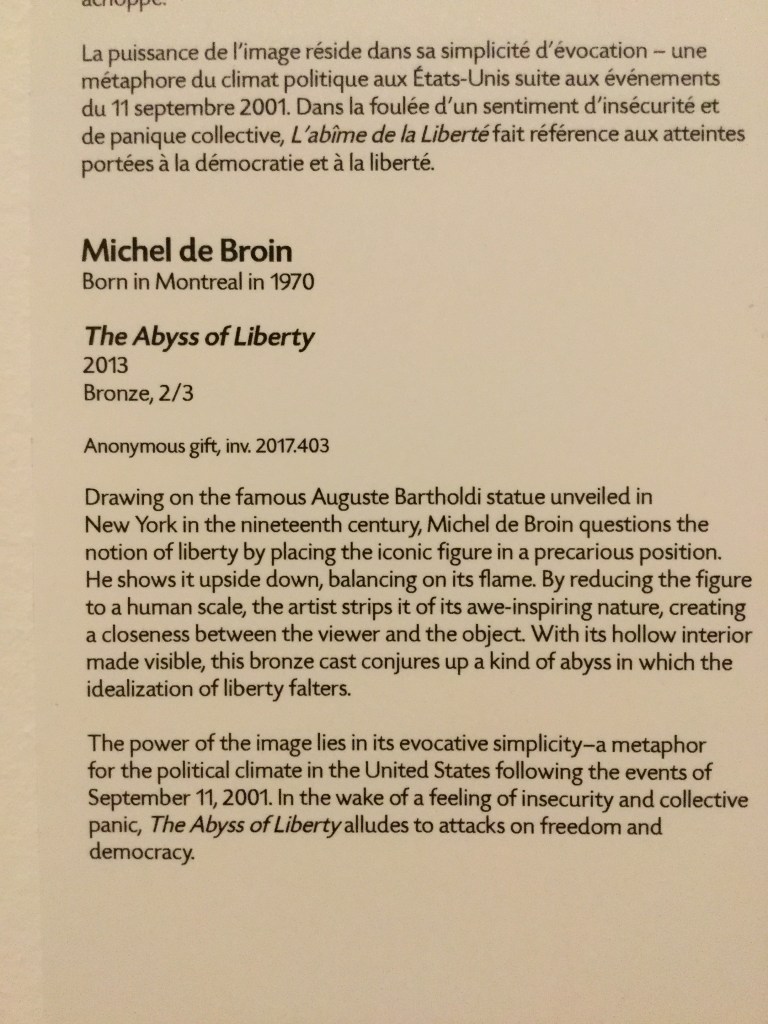
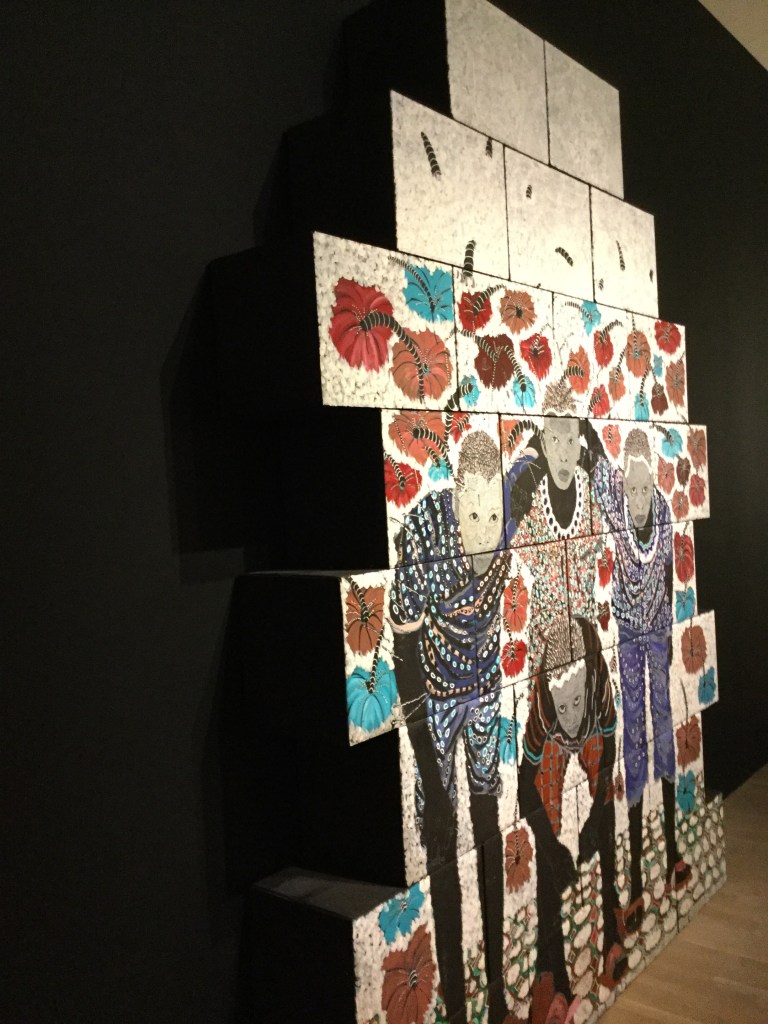
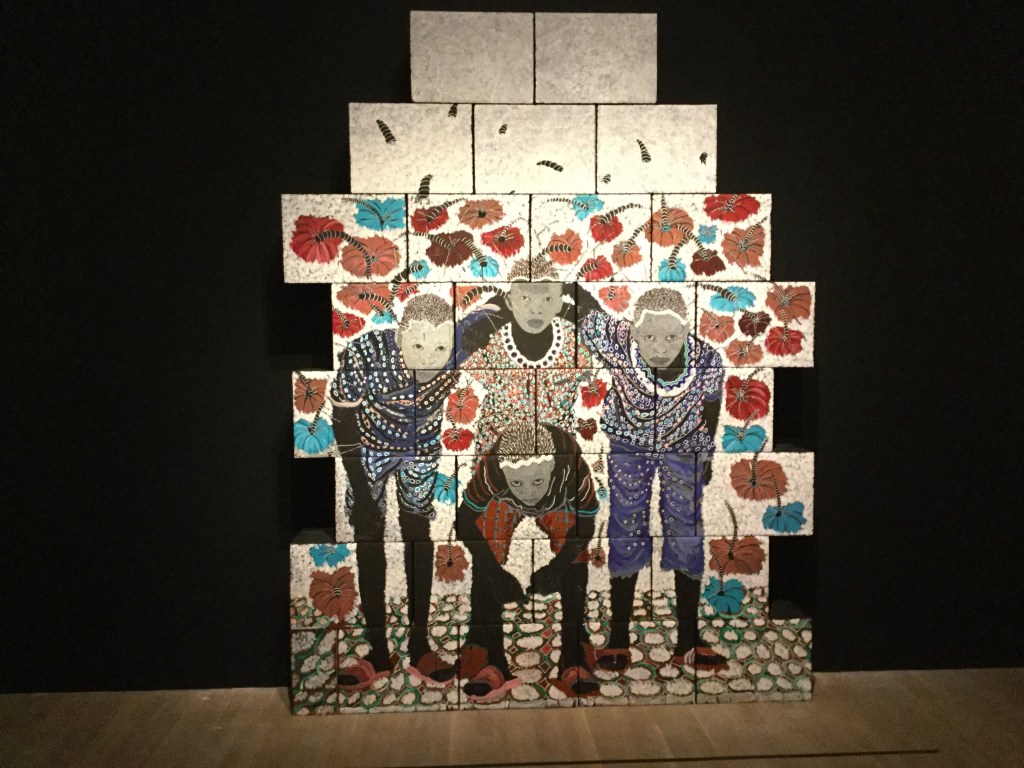
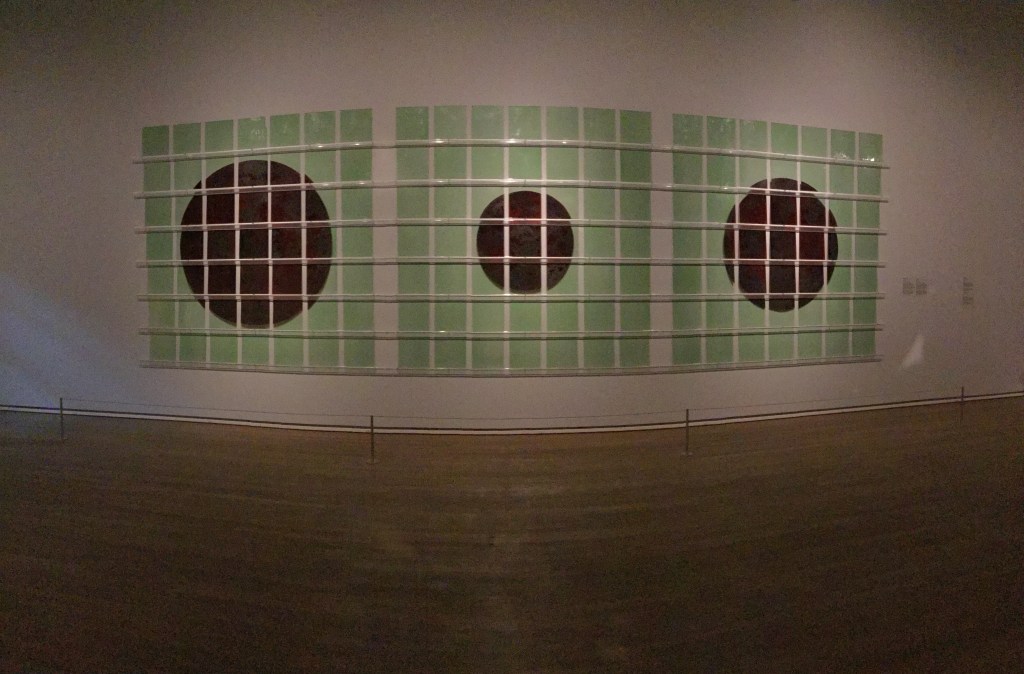
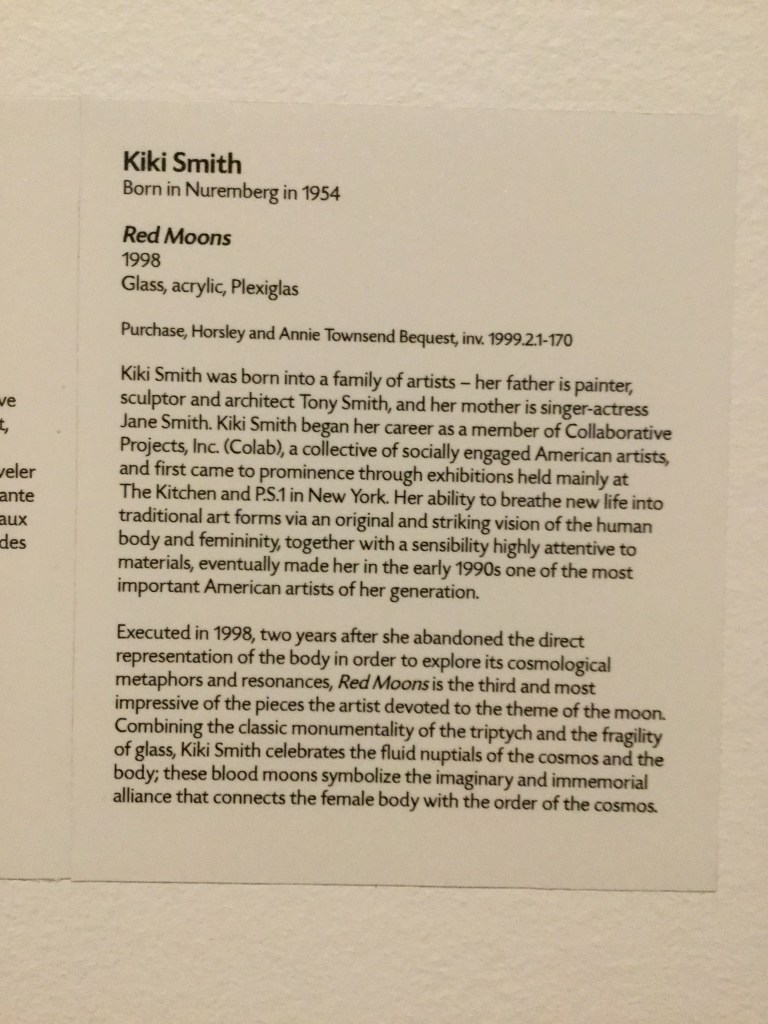
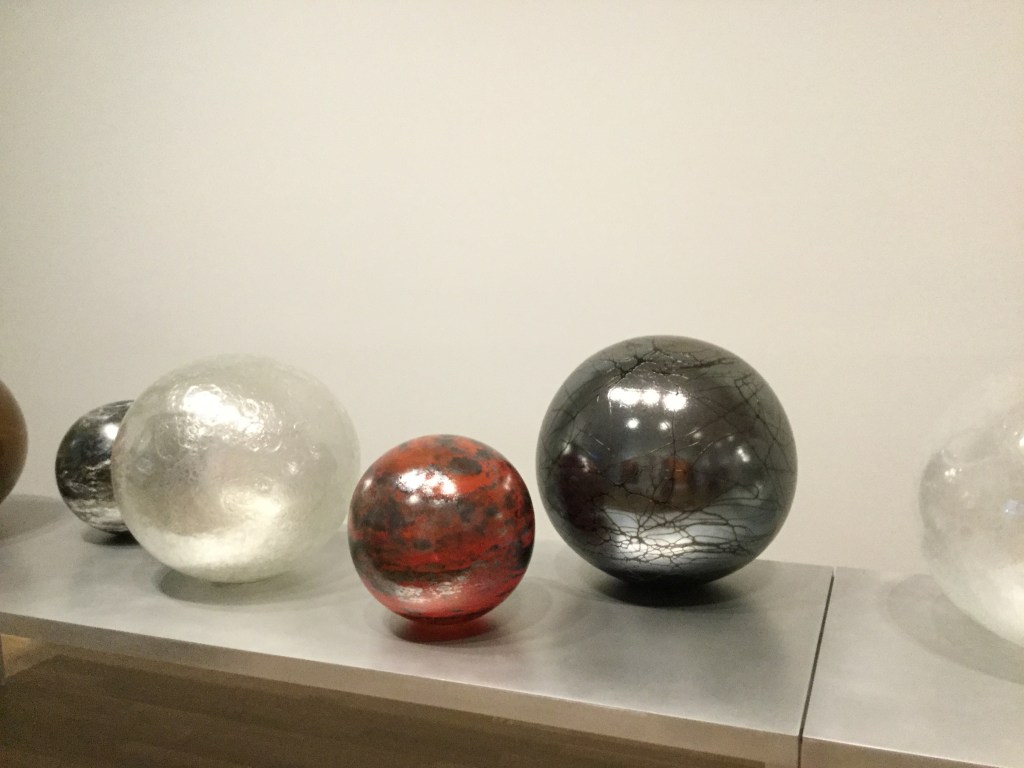
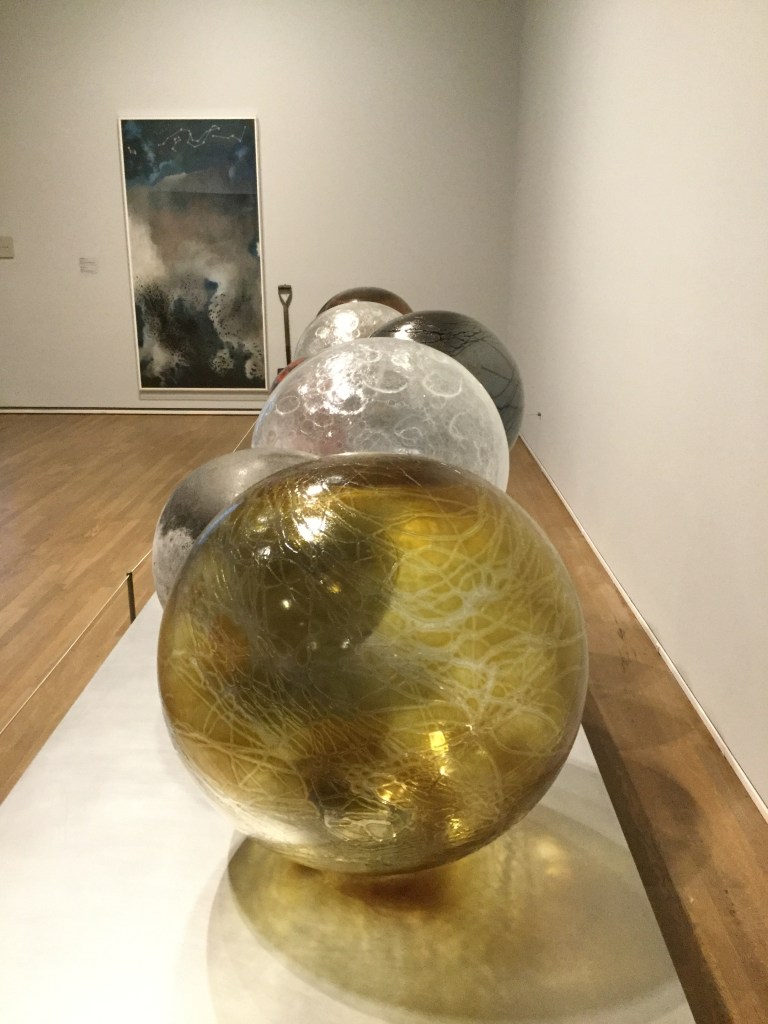
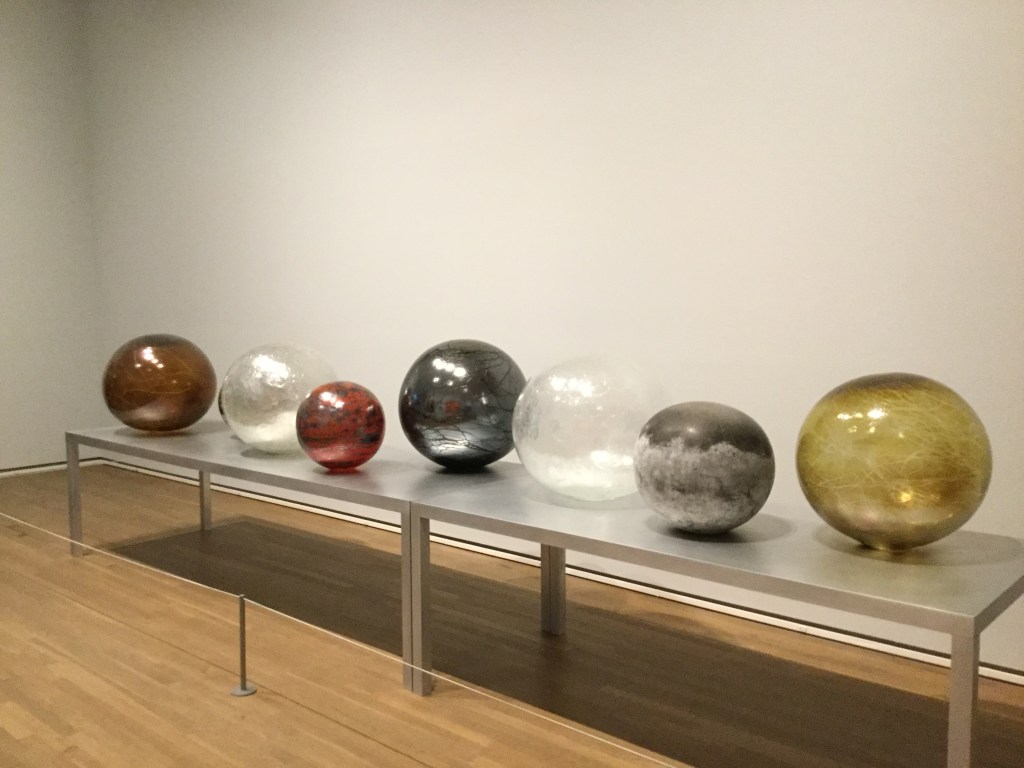
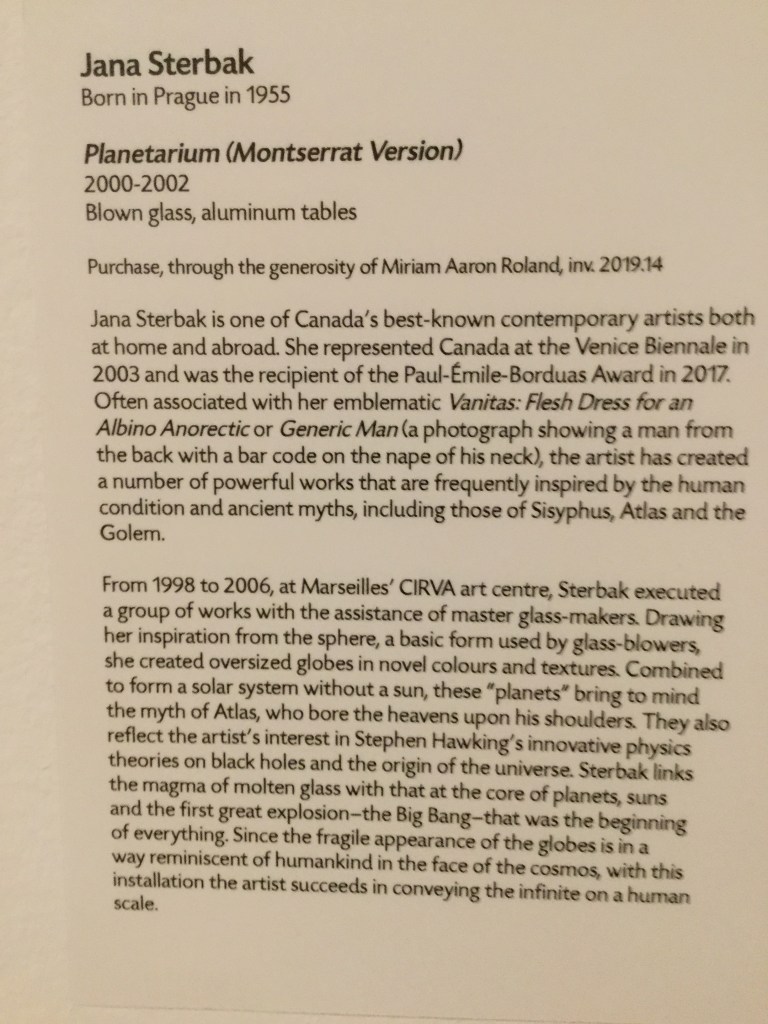
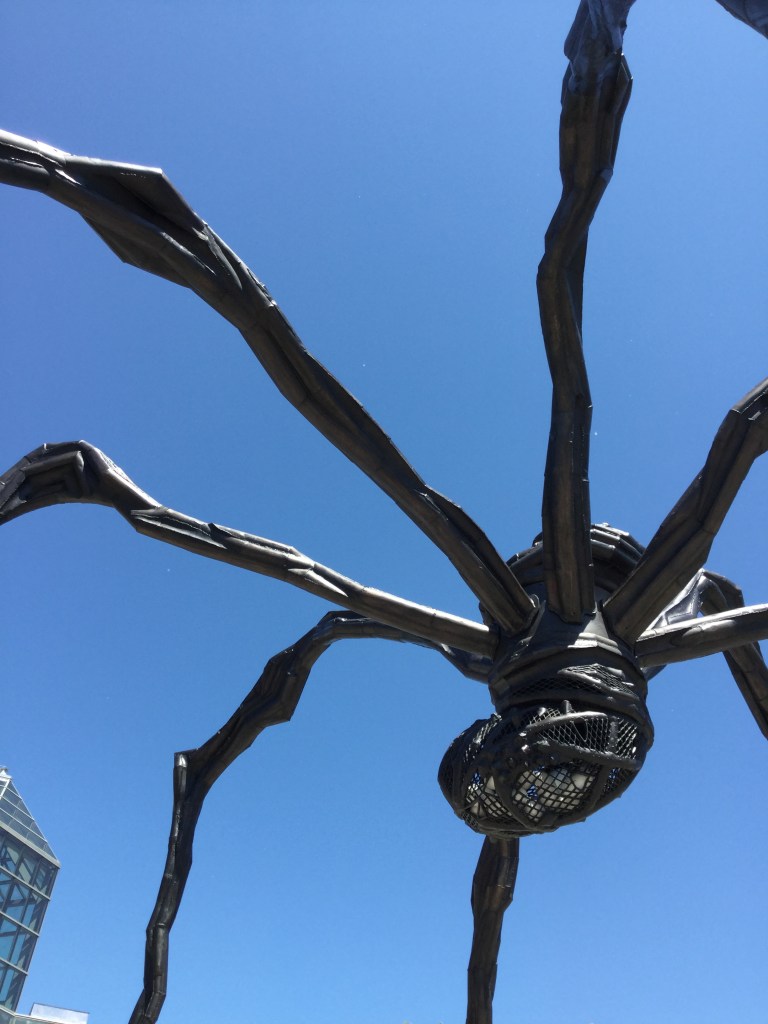
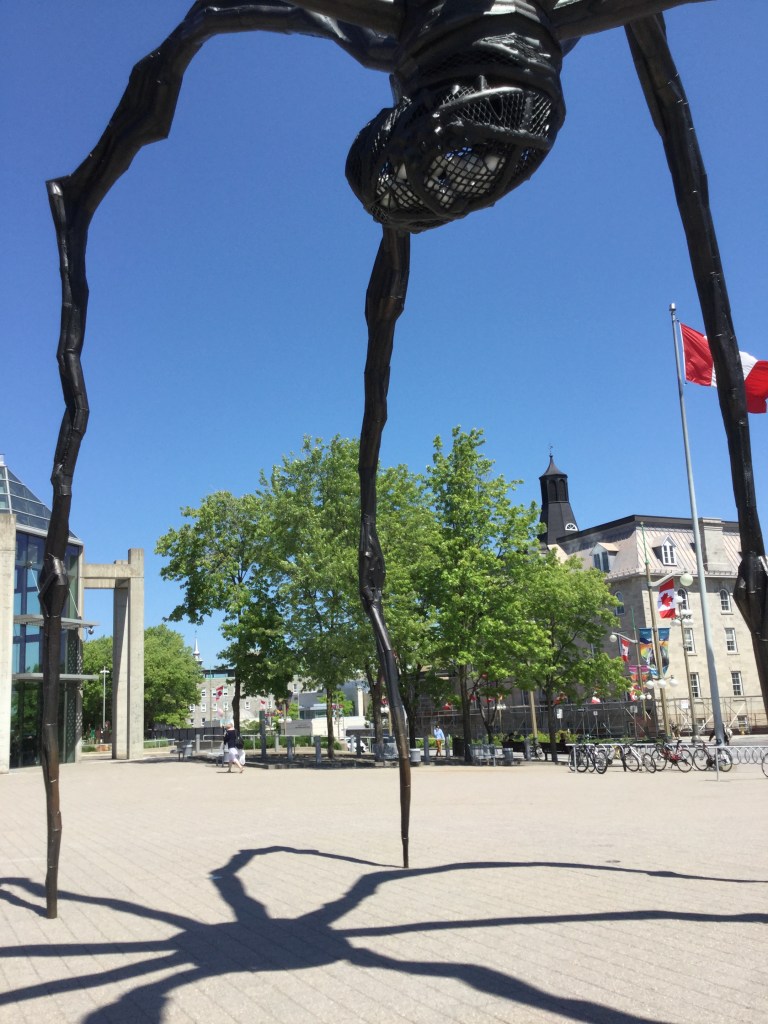
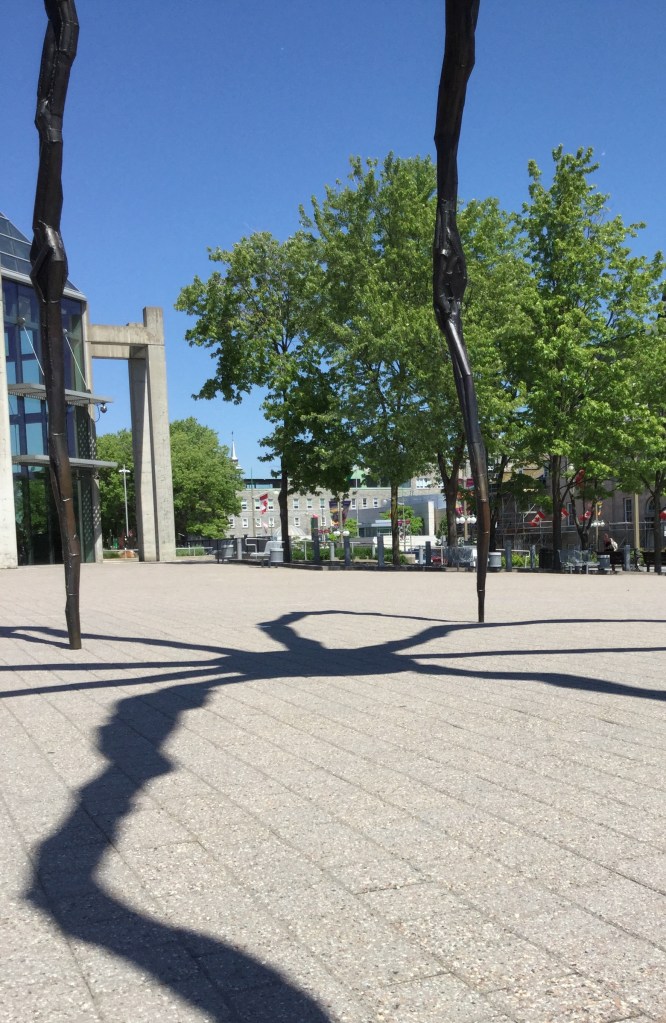
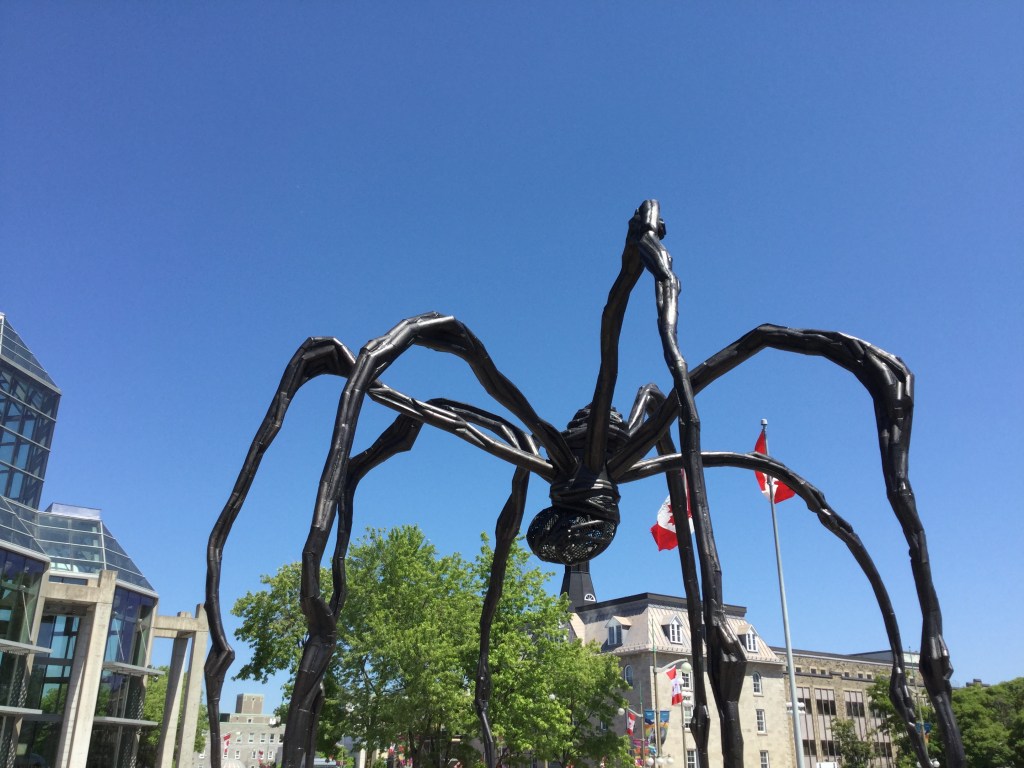
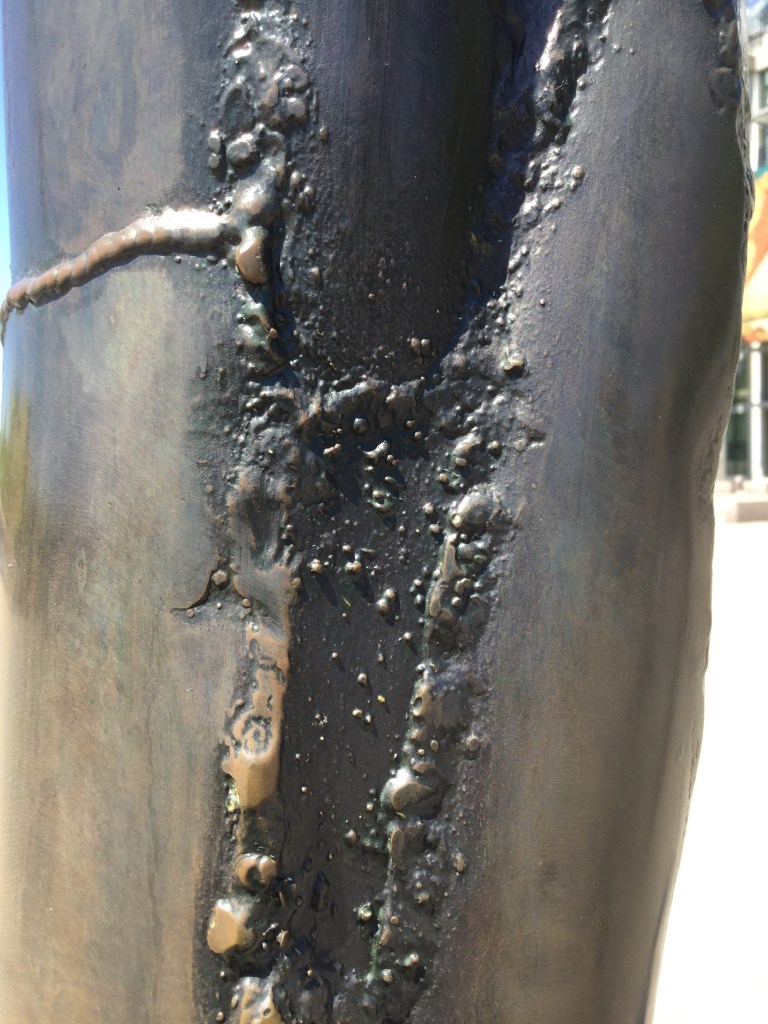
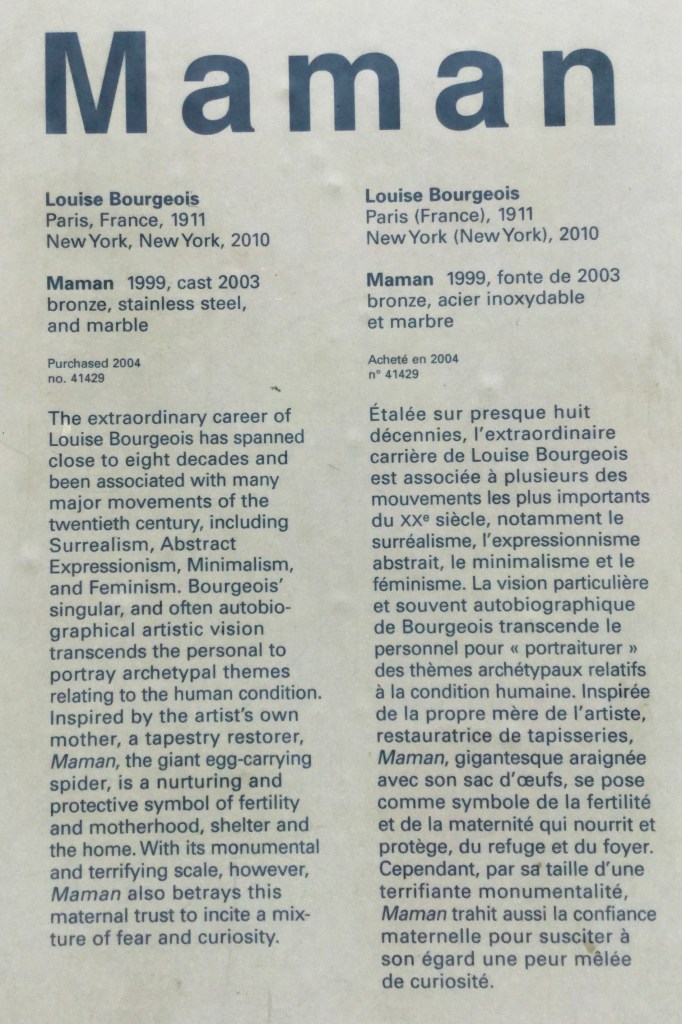
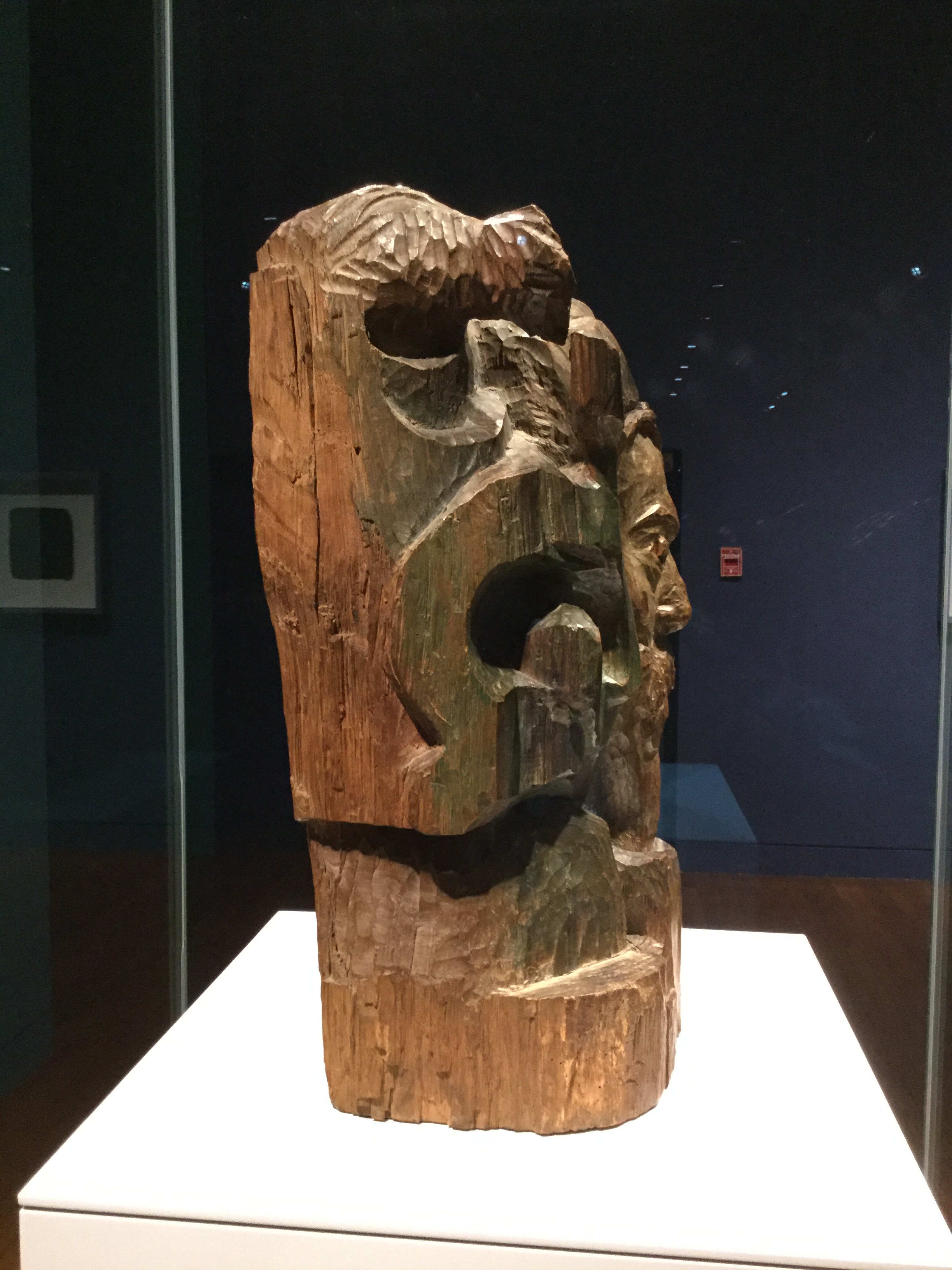
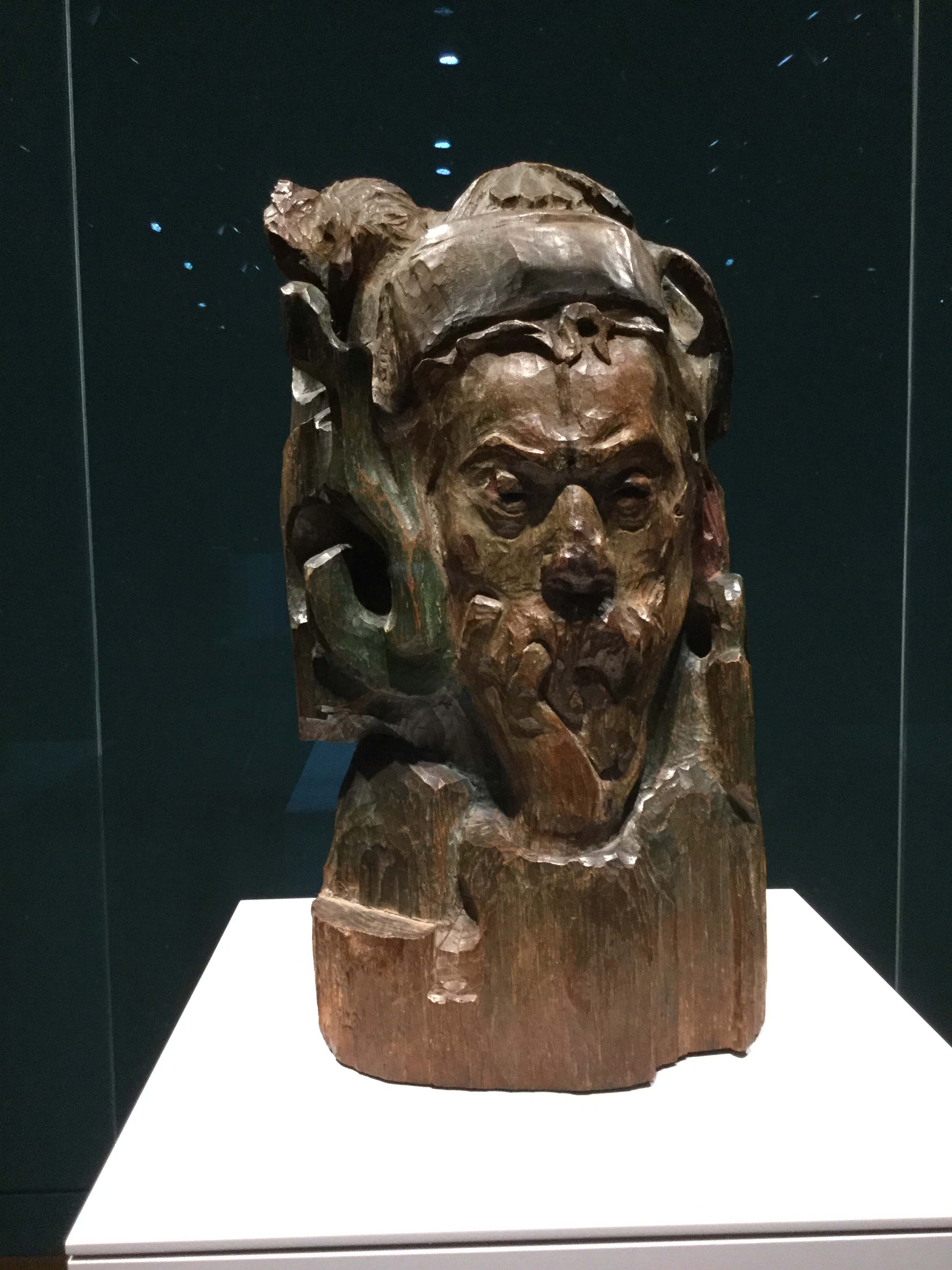
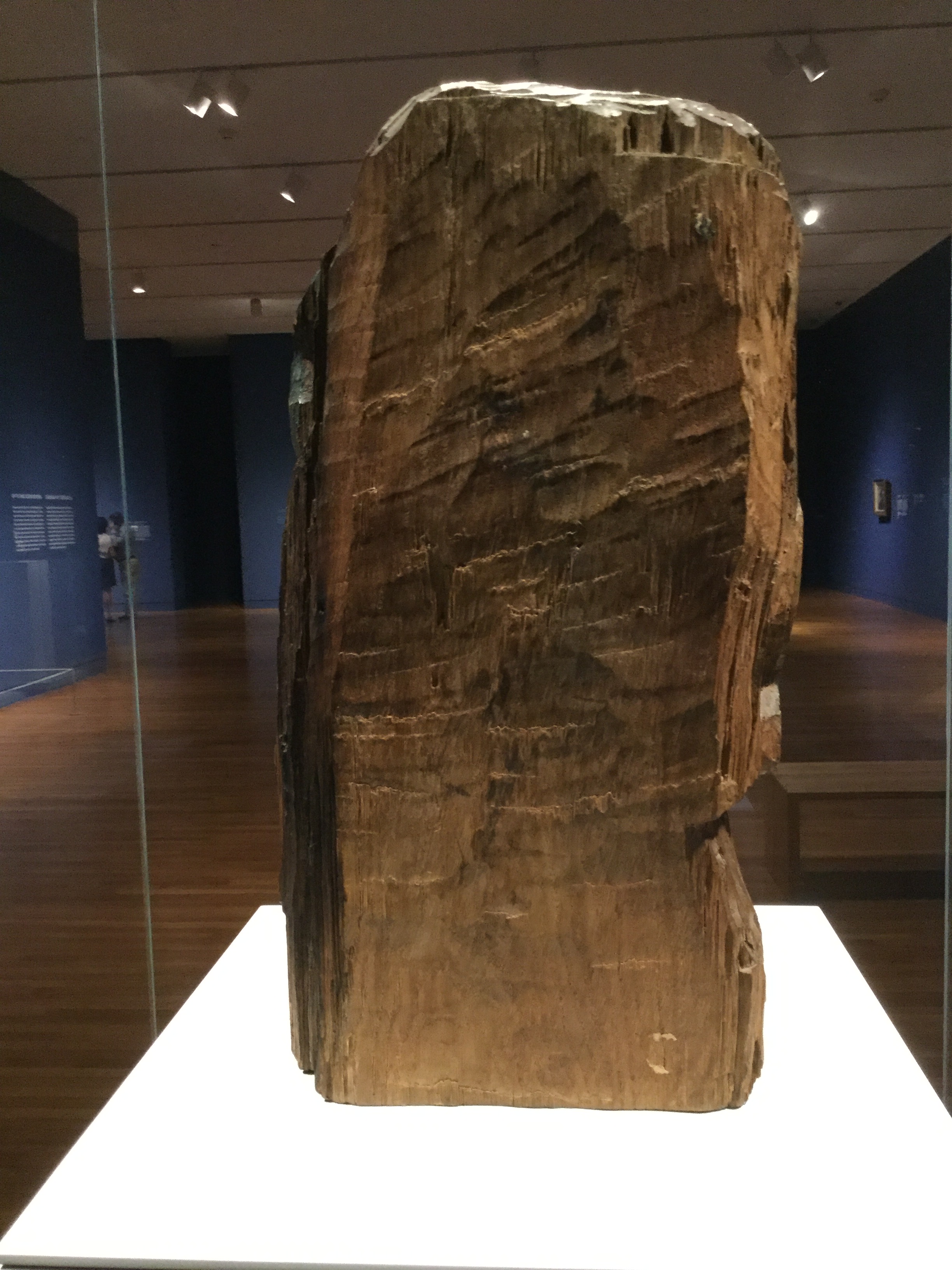
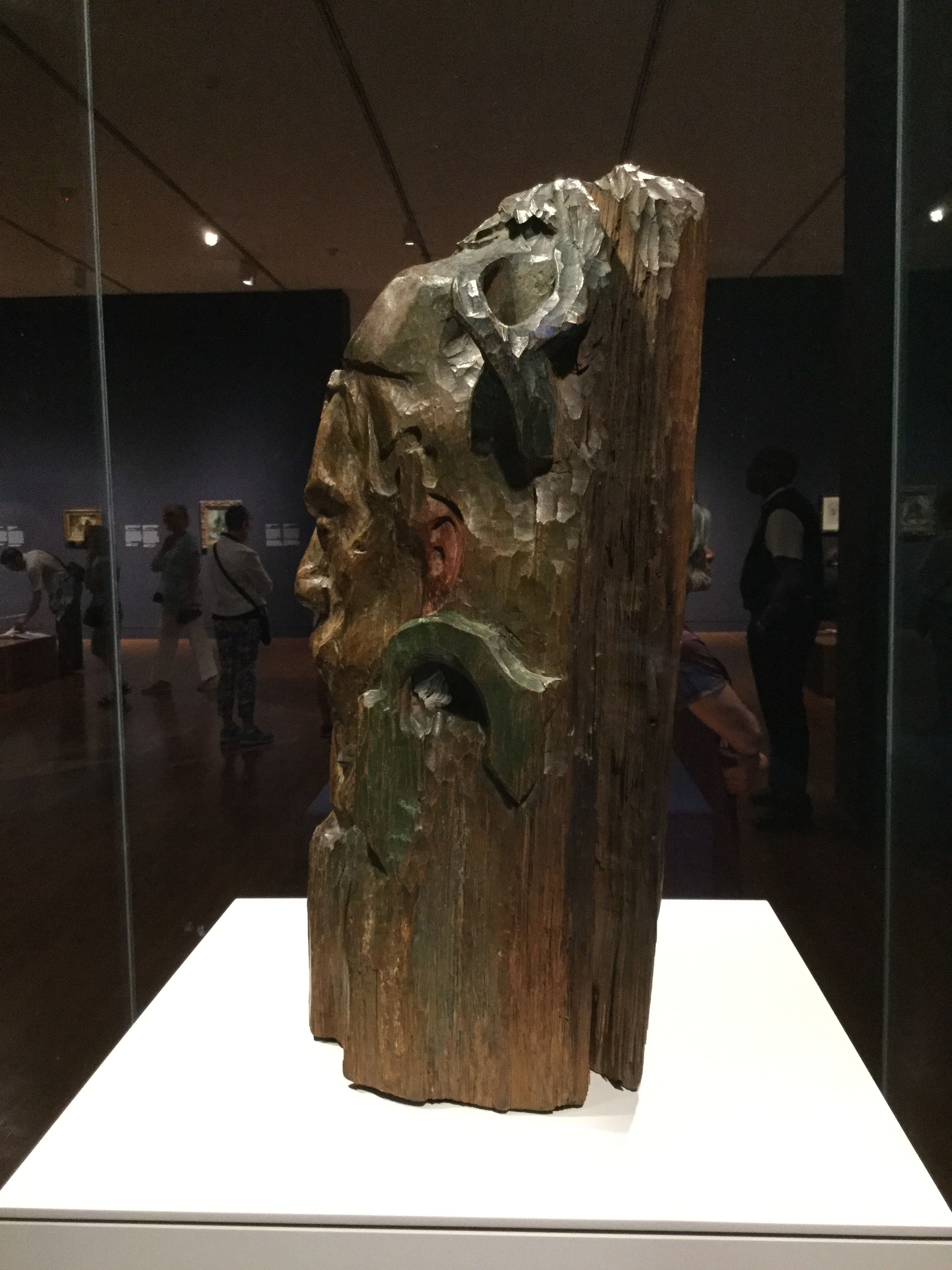
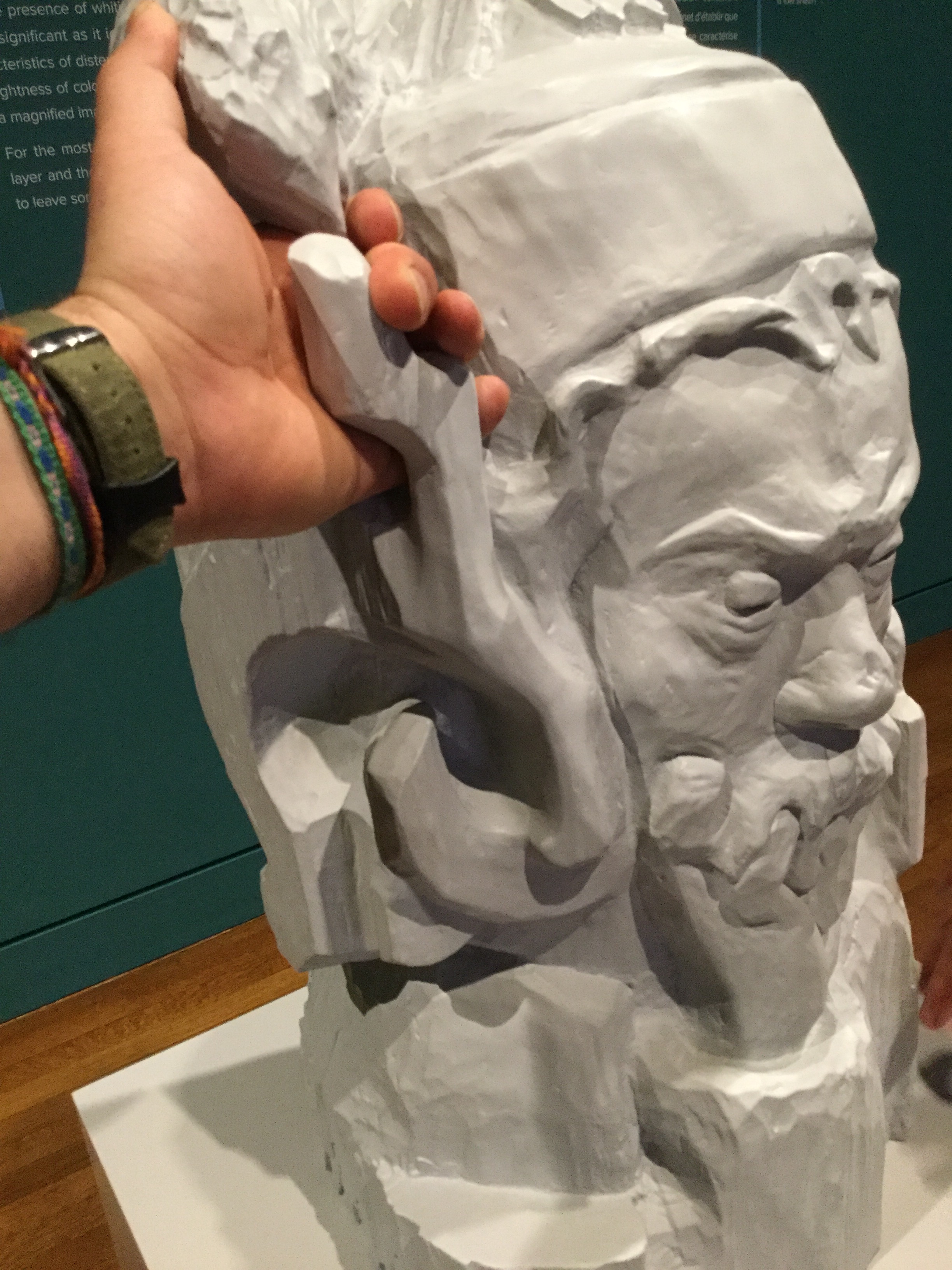
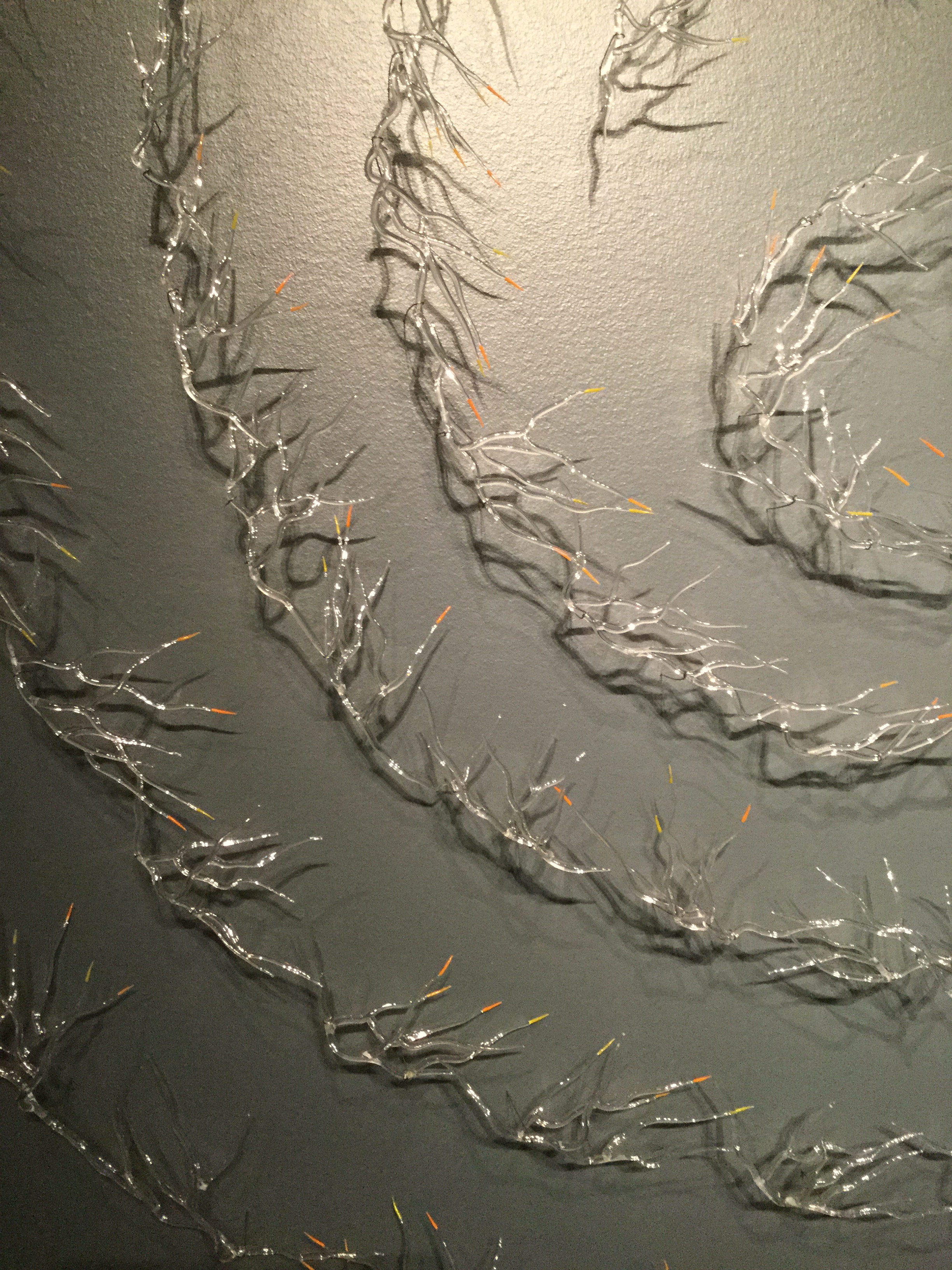
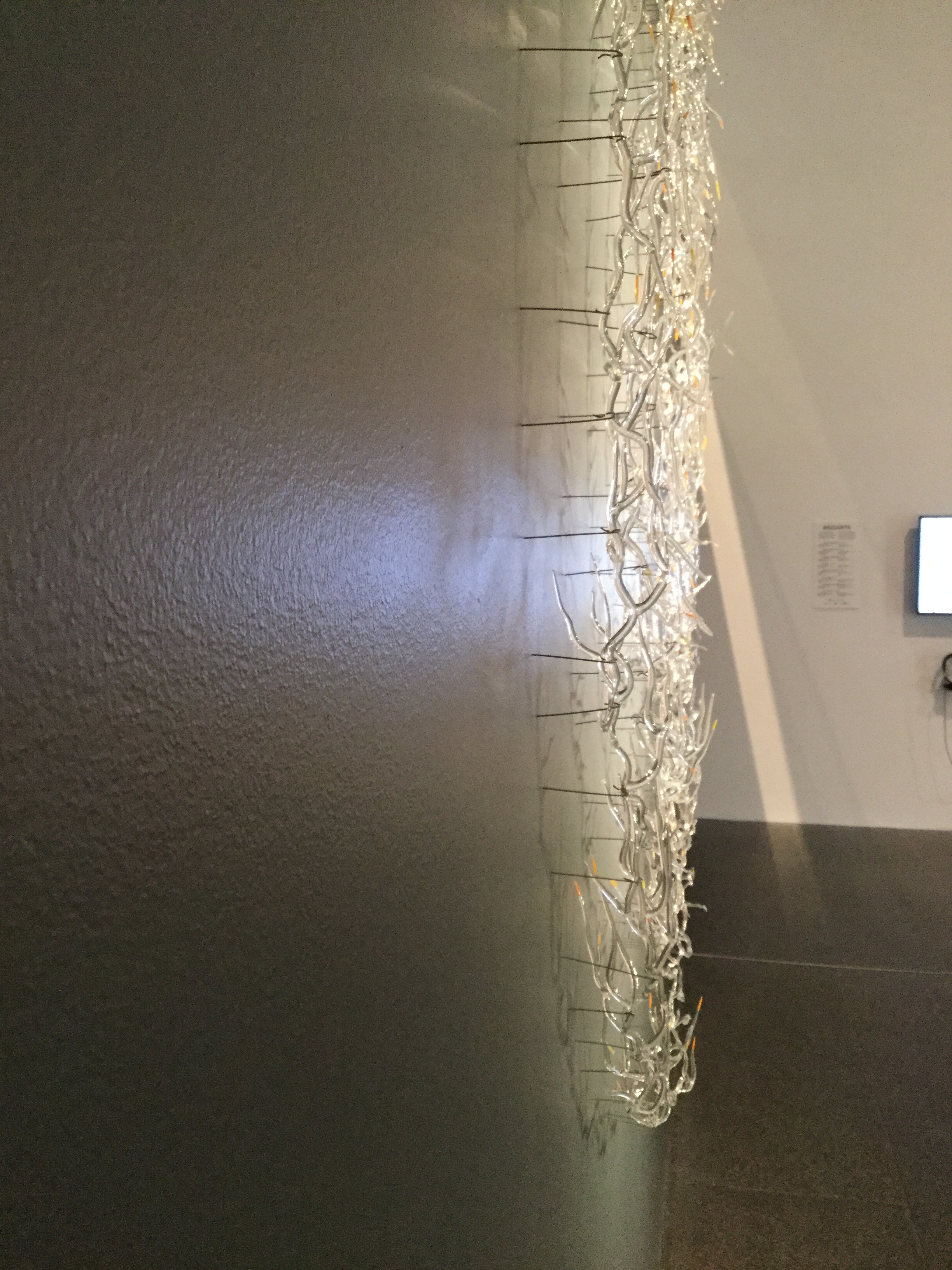
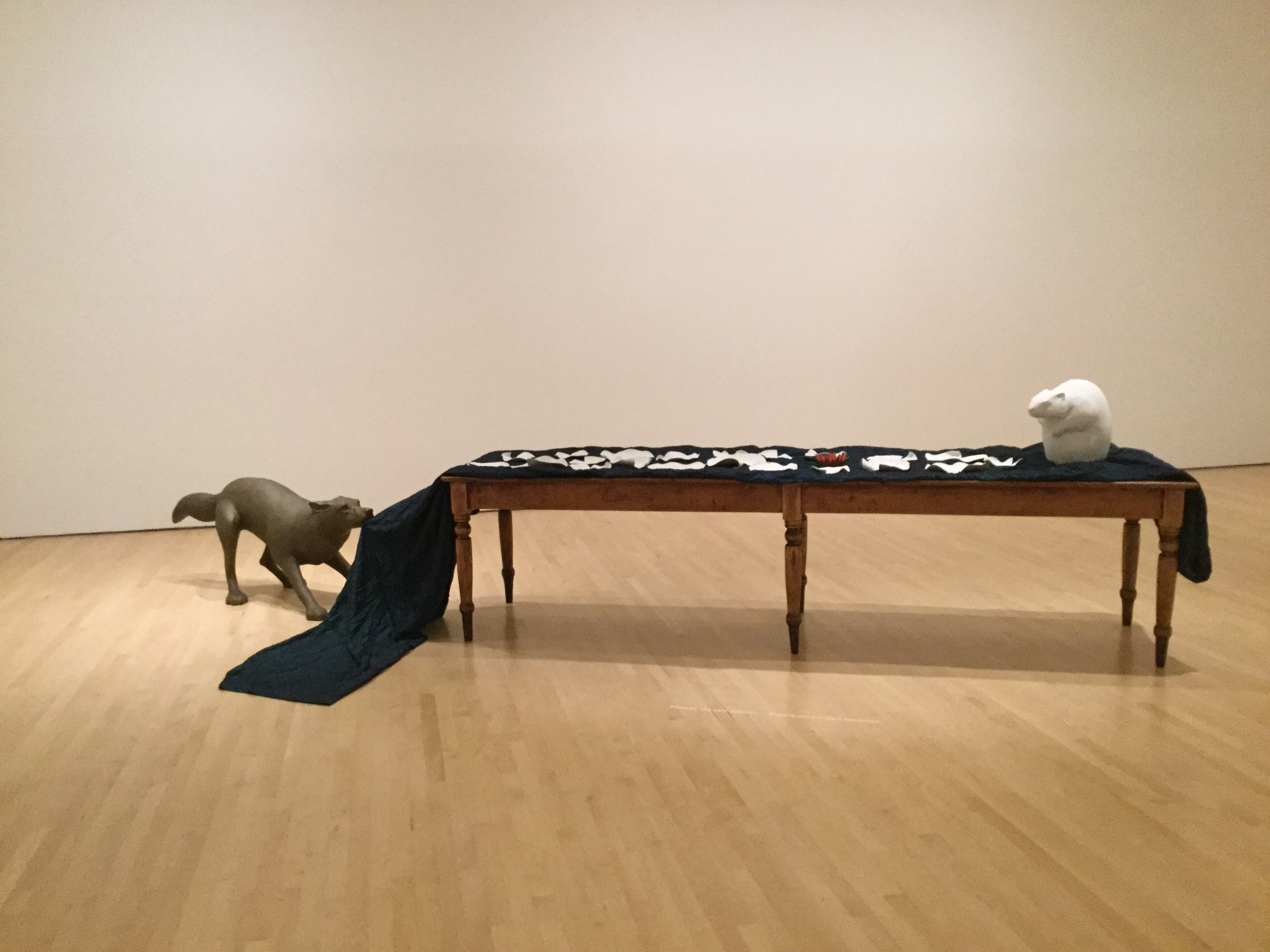
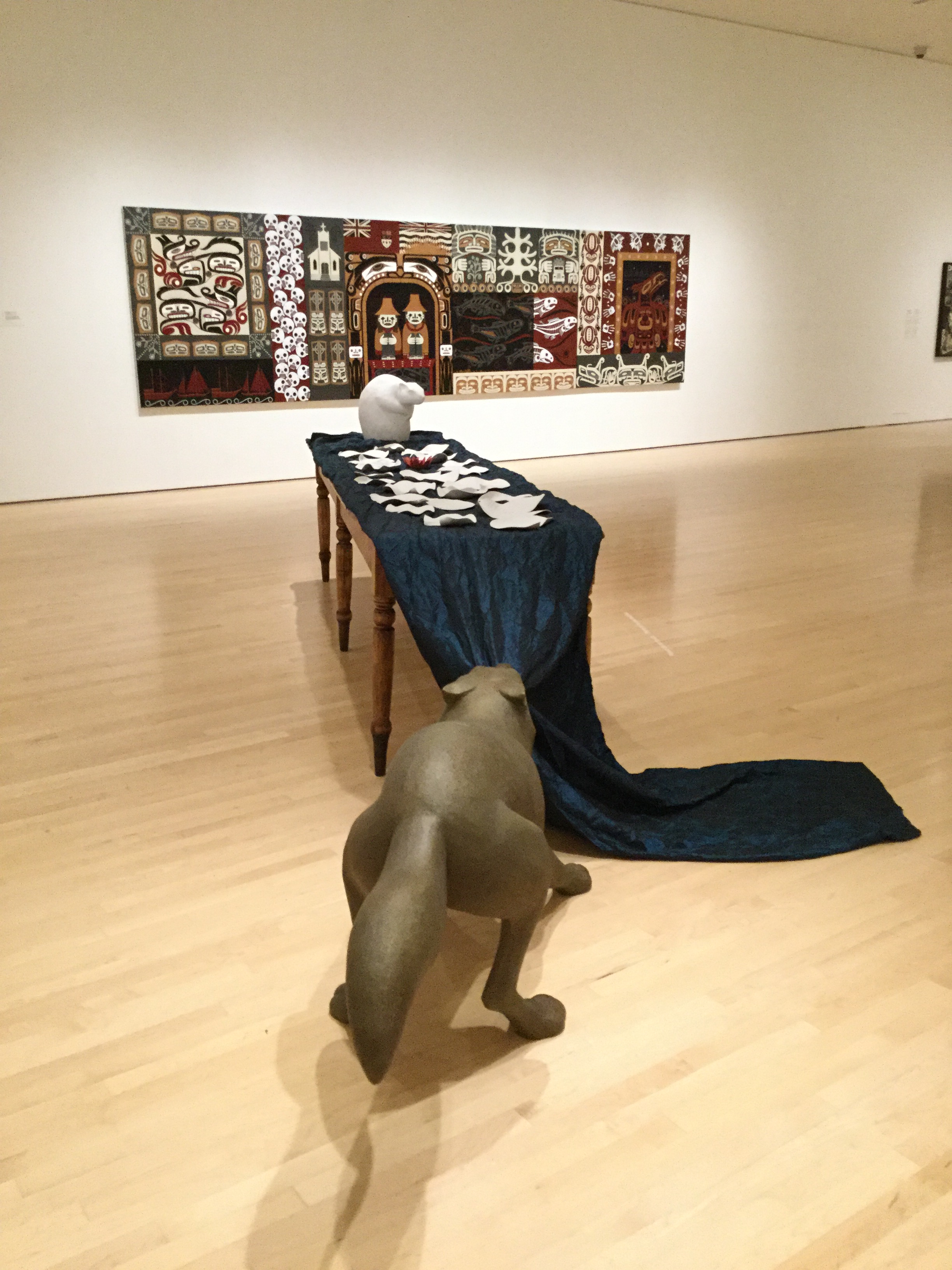
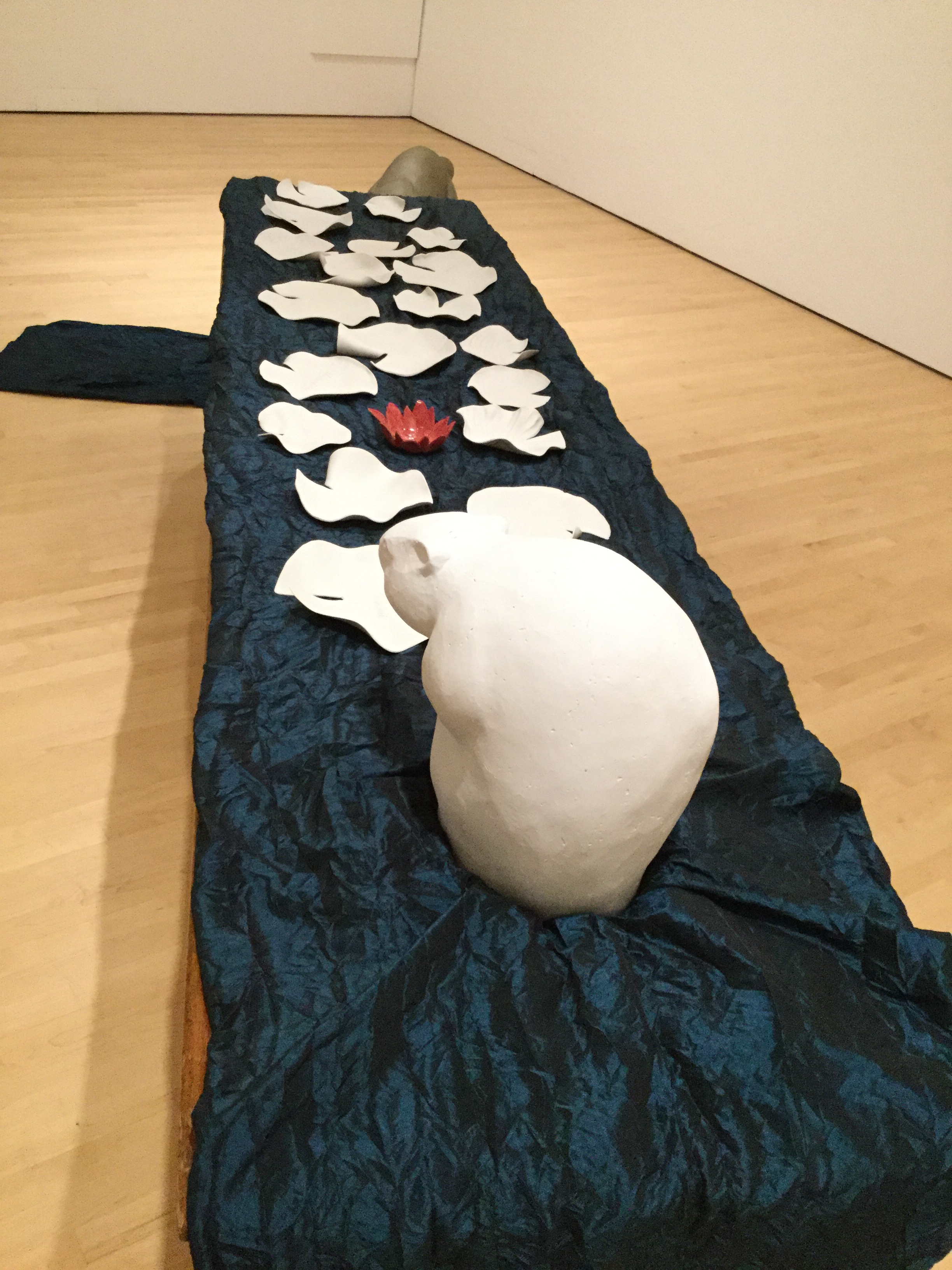
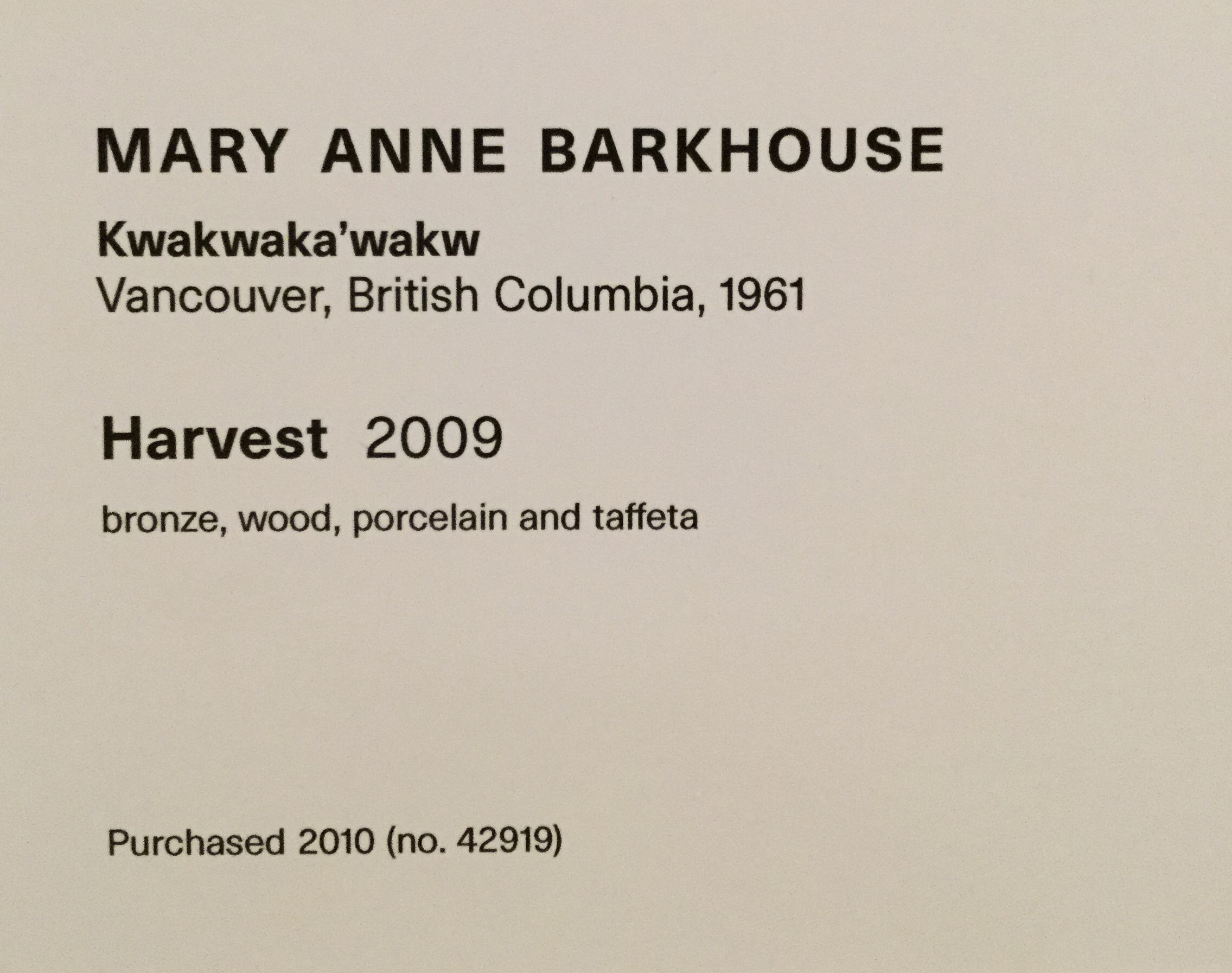
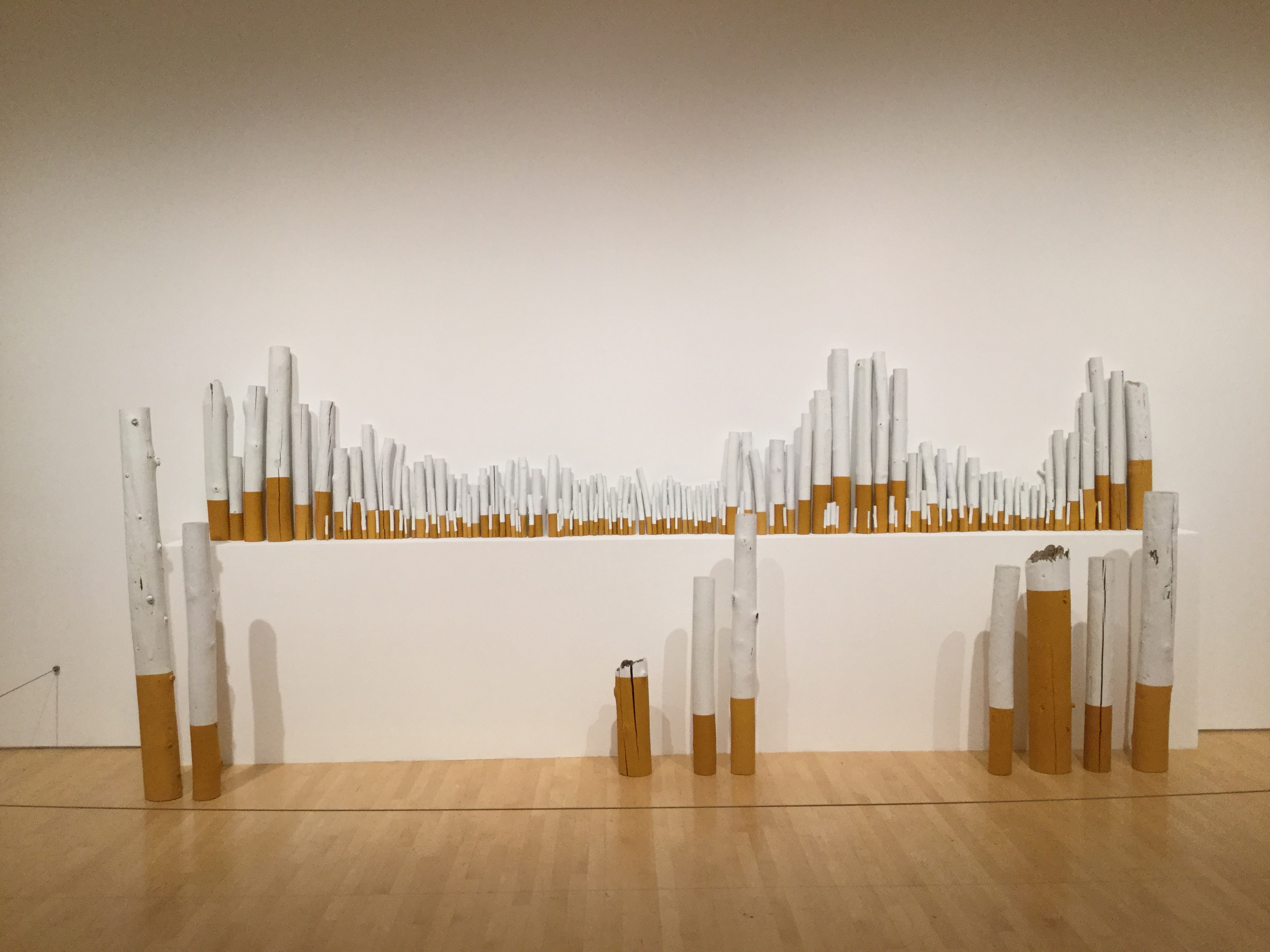
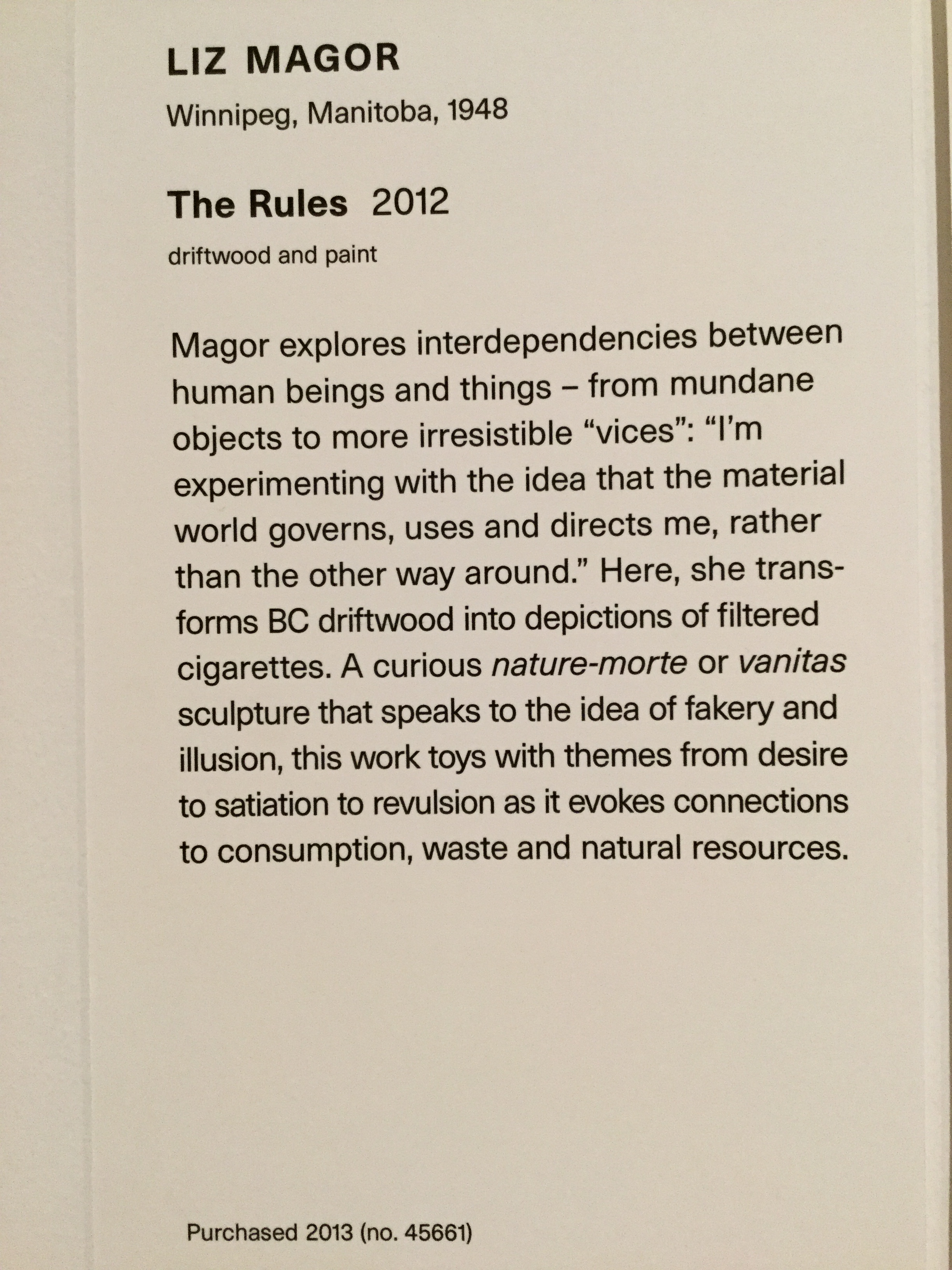
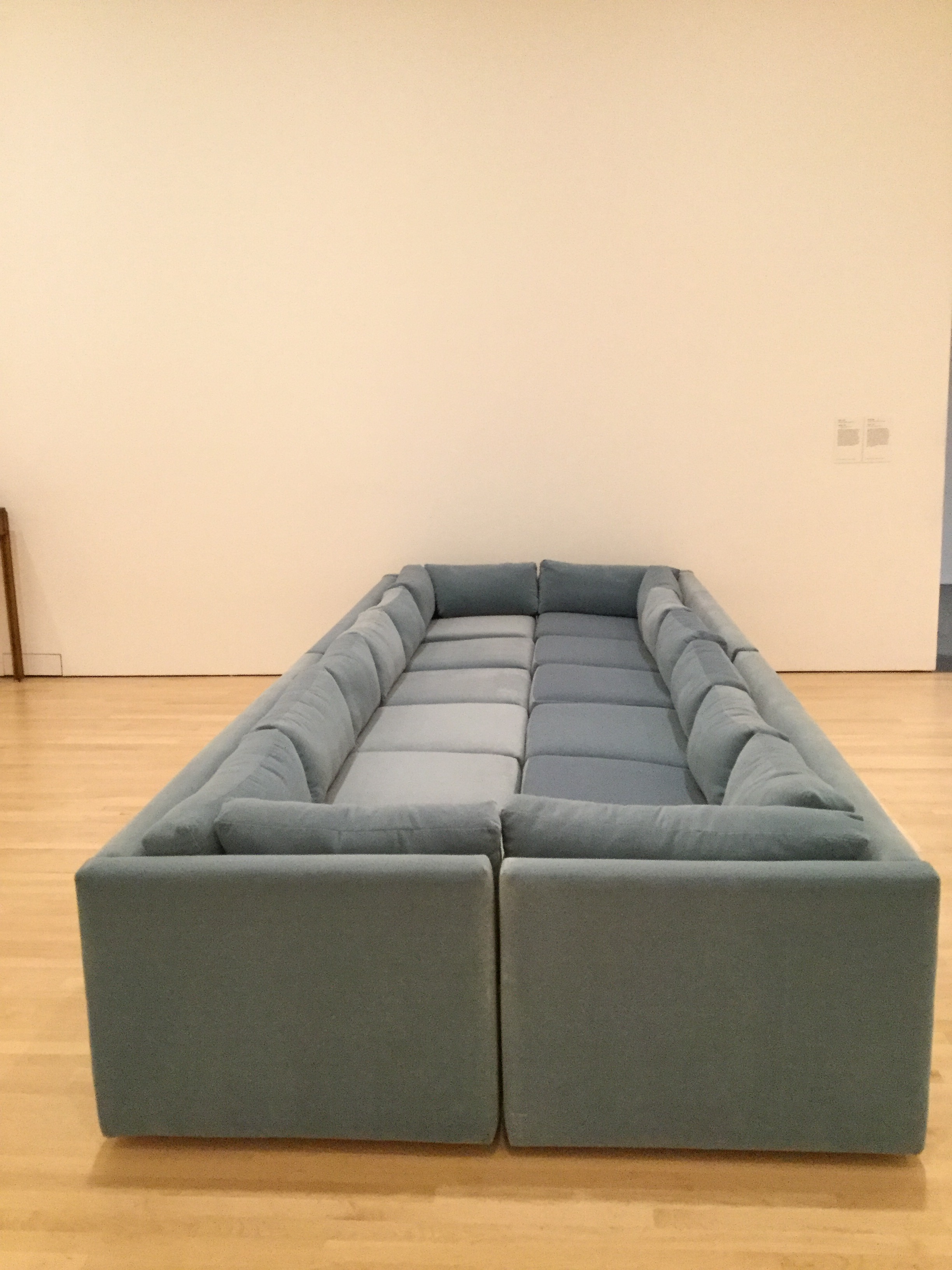
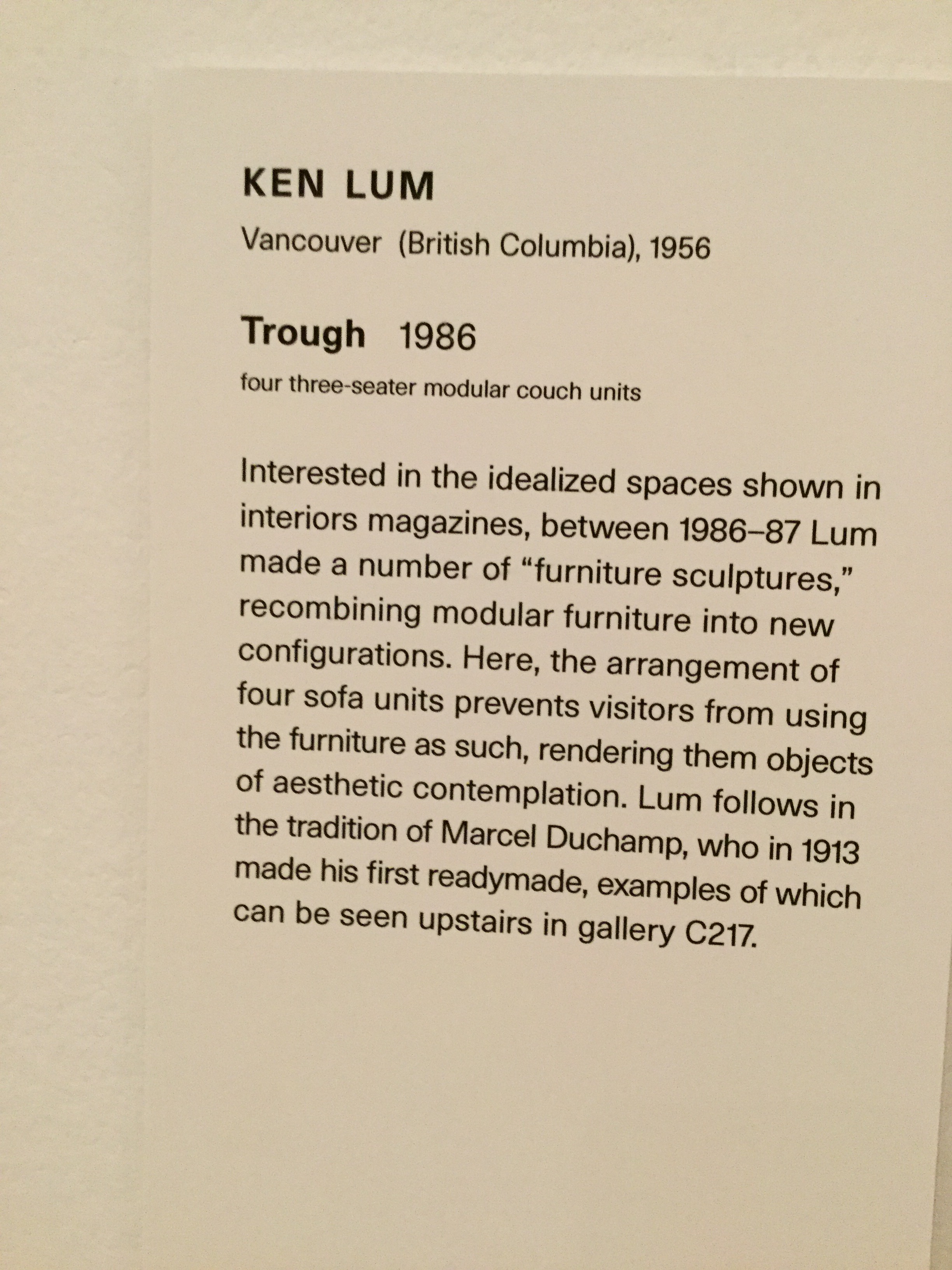
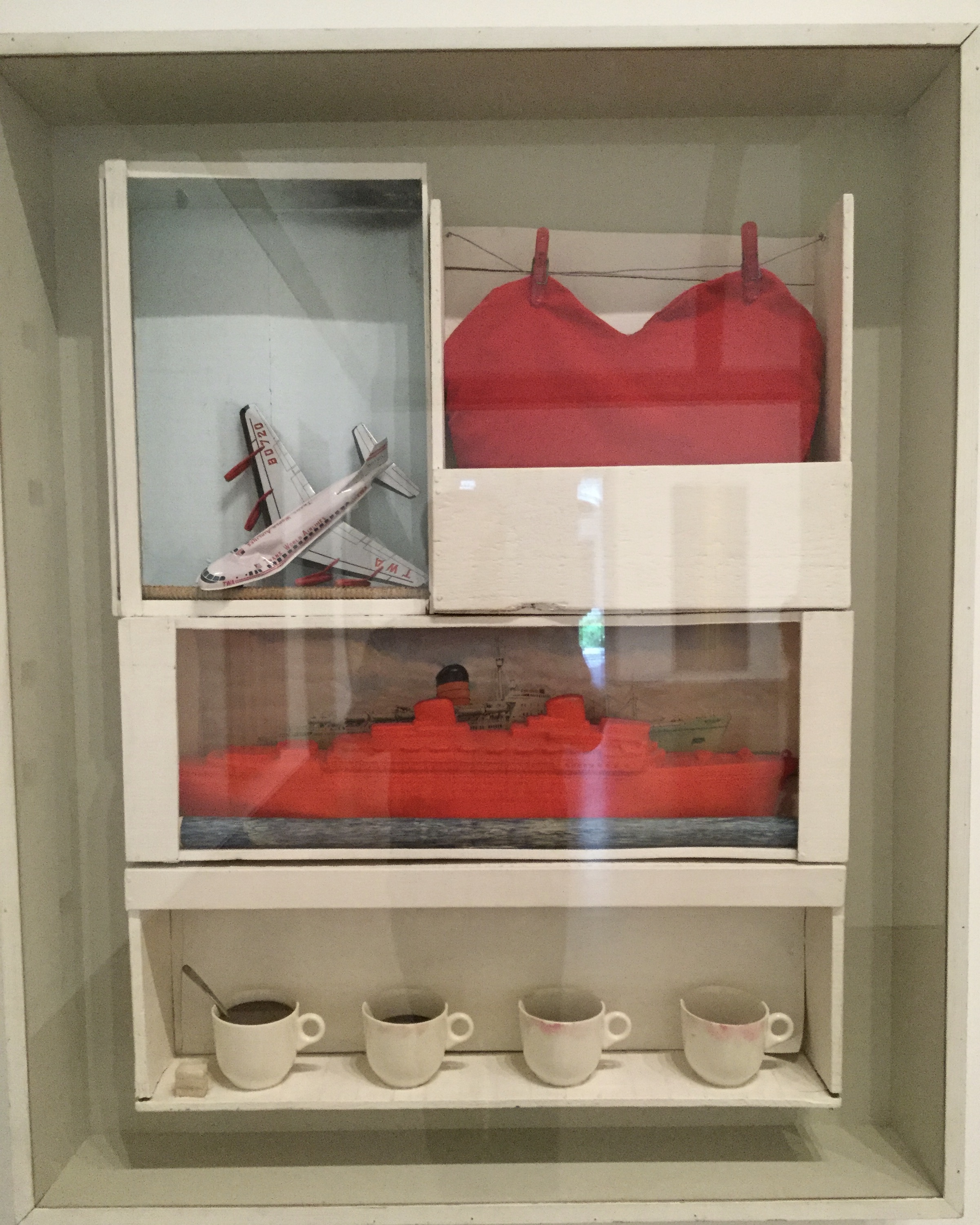
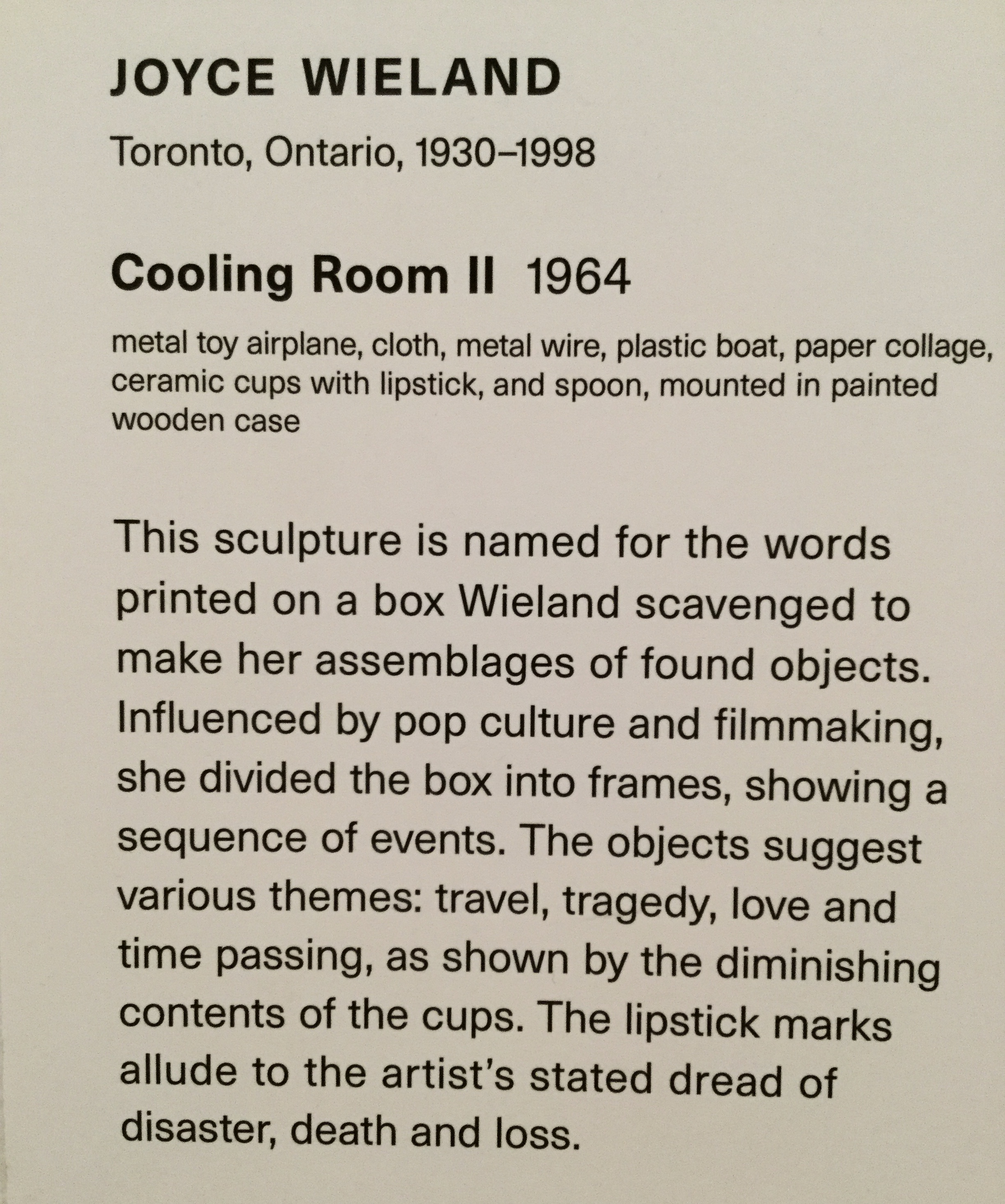
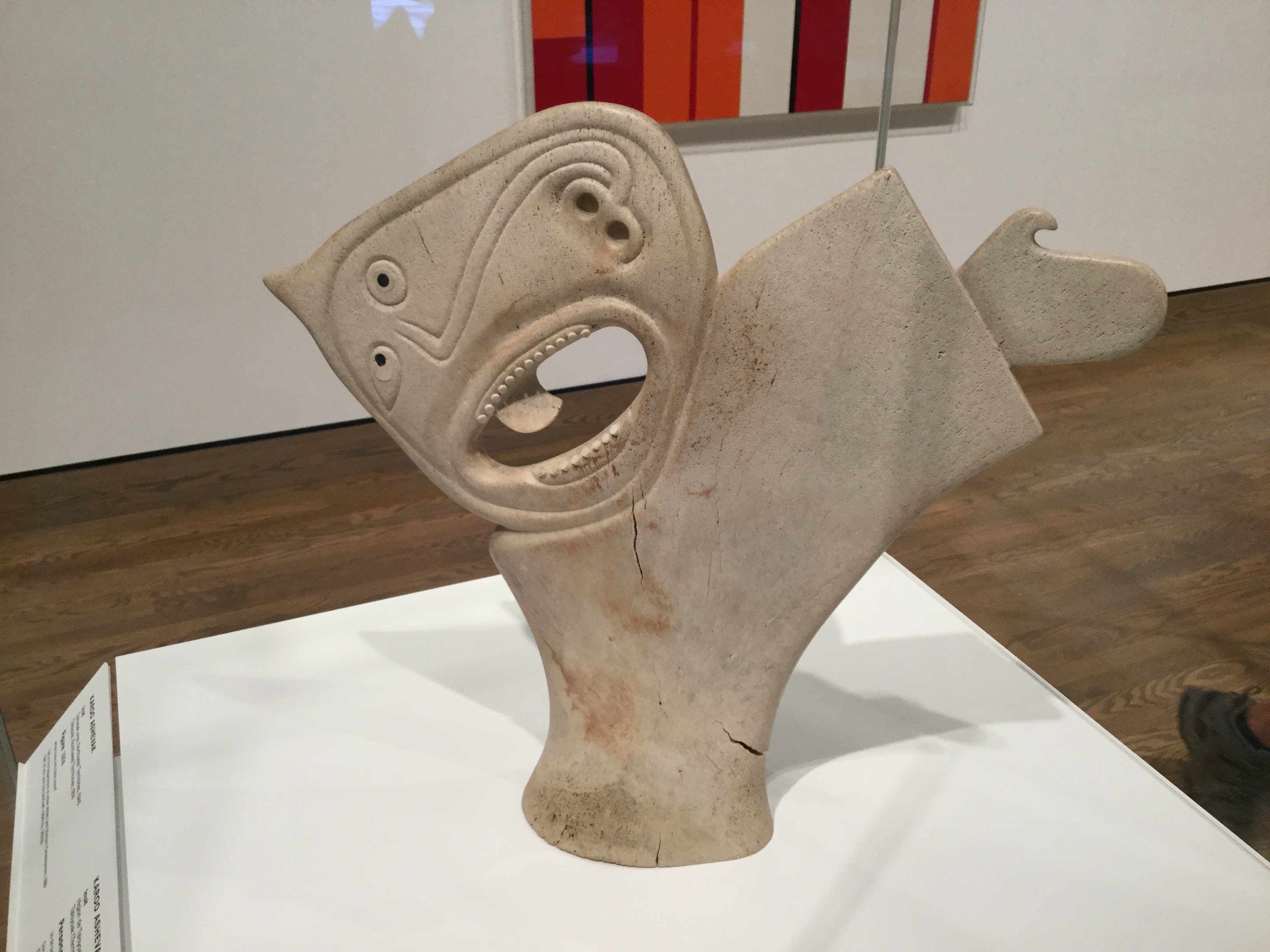
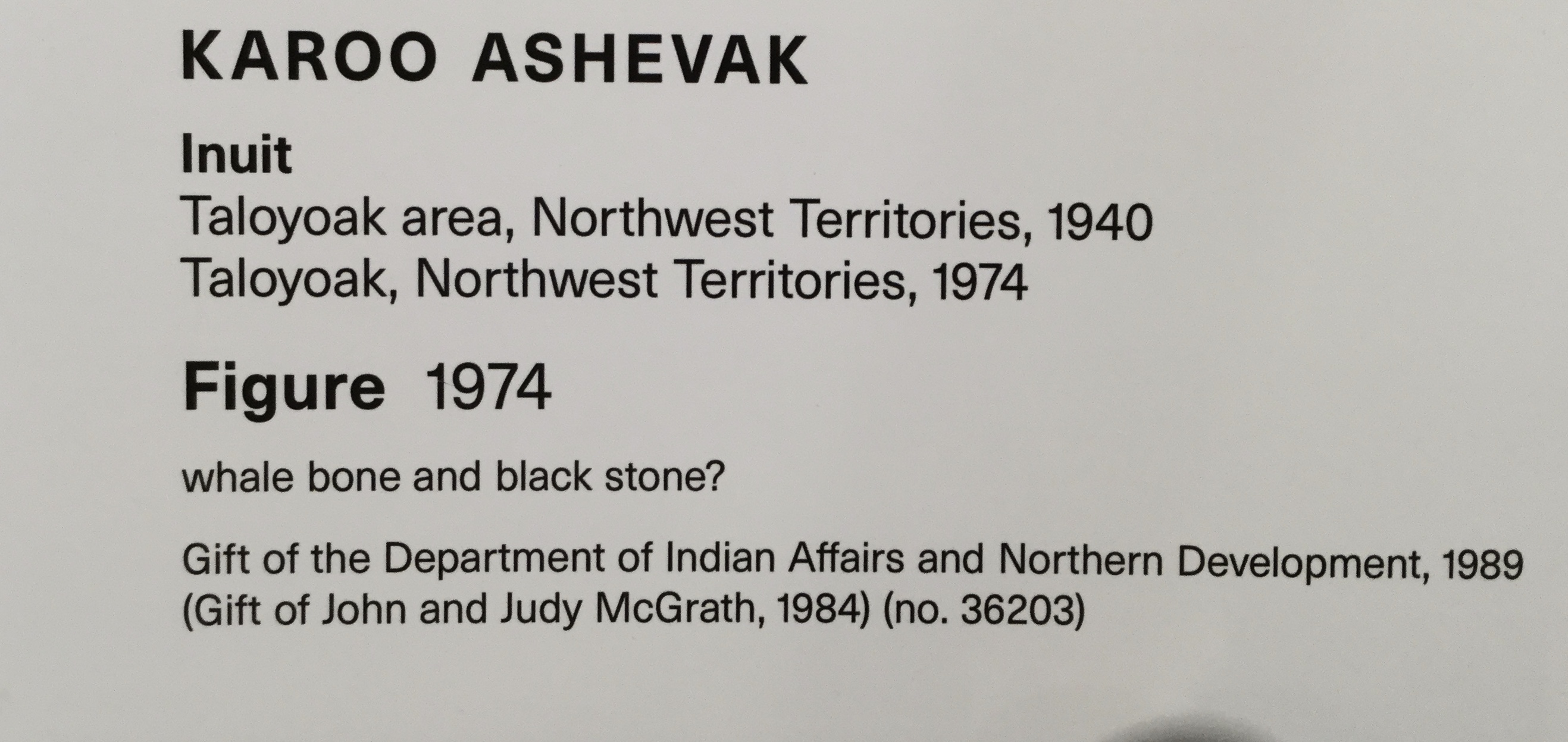
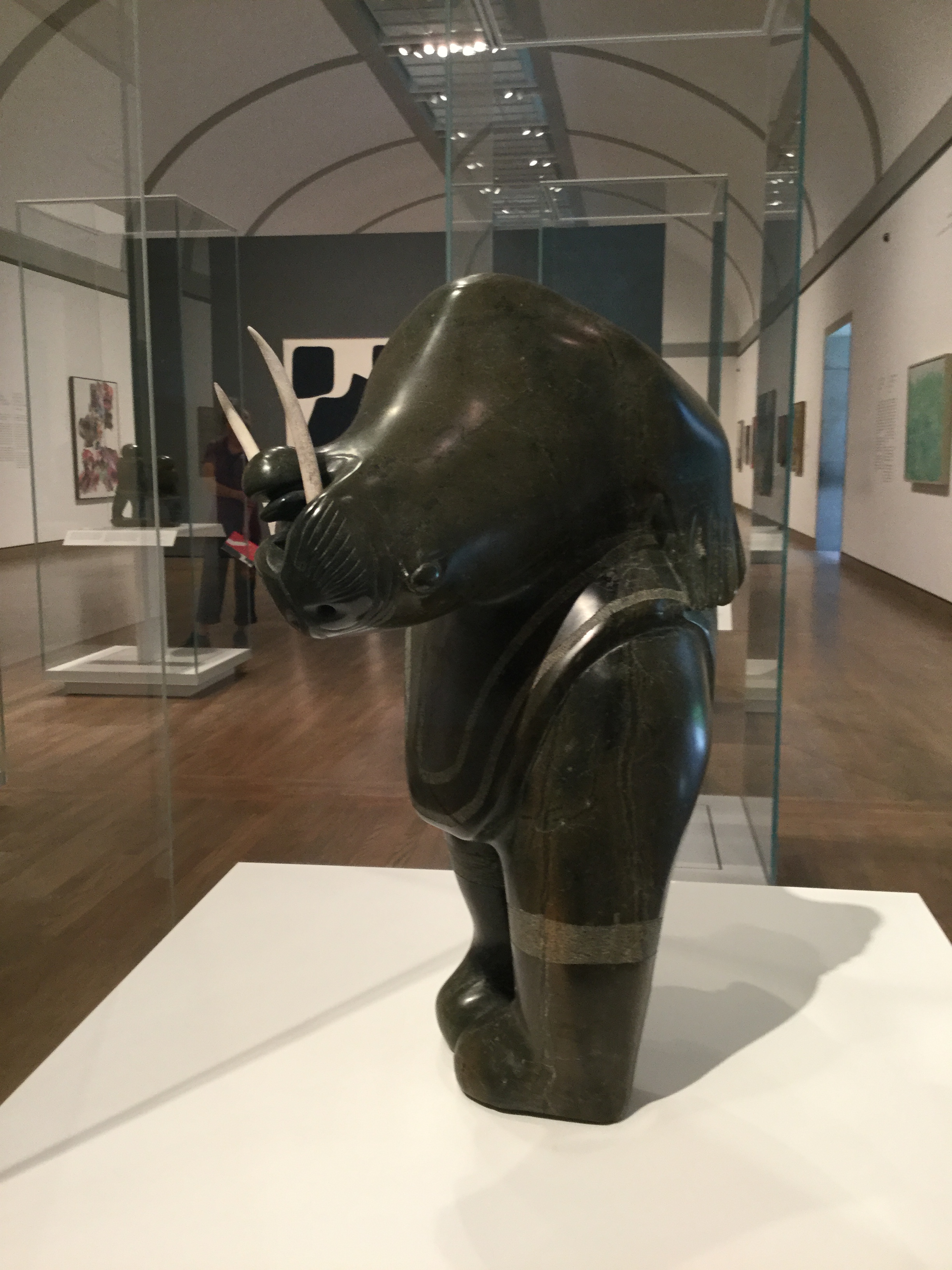
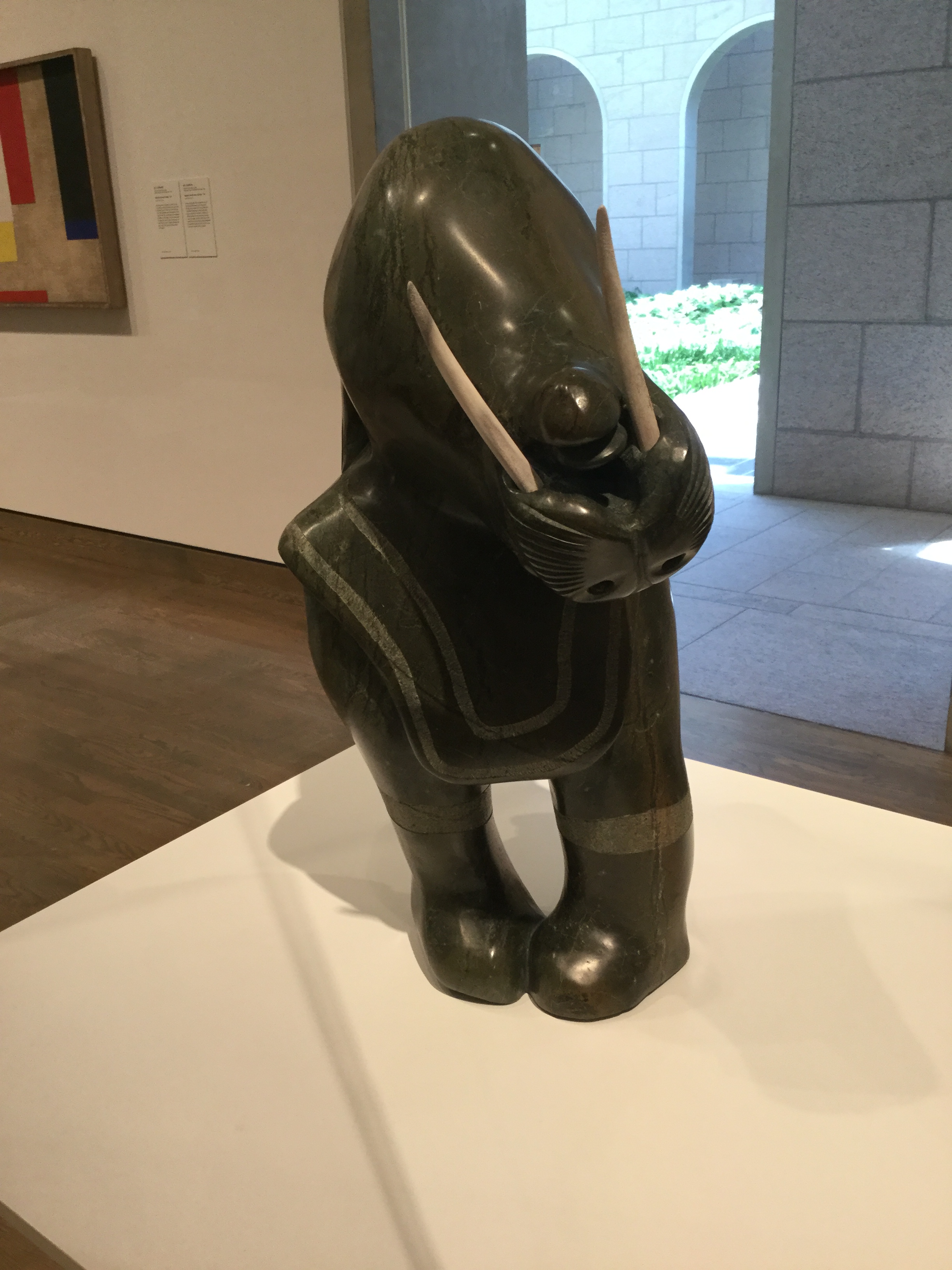
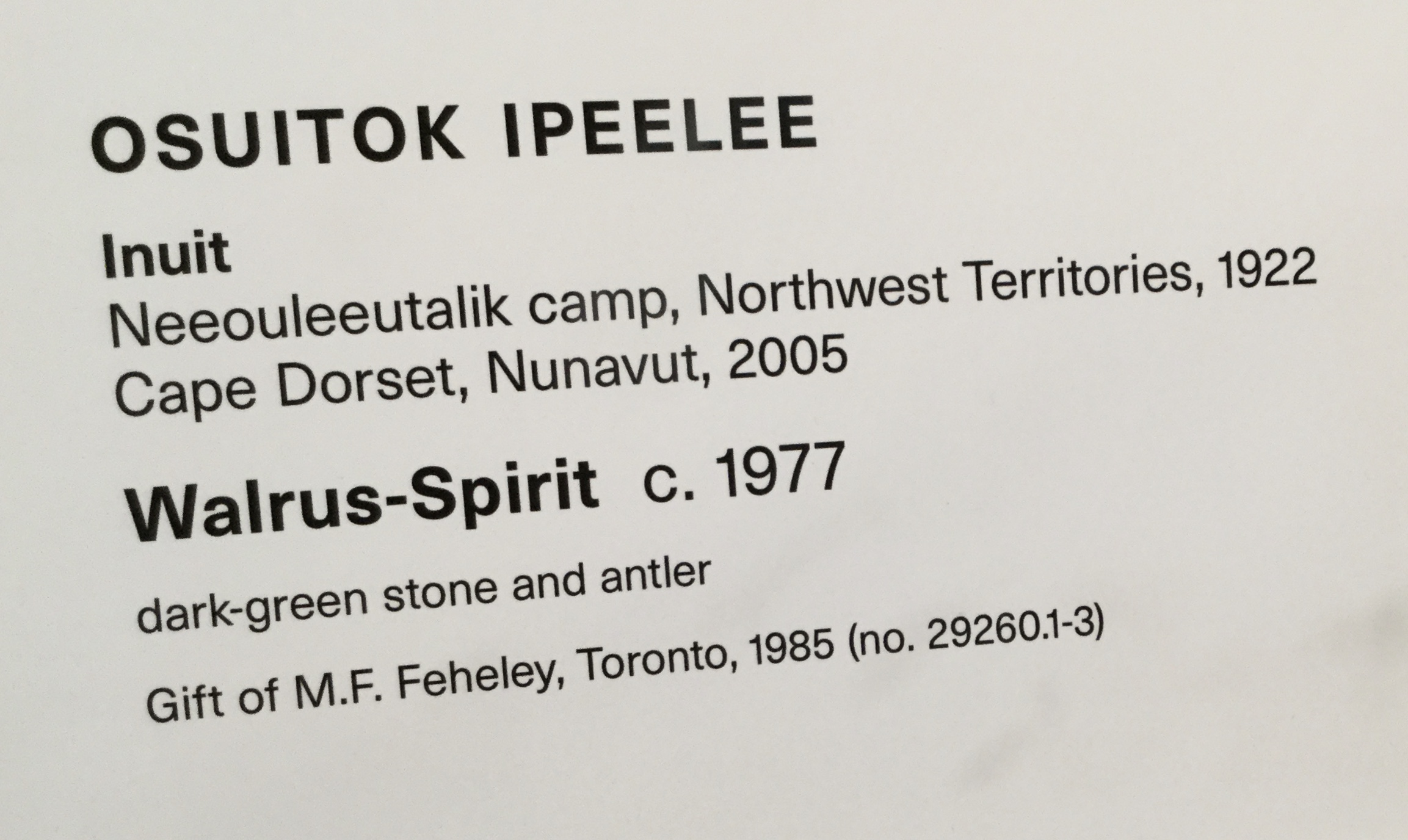
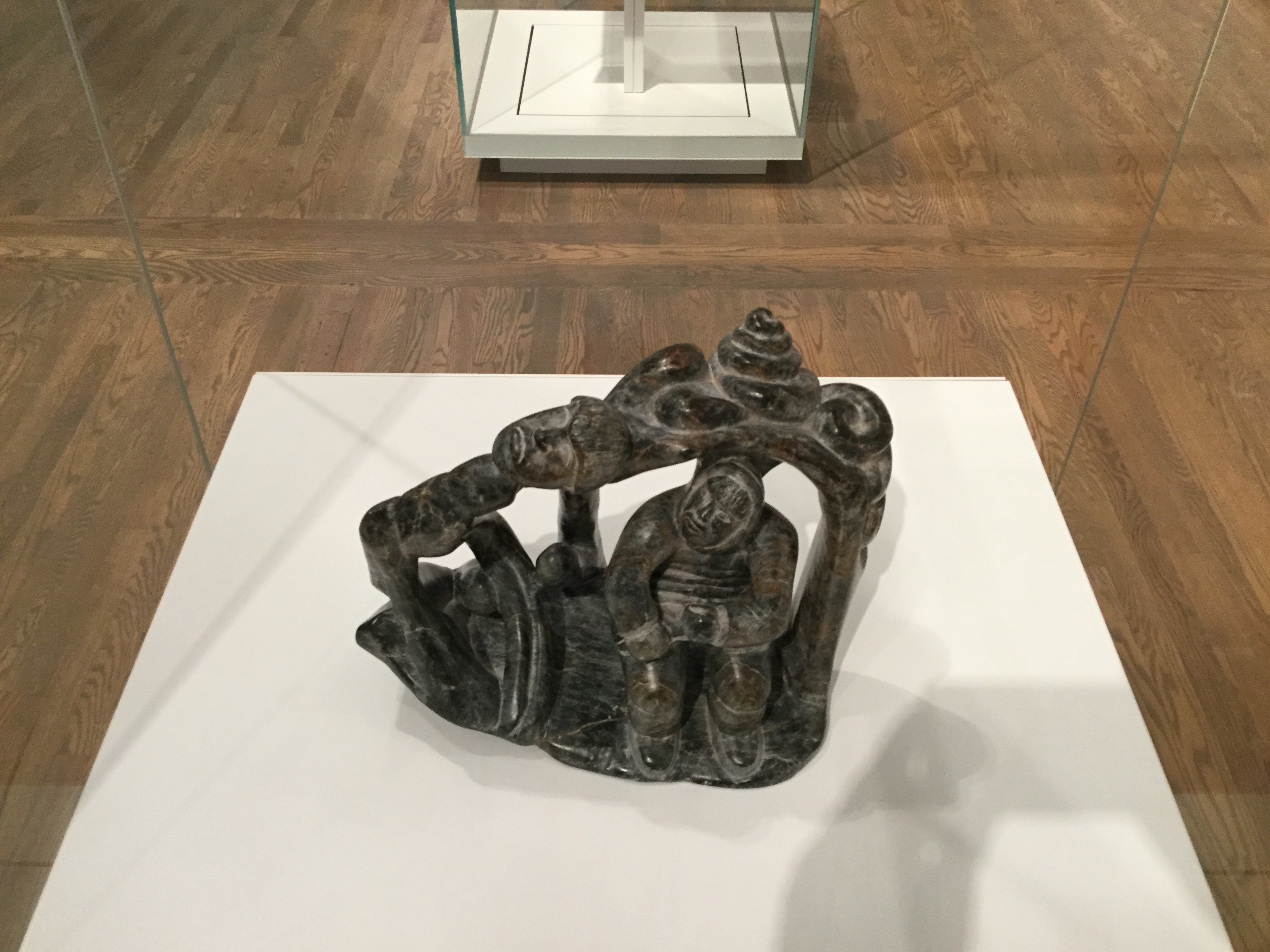
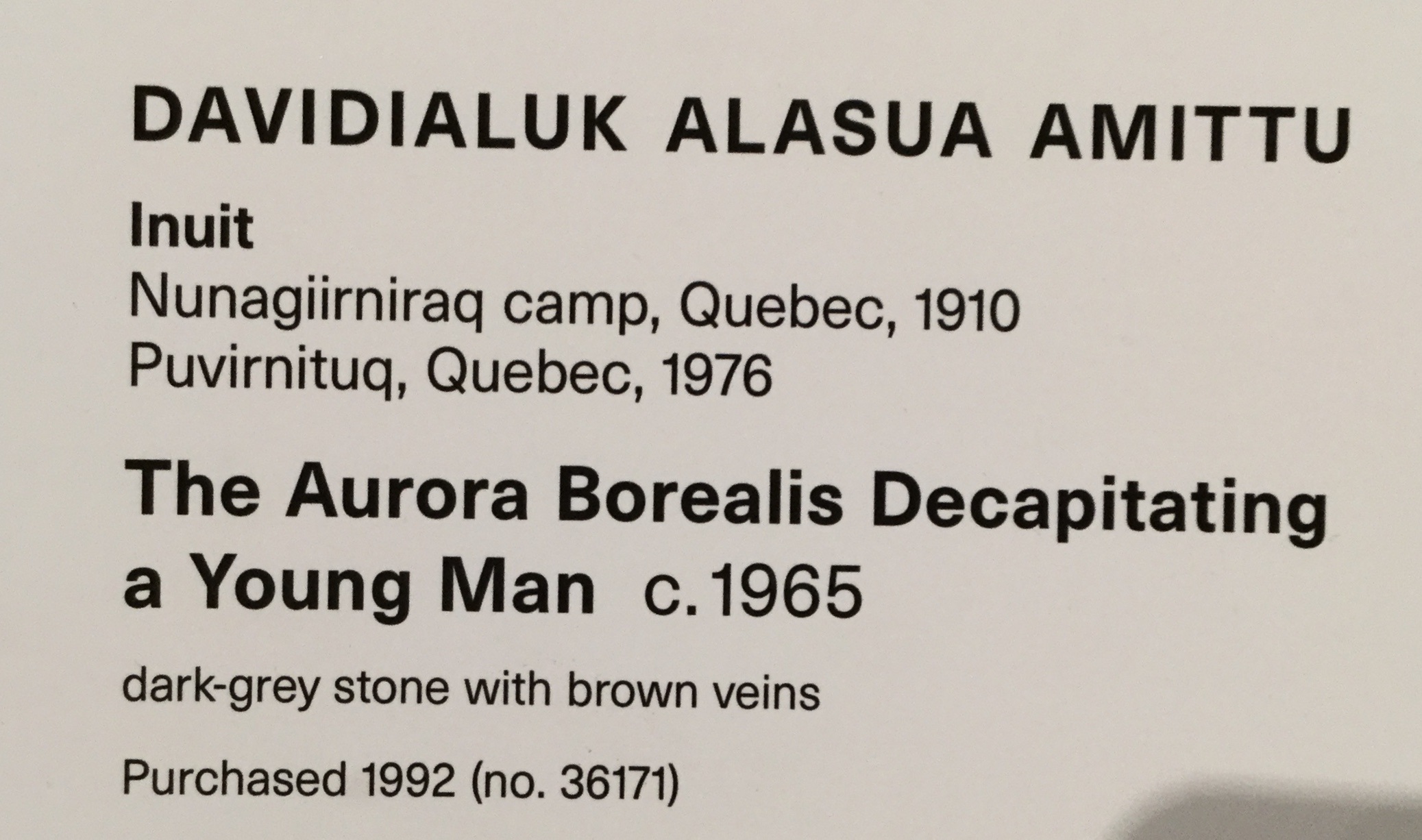
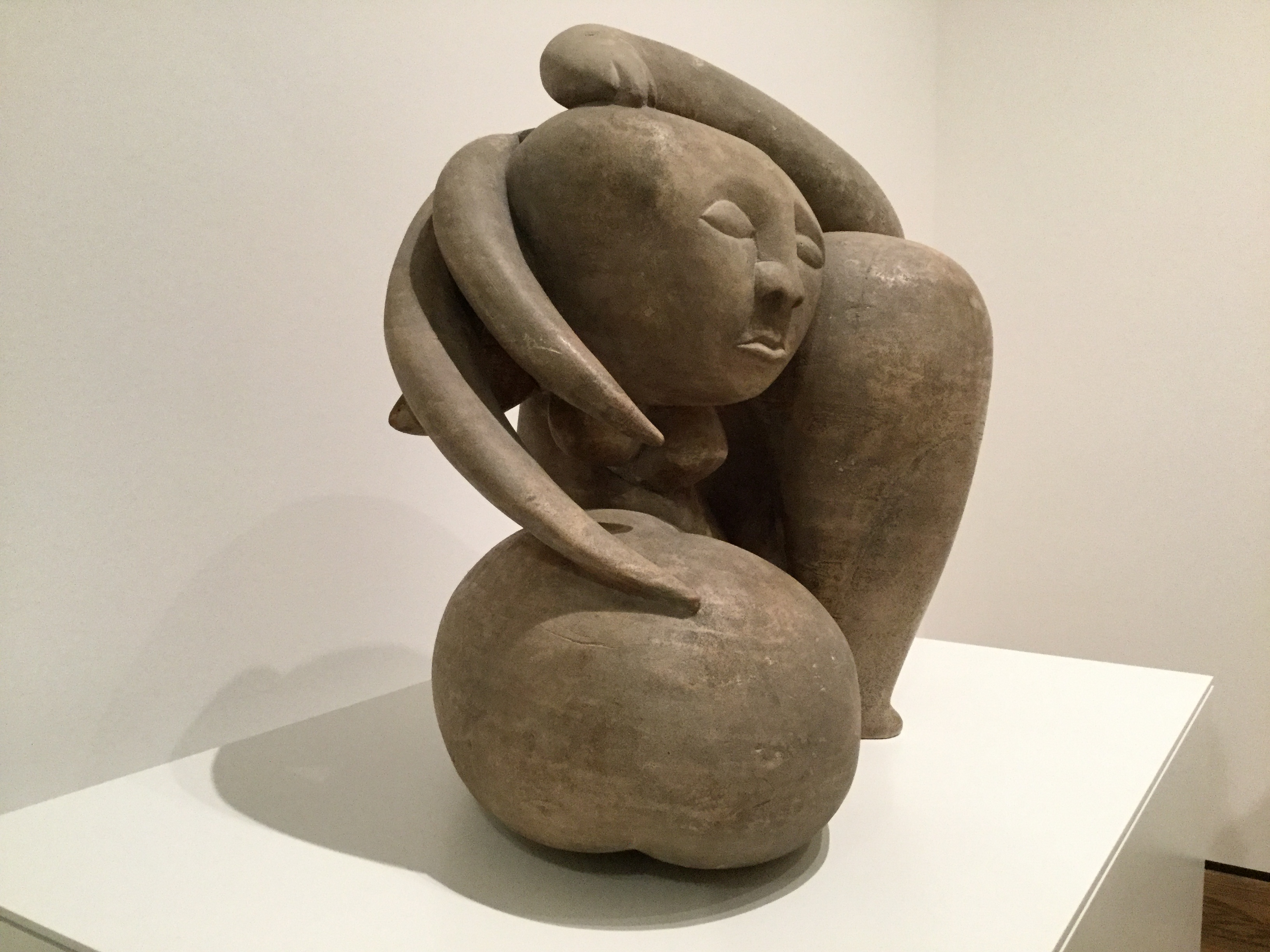
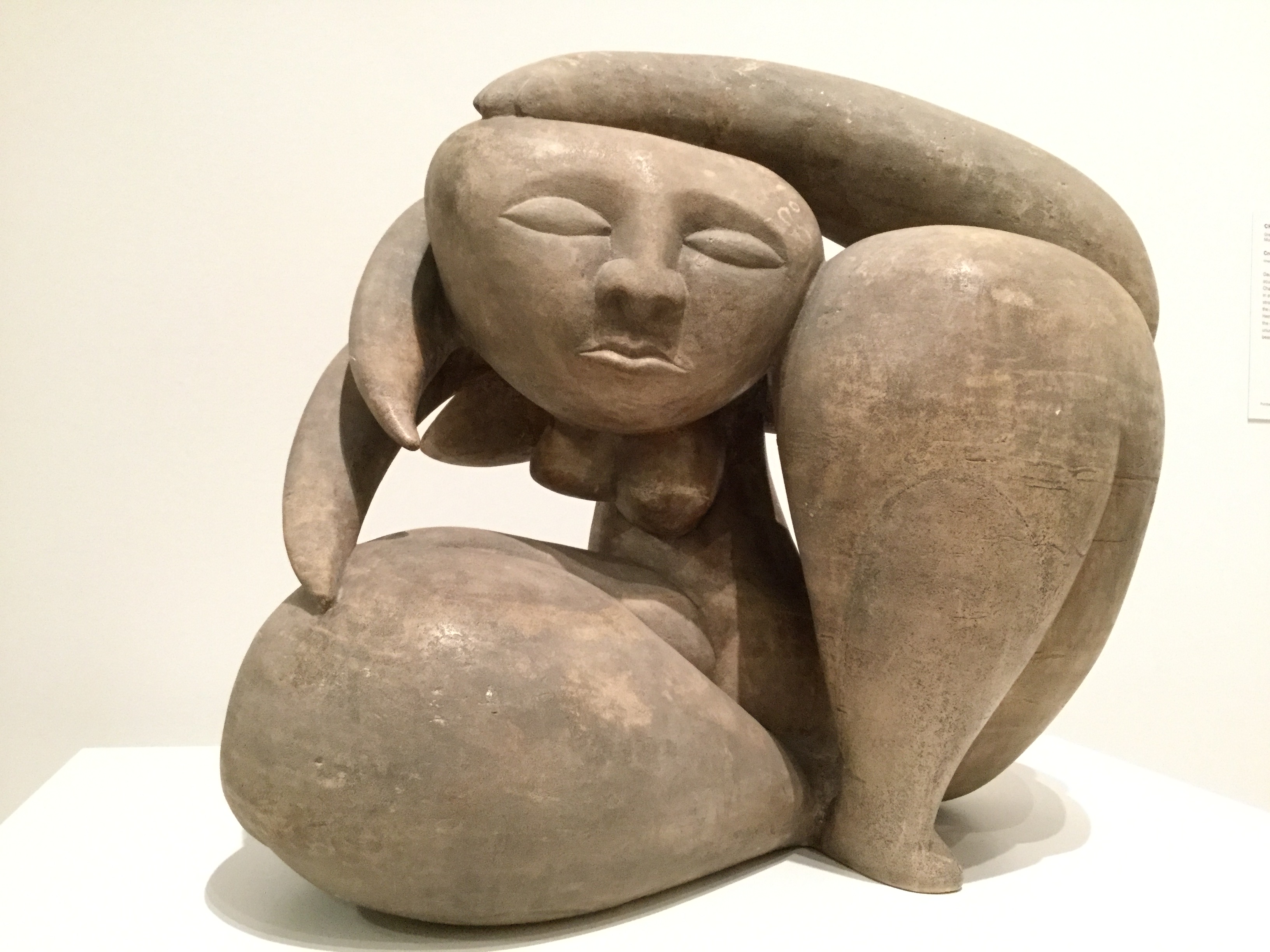
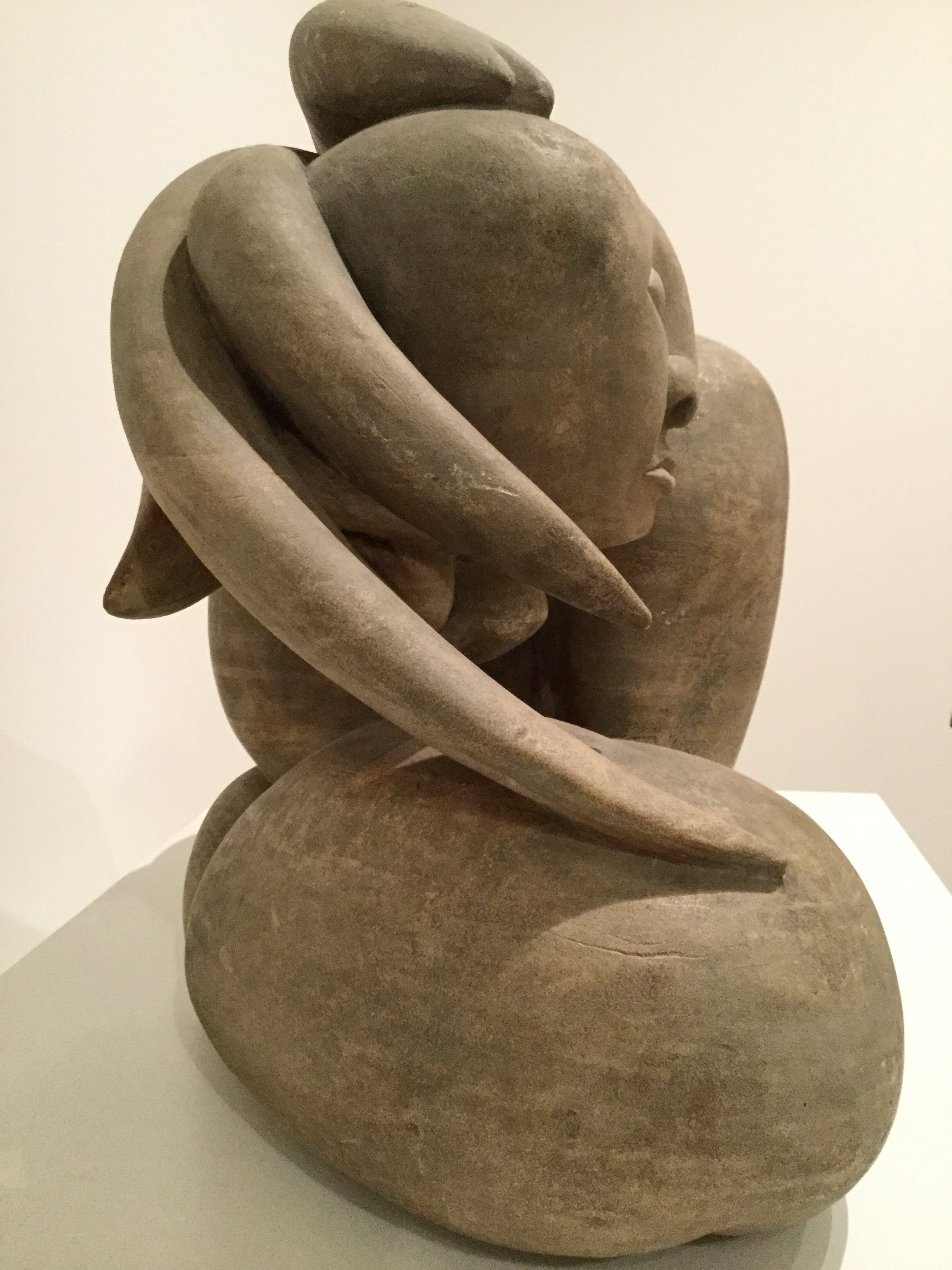
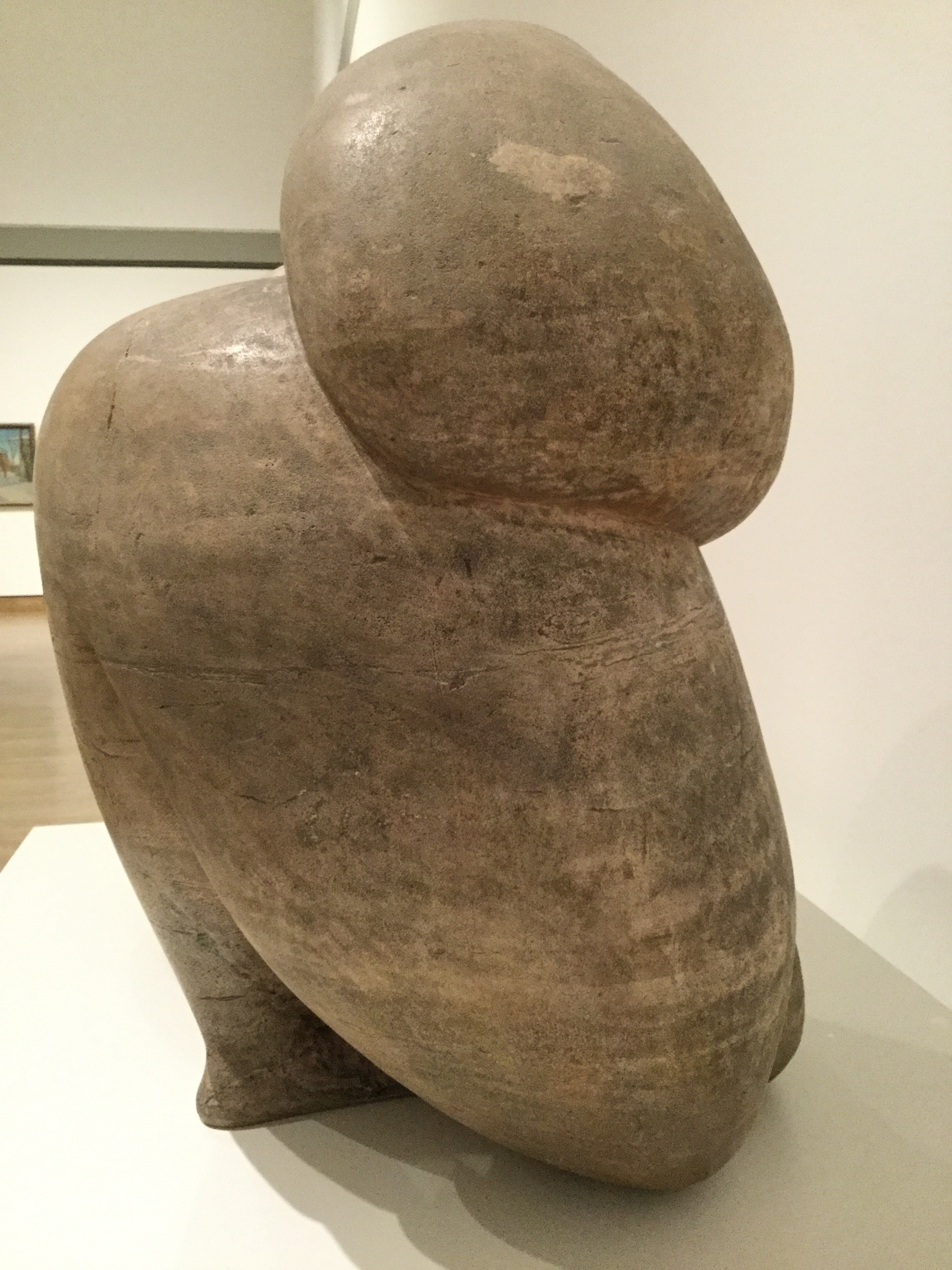
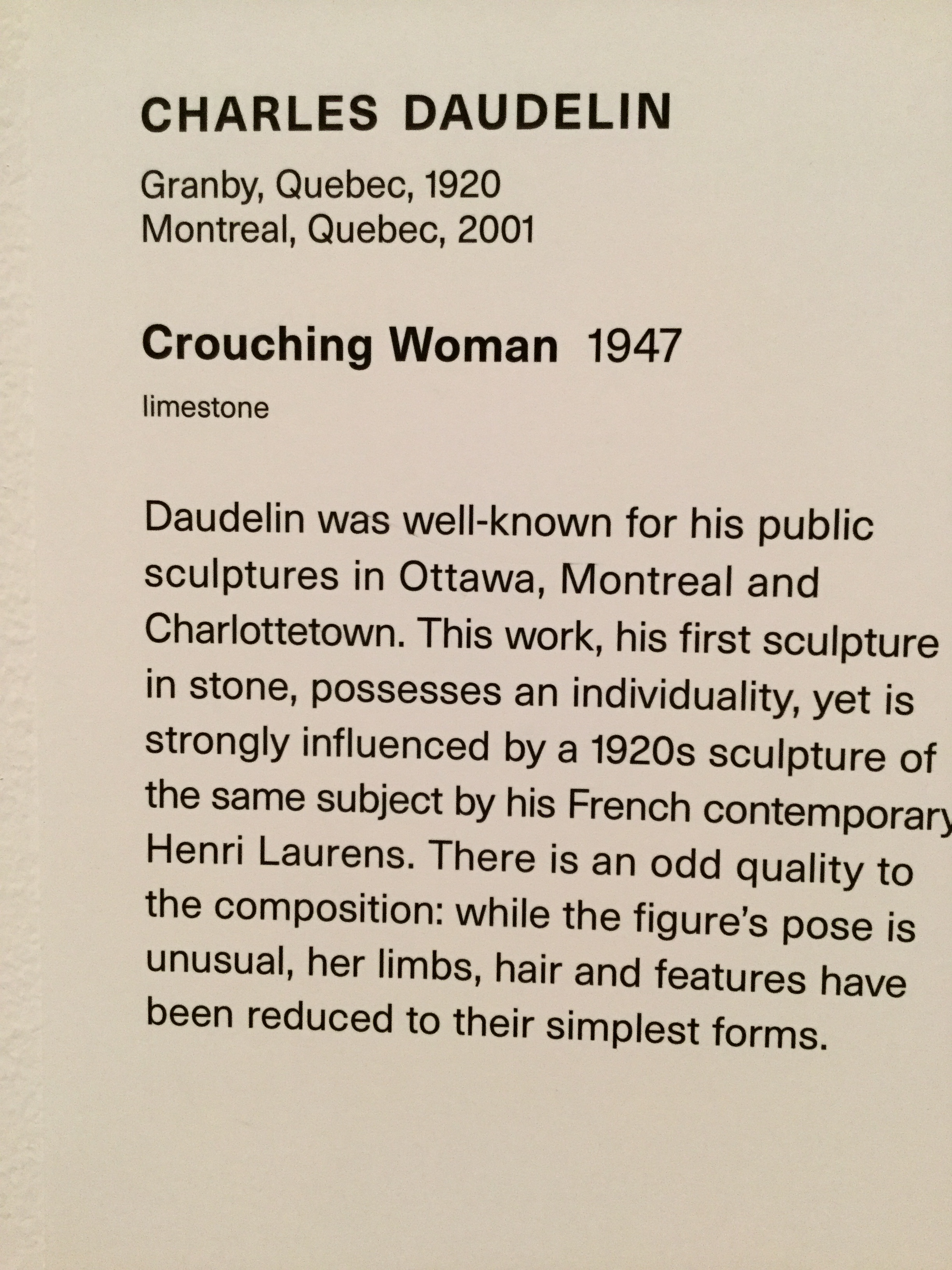
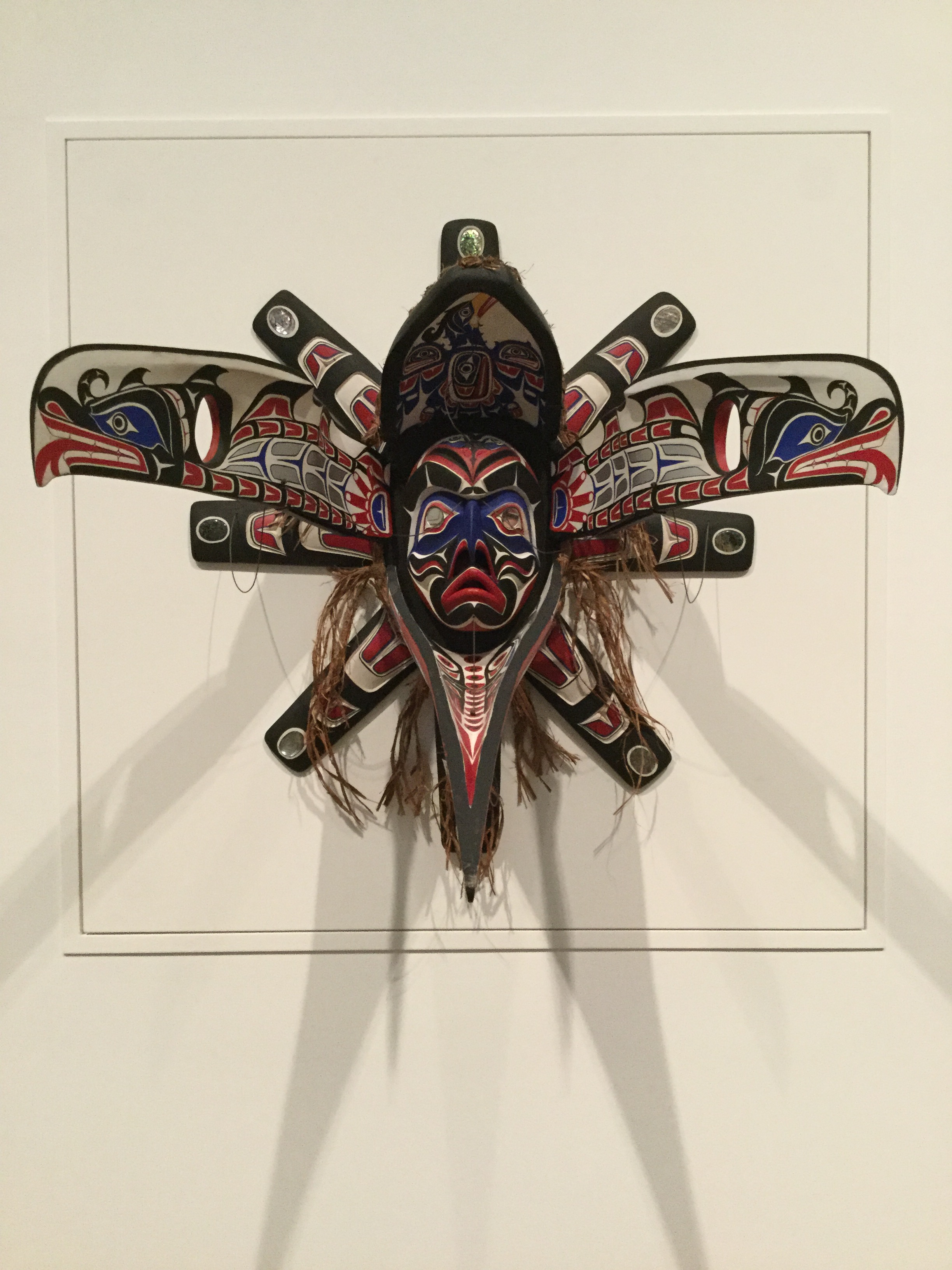
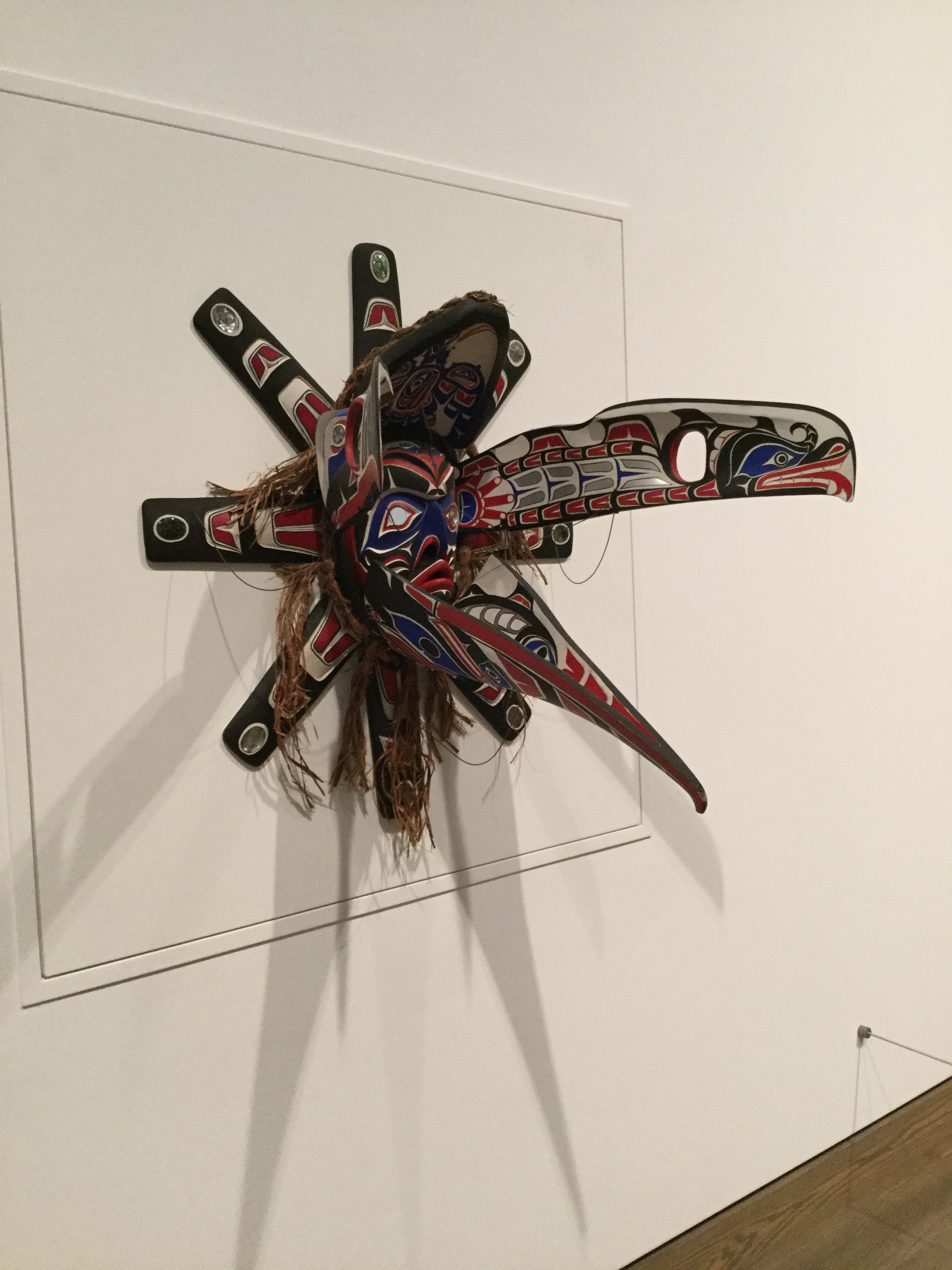
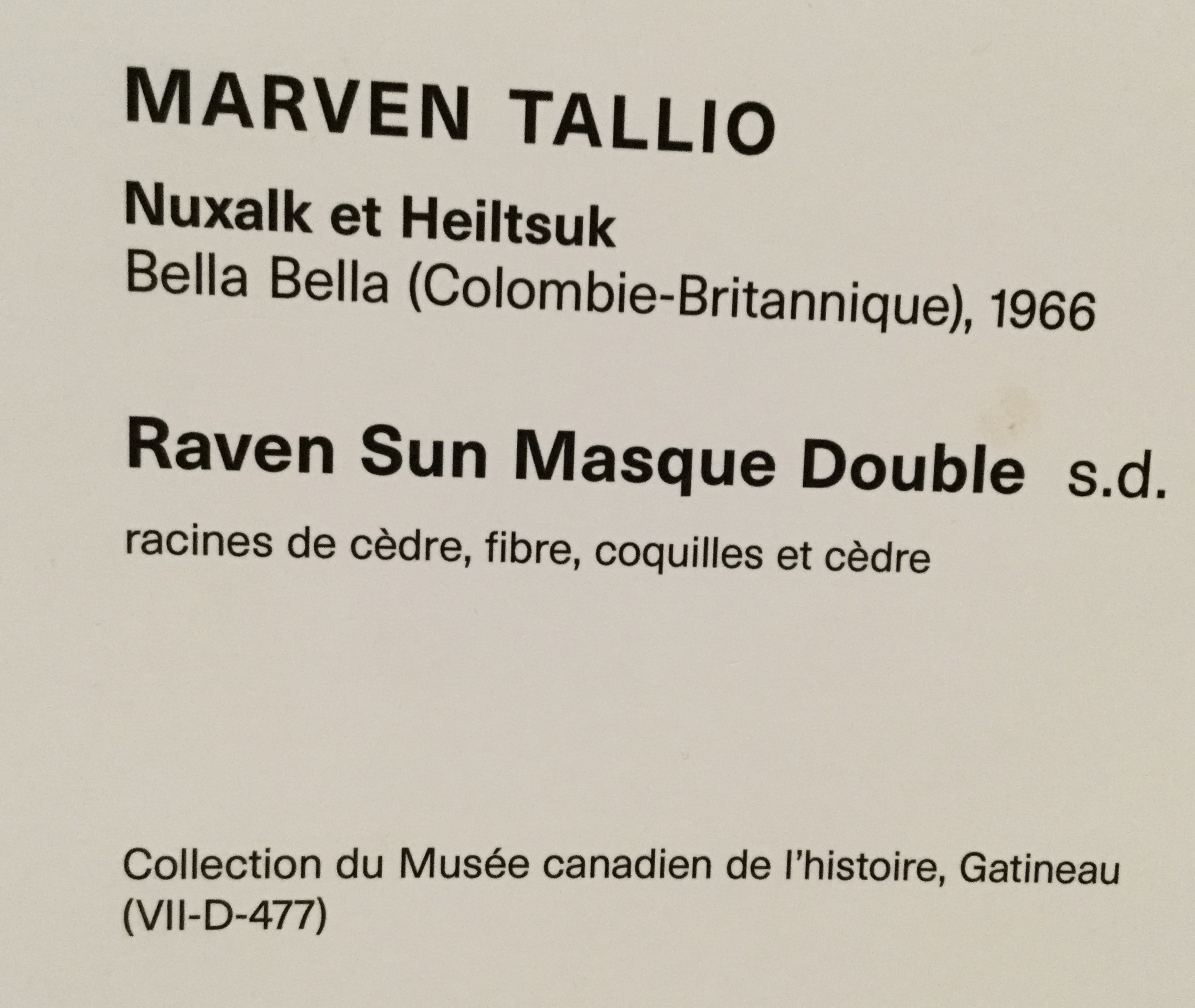
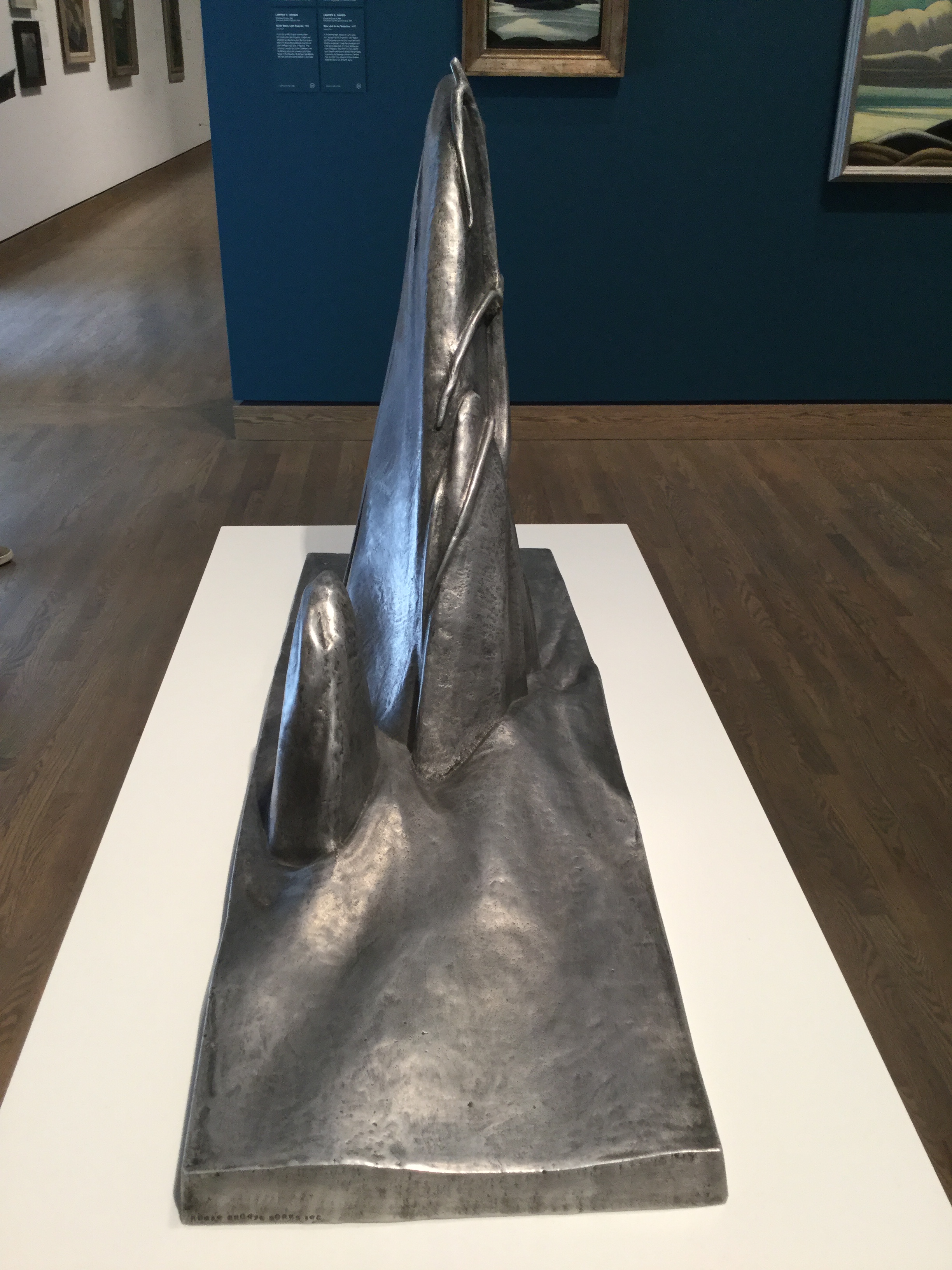
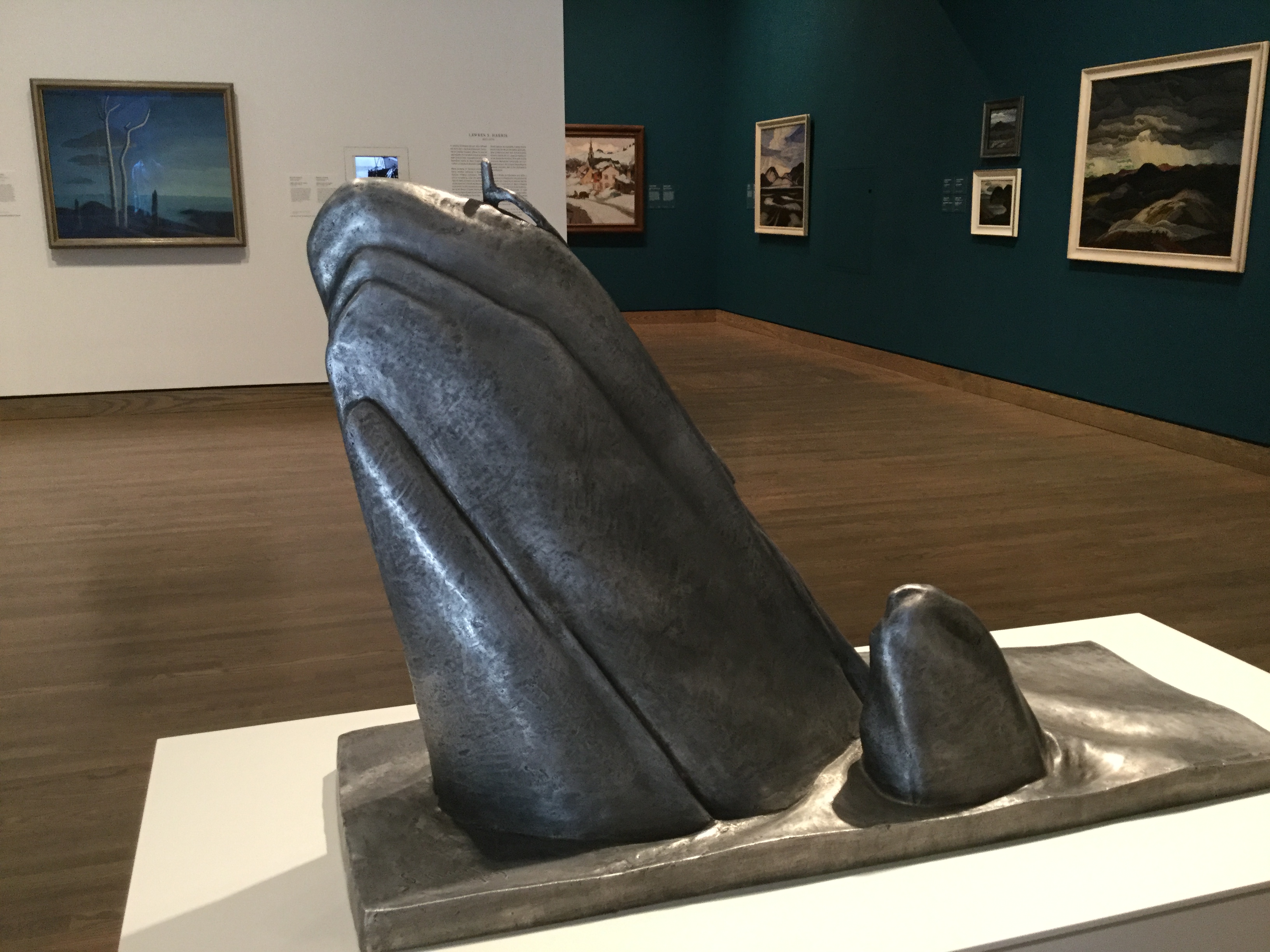
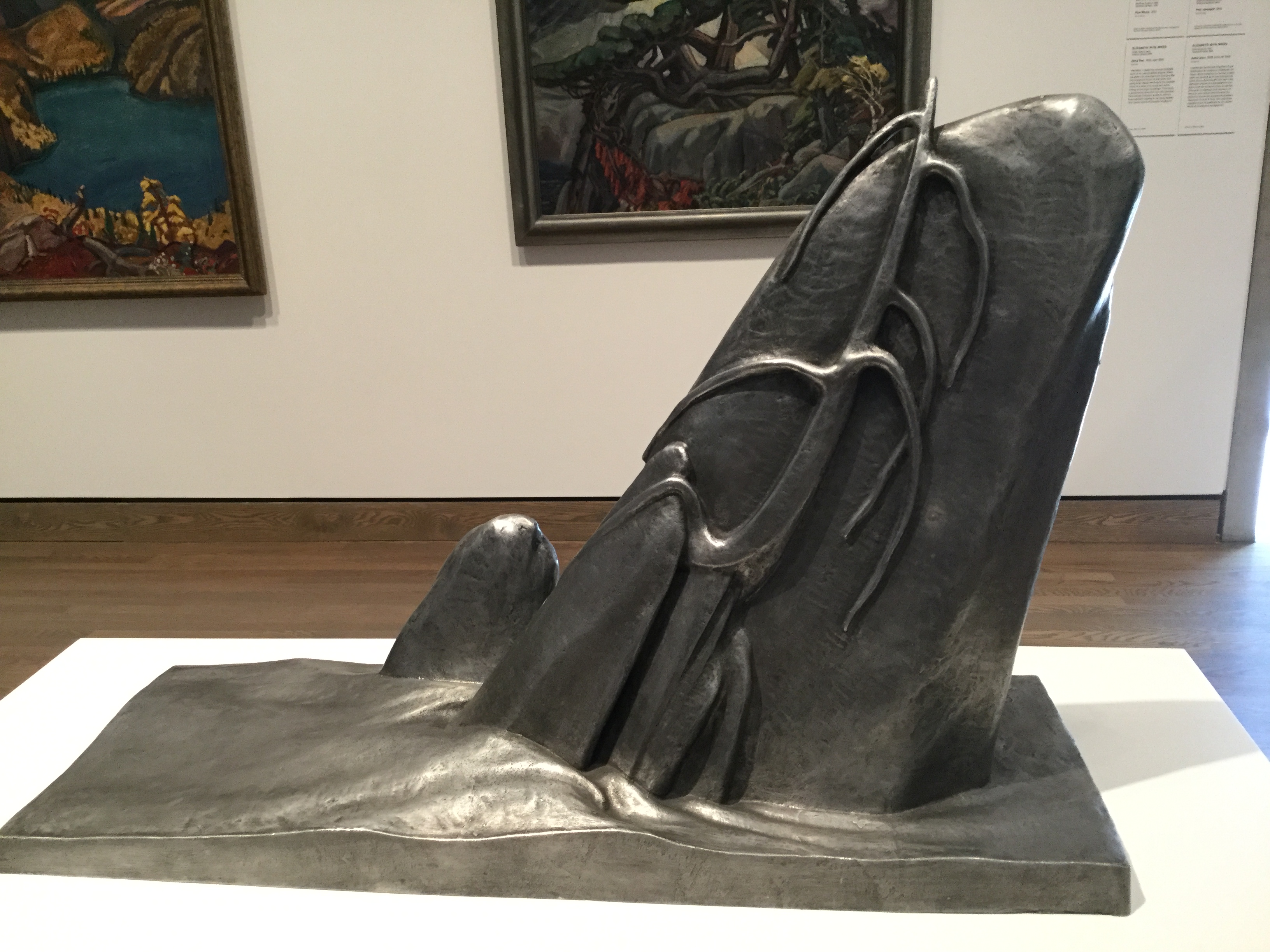
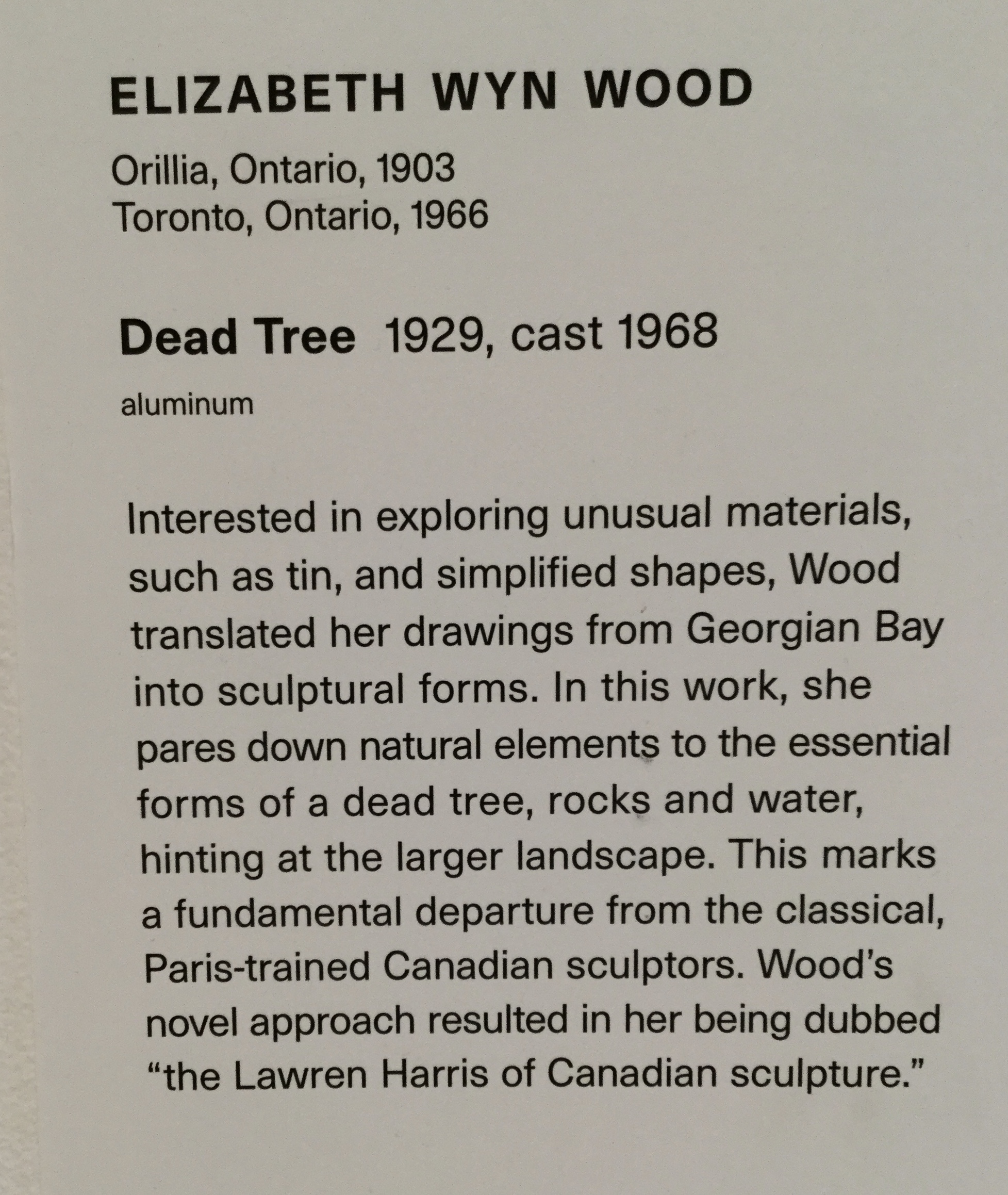
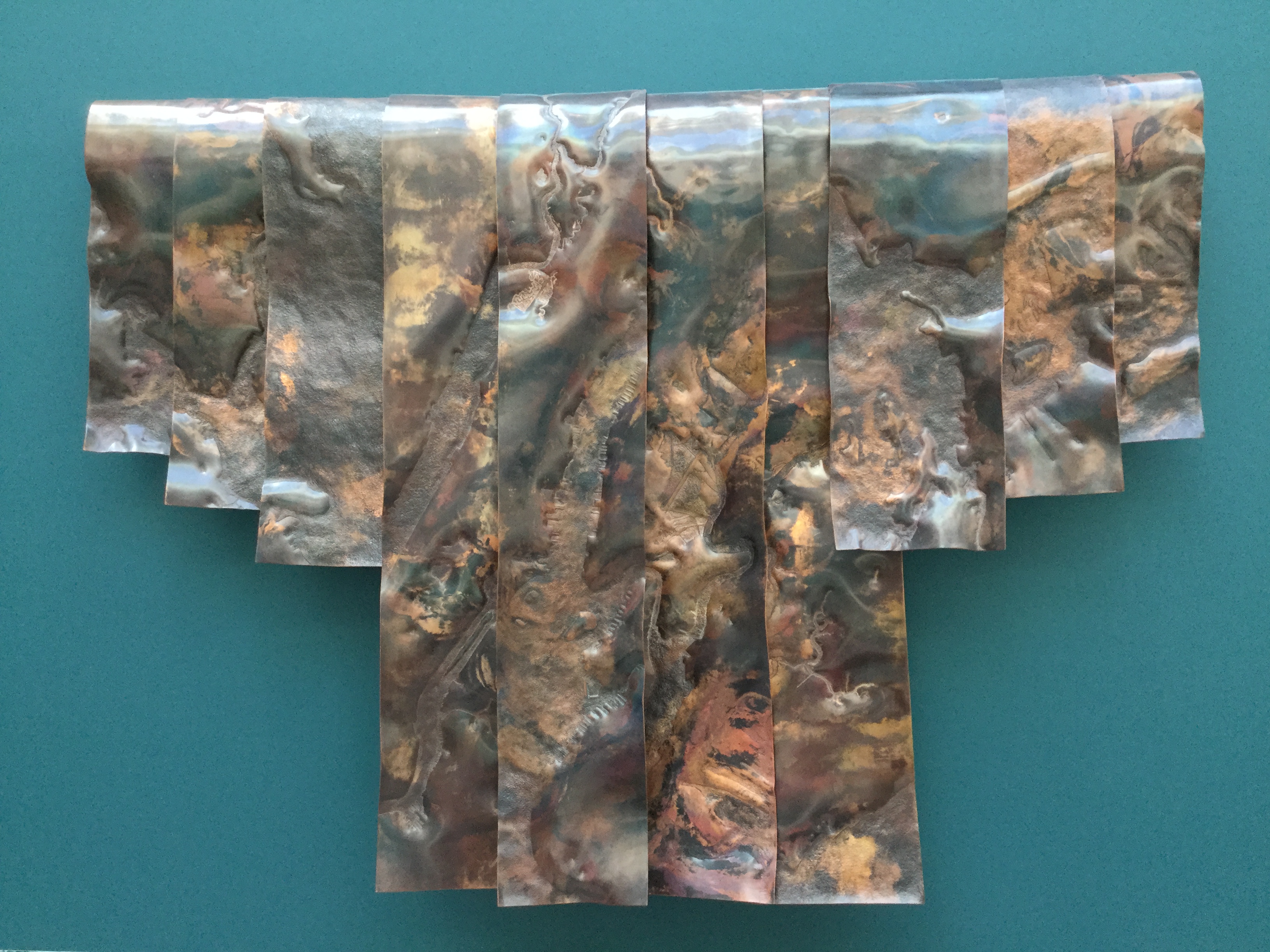
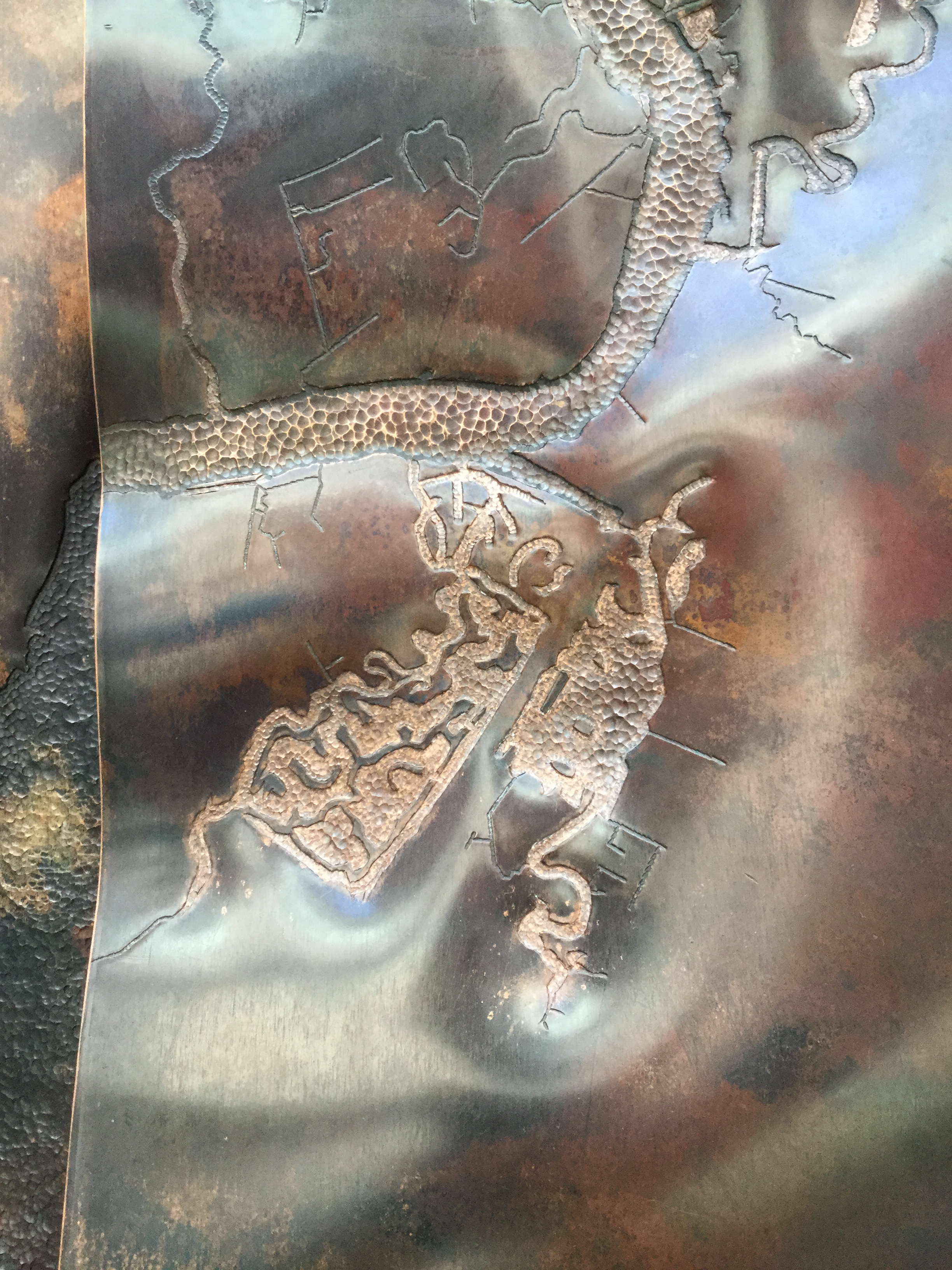
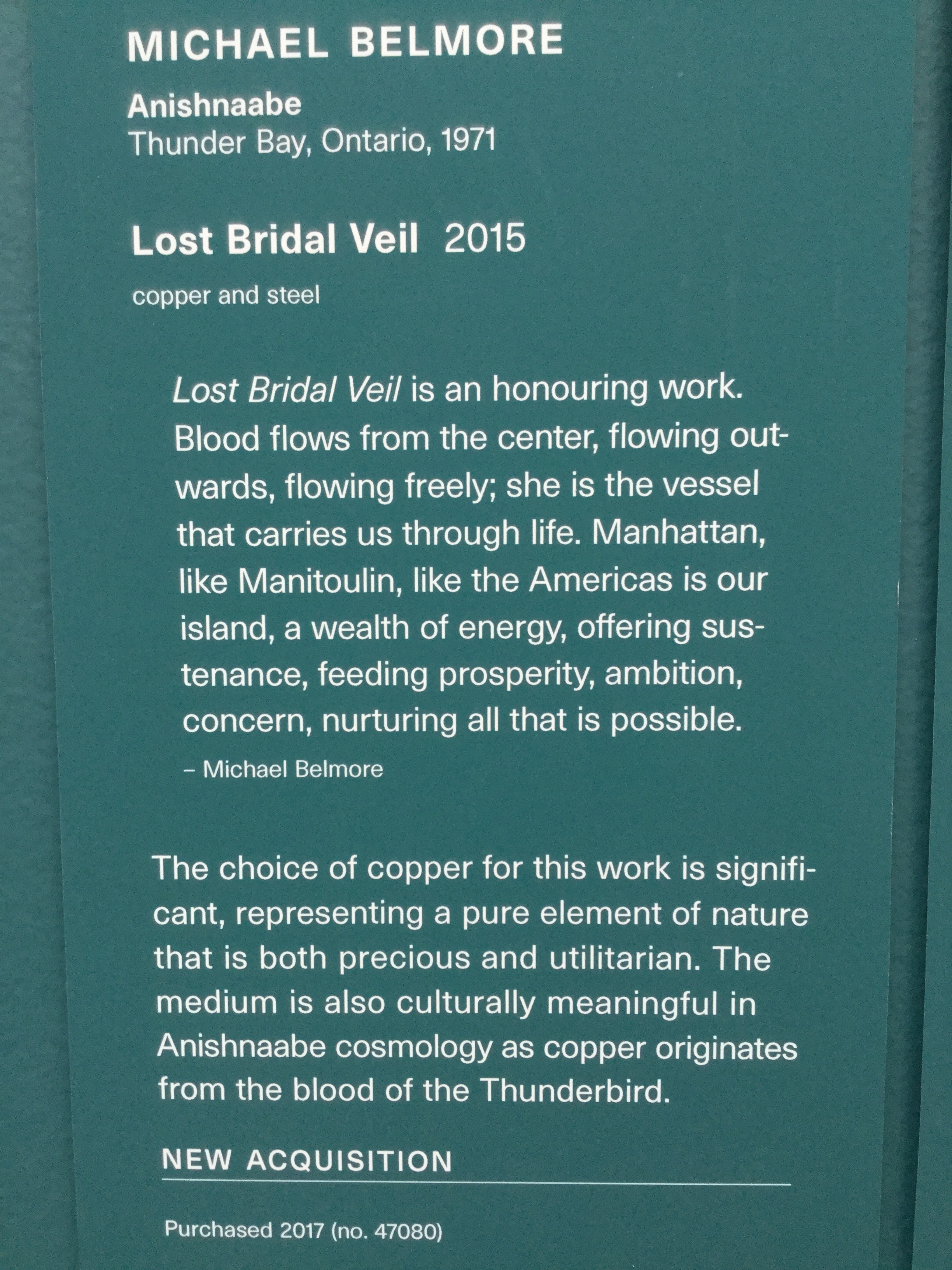
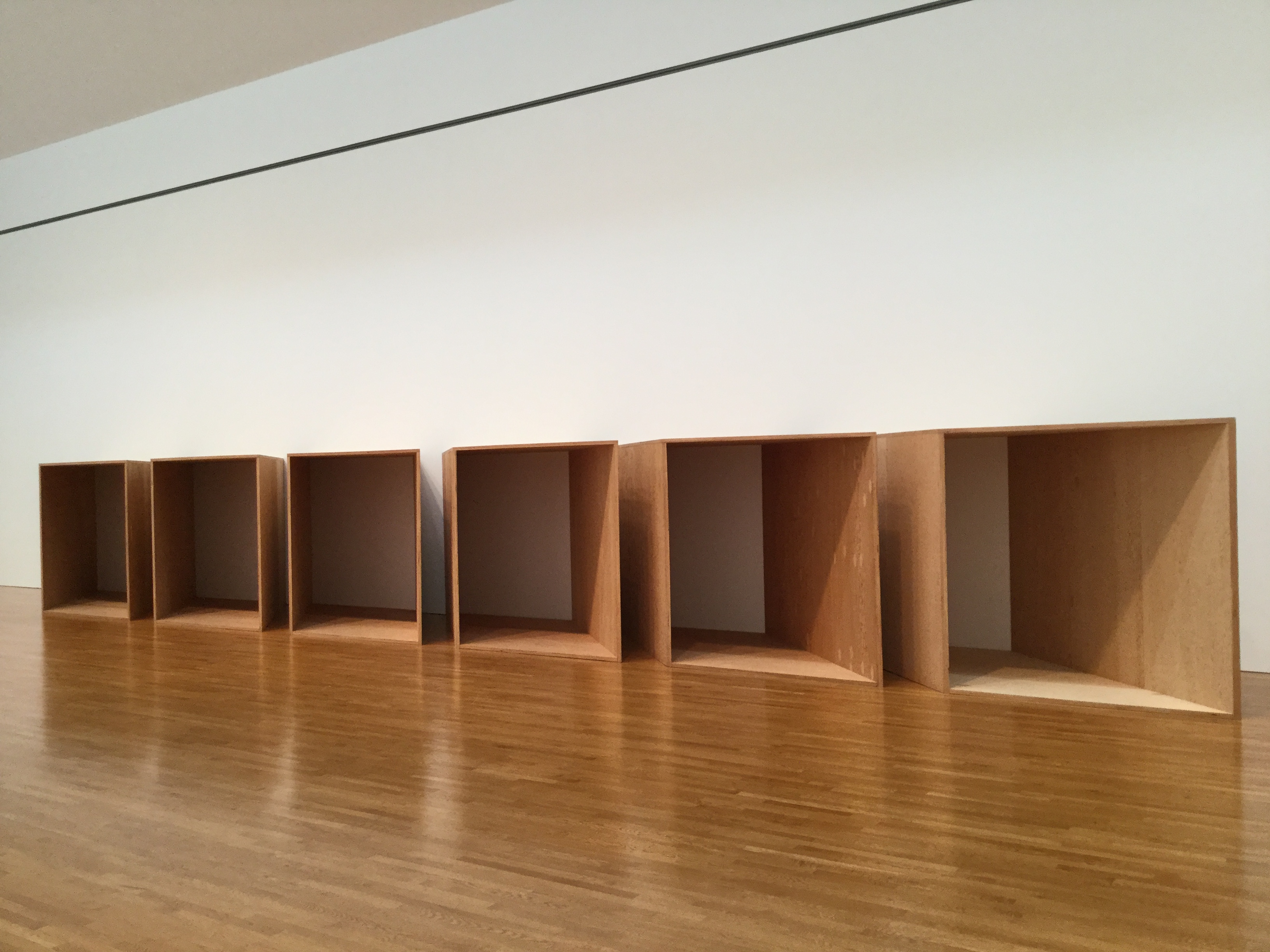
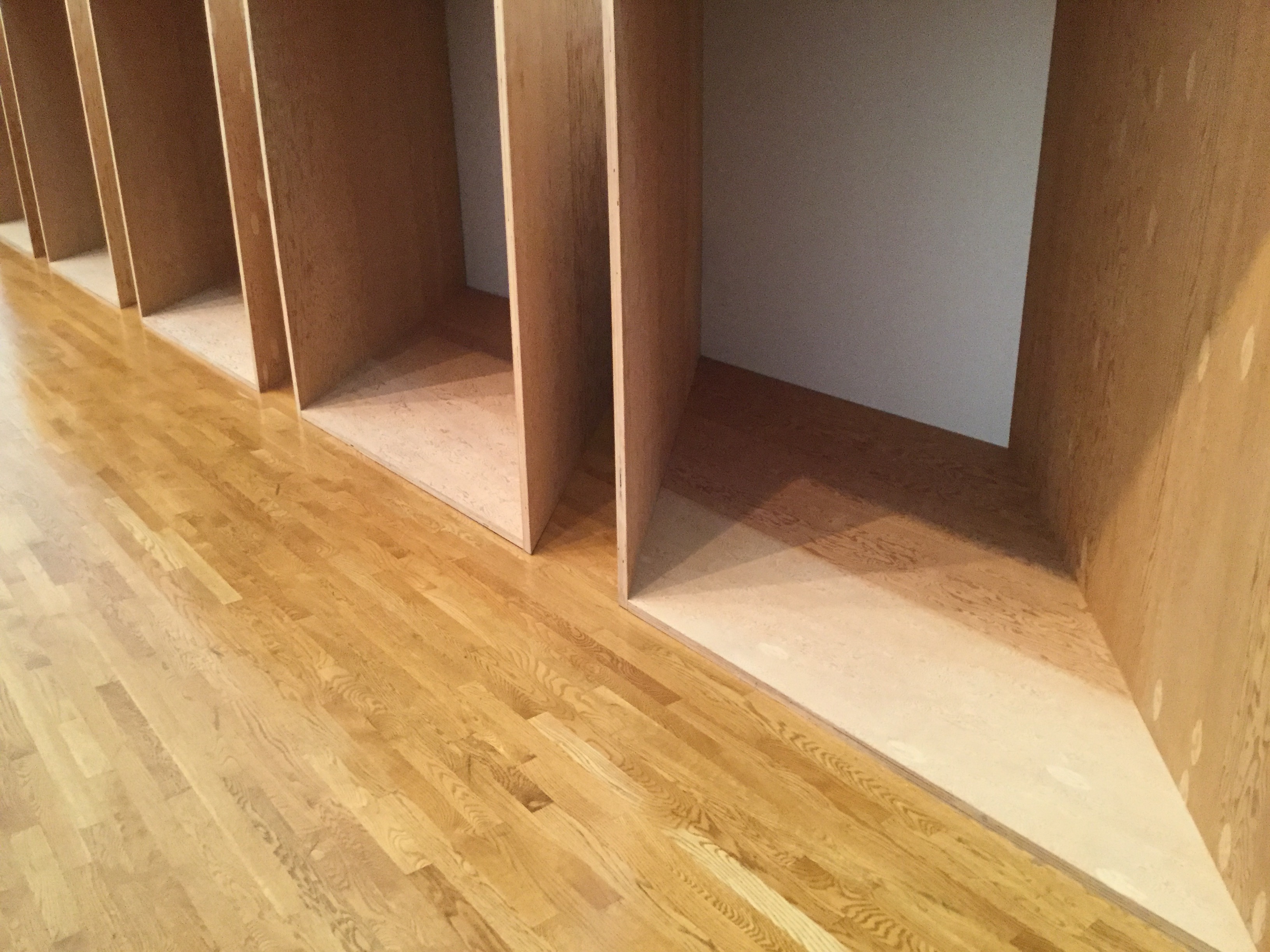
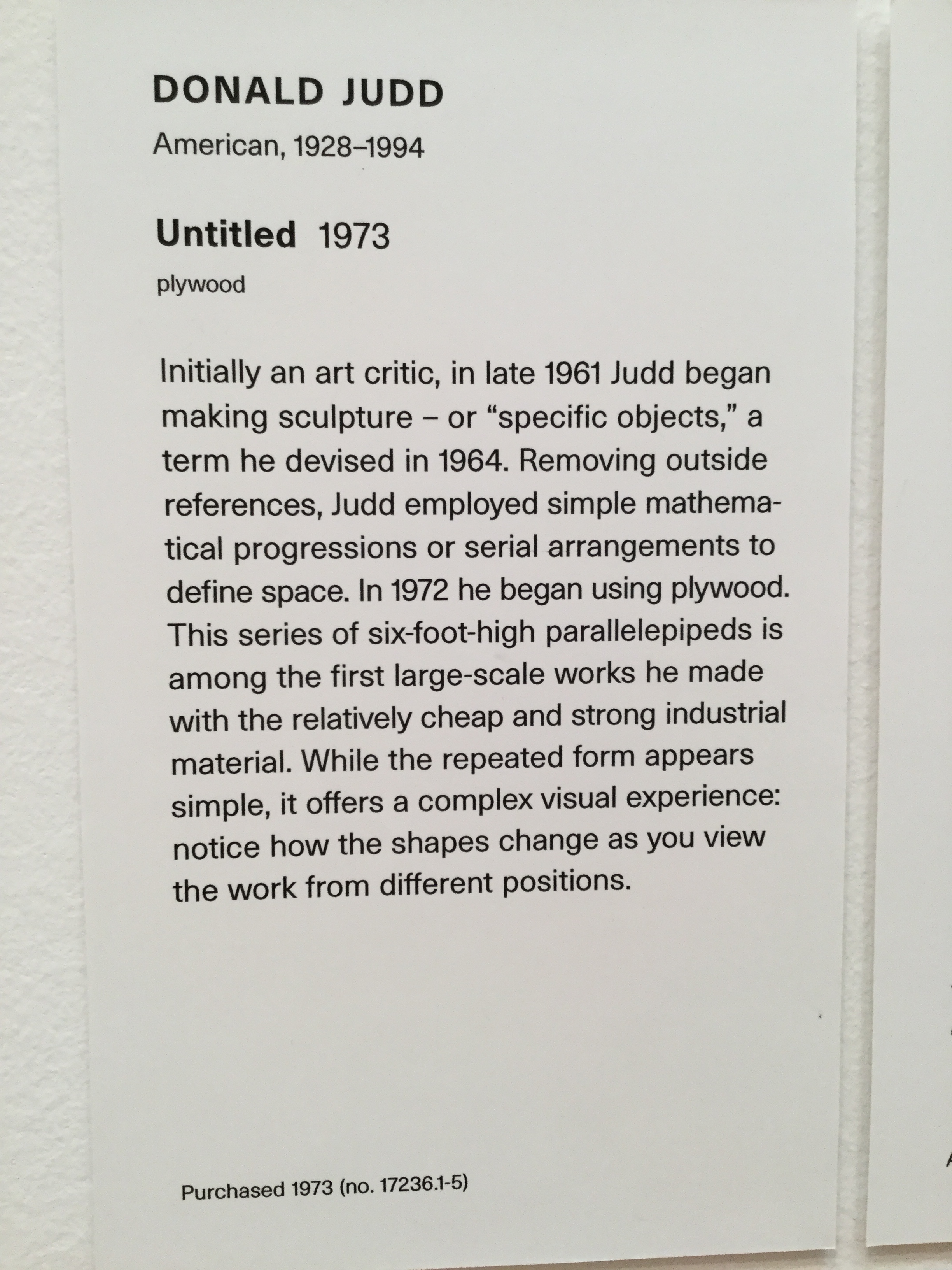
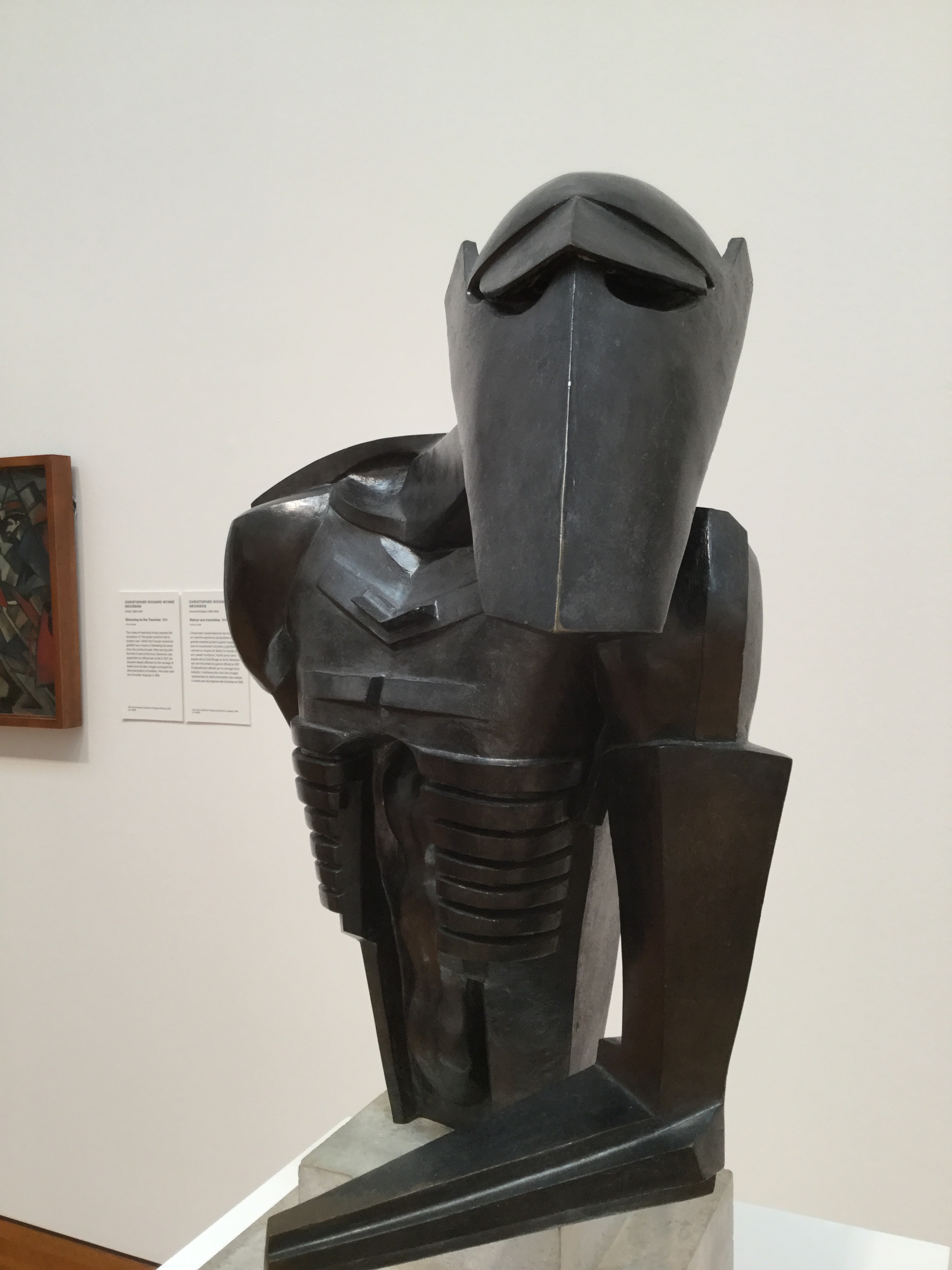
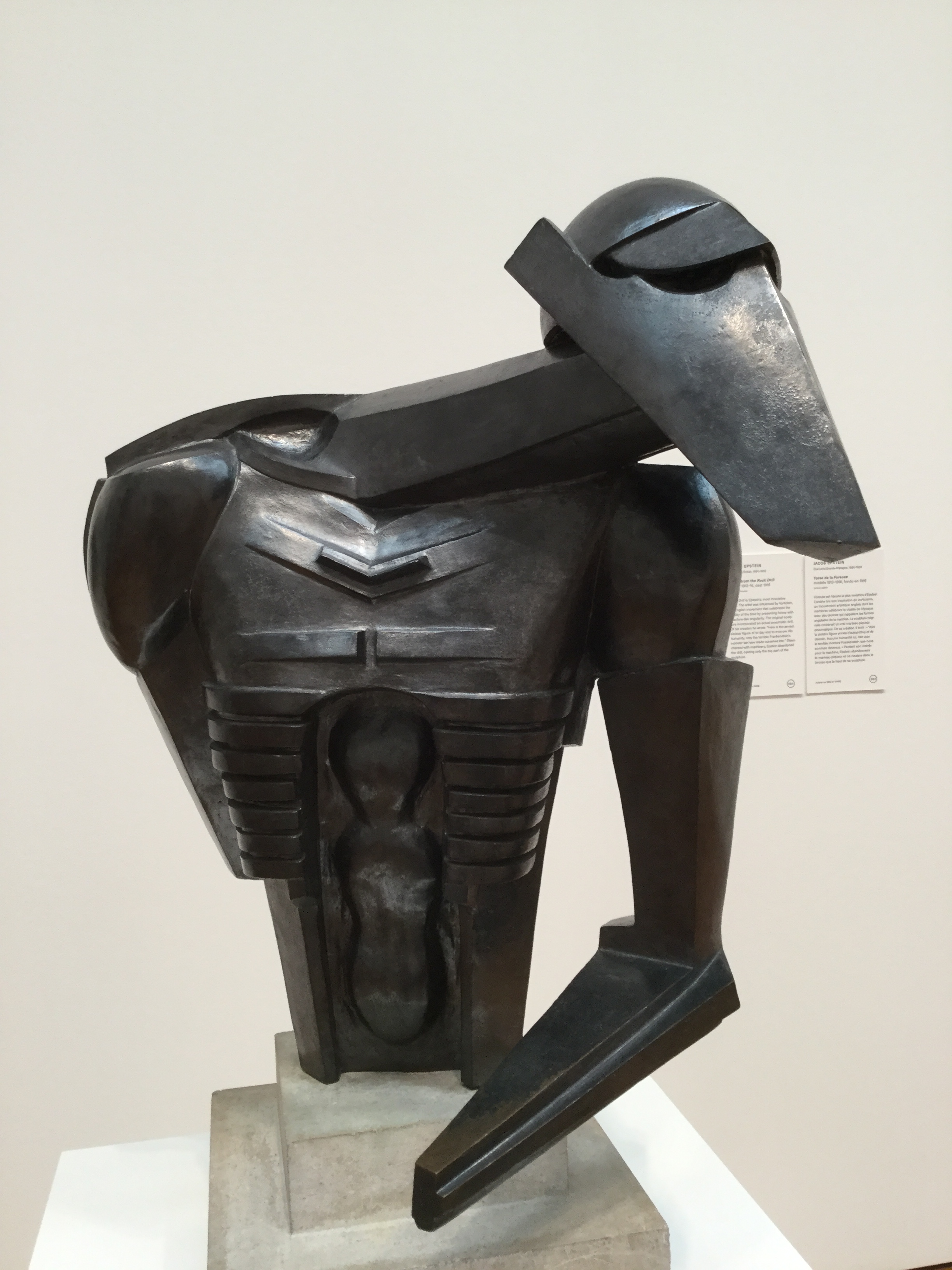
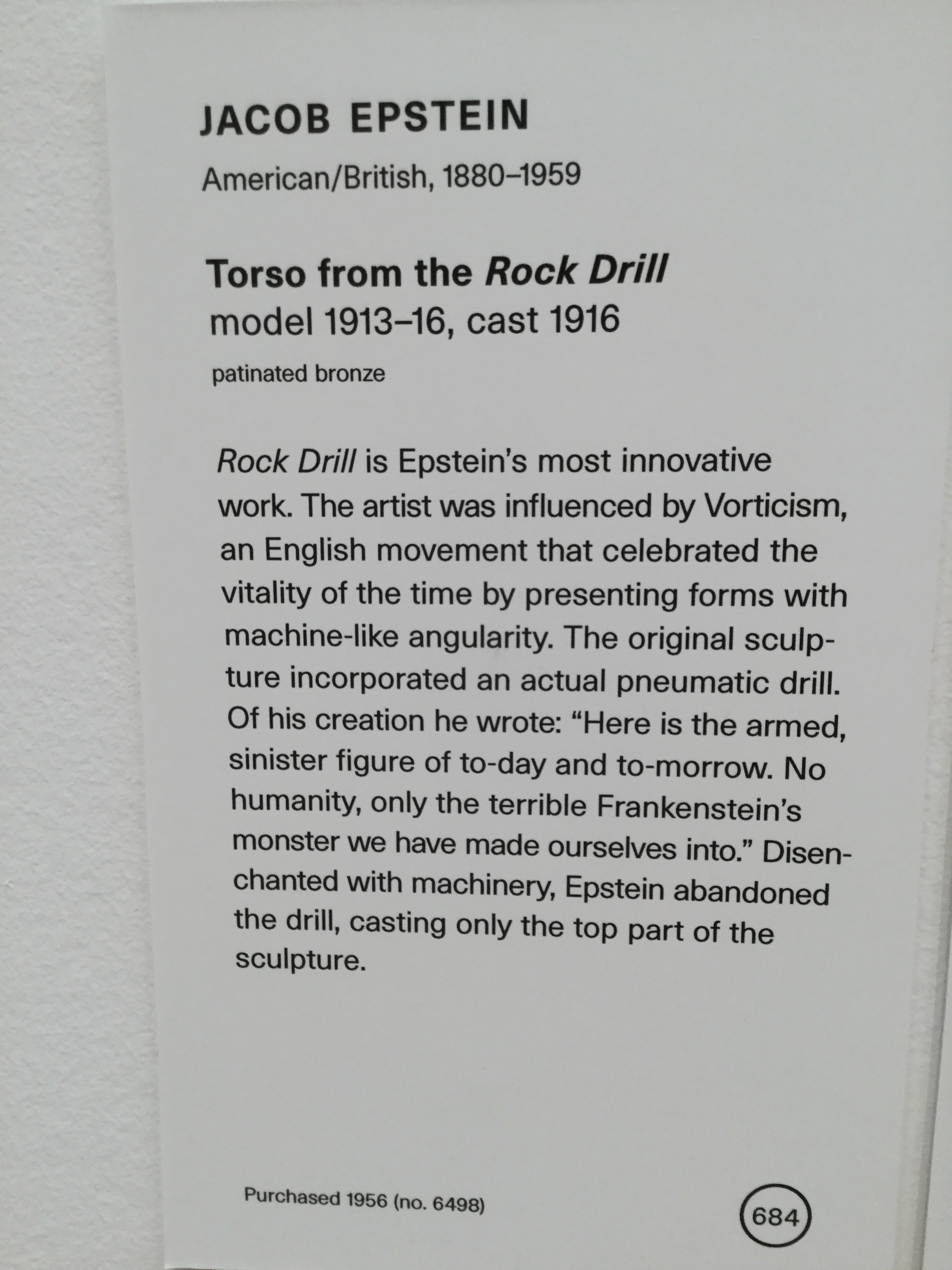
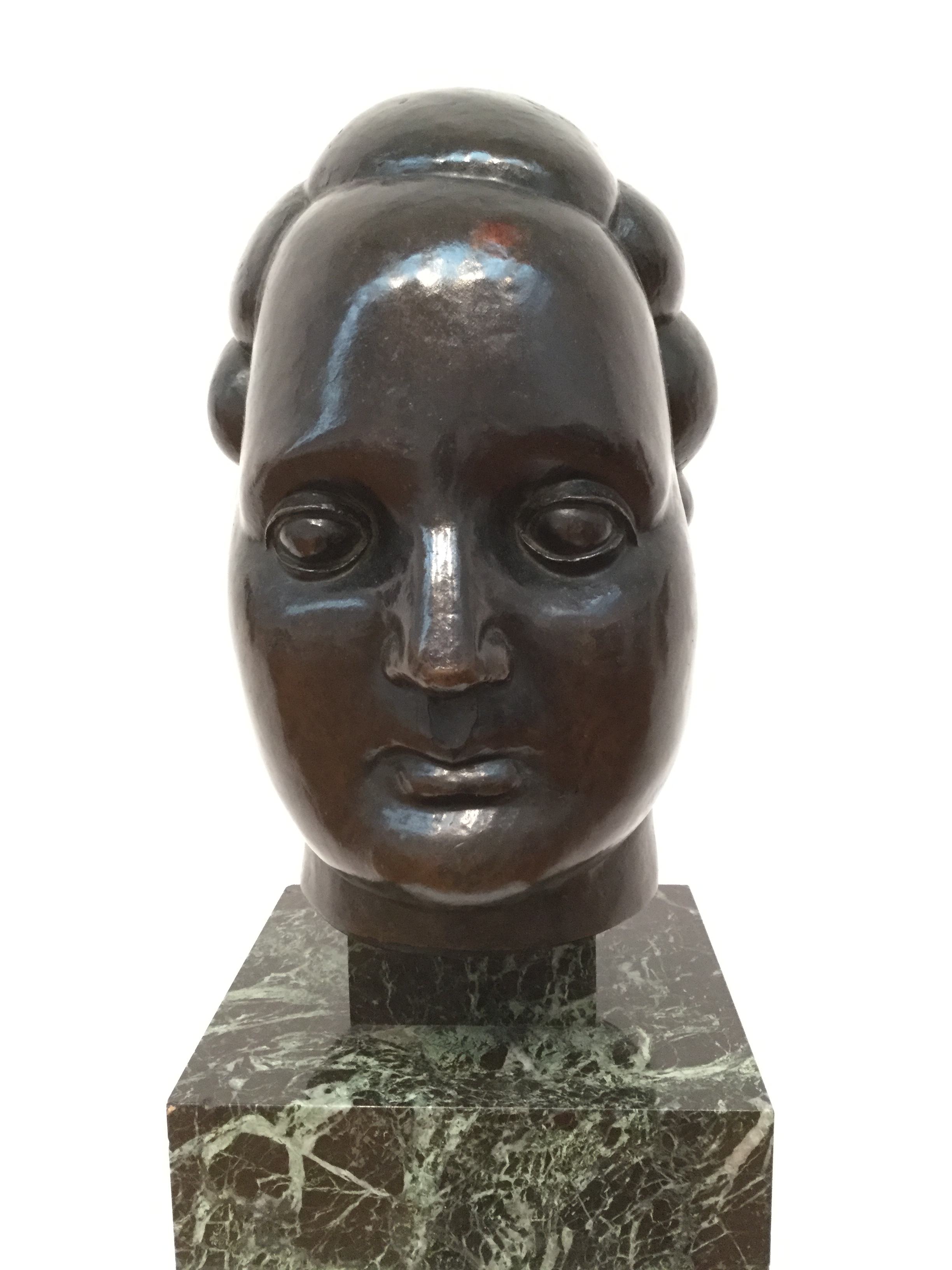
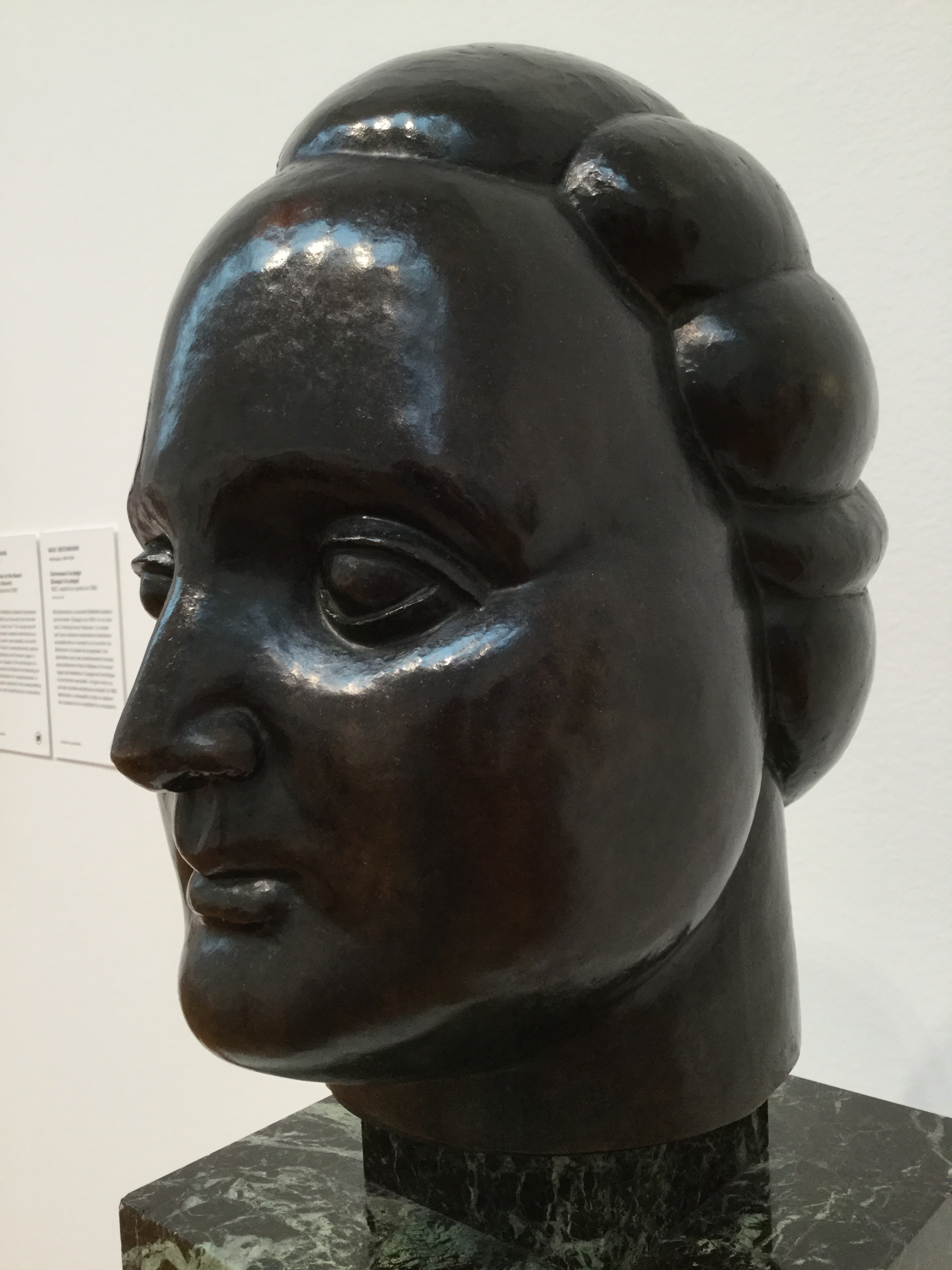
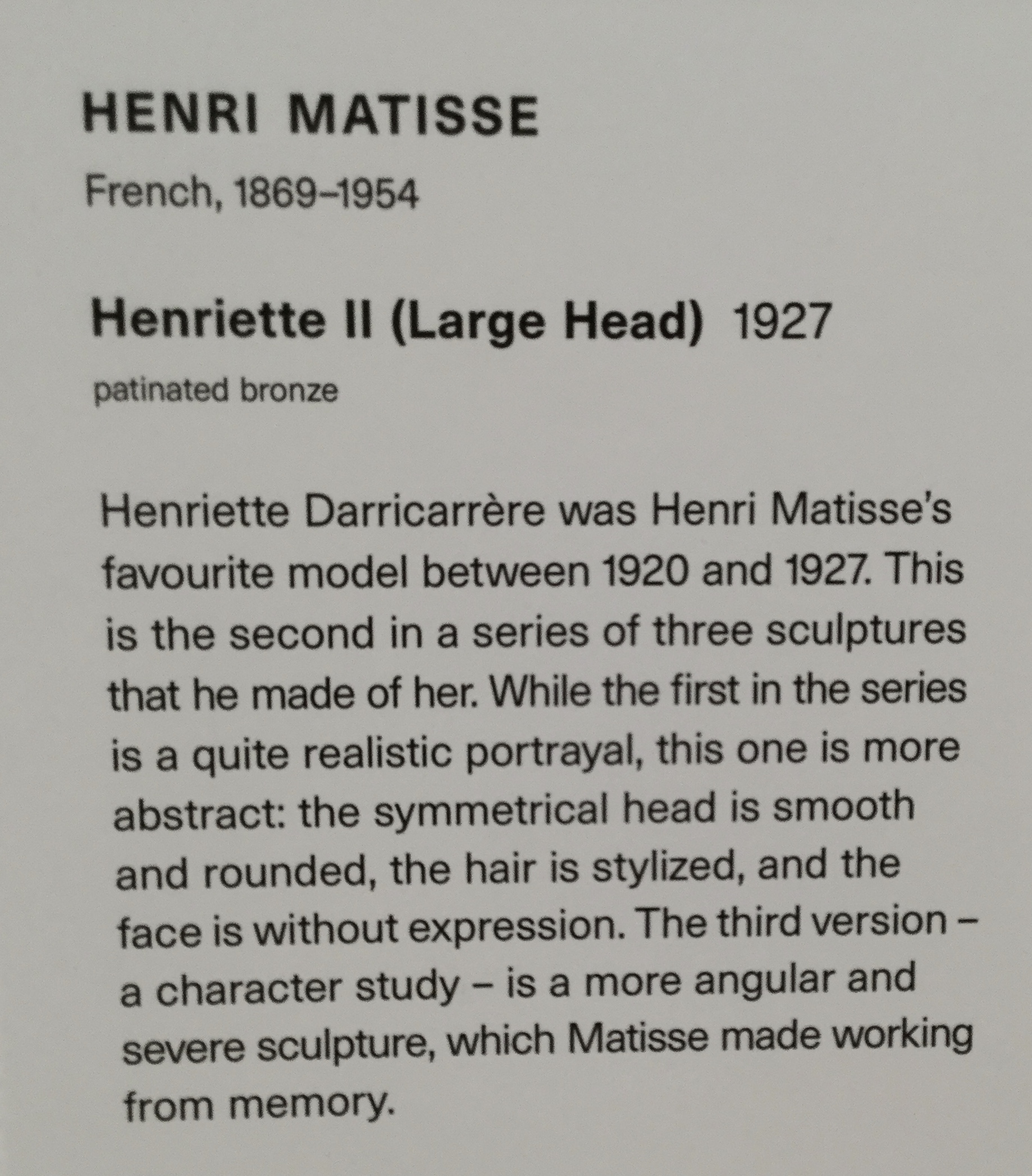
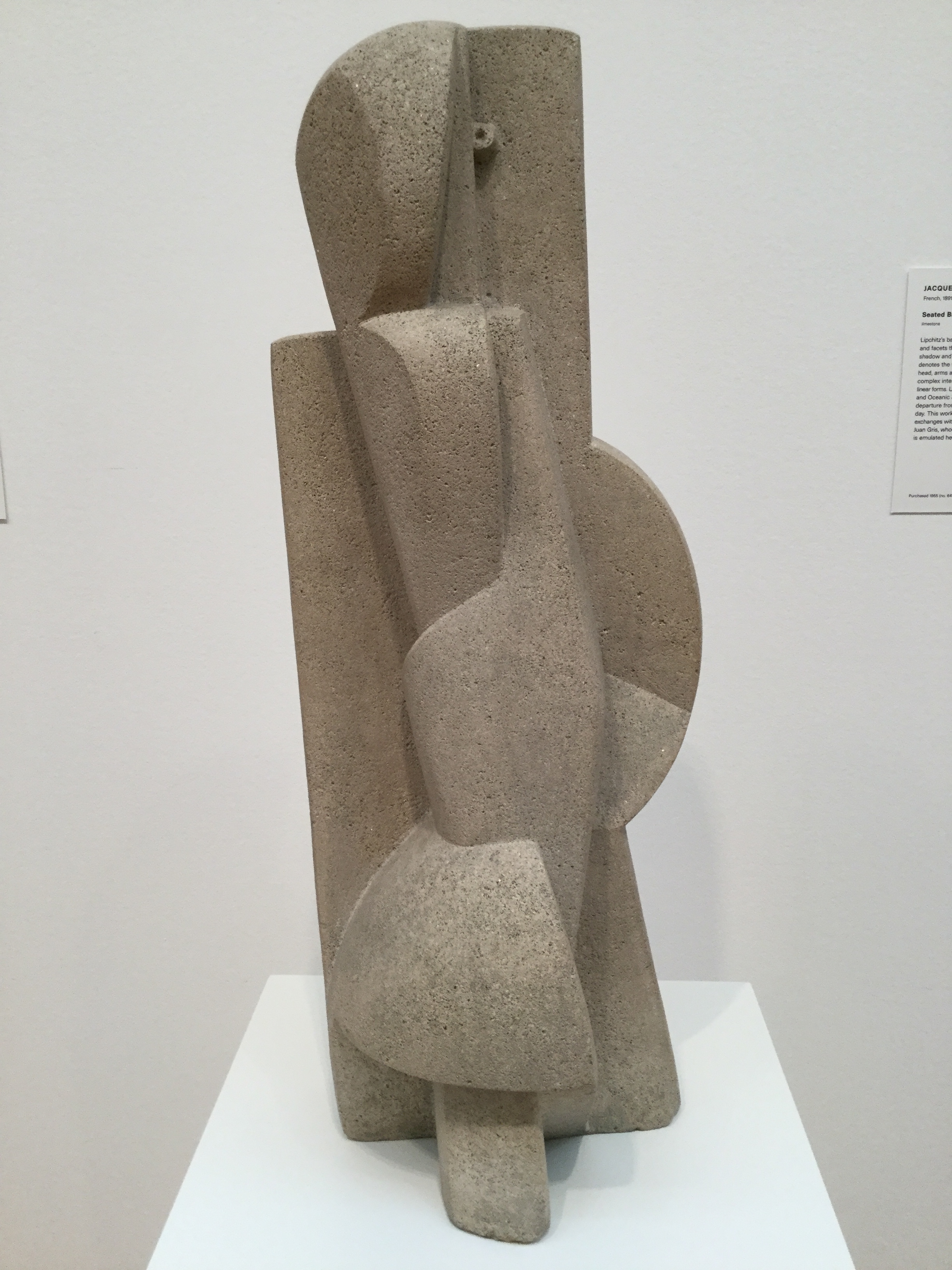
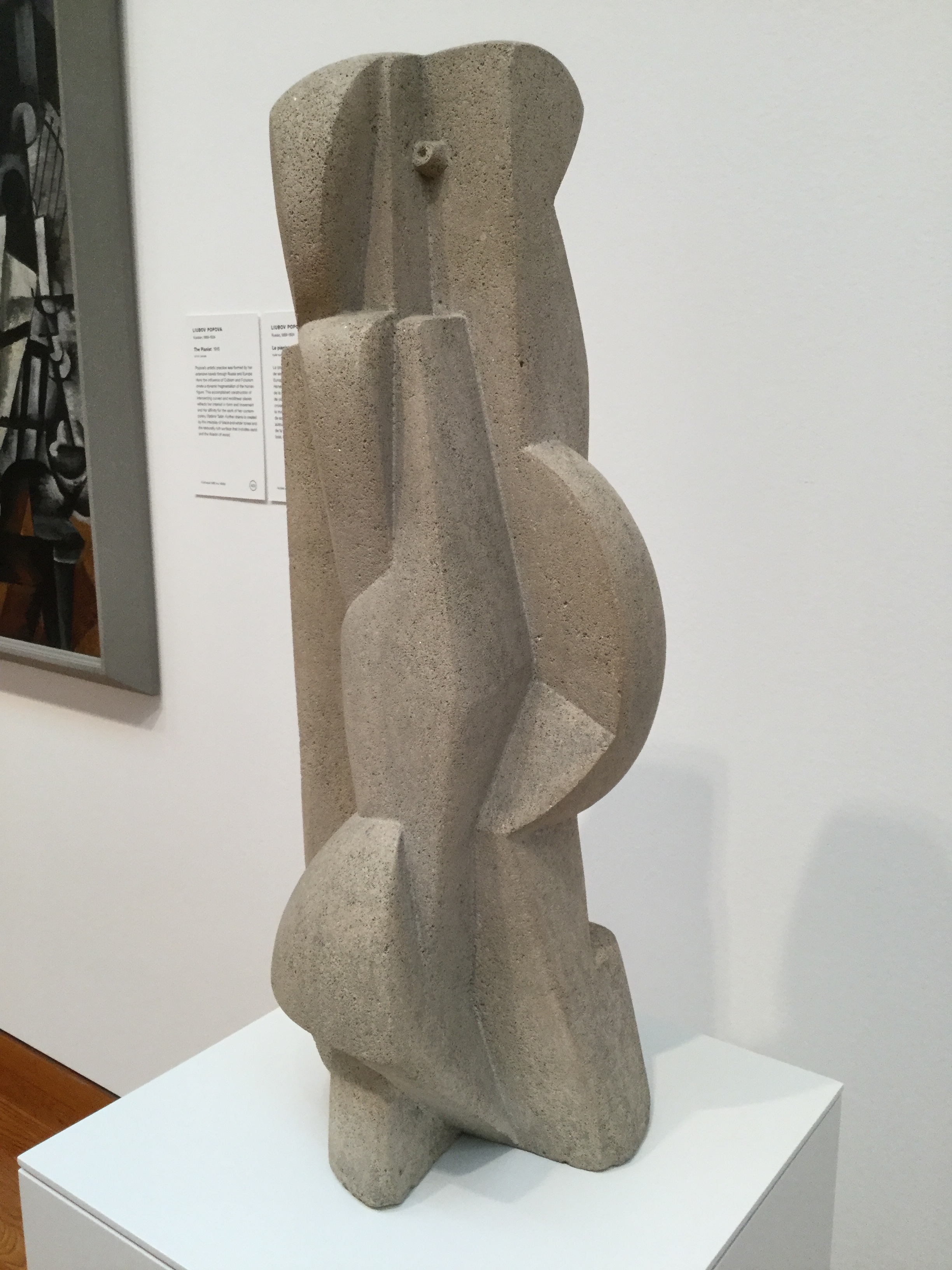
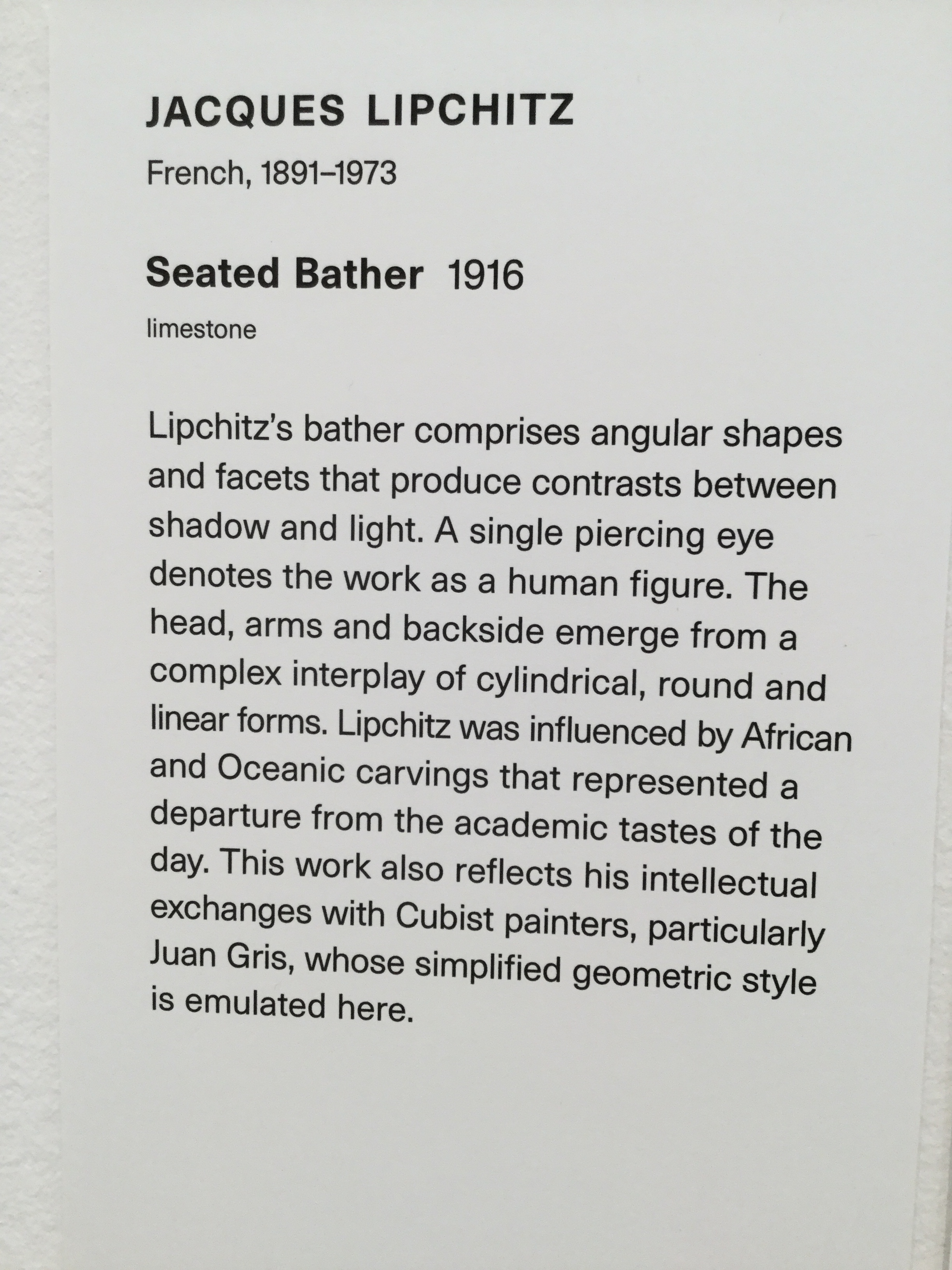
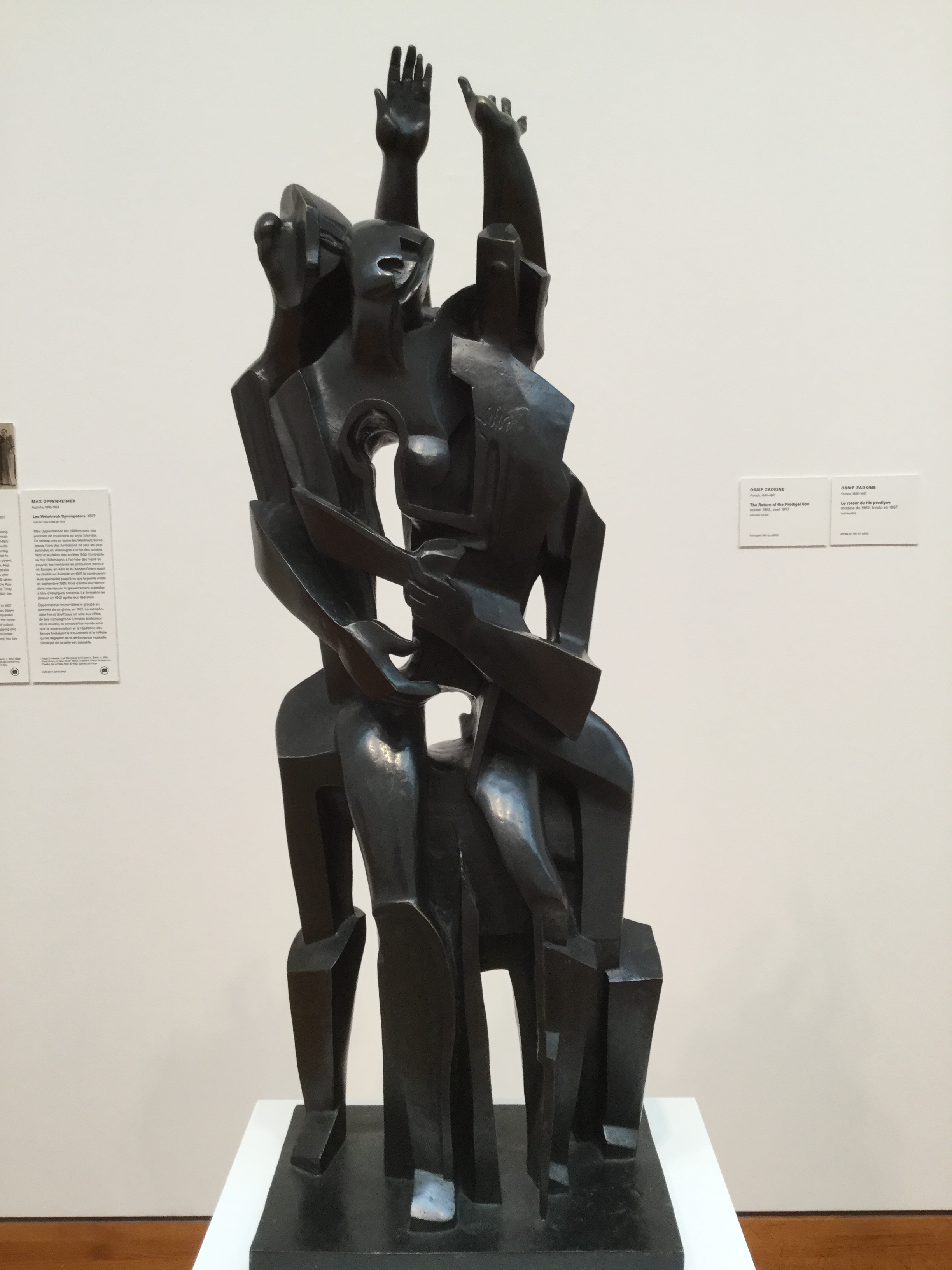
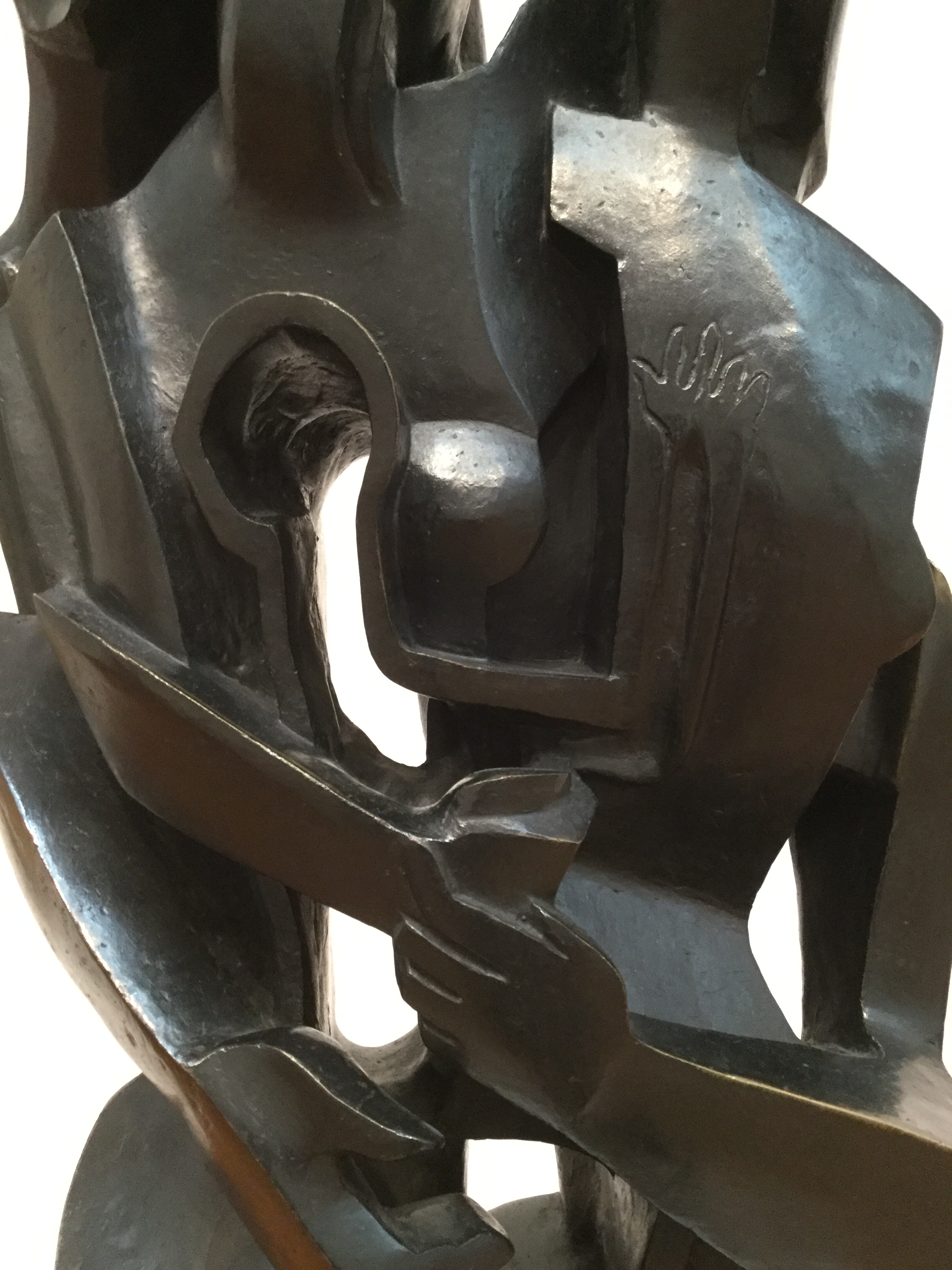
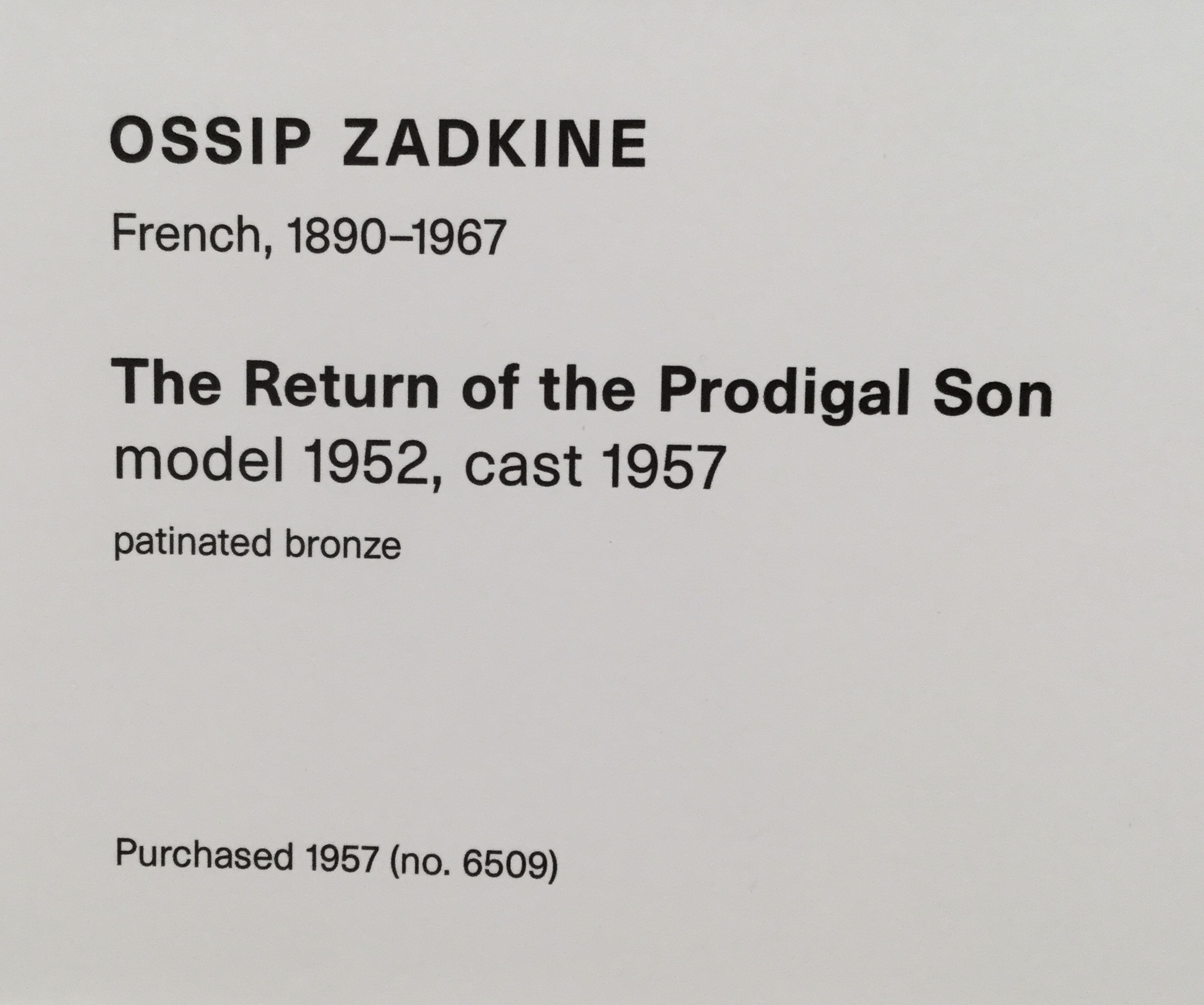
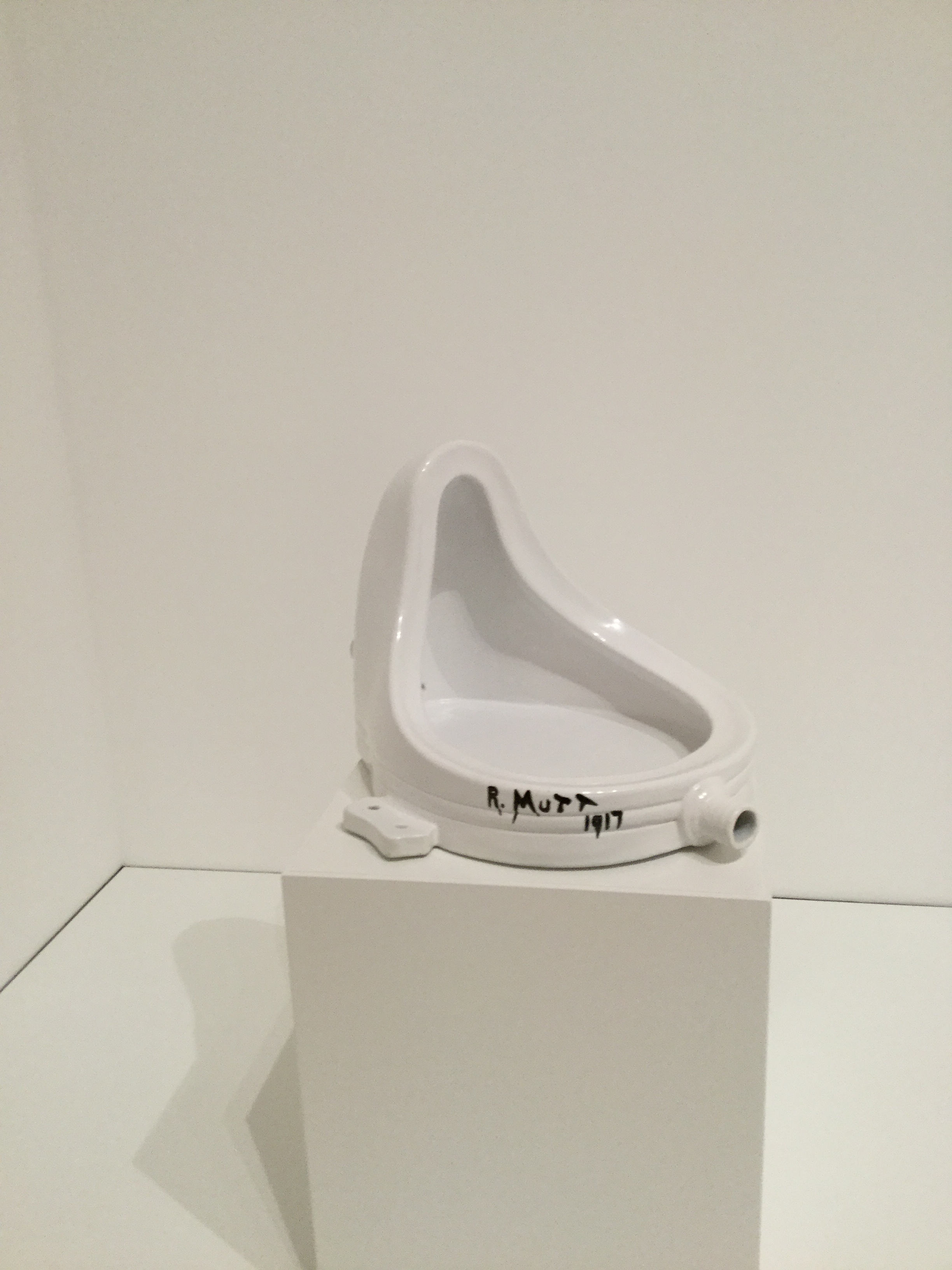
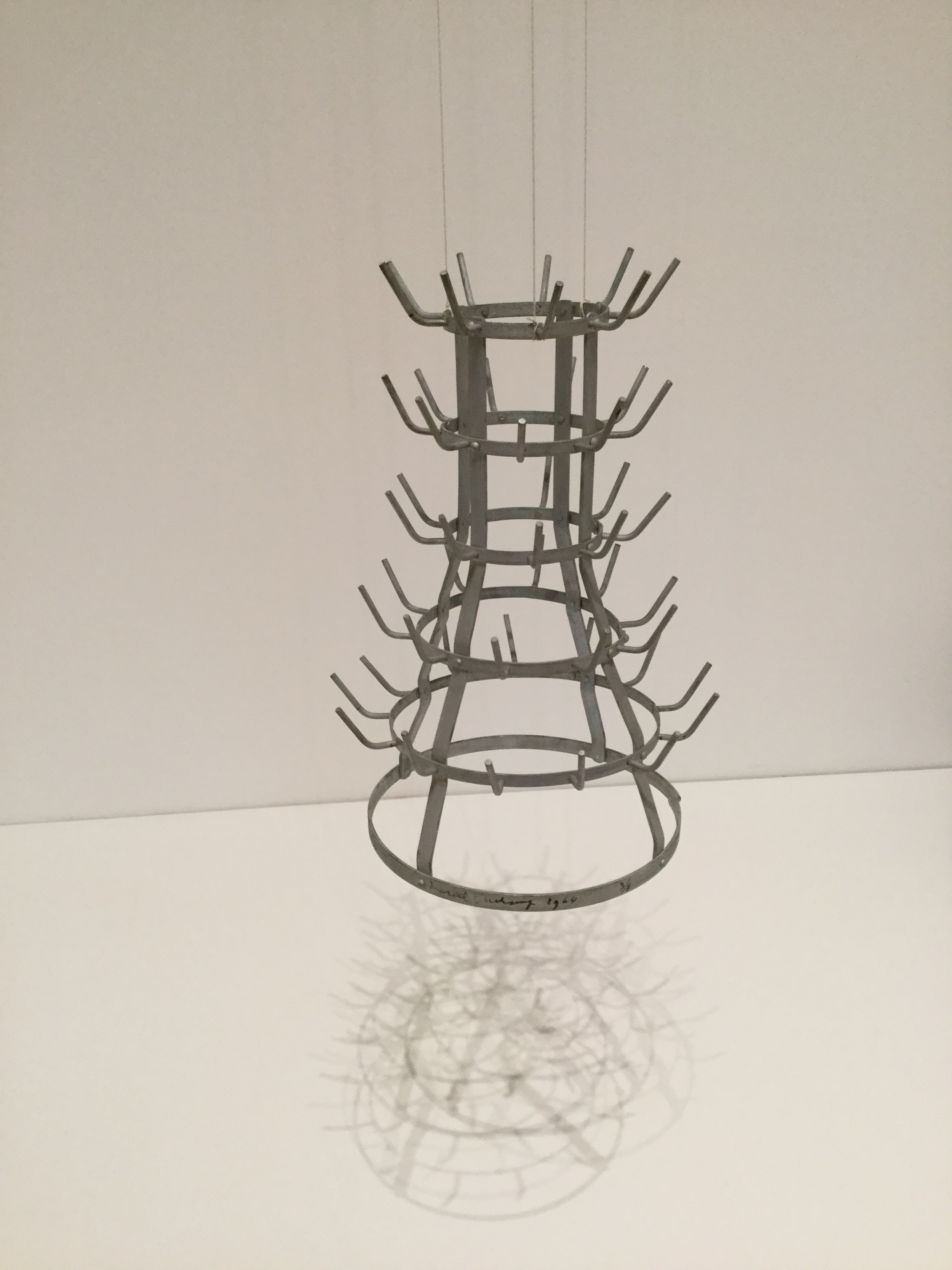
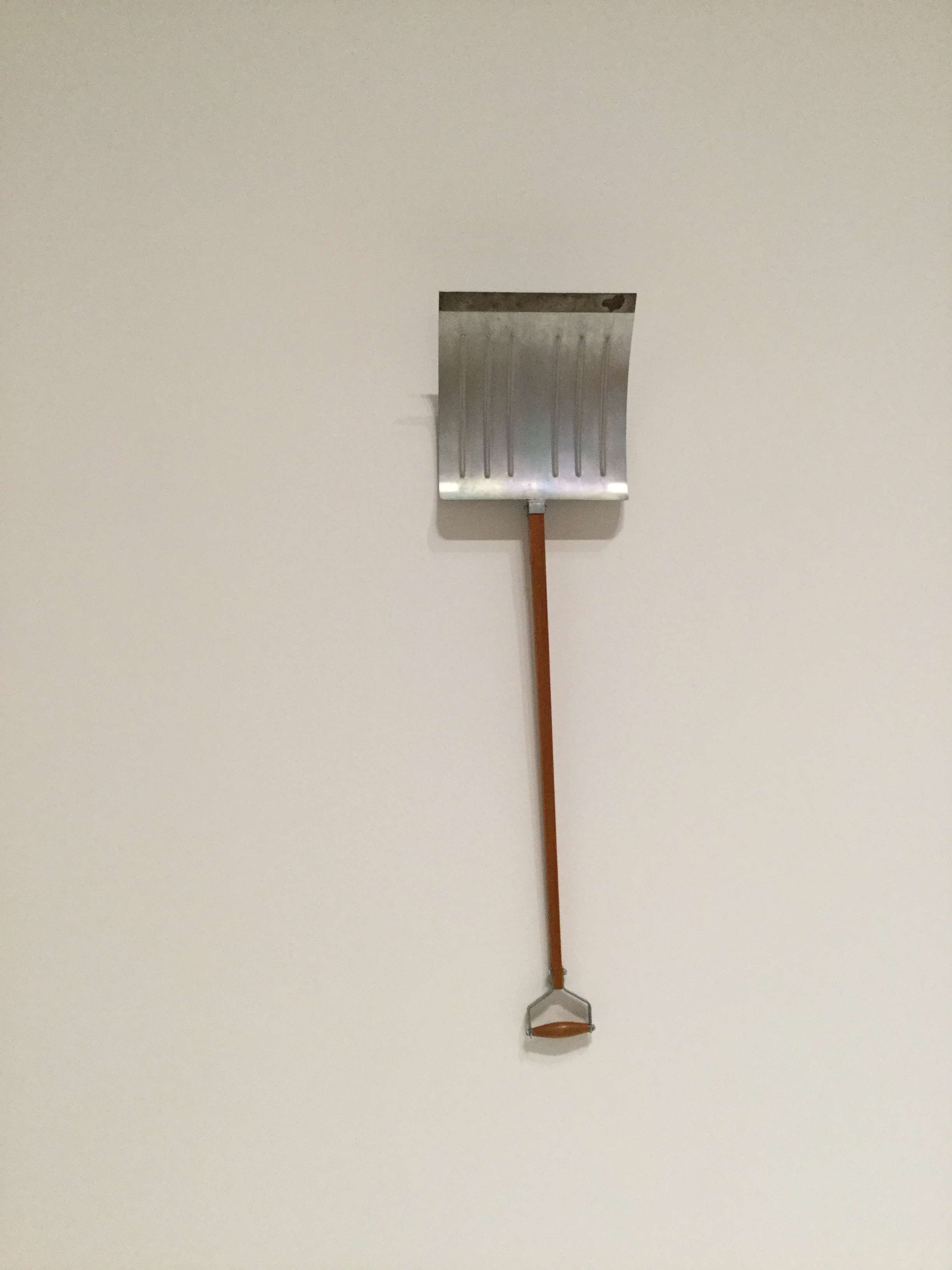
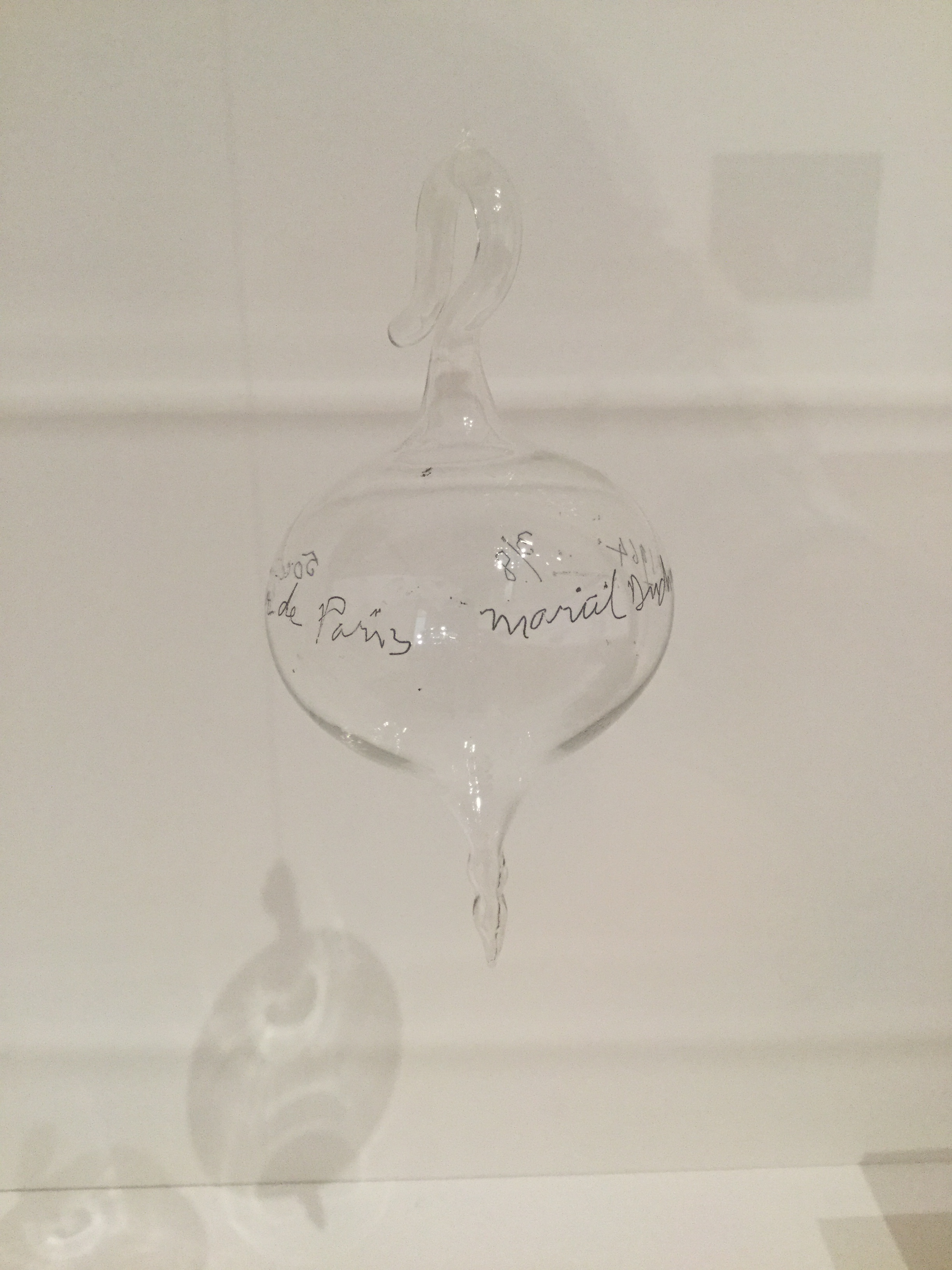
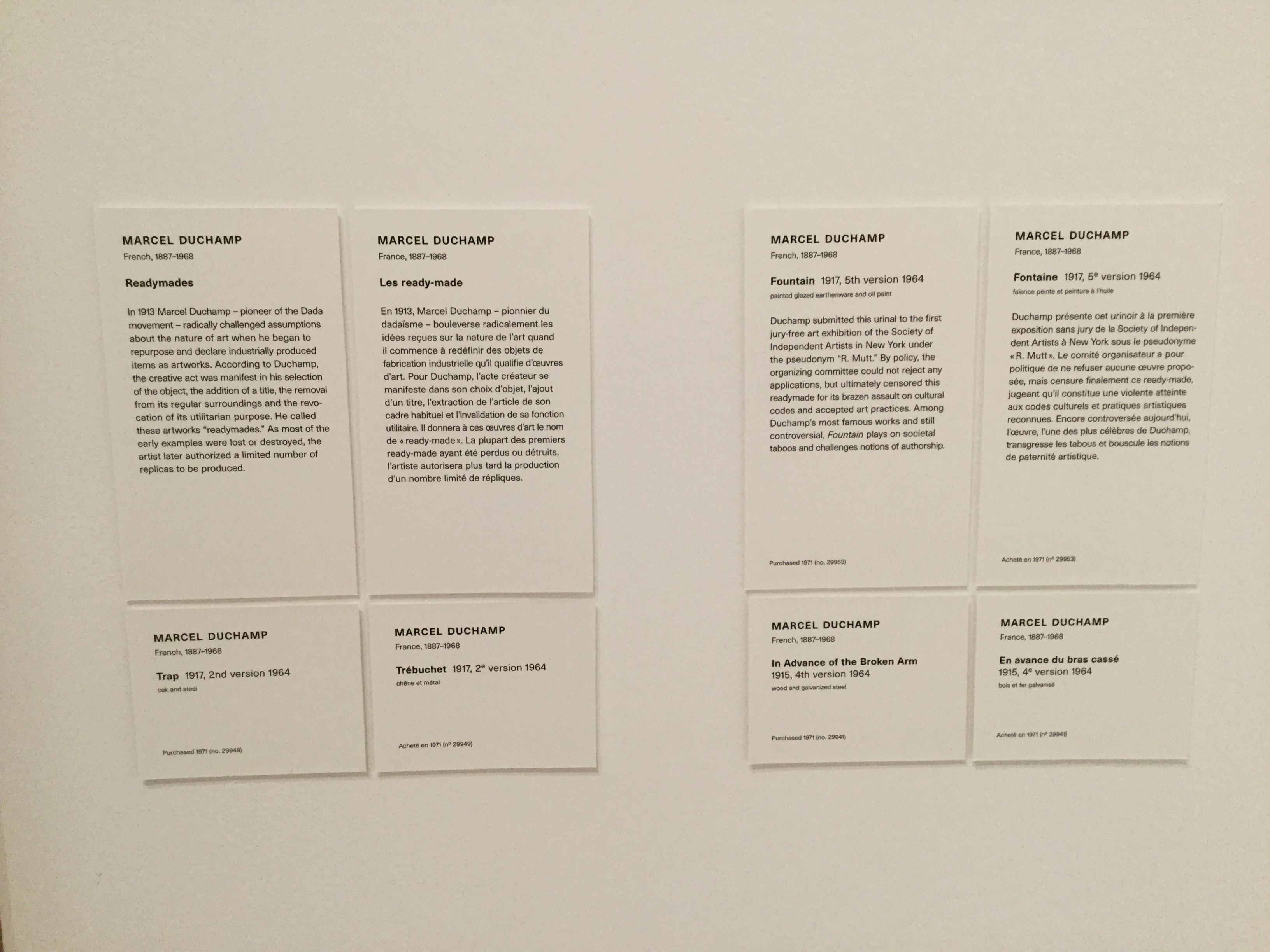
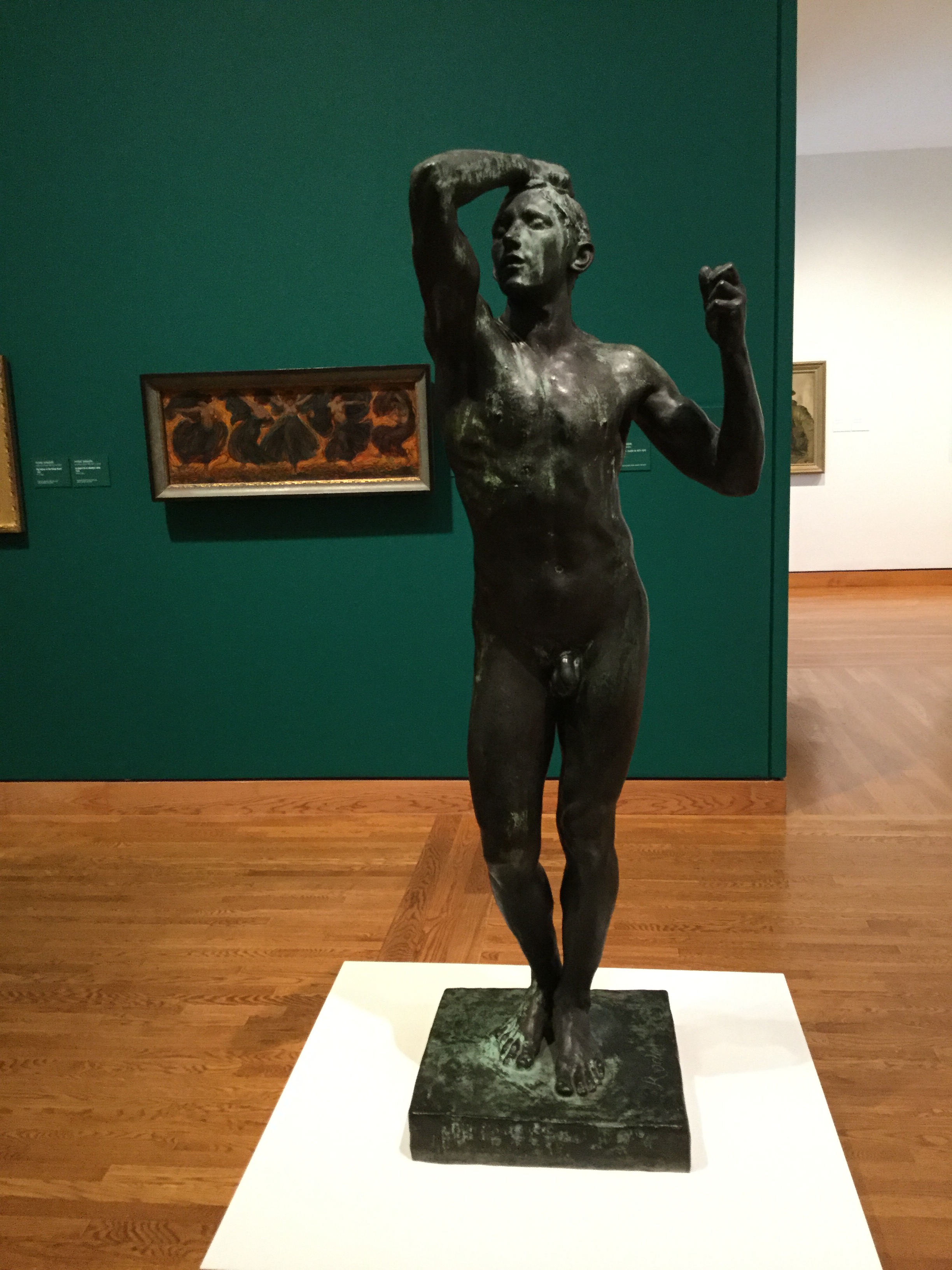
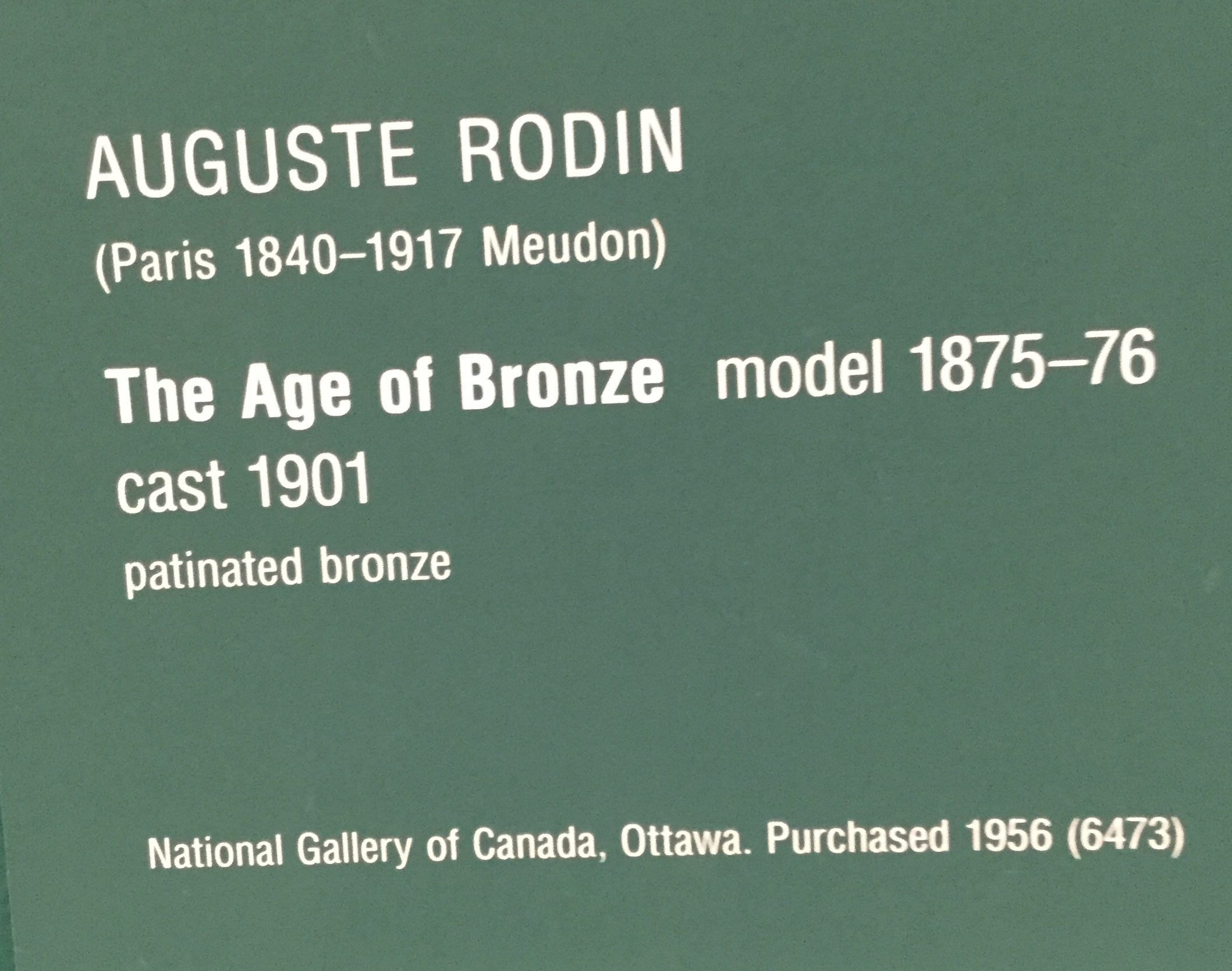
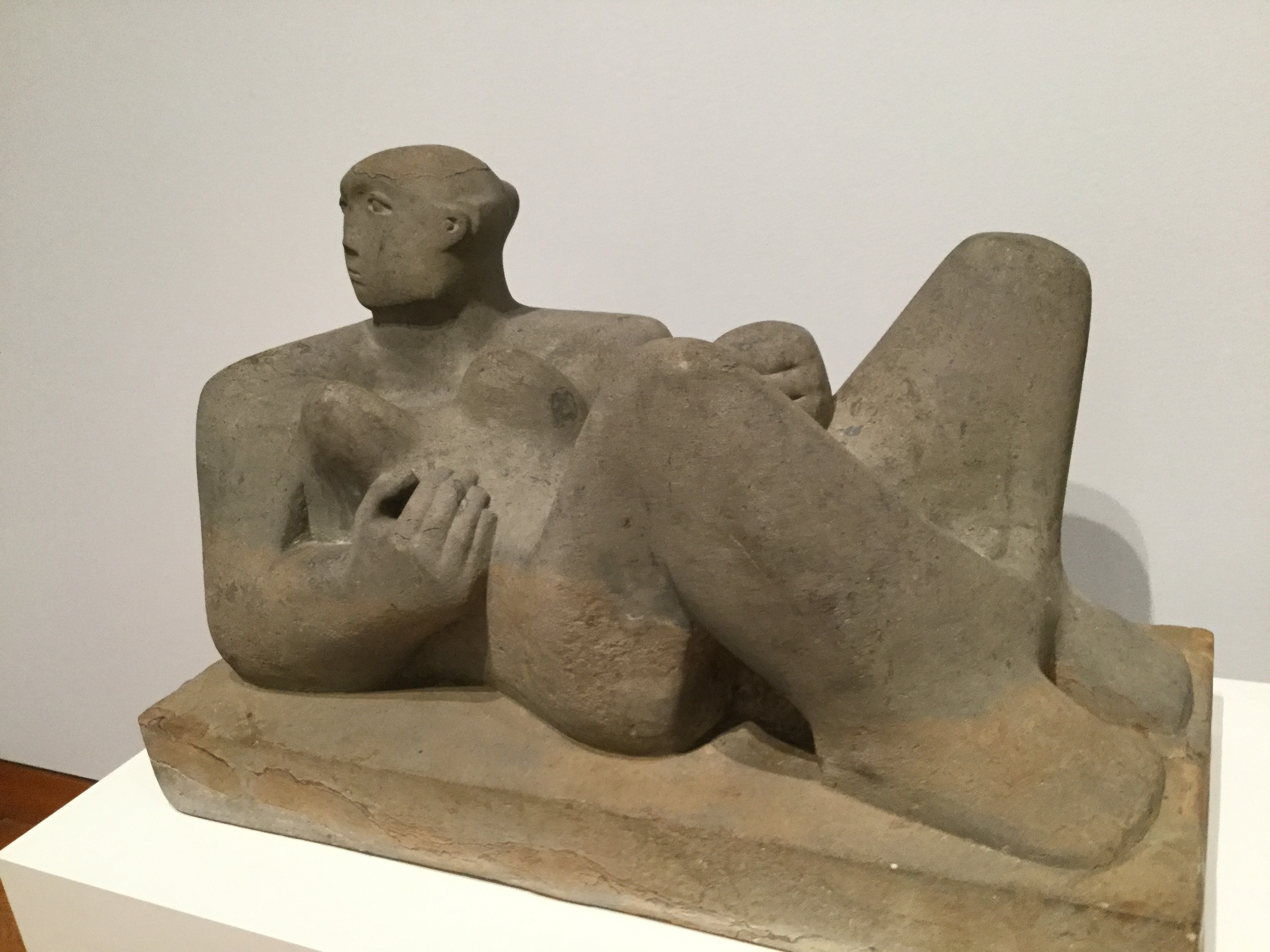
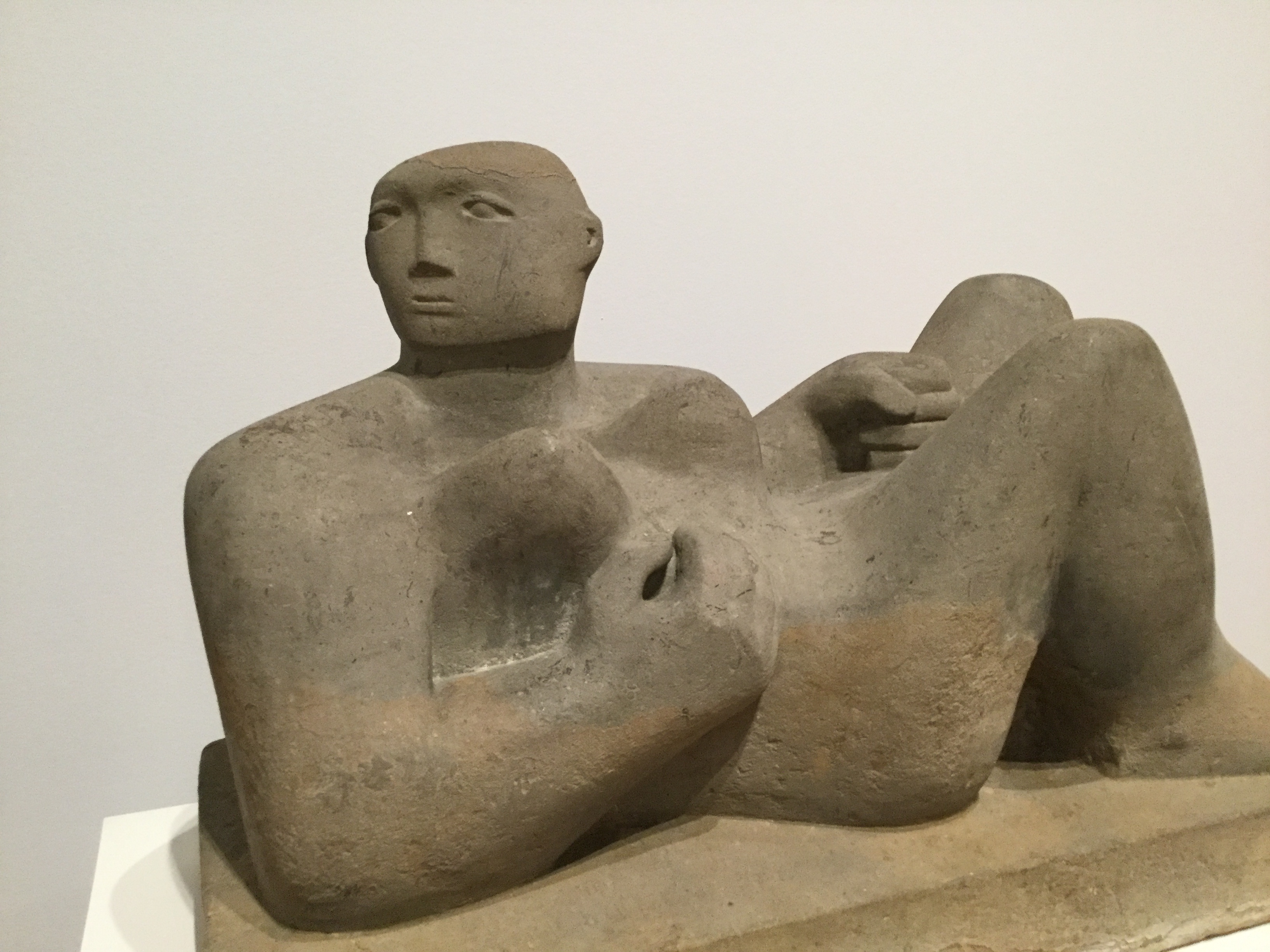
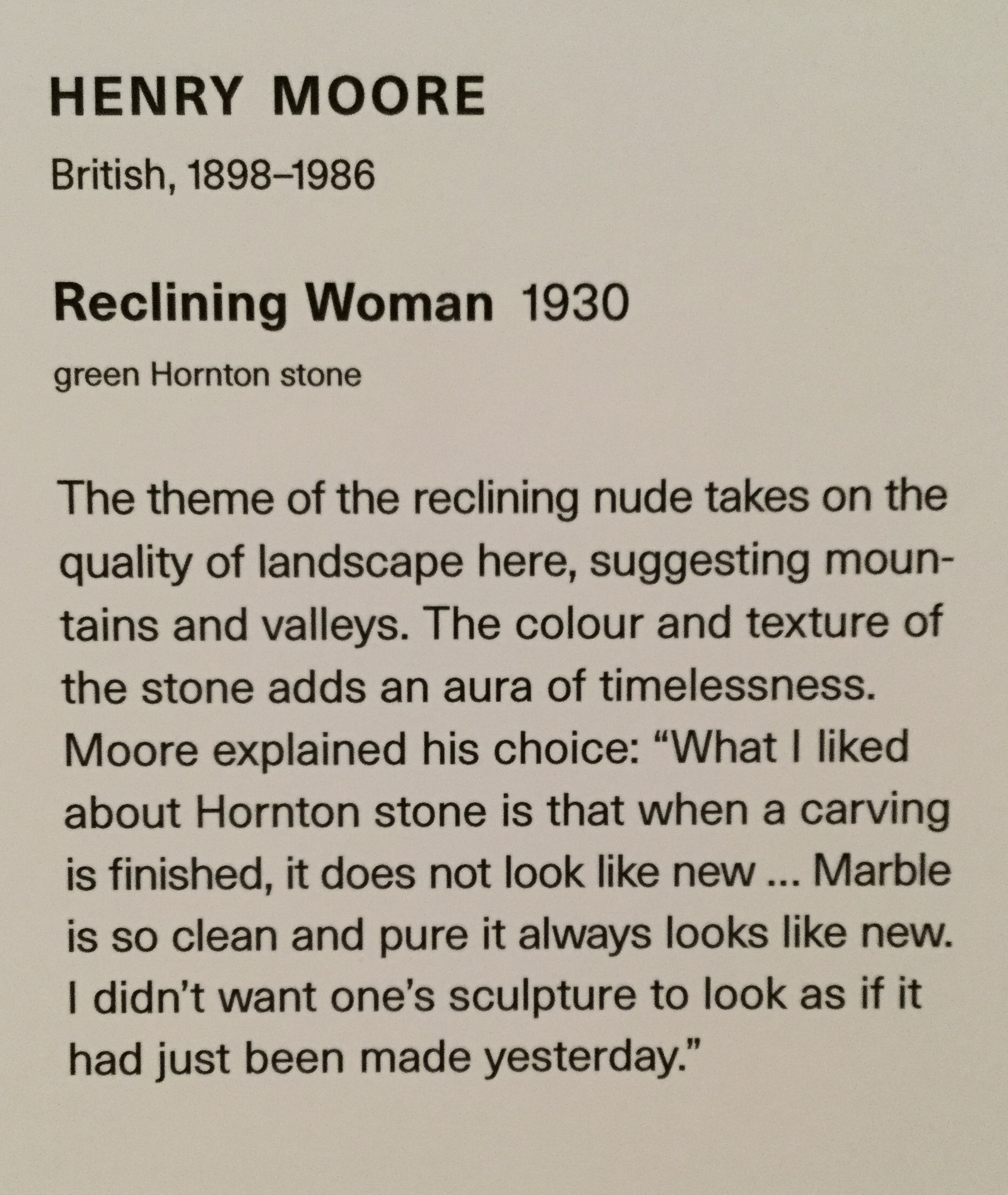
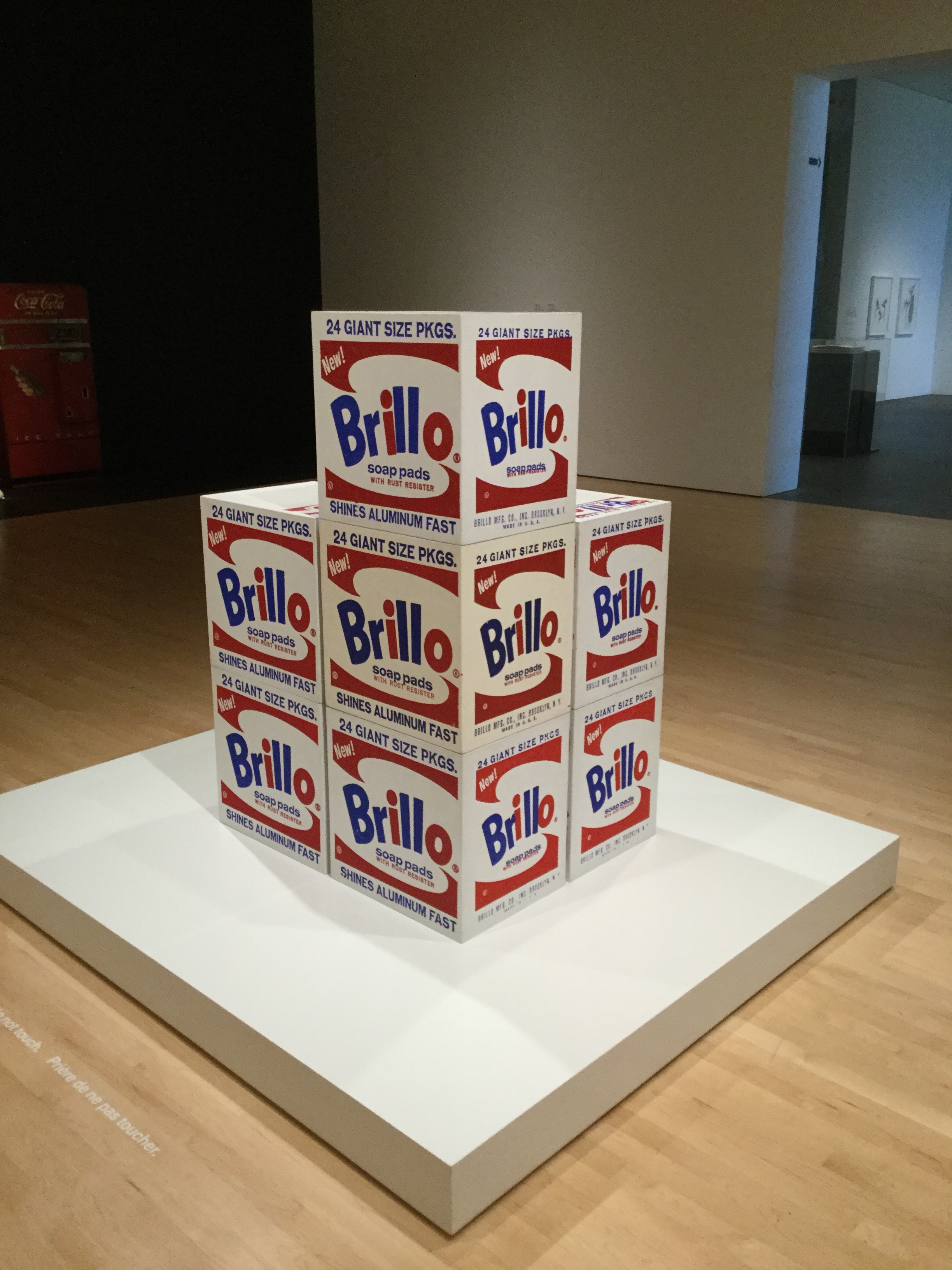
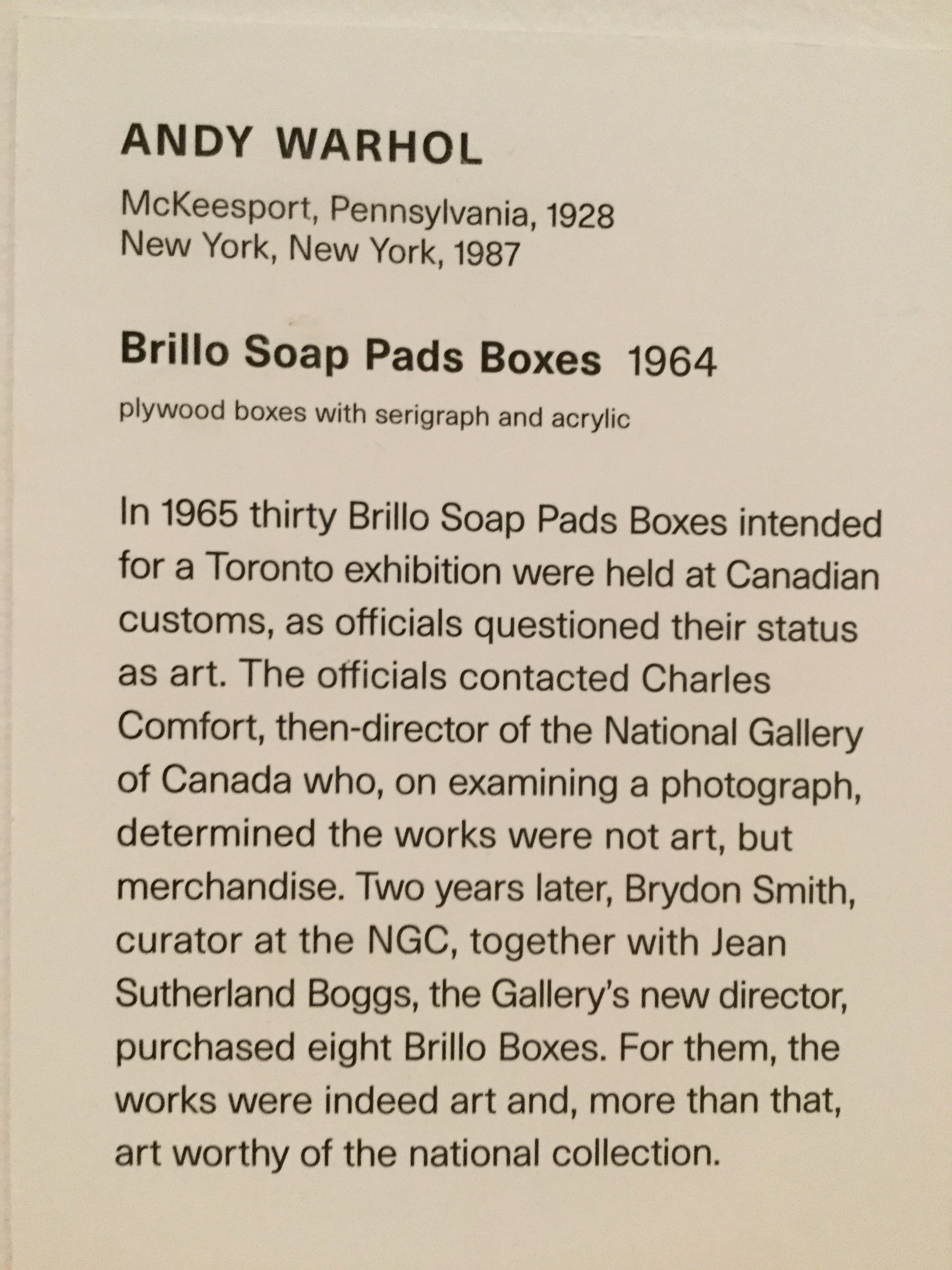
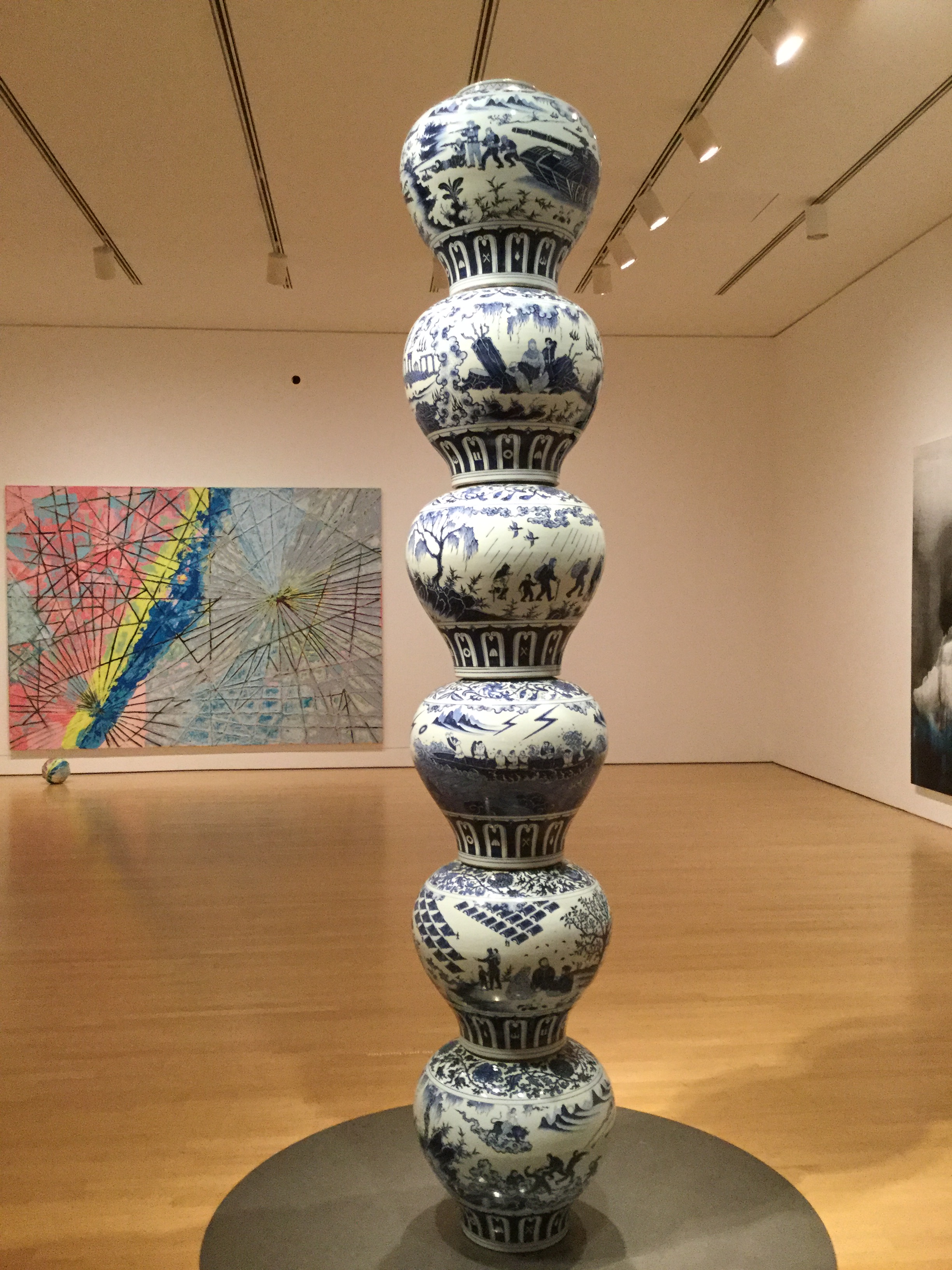
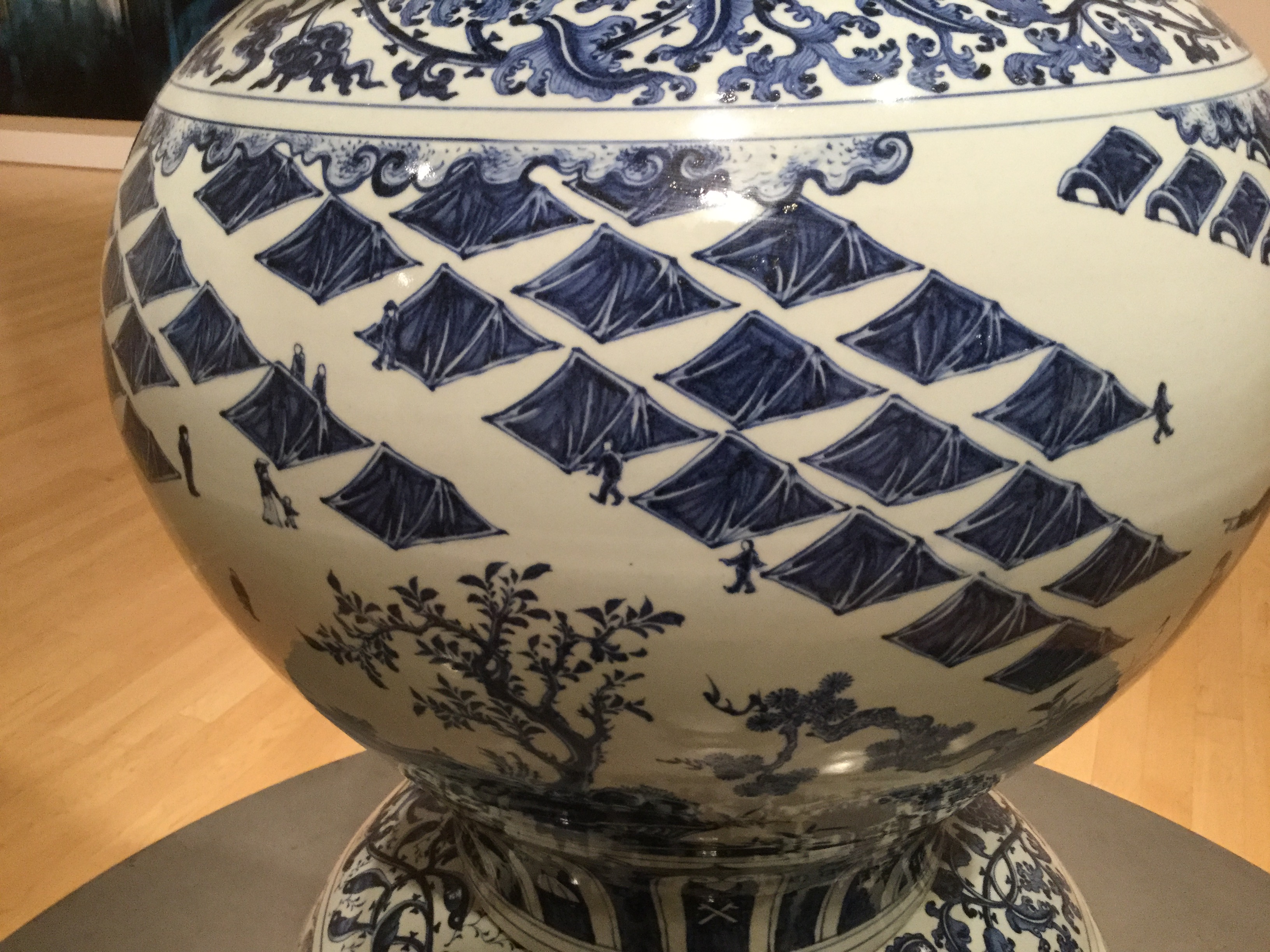
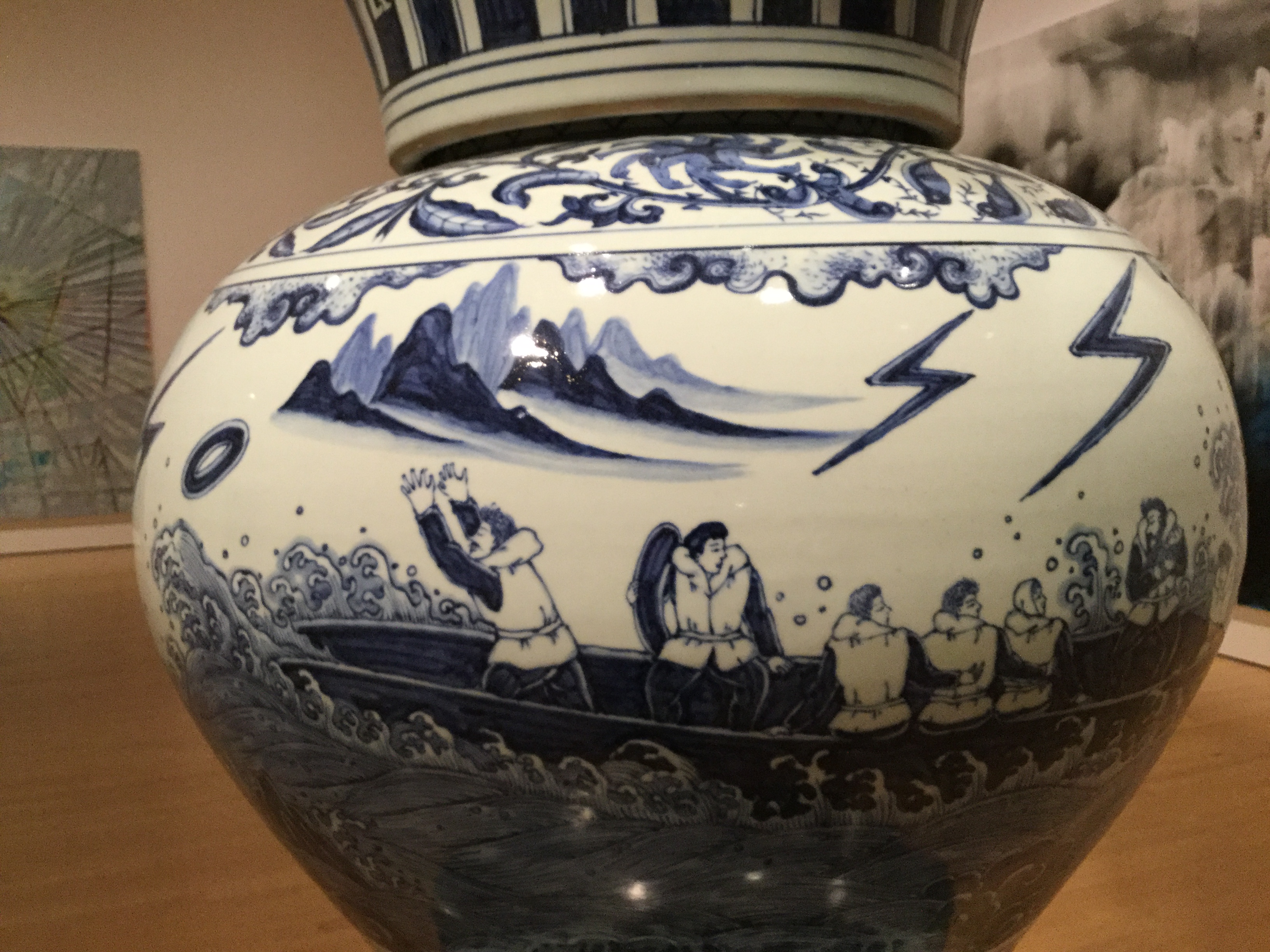
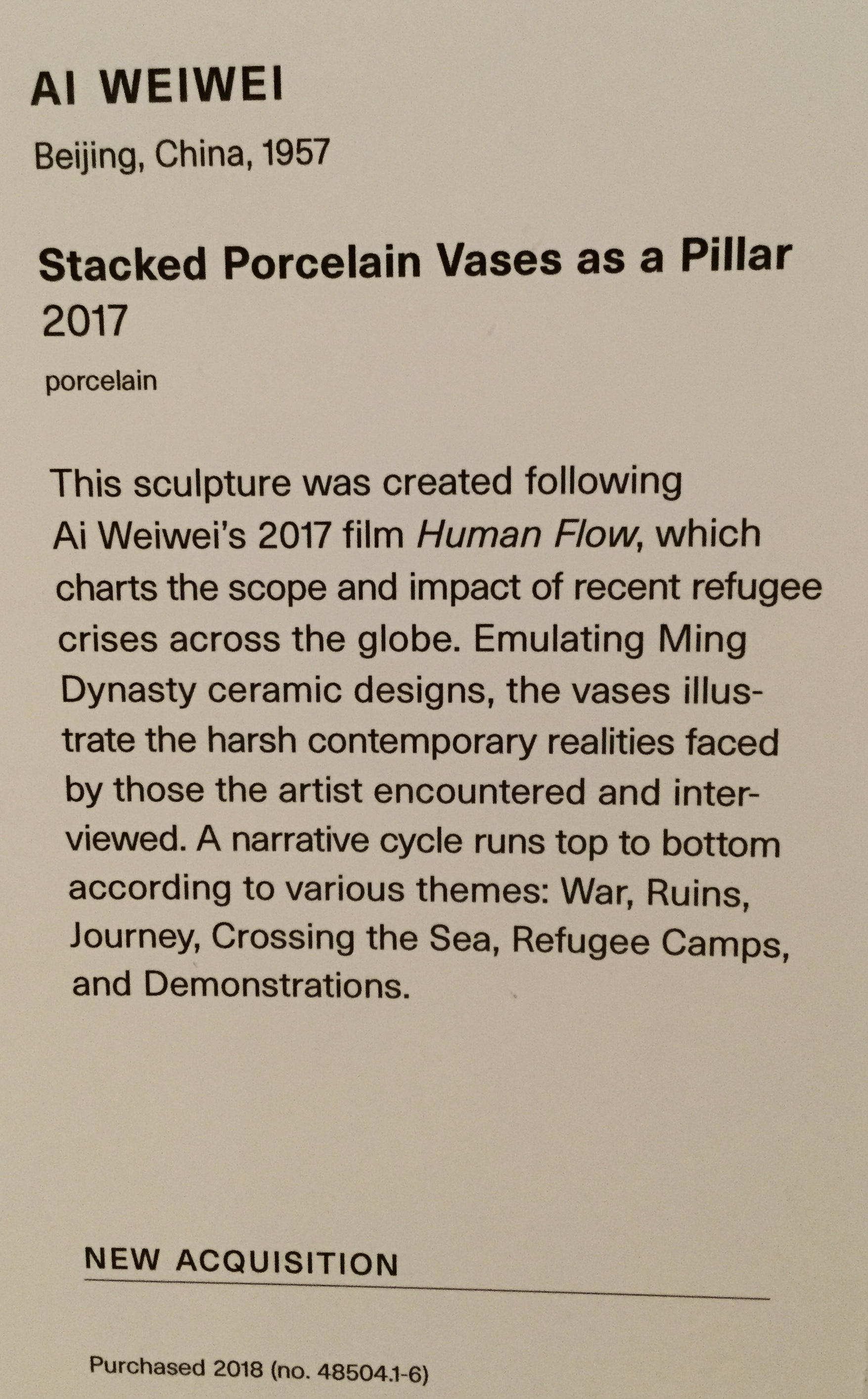
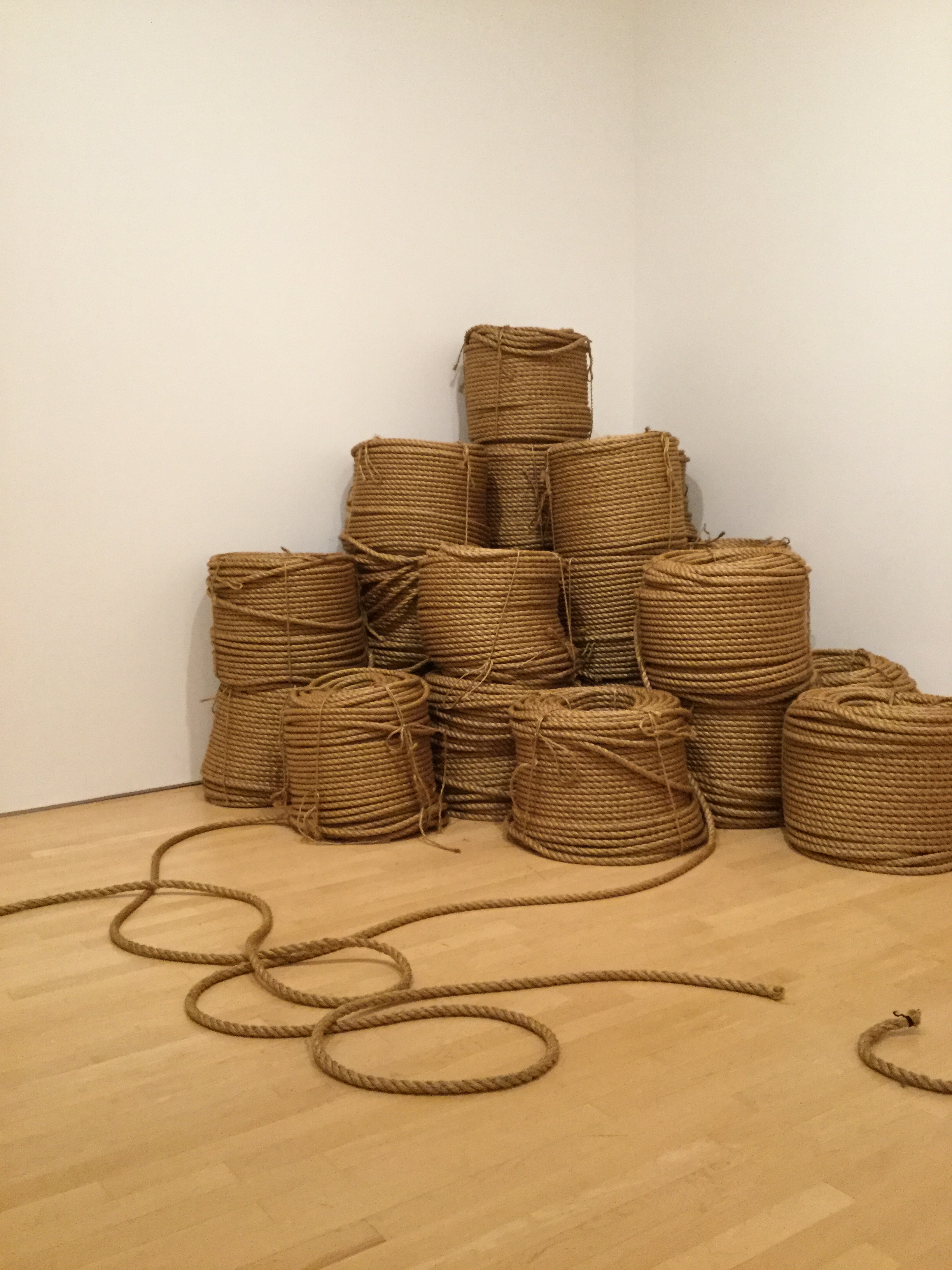
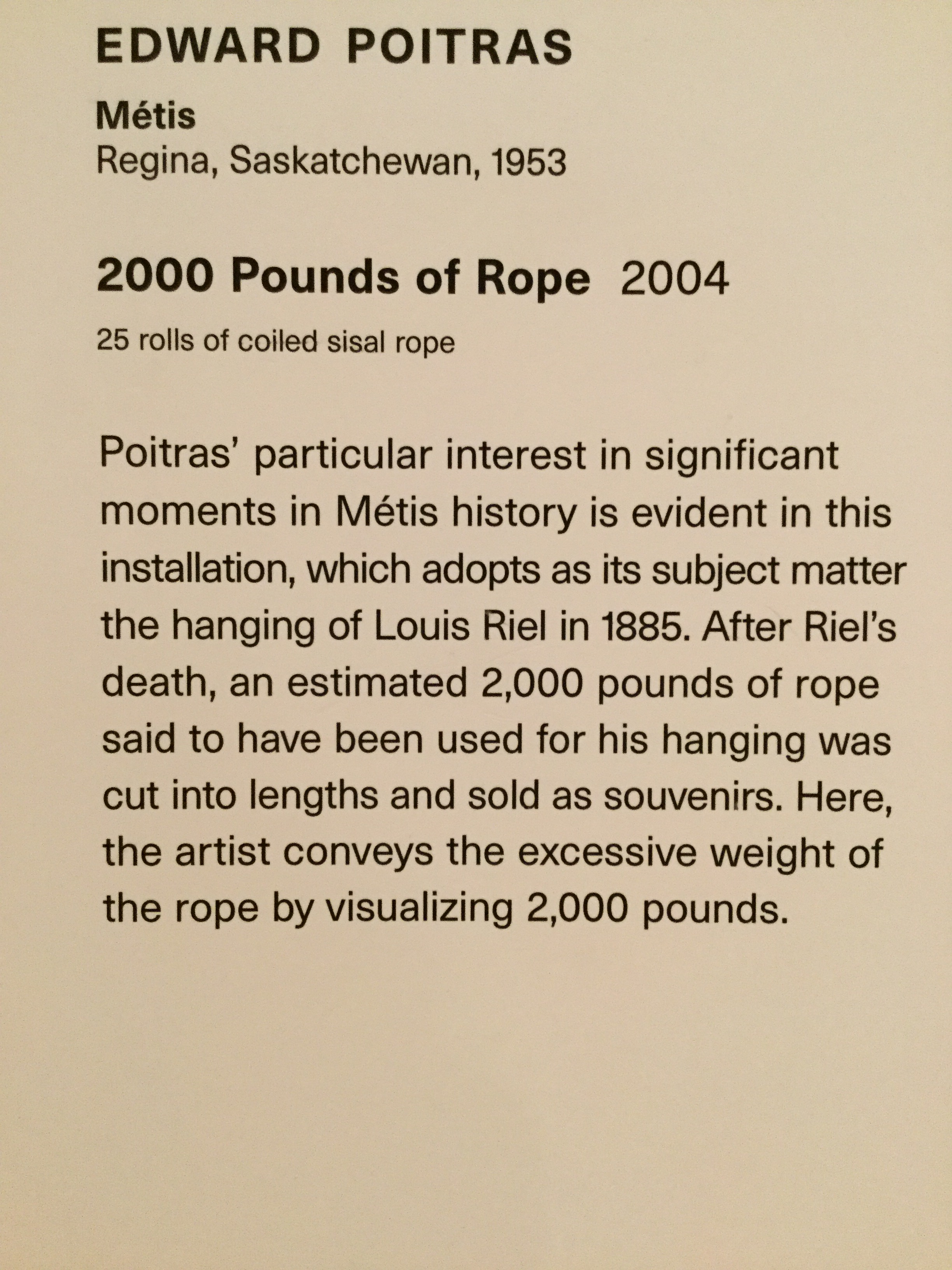
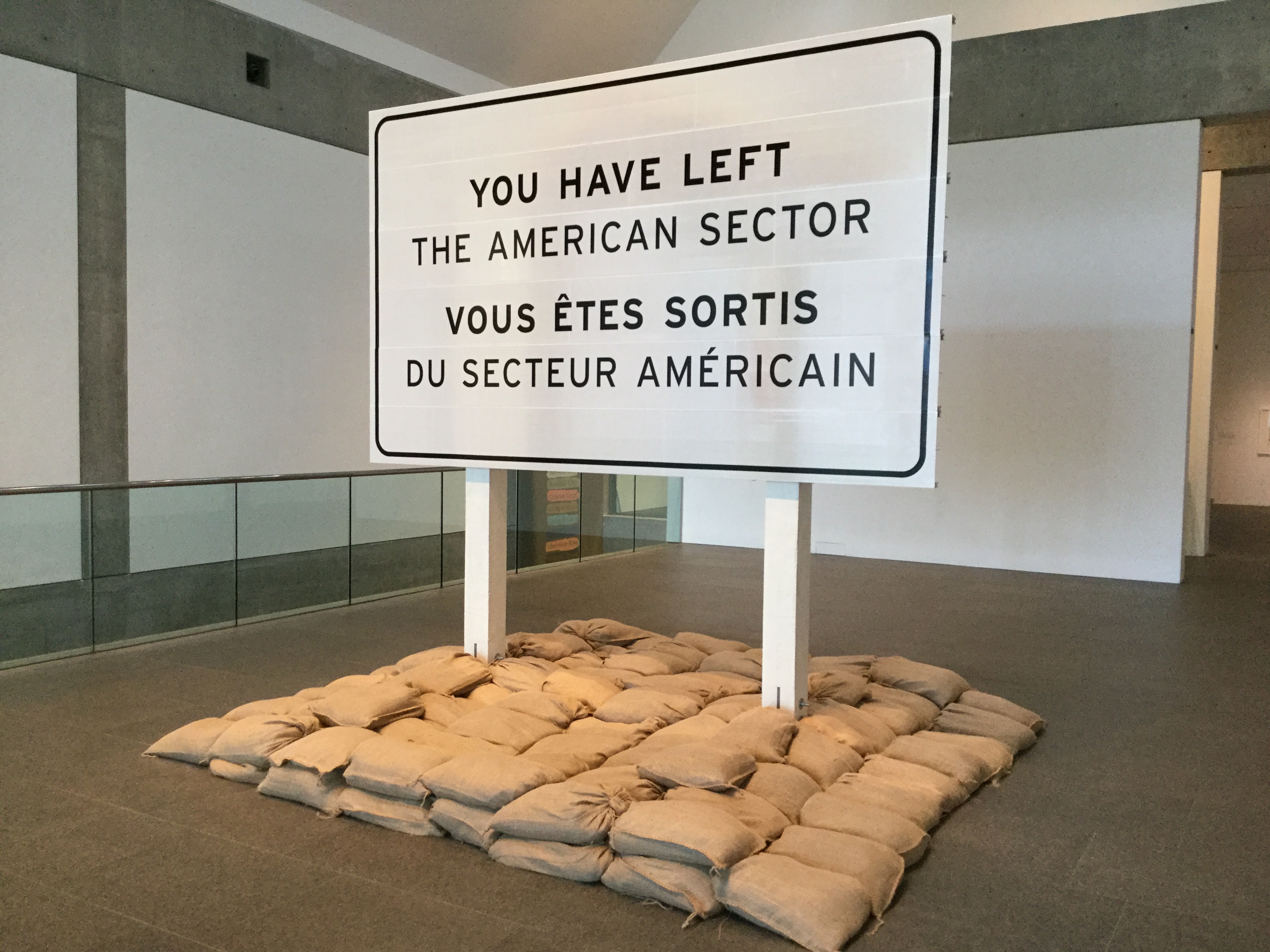
I was lucky to go to Ottawa, Montreal and Quèbec City this summer. The museums offer was incredibly and of course the statues I saw, not only in the museums but also on the streets were fantastic. I was fascinated how I was able to see sculptures with different eyes now that I’m doing some (minor) sculptures of my own. I paid attention to the materials, sizes, forms and the concepts behind the sculptures but I was intrigued, most of the time, by the base or by how the sculpture stood by itself.
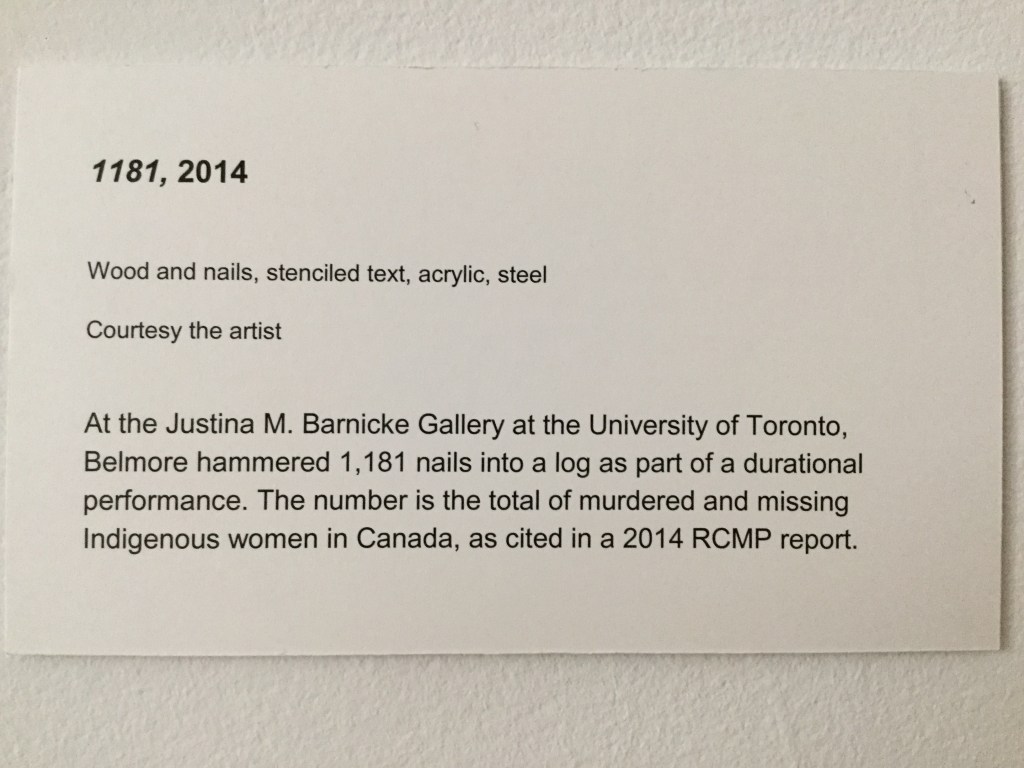
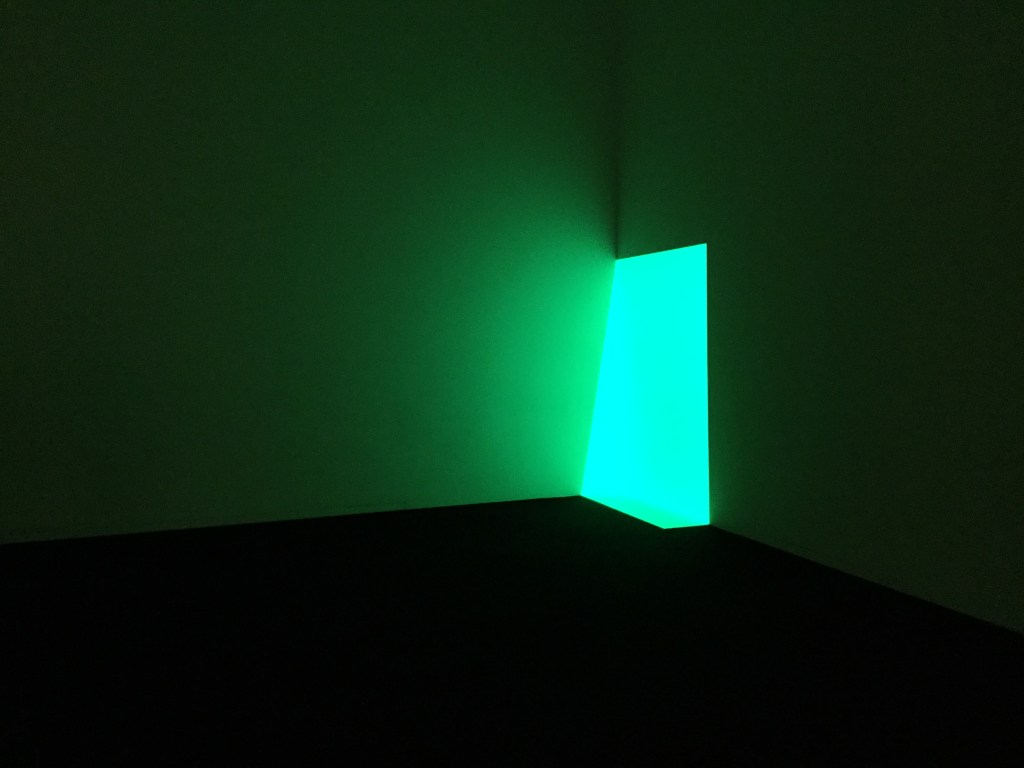
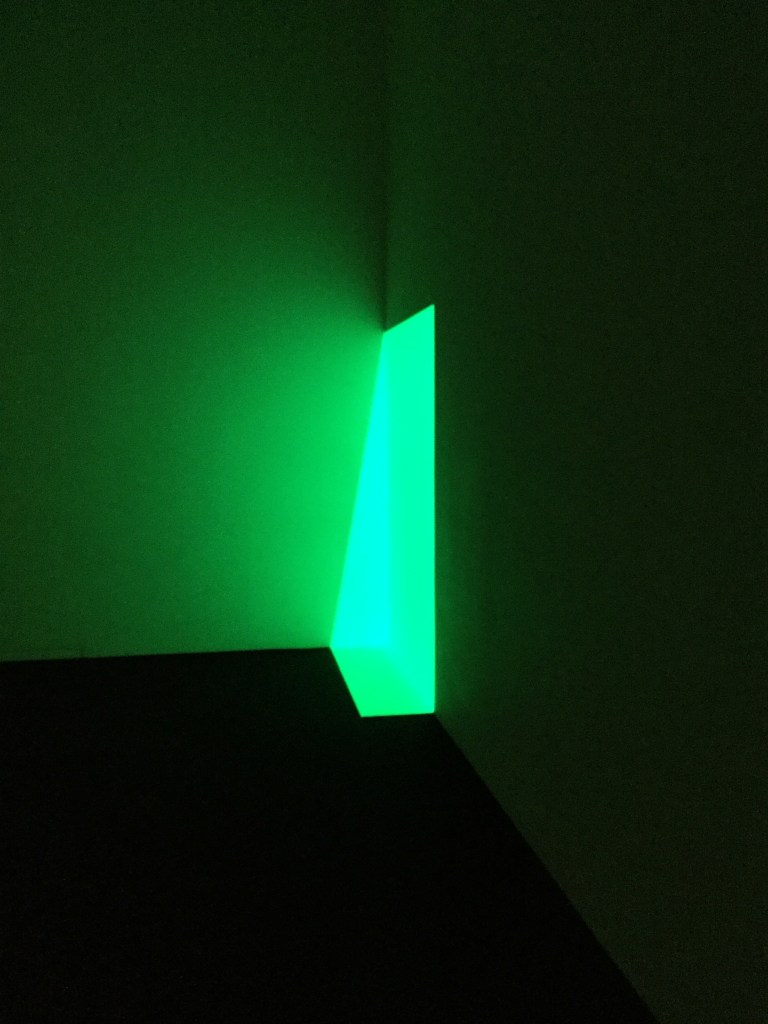
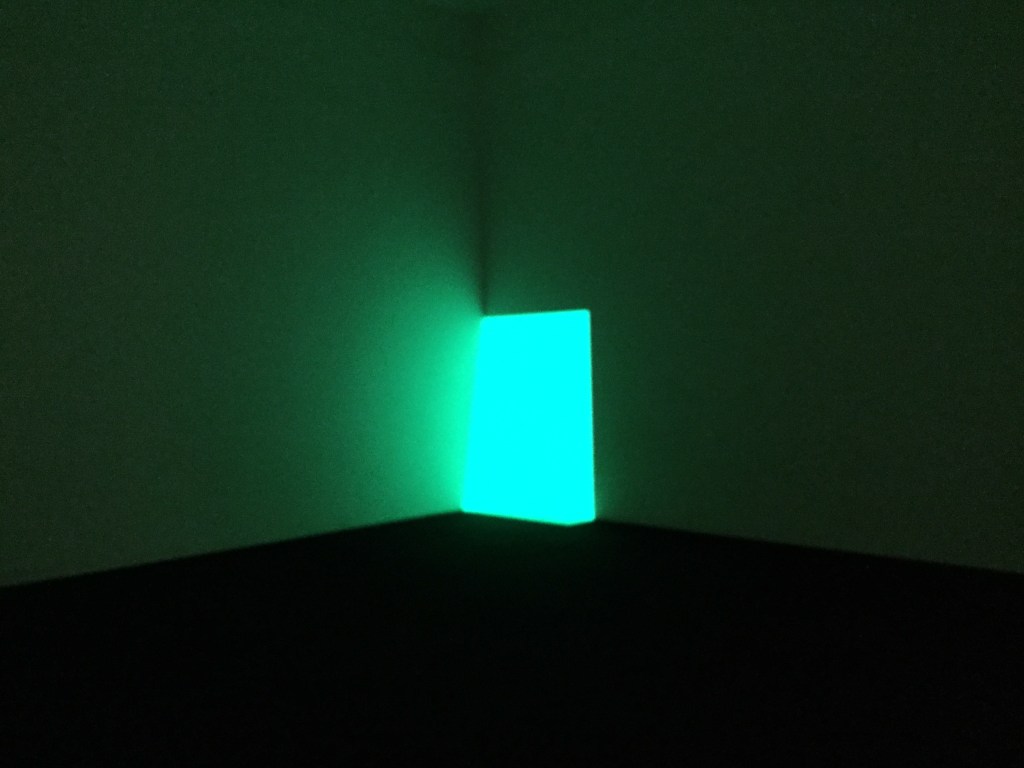
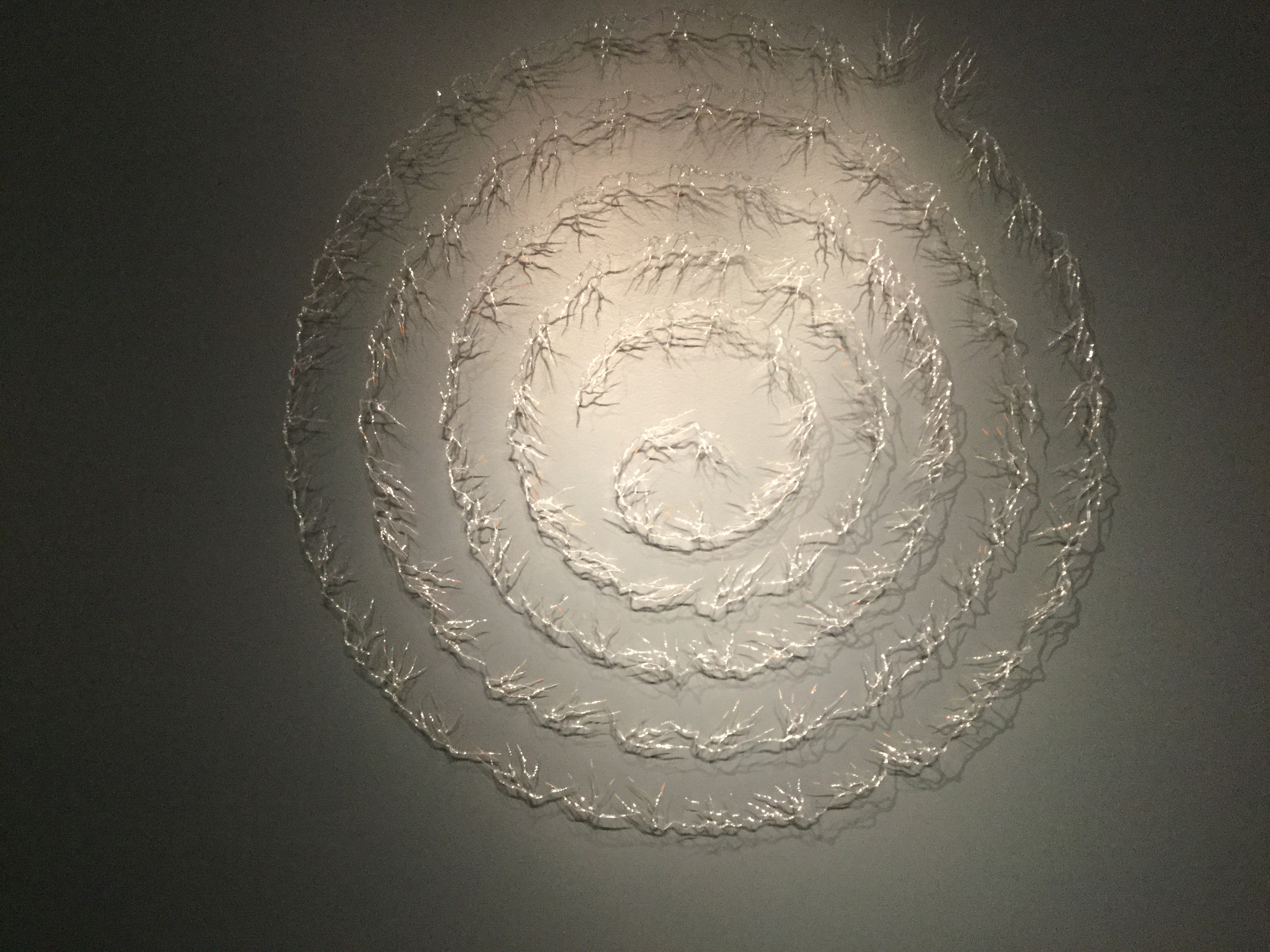
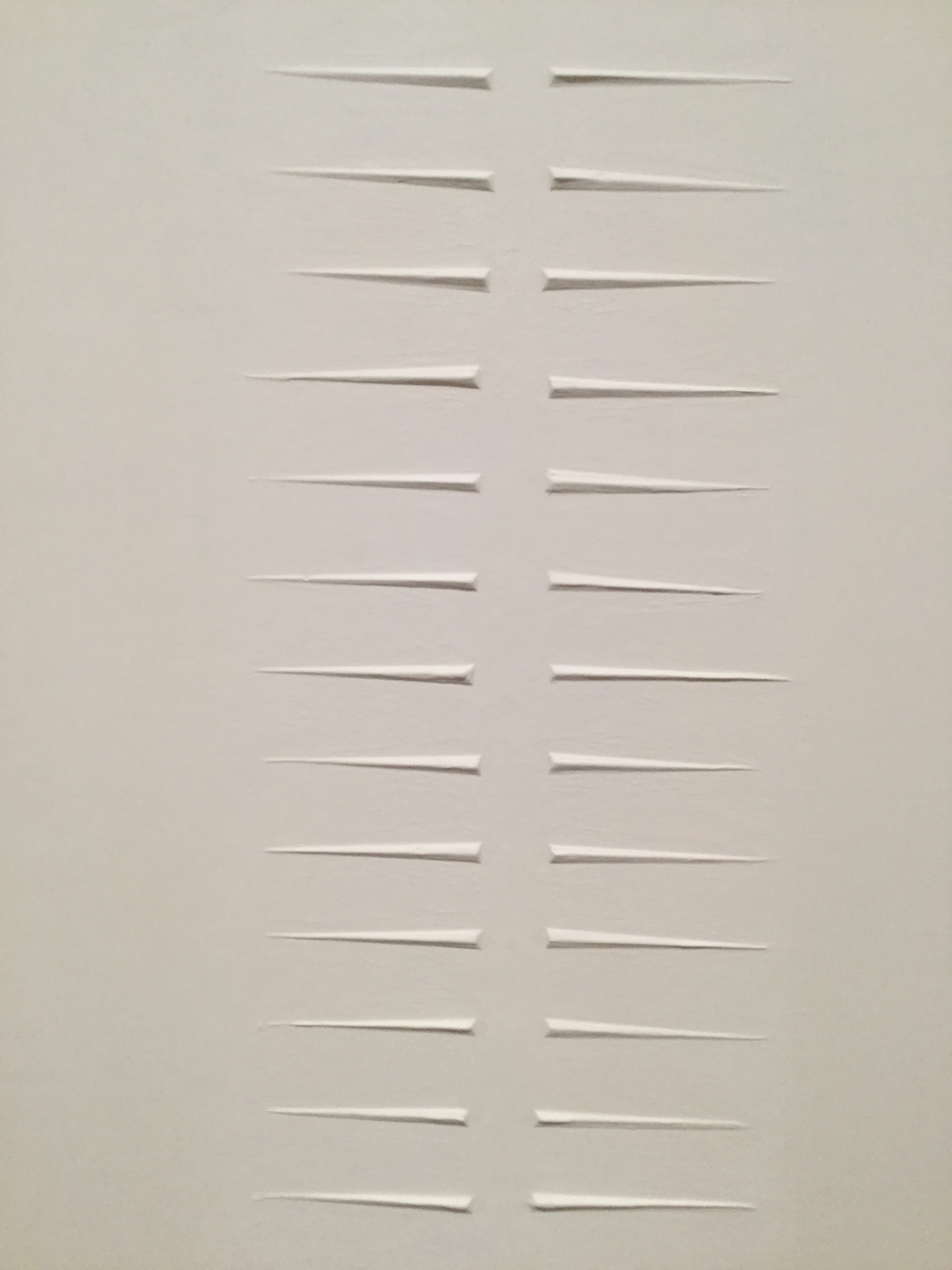
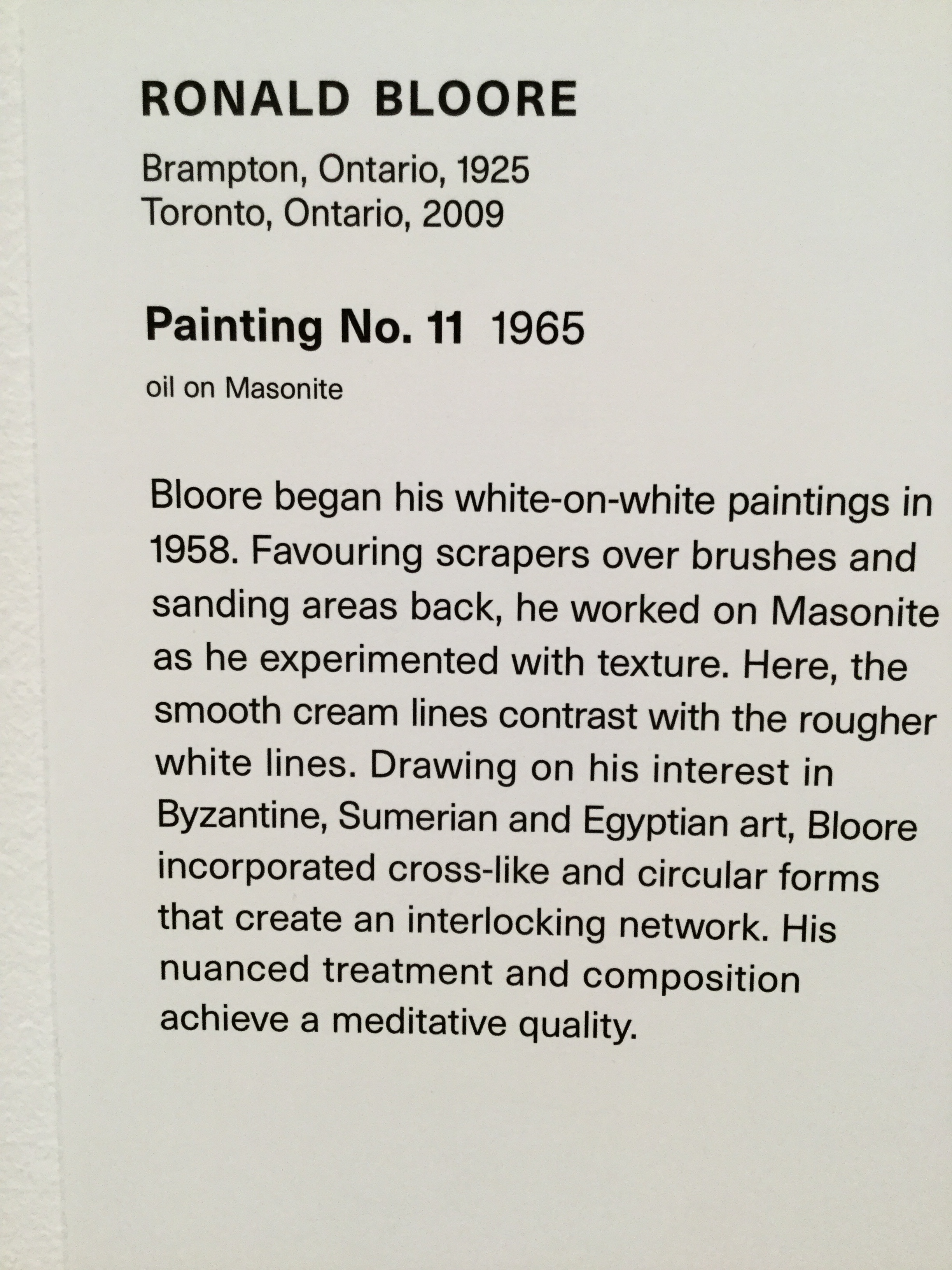
The following galleries are of the sculptures that I found most interesting. There were two artists that impressed me the most: James Turrell and Rebecca Belmore. One of the sculptures that impressed me the most was by James Turrell, and it was made with light!
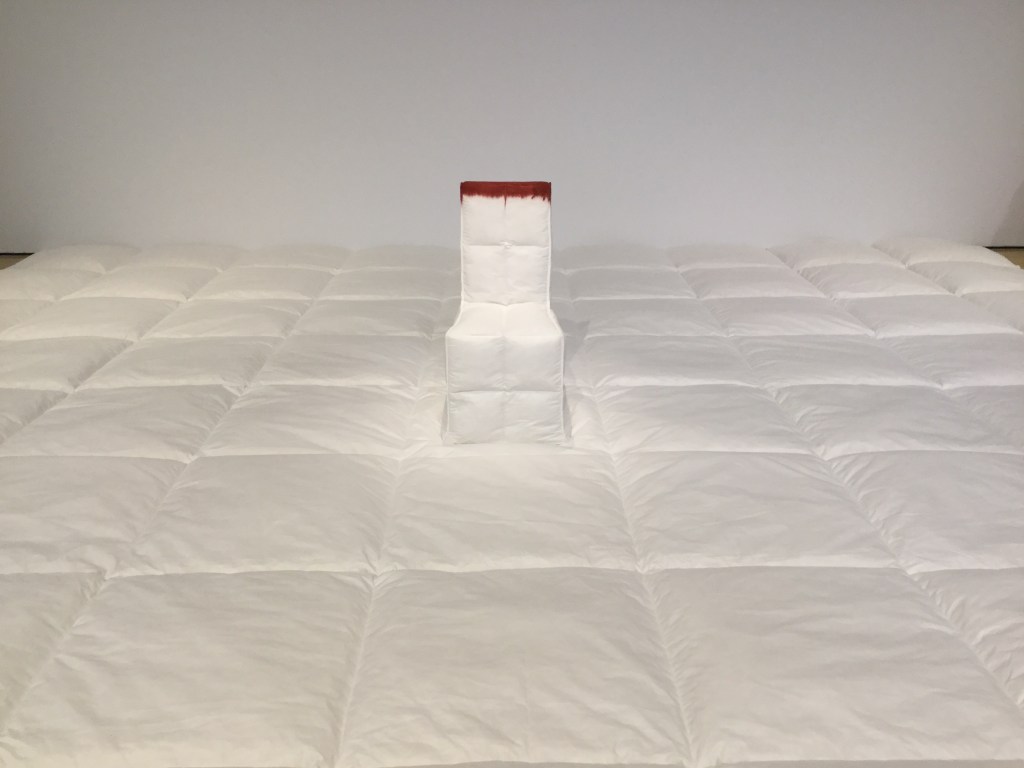
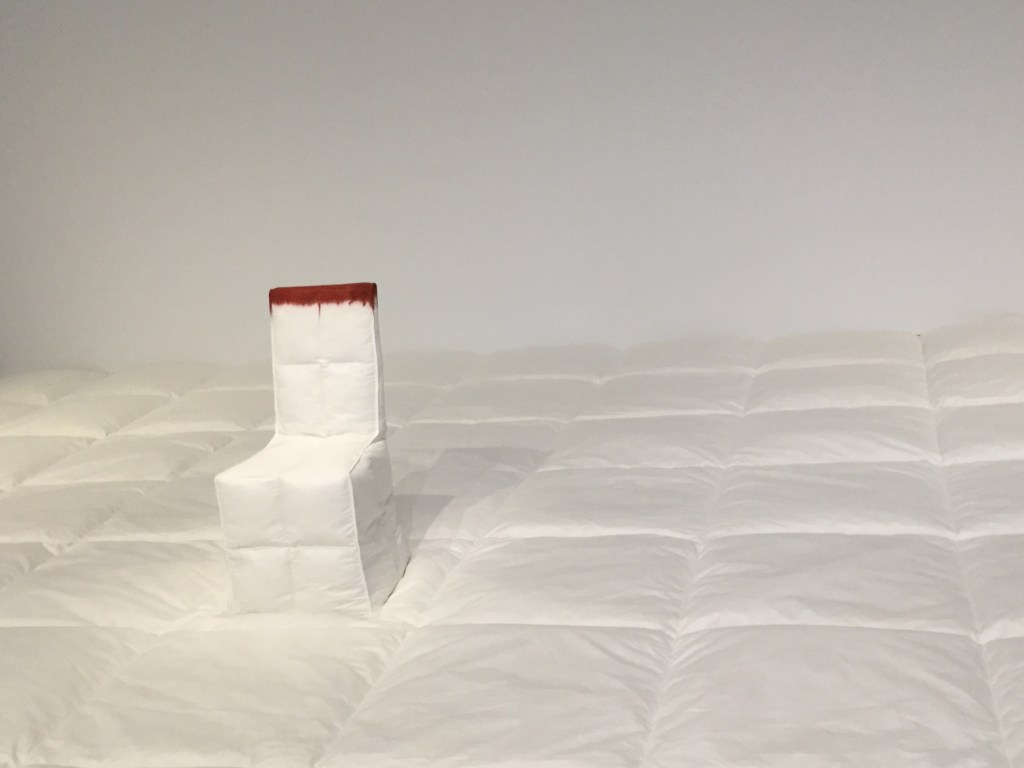
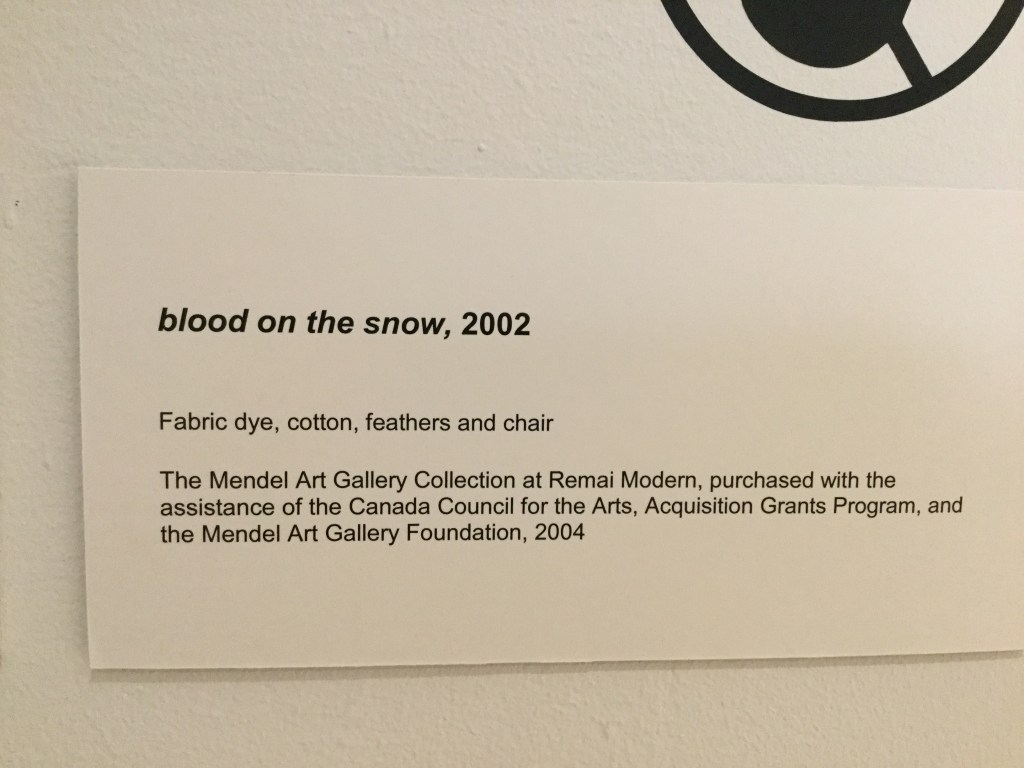
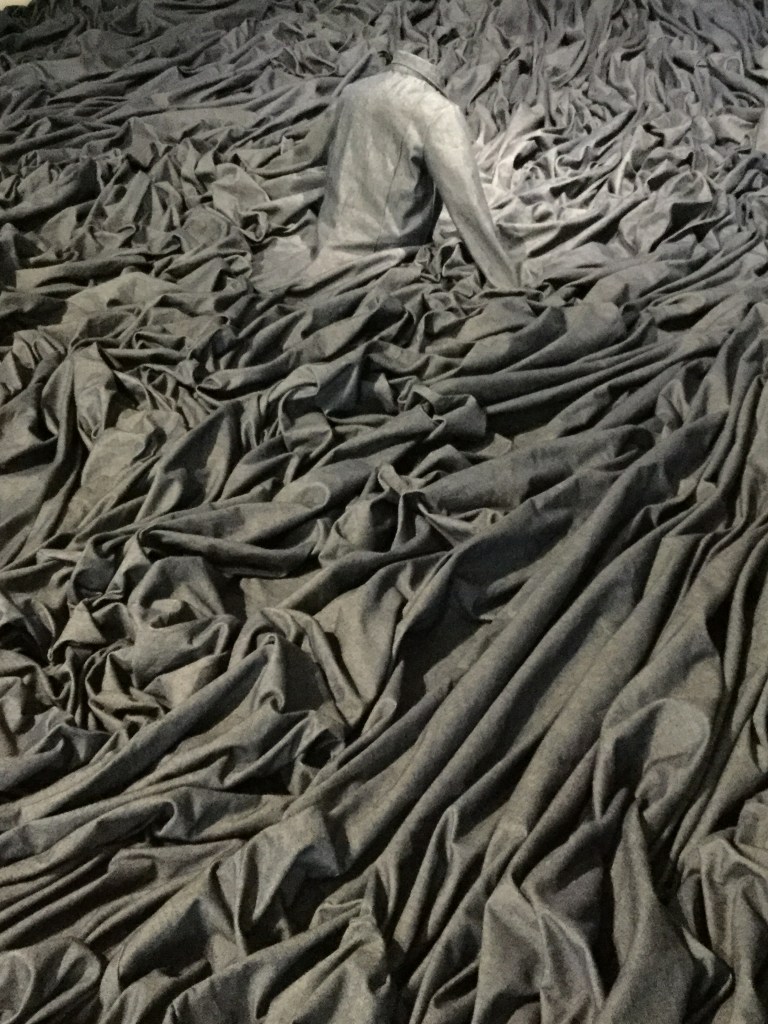
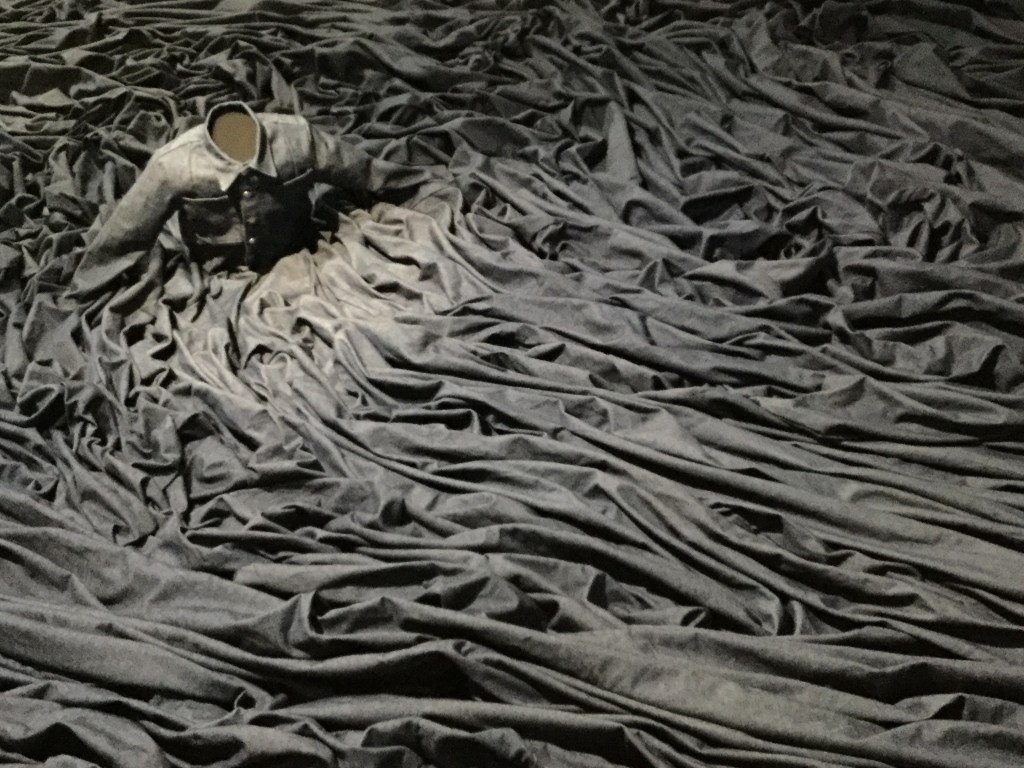
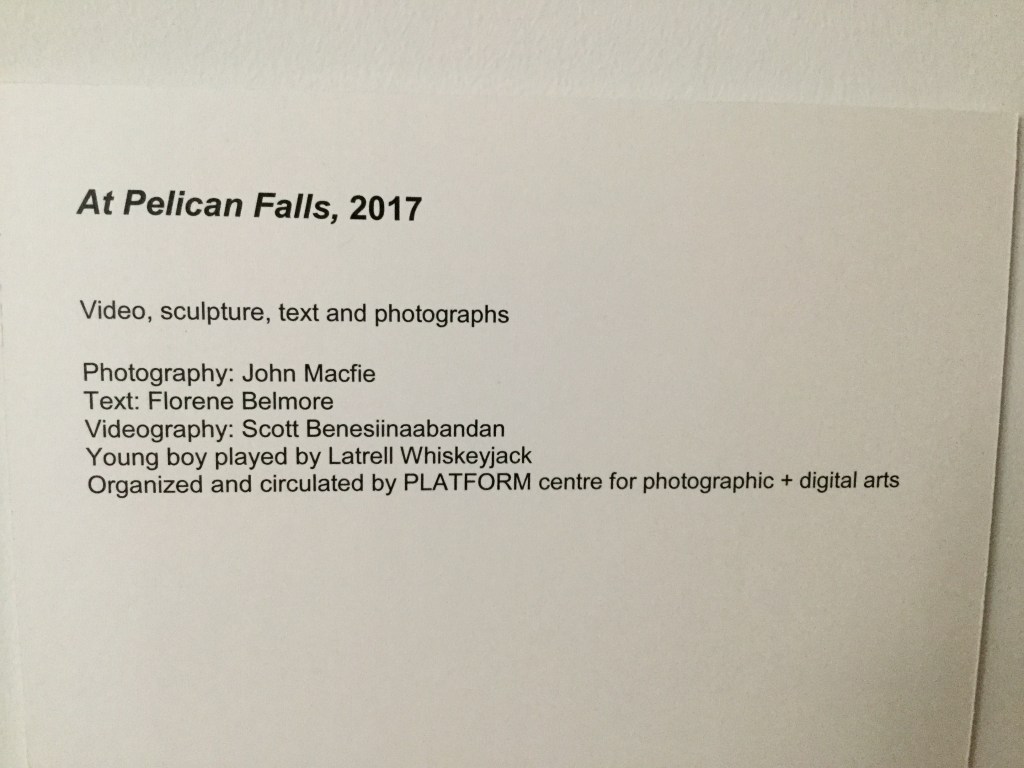
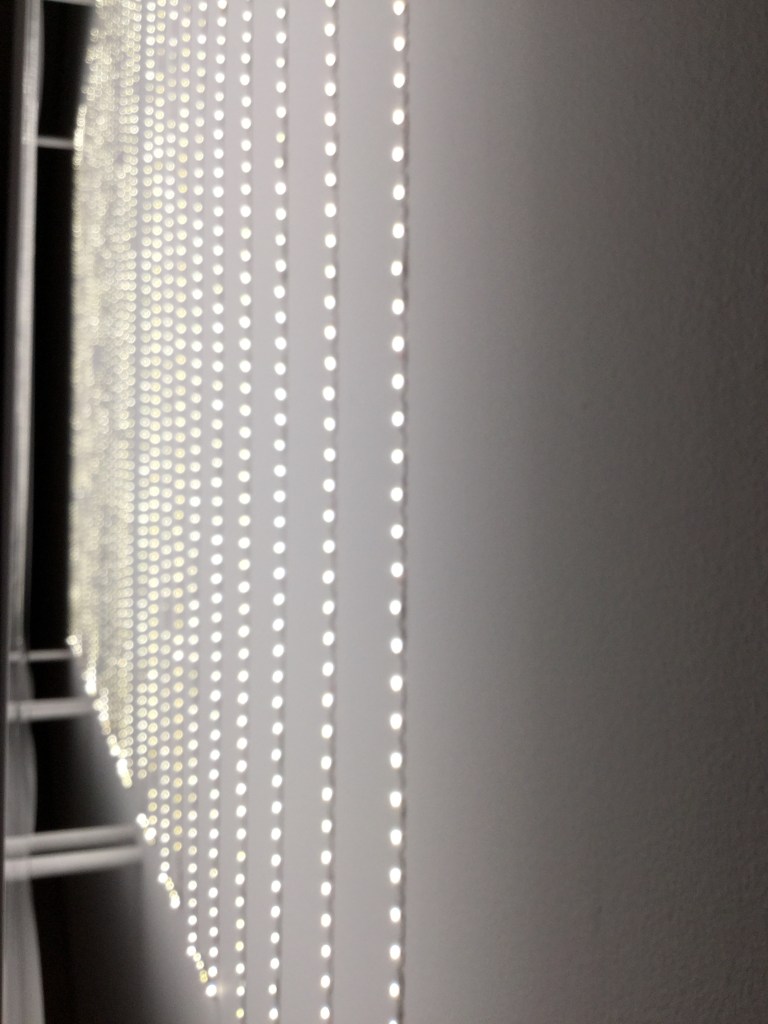
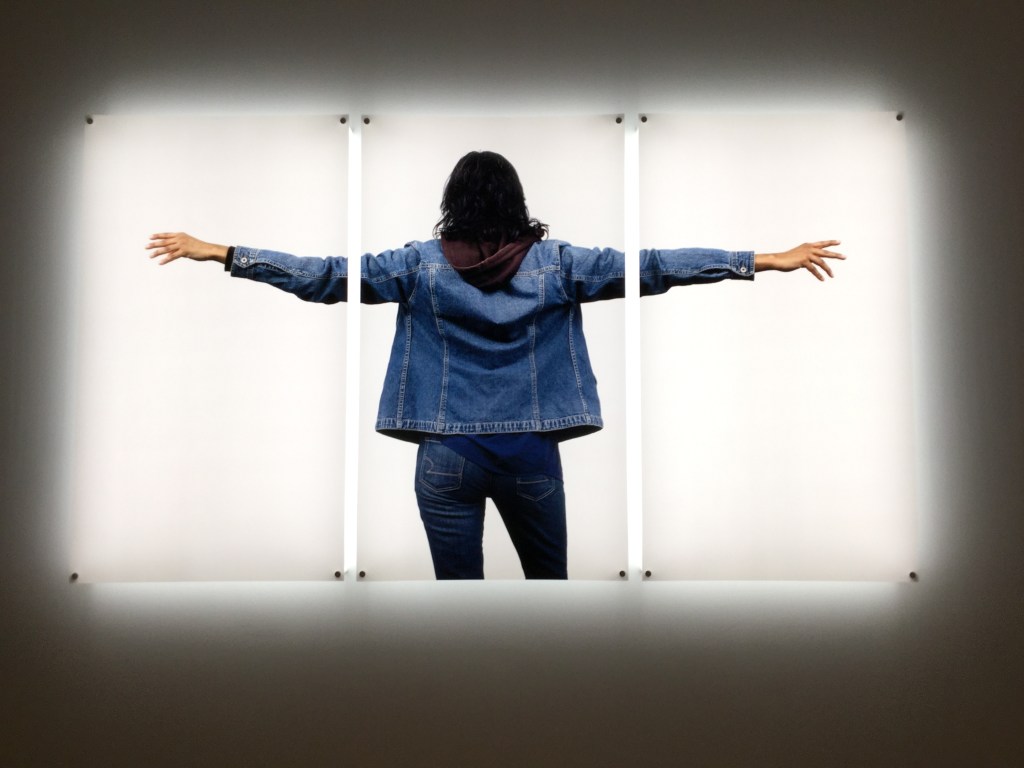
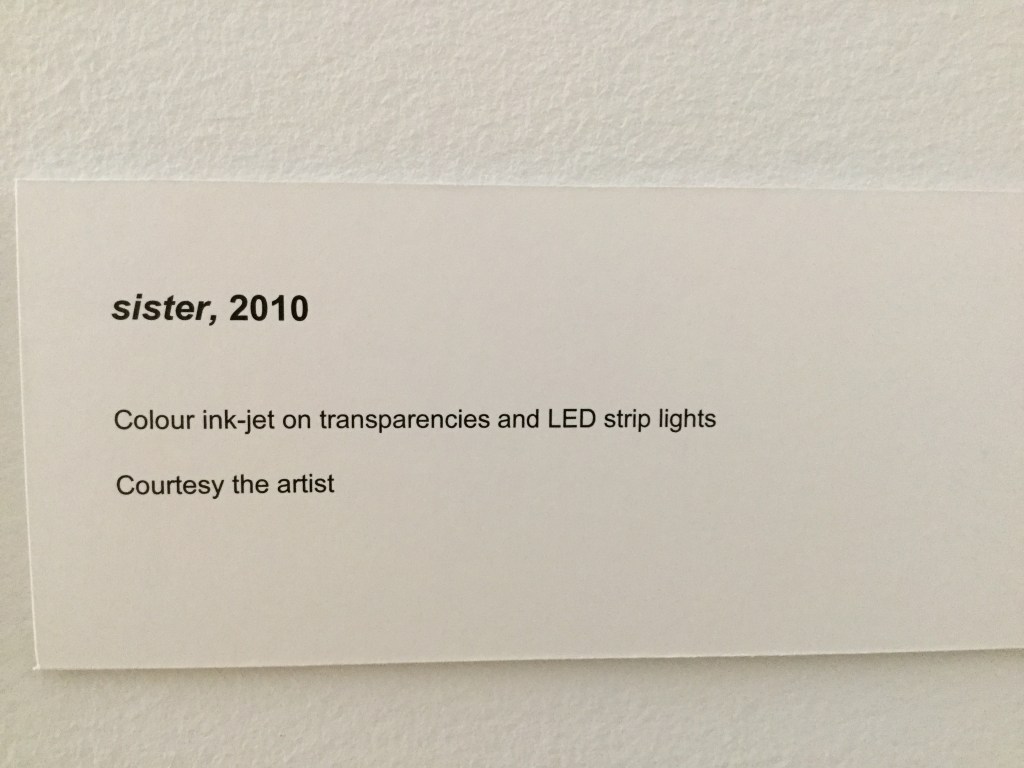
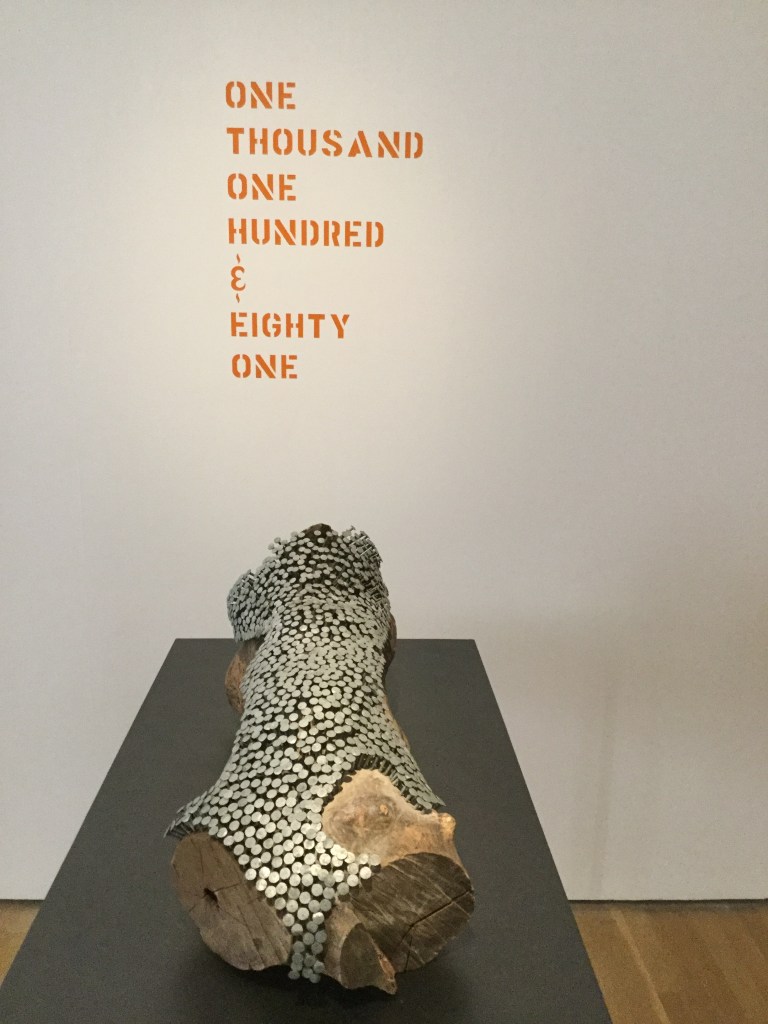
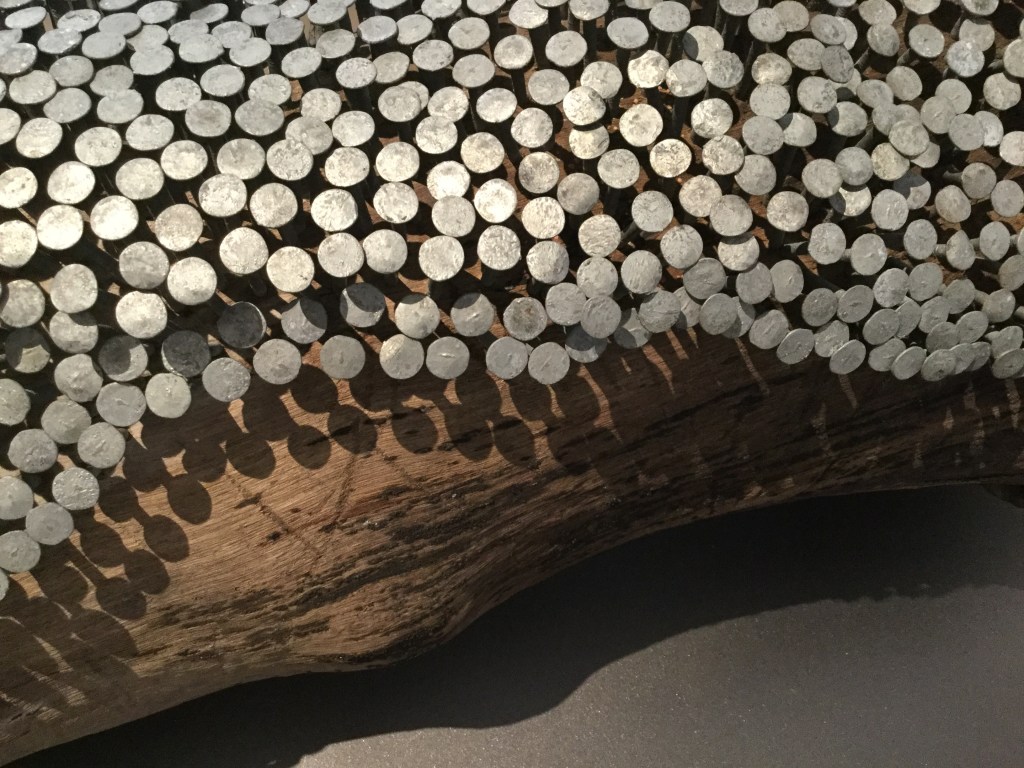
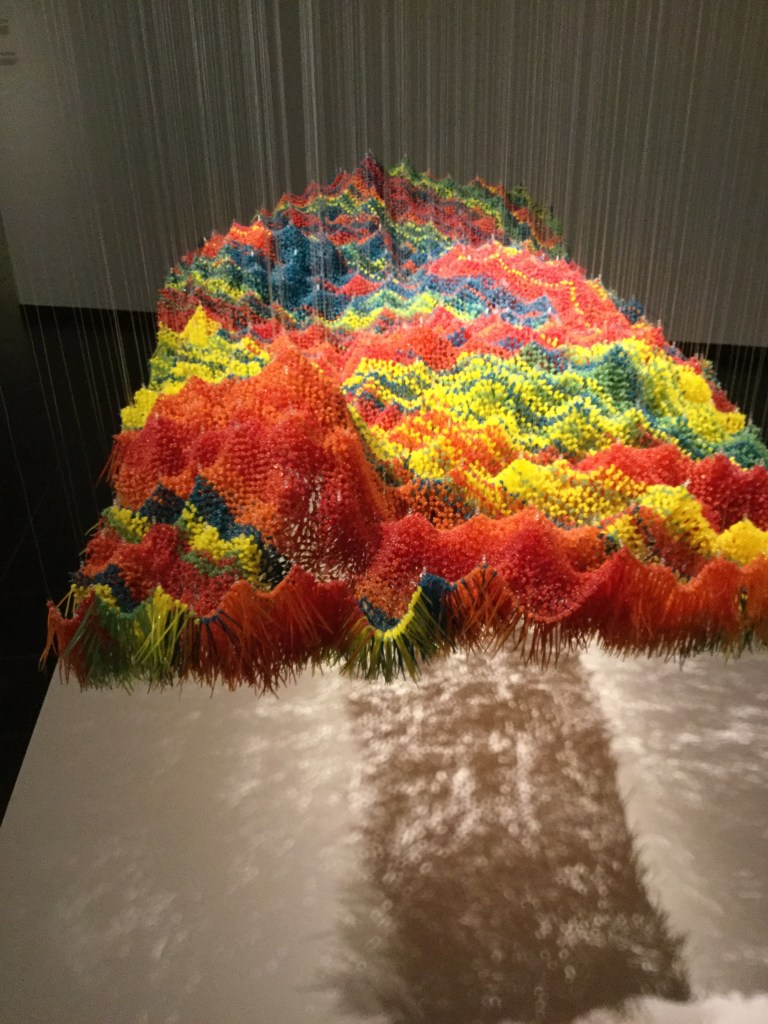
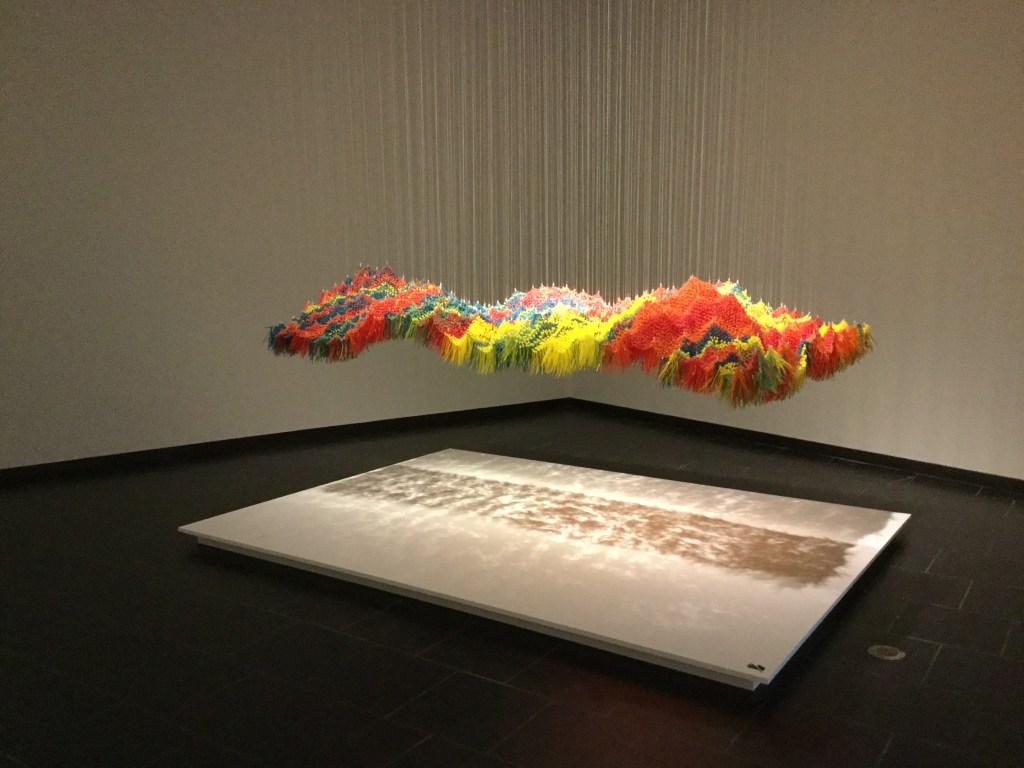
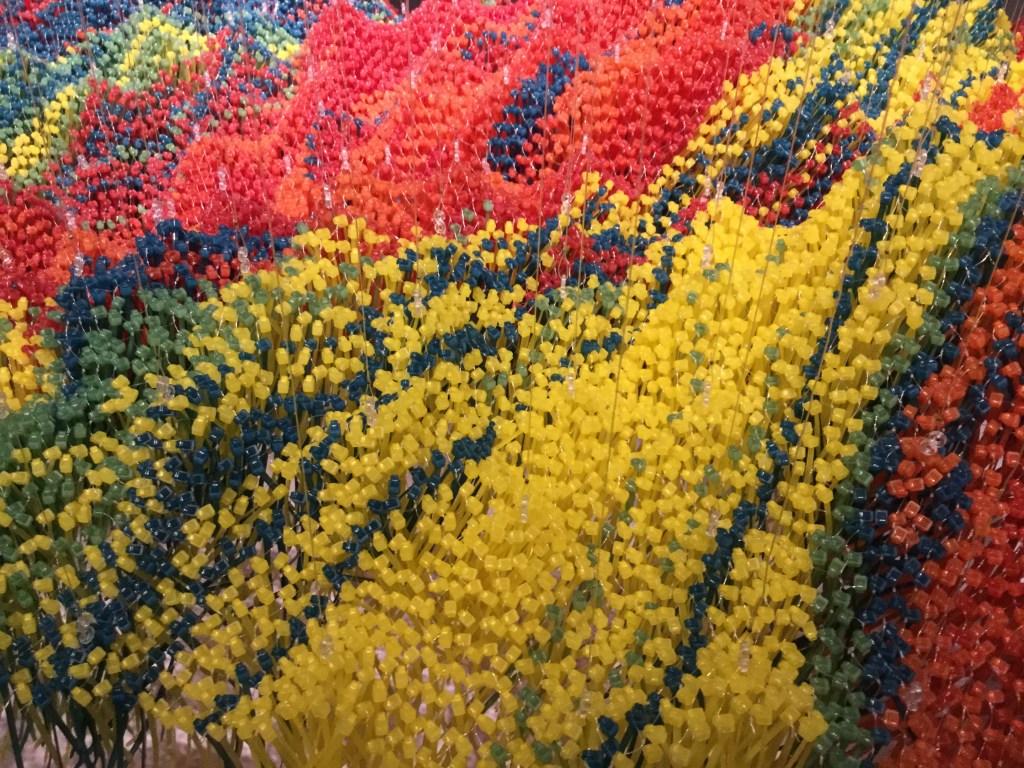
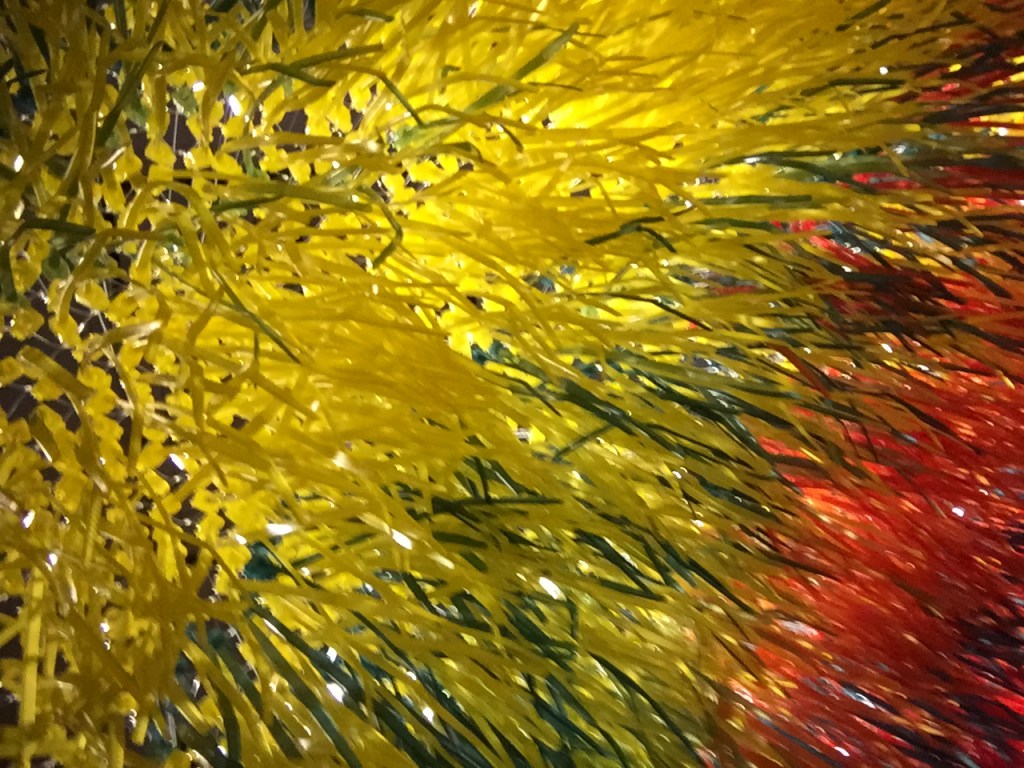
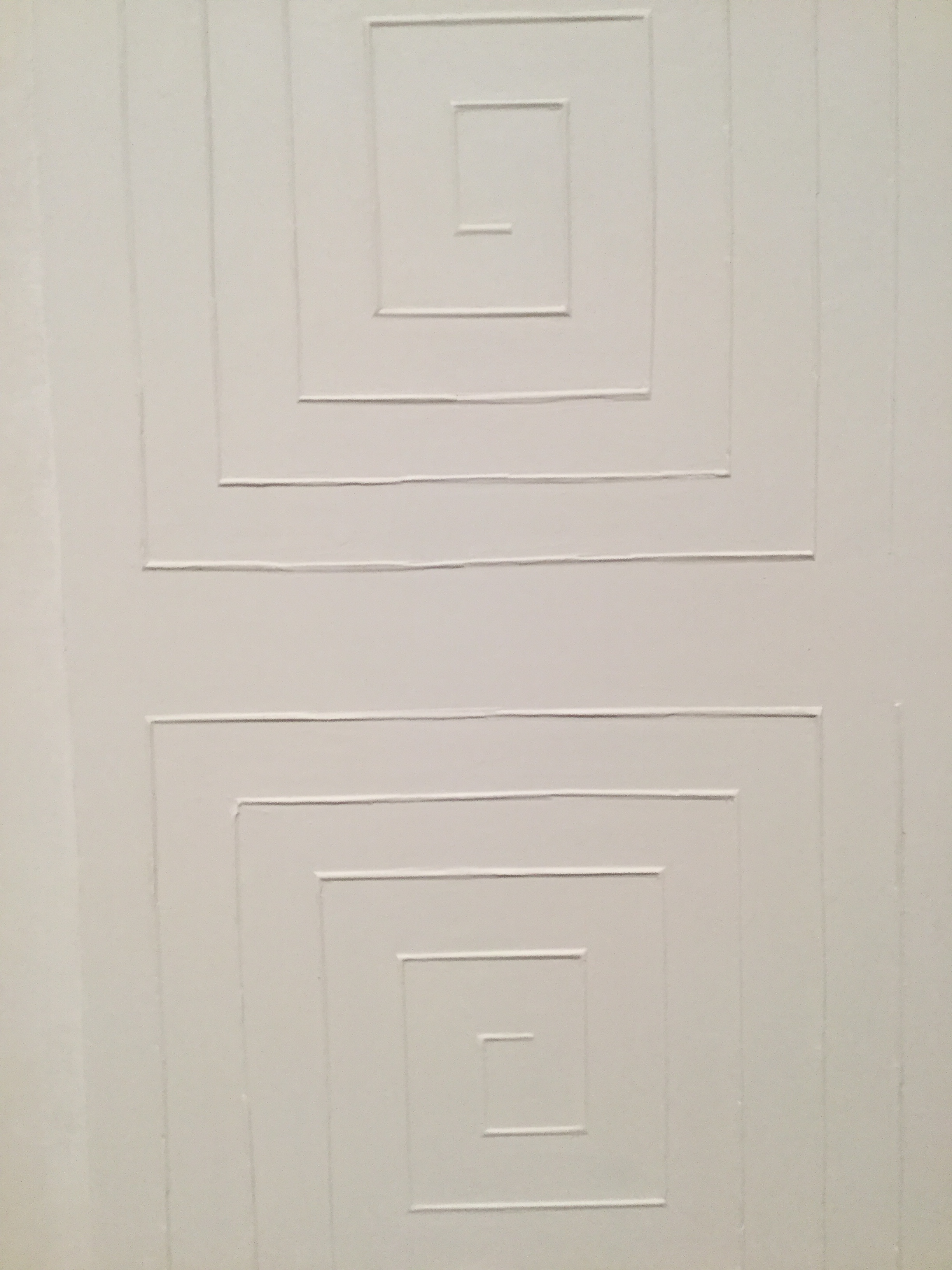
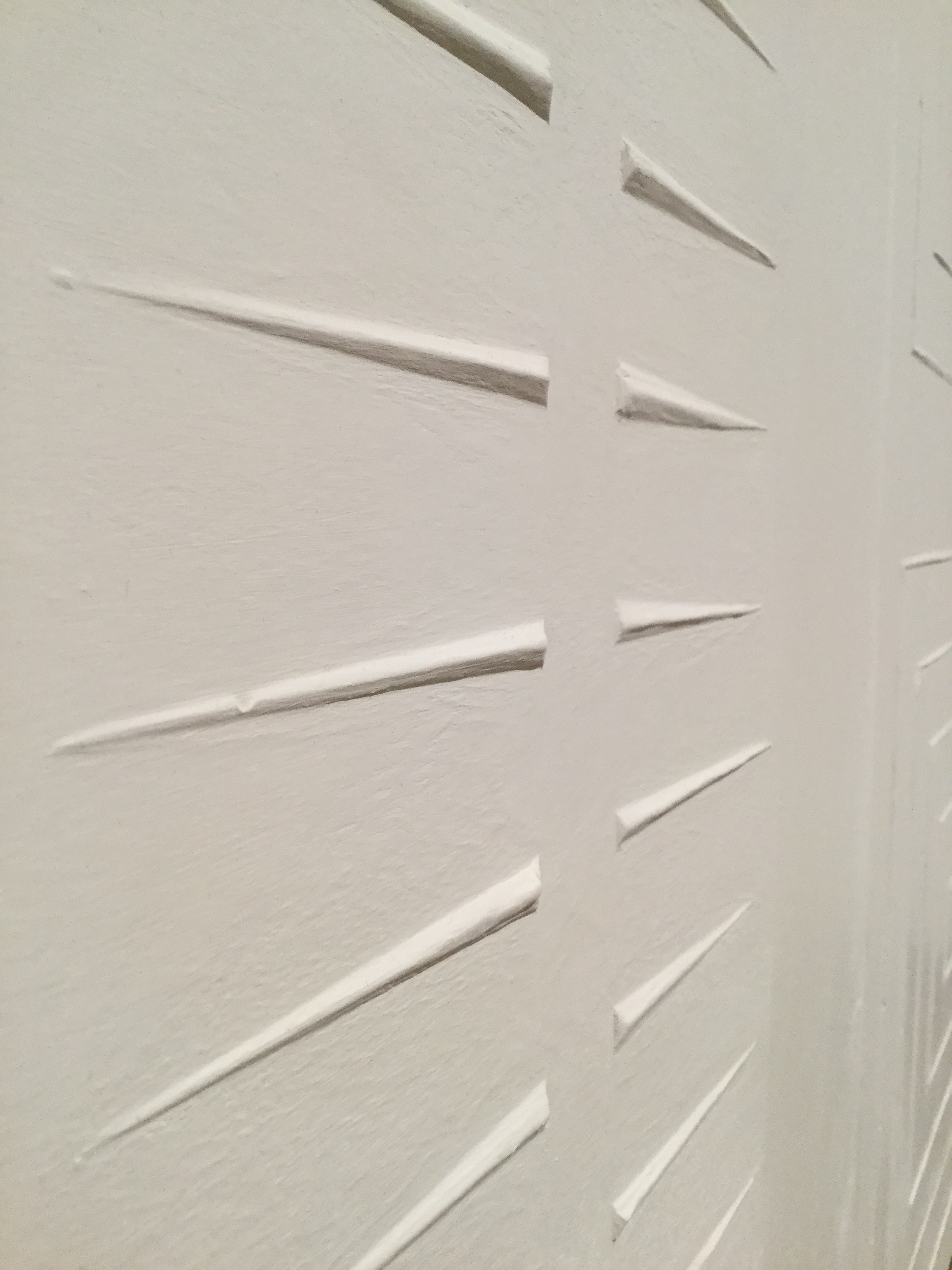
This is by far the sculpture that impressed me the most. I am really not so sure if this is considered a sculpture but it has all the illusion of tridimensionality. I took these photos with an ipod and the result is not as impressive as the real thing.
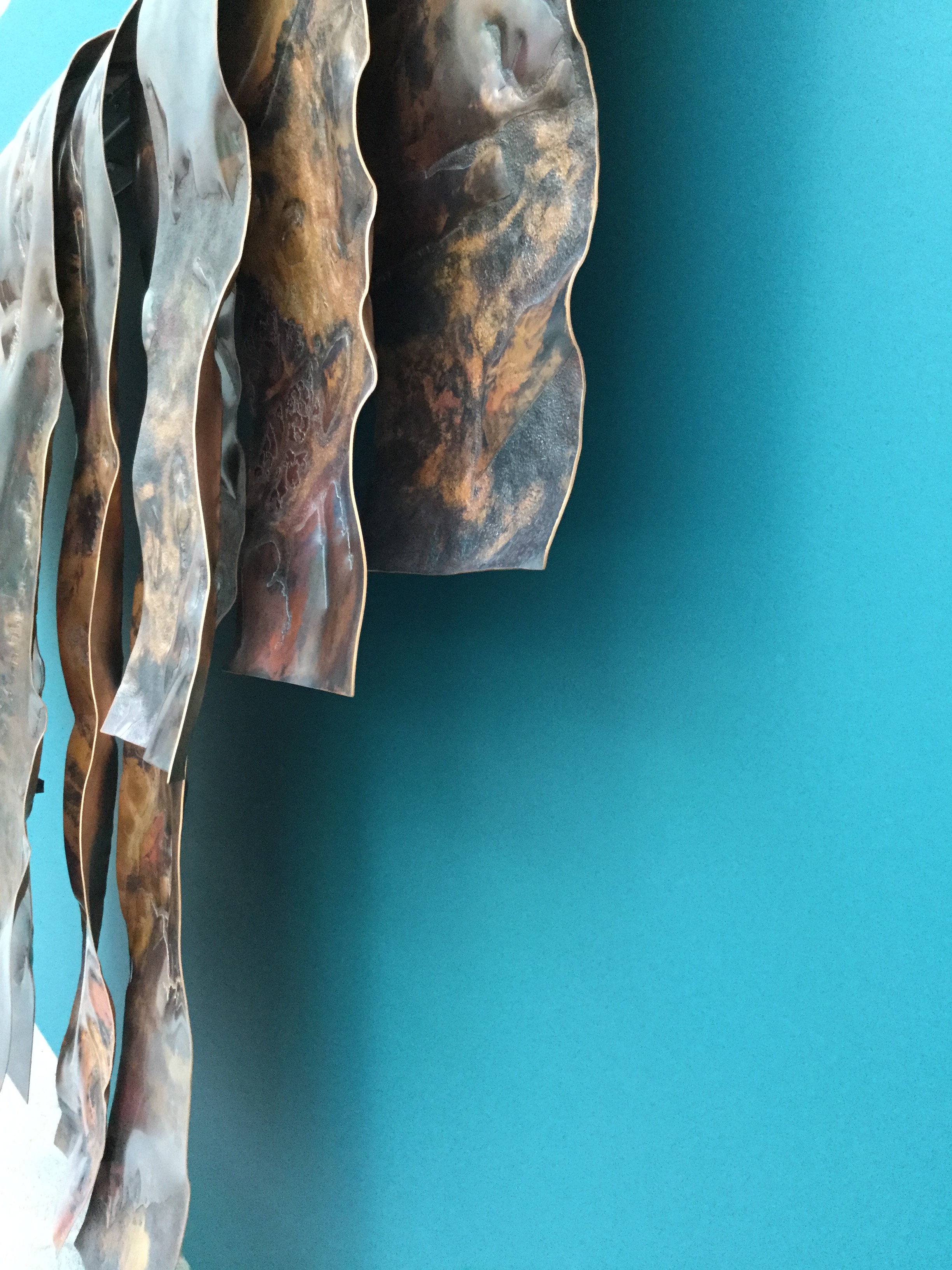
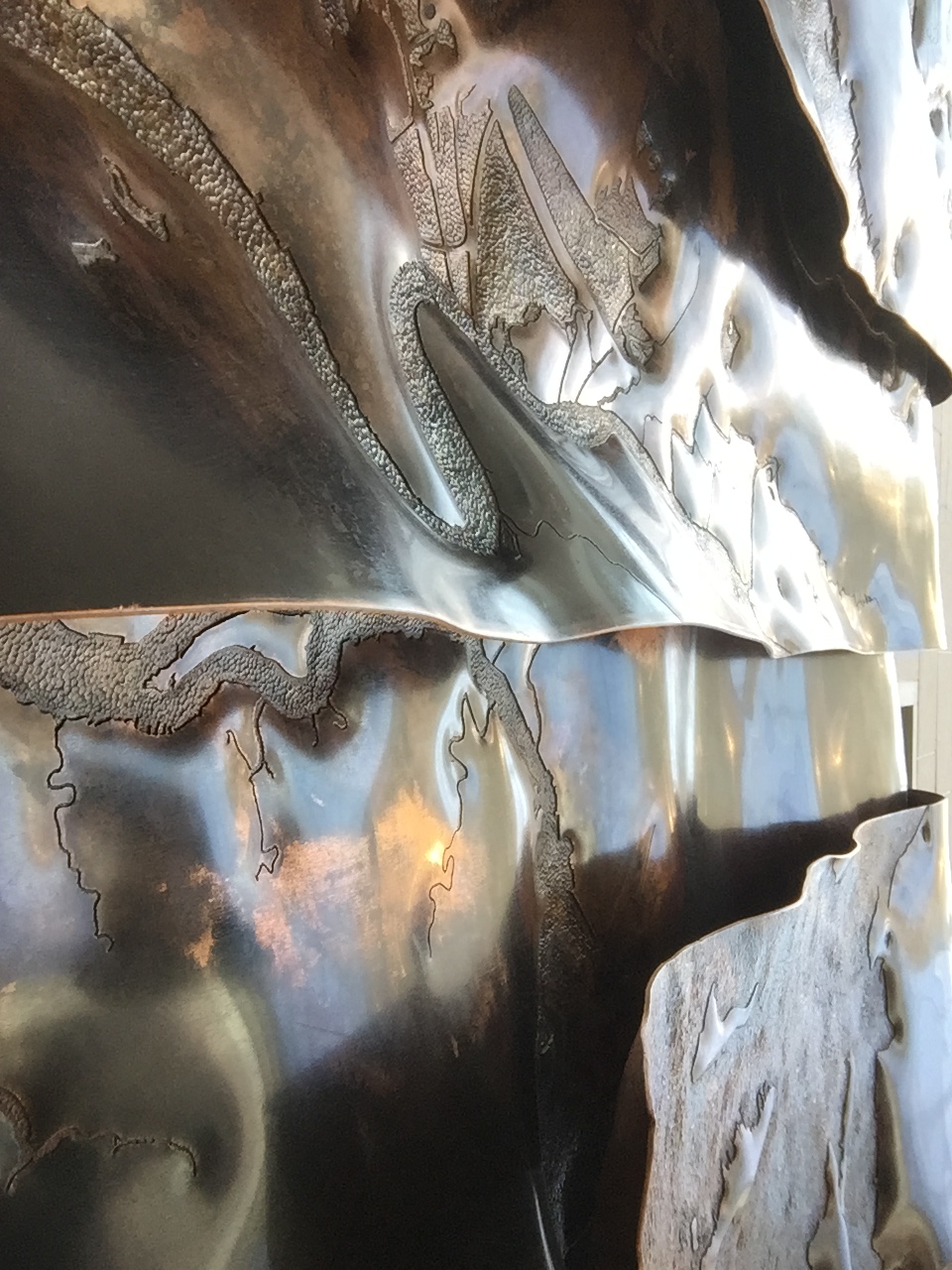
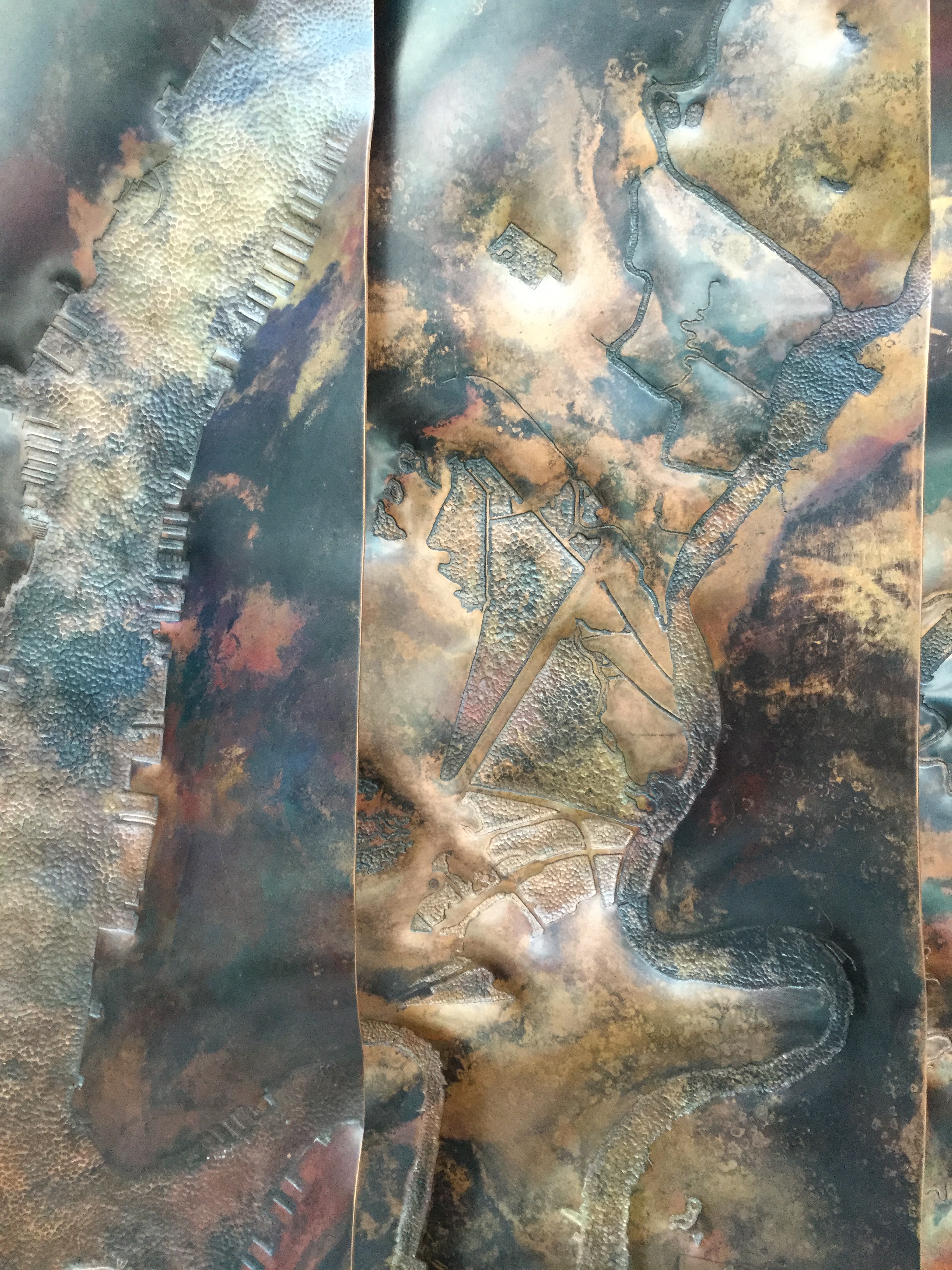
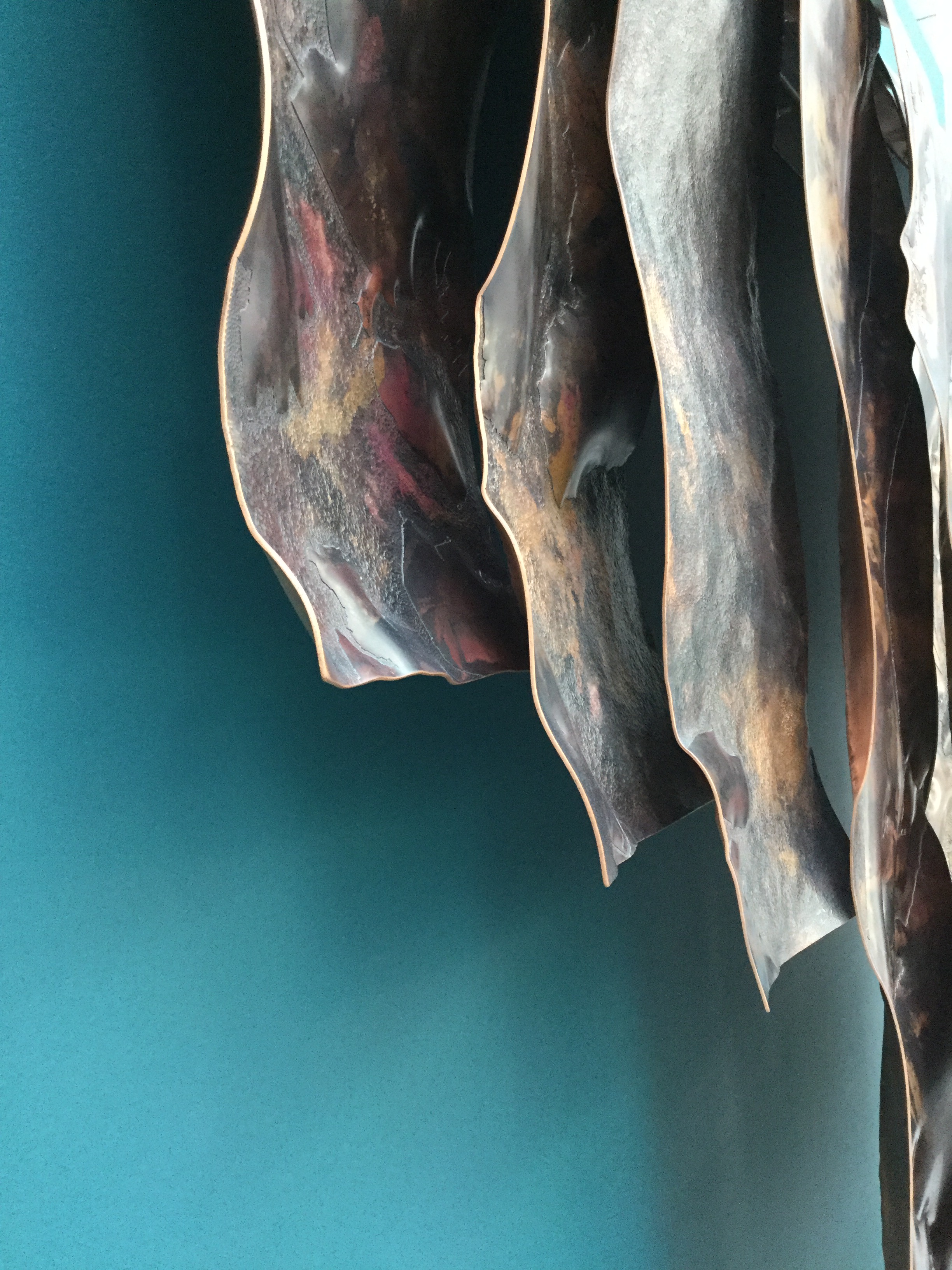
This is a list of what I am reading for the course. This list will continue to growth as I advance through the course.
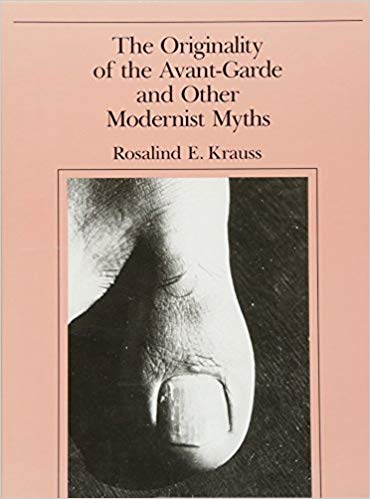
There is a phrase in our syllabus book, Sculpture 1, Starting out in 3D, that goes: Sculpture had become like drawing in Space (Sacker, Burton, Unsworth 2016:20). I just got fascinated with this sentence, so I searched for more about this, and I found it in this book. There is a chapter named This New Art: To Draw in Space. I just read it once, so wait for my comments in the future.
I found this book insightful, it is full of excellent essays. Sculpture in the Expanded Field, a seminal text of R. Krauss, is also included.
Kraus E., Rosalind (Revised ed. edition, July 9 1986) The Originality of the Avant-Garde and Other Modernist Myths. Massachusett: The MIT Press.
.
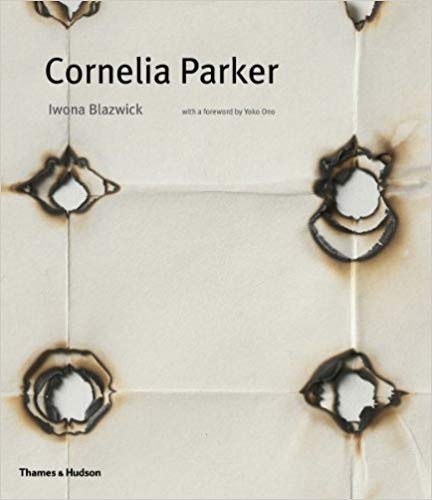
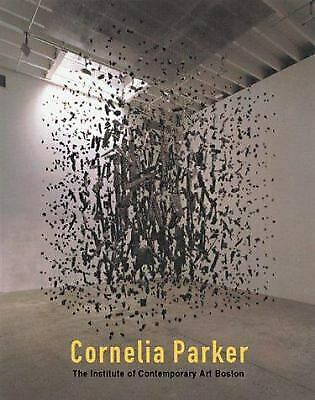
Blazwick, Iwona (2014) Cornelia Parker. London: Thames & Hudson Ltd.
.
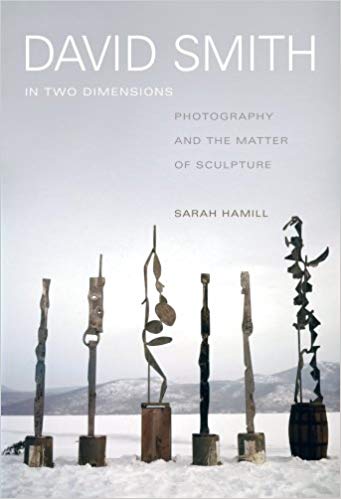
Hamill, Sarah (First edition, 2015) David Smith in Two Dimensions: Photography and the Matter of Sculpture. California: University of California Press
.
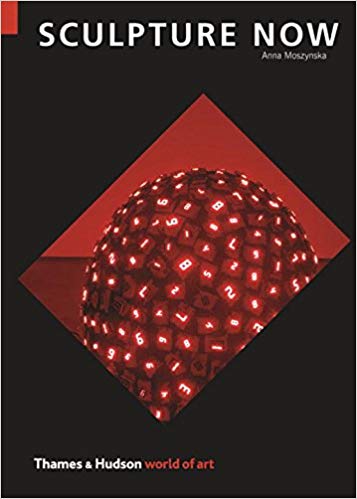
Moszynska, Anna (2013) Sculpture Now. London: Thames & Hudson Ltd.
.
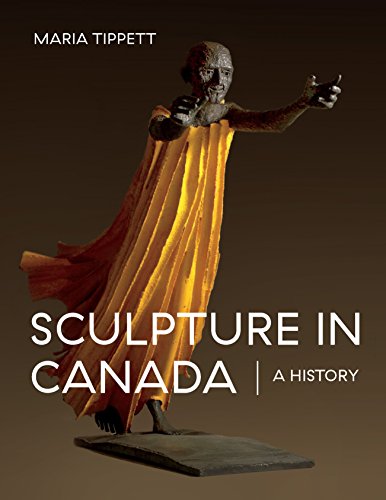
Tippett, Maria (Kindle edition, 2017) Sculpture in Canada: A History Canada: Douglas & McIntyre
.
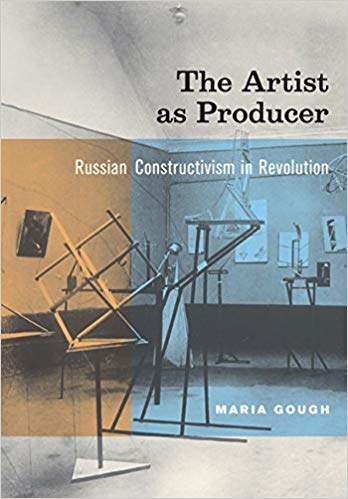
Gough, Maria (2015) The Artist as Producer: Russian Constructivism in Revolution California: University of California Press
.
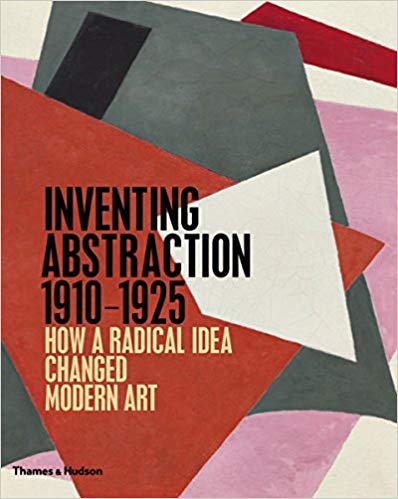
Matthew Affron,, Yve-Alain Bois,, Masha Chlenova, Hal Foster, Leah Dickerman (2013) Inventing Abstraction, 1910-1925 New York: The Museum of Modern Art, New York
.
Text
.
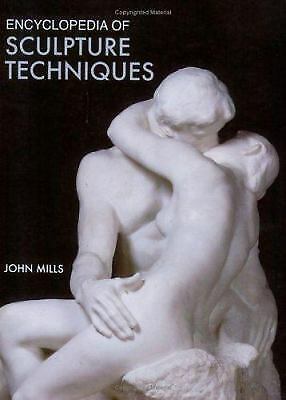
Mills, J. (2005) Encyclopaedia of Sculpture Techniques. London: Batsford
.

De Bolla, Peter Toward the Materiality of Aesthetic Experience. Diacritics, Vol. 32, No. 1, Rethinking Beauty (Spring, 2002), pp. 19-21+23-32+34-37 at: https://www.jstor.org/stable/1566359 (Accessed: 18-04-2019 22:22)
I reviewed all the nineteen artists established on the Research Point. There is way more information available for modern artists than the contemporary ones; hence, I spent more time learning about the beginning of the twentieth century.
It was a fascinating one month endeavour to learn about all those artists. I especially enjoyed learning the possible connections among them, for example between to 3 to 4 years after the creation of the Russian Constructivism in about 1914 (Chilver, 2015) the socialist Russian Revolution of 1918 and its electrifying effects took place and was a significant event that impacted on all aspects of human life in Europe and art was no exception. (Harrison, Wood 2008:223) Personally, I think it was a fantastic time to be an artist full of challenges and changes. I can say the same about the present time with the possibility of humanity to change our natural environment permanently and not in a right way.
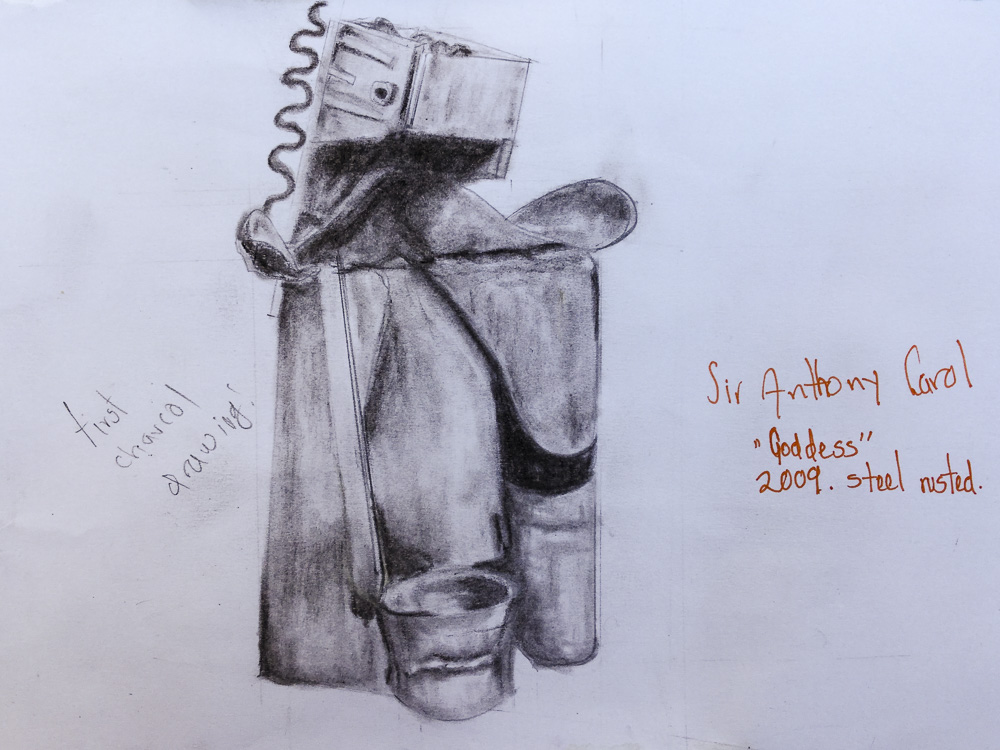
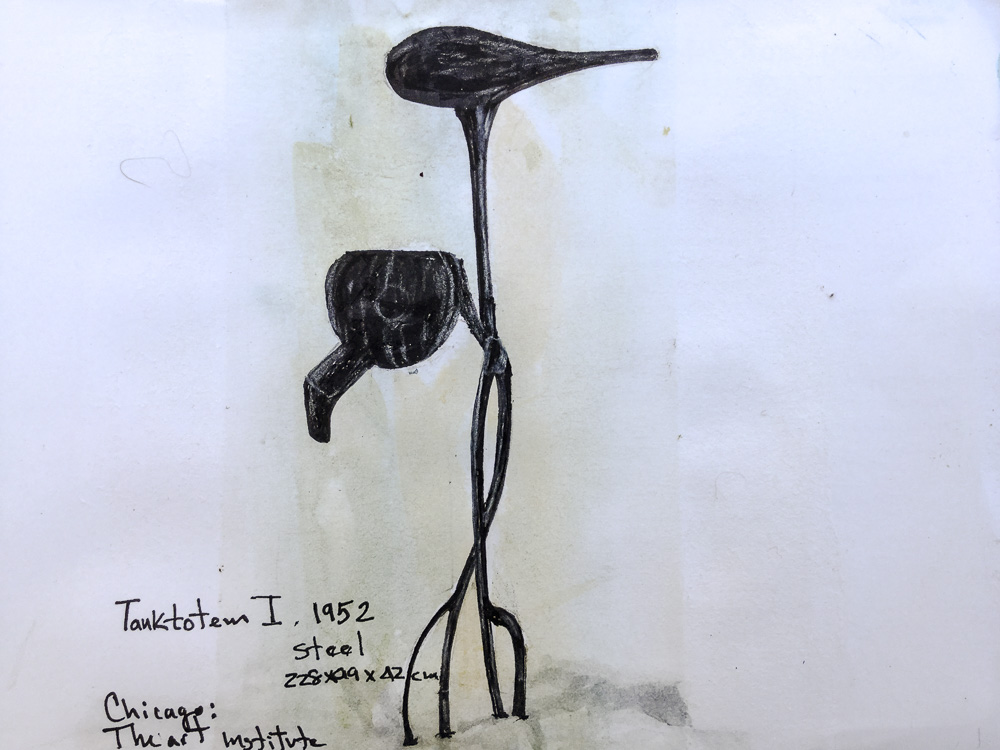
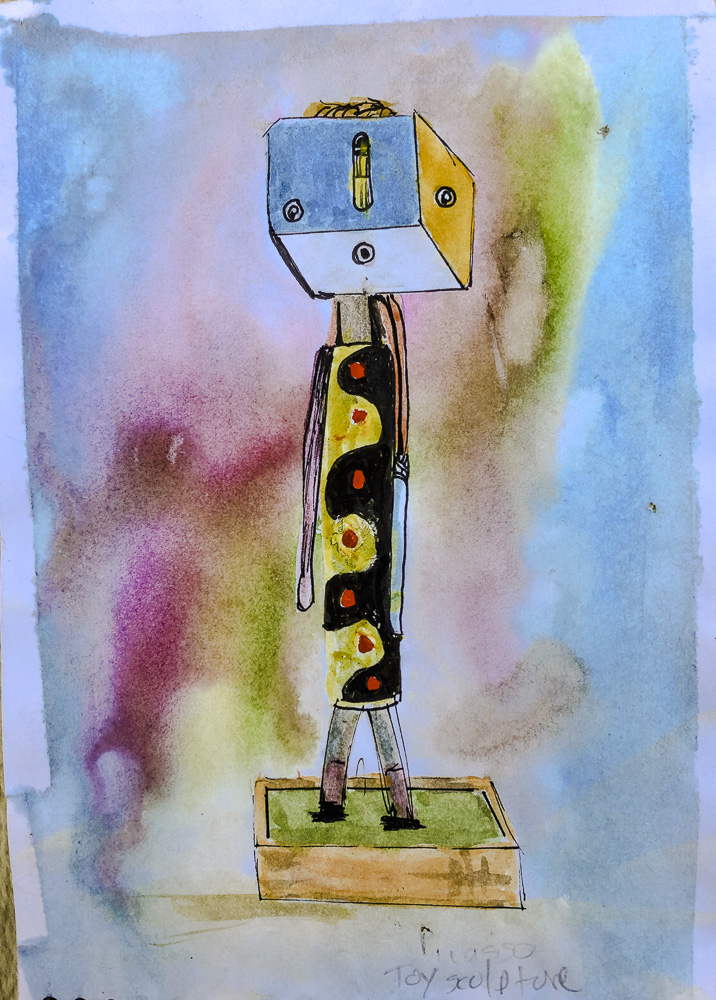
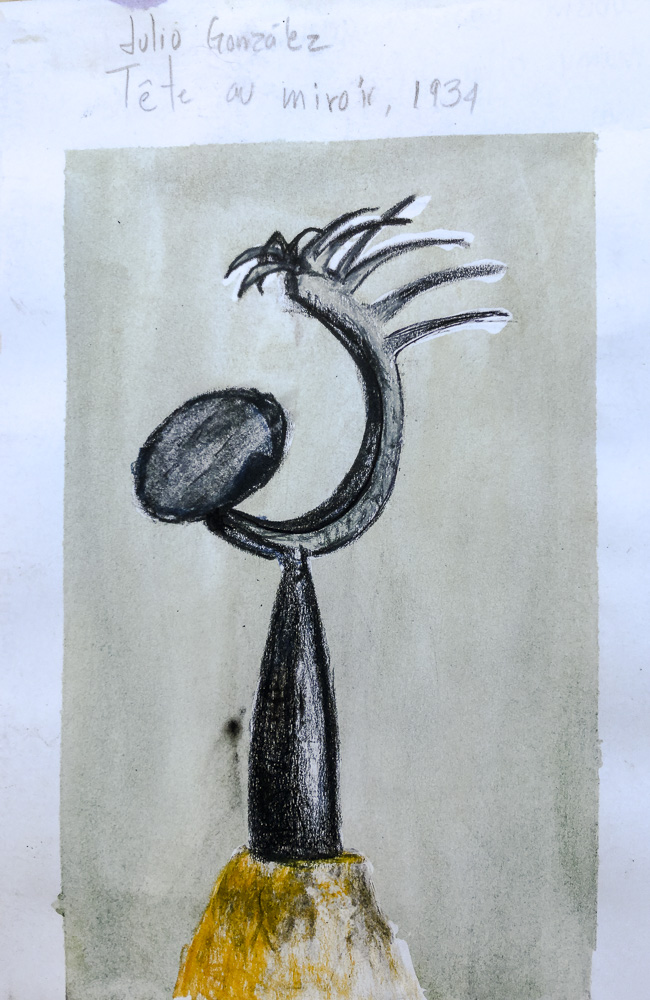
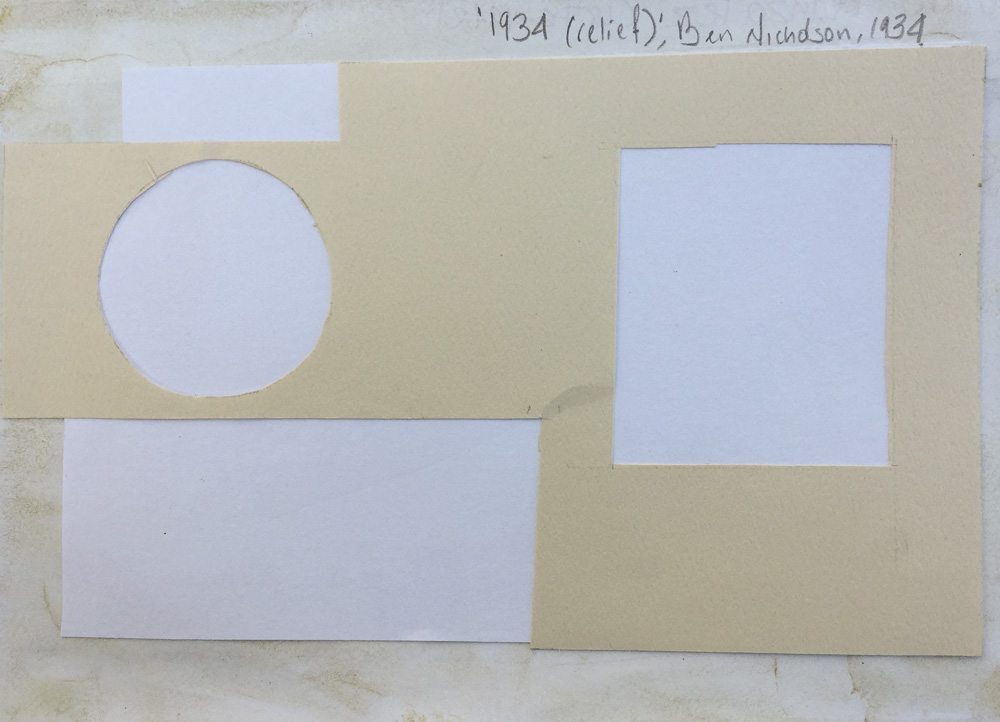
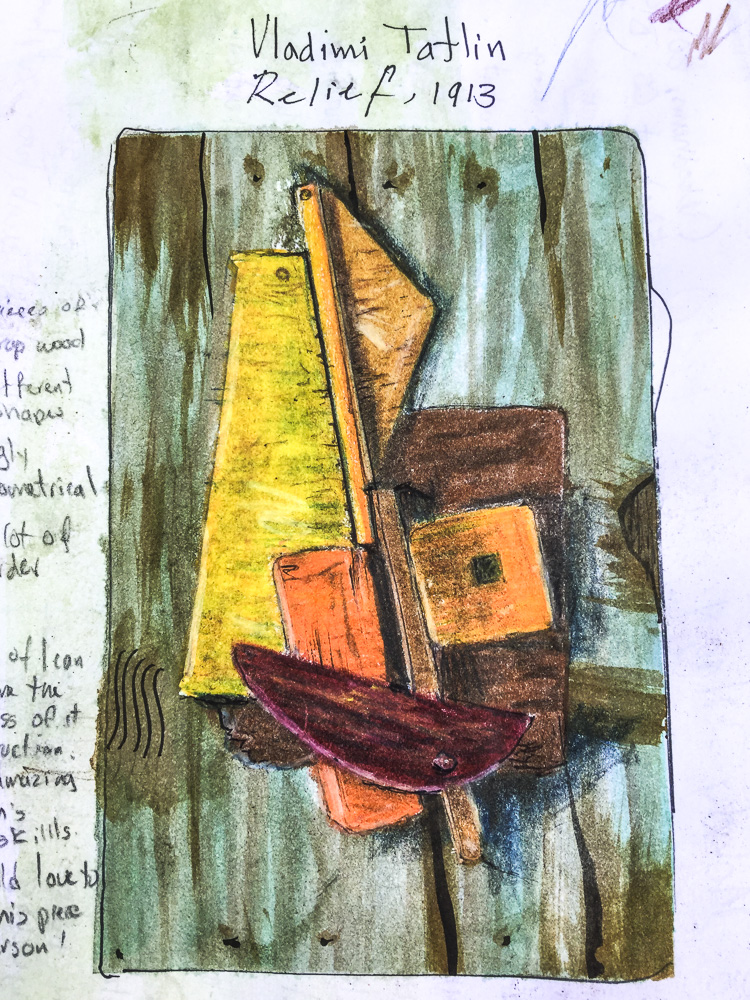
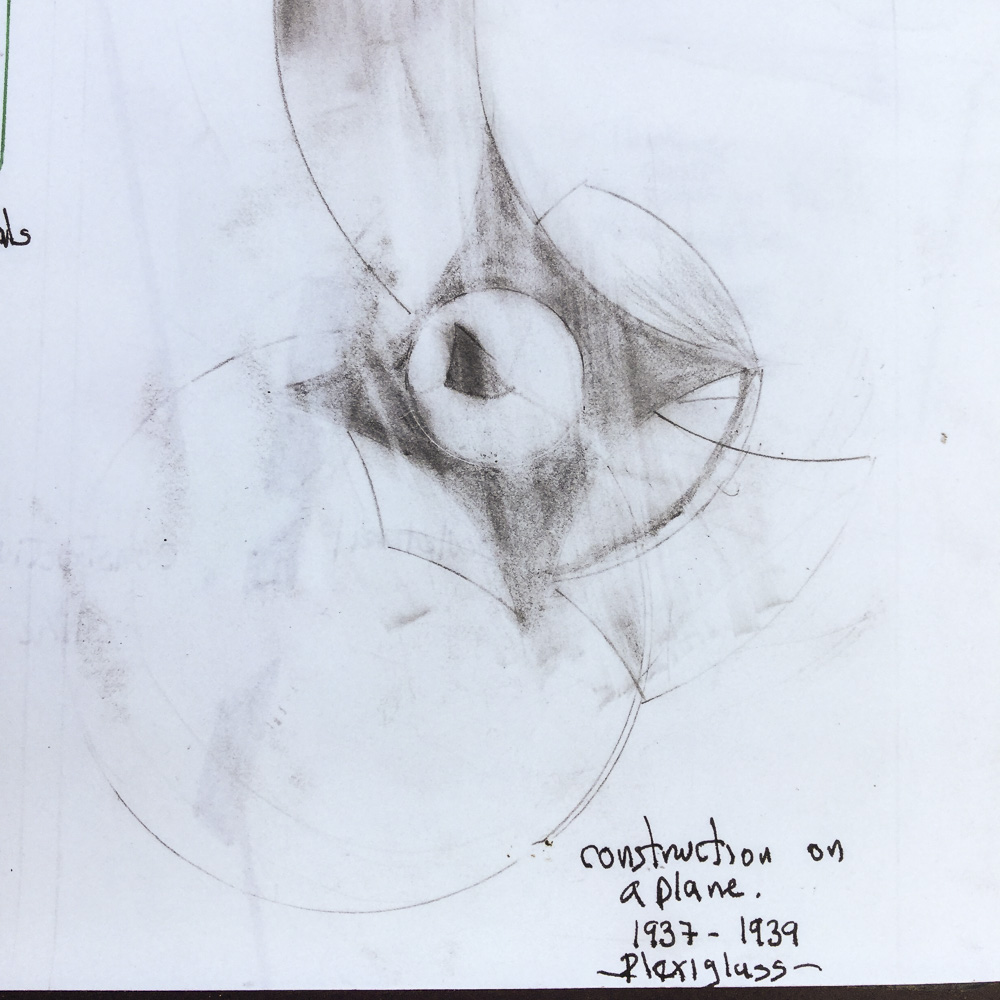
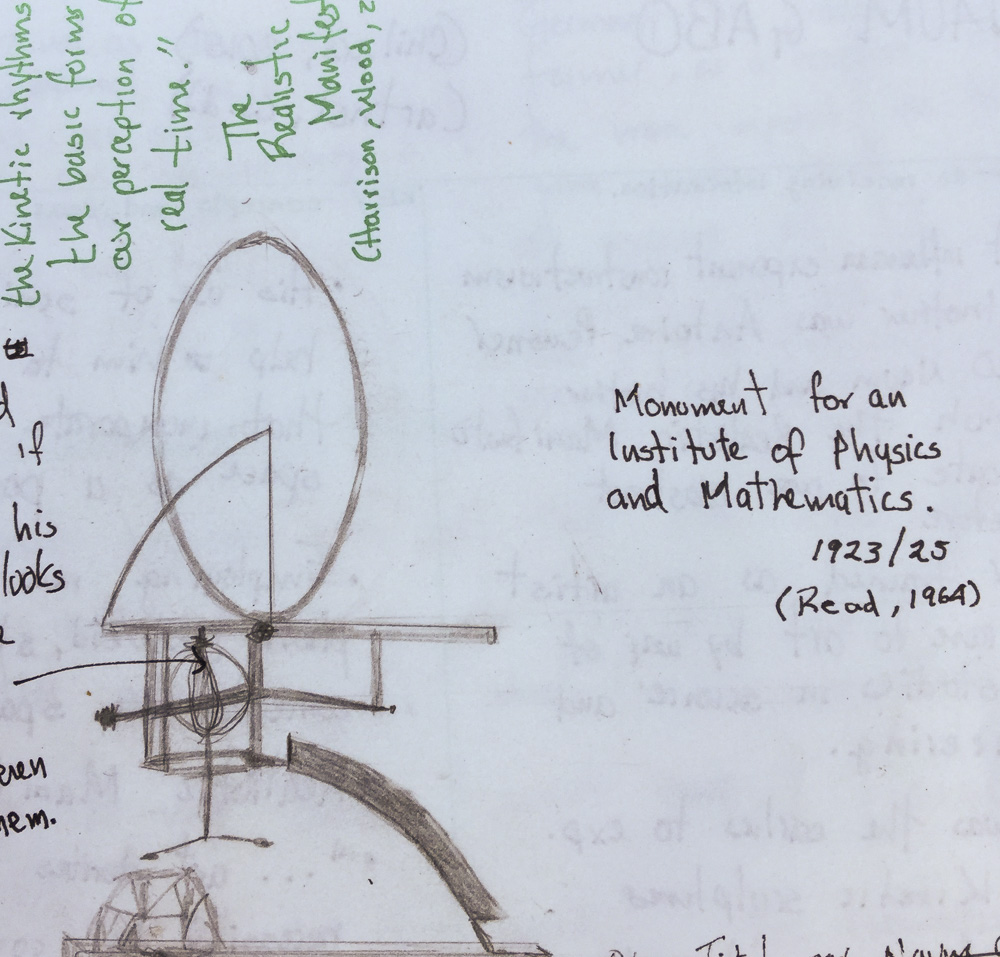
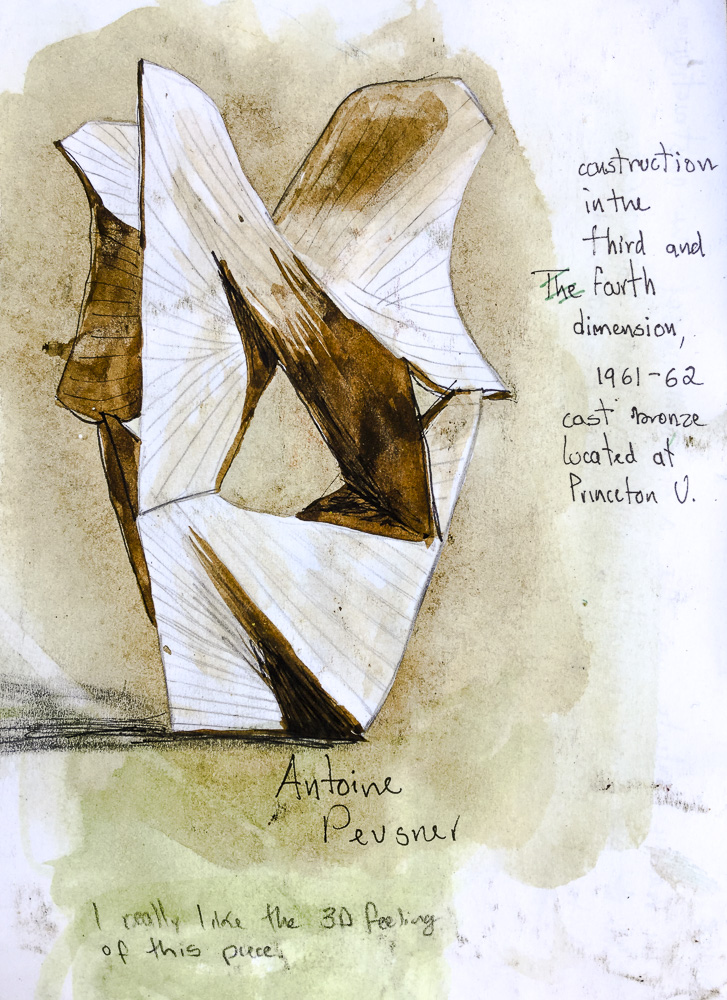
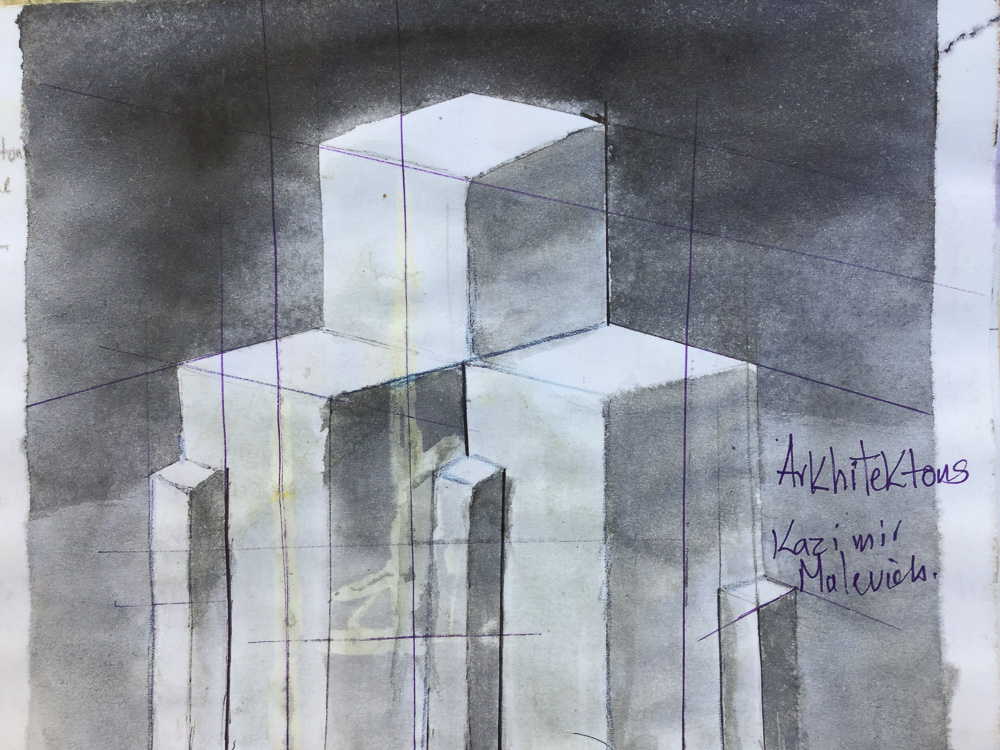
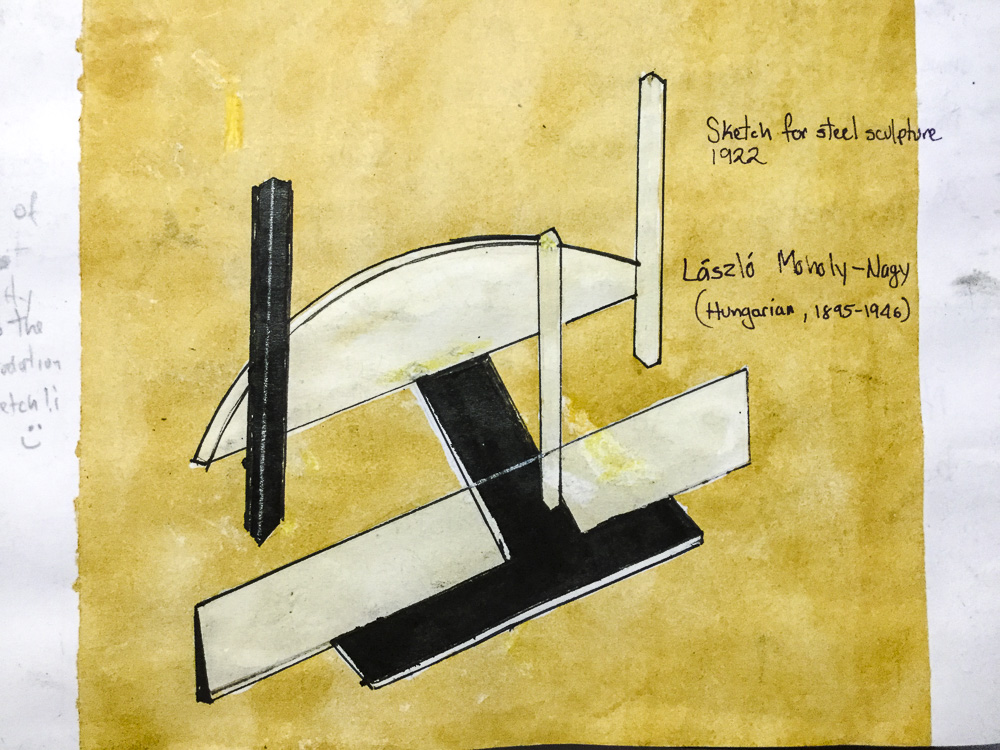
From the 19 artists researched, I’ve made drawings of 12 of them, so far. I’m planning to finish the remaining 7 at the end of Part two of the course. However, this time, I’m going to use a significantly bigger piece of paper. My current drawings are on a piece of paper that is in size only 7.8 by 5.3 inches, and even though it was a very satisfactory experience, it was, at some points, quite uncomfortable to deal with a paper that small. I still do not know how big the next drawings are going to be but at least triple this size.
Regarding the quality of my drawings, I think they are ok, they fulfill their function of keeping me practicing my drawing and painting skills. I’ve always liked to pain, so making these drawings was a delightful experience.
Although I was able to make some kind of connection with almost all the artists with my own art practice, it was only with a few of them that I felt in awe and full of inspiration with their work: Cornelia Parker, Vladimir Tatlin and David Smith are my 3 top favourites… so far. Cathy De Monchaux, Julio Gonzáles, and László Moholy-Nagy are quite fascinating too. Somehow making these drawings made me more conscious of the materials I used when I was building my own sculptures.
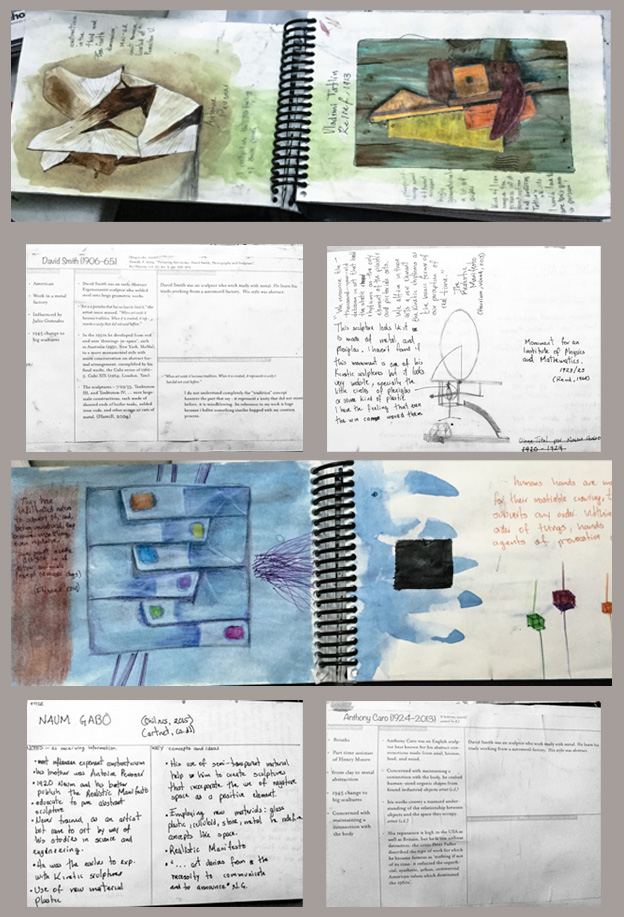
The above image is just to give an idea of how my physical learning log looks like. Something to point out in this image is the blue drawing on the third-row line from top to bottom. That was my first attempt to create something that had a direct link with what I have been working lately which is the concept or idea of darkness, especially human darkness. I have been researching this topic for the last year or so. I’m trying to create something that lives between darkness as something that can do harm and human intelligence, perhaps I’m only after human stupidity. This is the right moment for me to put this research in to practice.
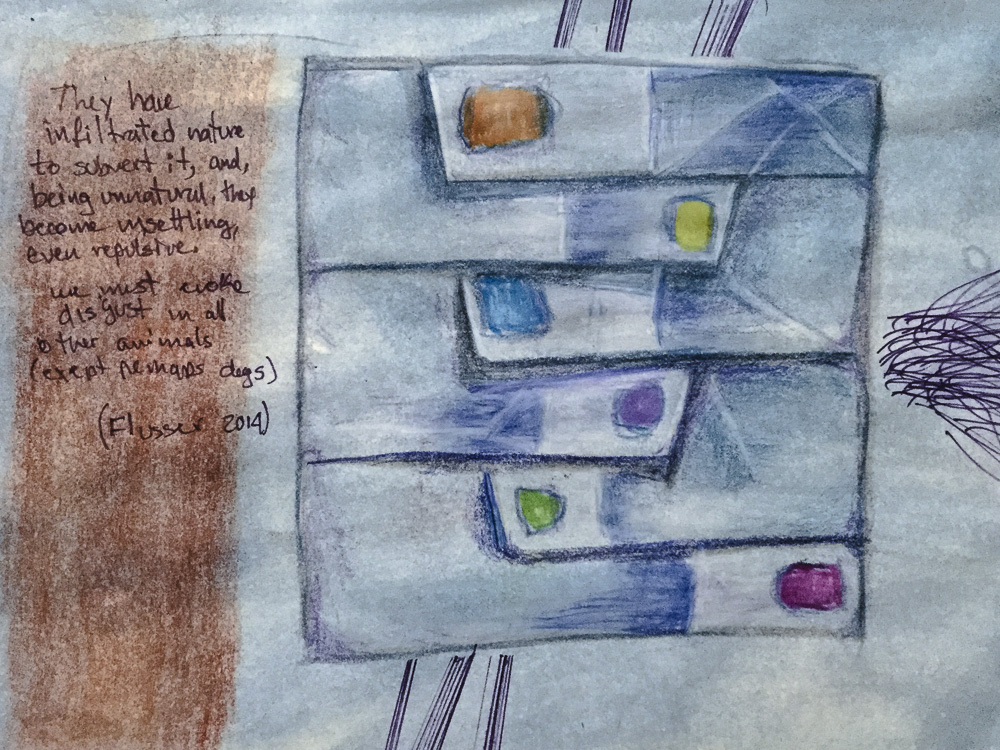
I created this particular sketch a few days before I started working on Project 1. It is an earlier idea of the shallow relief sculpture that I decided not to produce because of its complexity, and perhaps also for its figurative character, not exactly the best way to honour the artists I just researched. For project one, I decided to go more into the abstraction without abandoning the idea of a hand.
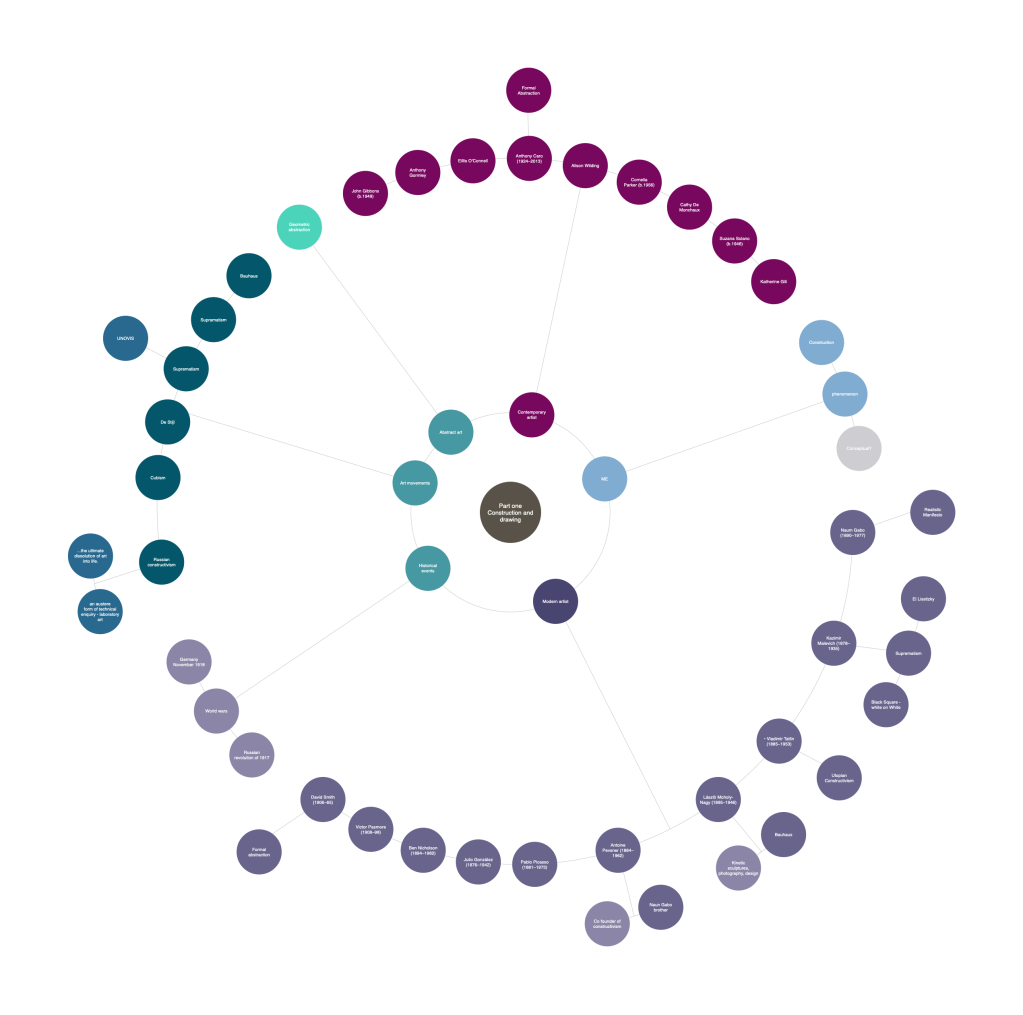
One tool that helped me out to gain a global vision of the elements involved in the researching stage was to create a mind map. It is a work in progress, I’m still learning a lot about artists, movements, materials, decades, events, etc., and sometimes I misplace art movements and things like that. By clicking on the below image you can access to an interactive version of the map.
This is a work in progress as the full potential of this map has not yet been achieved, but it really looks promising. For the moment, the section that refers to me is quite empty. I haven’t connected my ideas with the rest of the elements in the map, yet.
I’ll continue working on the map during the rest of the course and will use it as an essential part of my learning toolkit.
Bibliography
Consulted in the writing of this post and in the research project for the Part One of the course.
Brigstocke, Hugh (2001) The Oxford Companion to Western Art. Oxford: Oxford University Press, Published online: 2003
Chilvers, Ian (4th edition, 2009) The Oxford Dictionary of Art and Artist. Oxford: Oxford University Press, Published online: 2009
Chilvers, Ian and Glaves-Smith, John (3 edition, 2015) A Dictionary of Modern and Contemporary Art . Oxford: Oxford University Press, Published online: 2015
Chilvers, Ian (5th edition, 2015) The Oxford Dictionary of Art and Artist. Oxford: Oxford University Press, Published online: 2015
Eillis O’Connell (s.d.) Bio at:https://www.eilisoconnell.com/copy-of-studio
(Accessed on April 16 2019)
Guggenhein (s.d.) Susana Solano at: https://www.guggenheim.org/artwork/artist/susana-solano (Accessed on 02.12.19)
Harrison, Charles and Wood, Paul (2nd edition, 2008) Art in theory 1900-1990: An anthology of changing ideas. Oxford: Blackwell Publishing.
Kathering Gili (s.d.) About the Artist at:http://www.katherinegili.com/artist.php
(Accessed on April 16 2019)
Sculpture.org (2015) Artist: John Gibbons at: http://www.sculpture.org.uk/artist/john-gibbons (Accessed on 02.11.19)
Wikipedia (s.d.) Alison Wilding at:https://en.wikipedia.org/wiki/Alison_Wilding
(Accessed on April 12 2019)
Wikipedia (s.d.) Cathy De Monchau at: https://en.wikipedia.org/wiki/Cathy_de_Monchaux (Accessed on April 12 2019)
Woodham M., Jonathan (2nd edition, 2015) A Dictionary of Modern Design. Oxford: Oxford University Press, Published online: 2016
 Omar Reyna's Log- Sculpture 1: Starting out in 3D